"Energy partnership based on complementary strengths": Australian Minister Chris Bowen on India energy ties
Sep 23, 2026
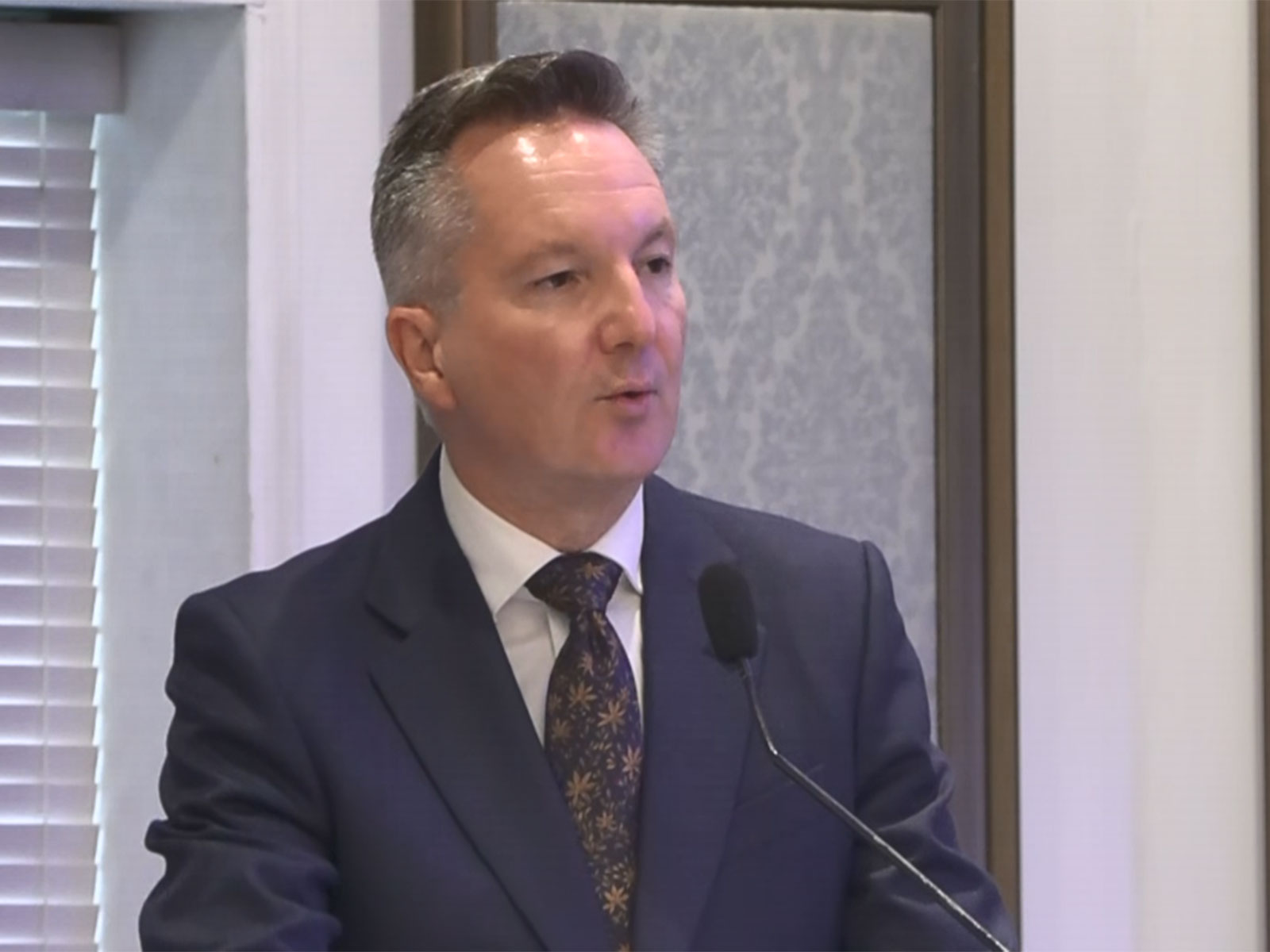
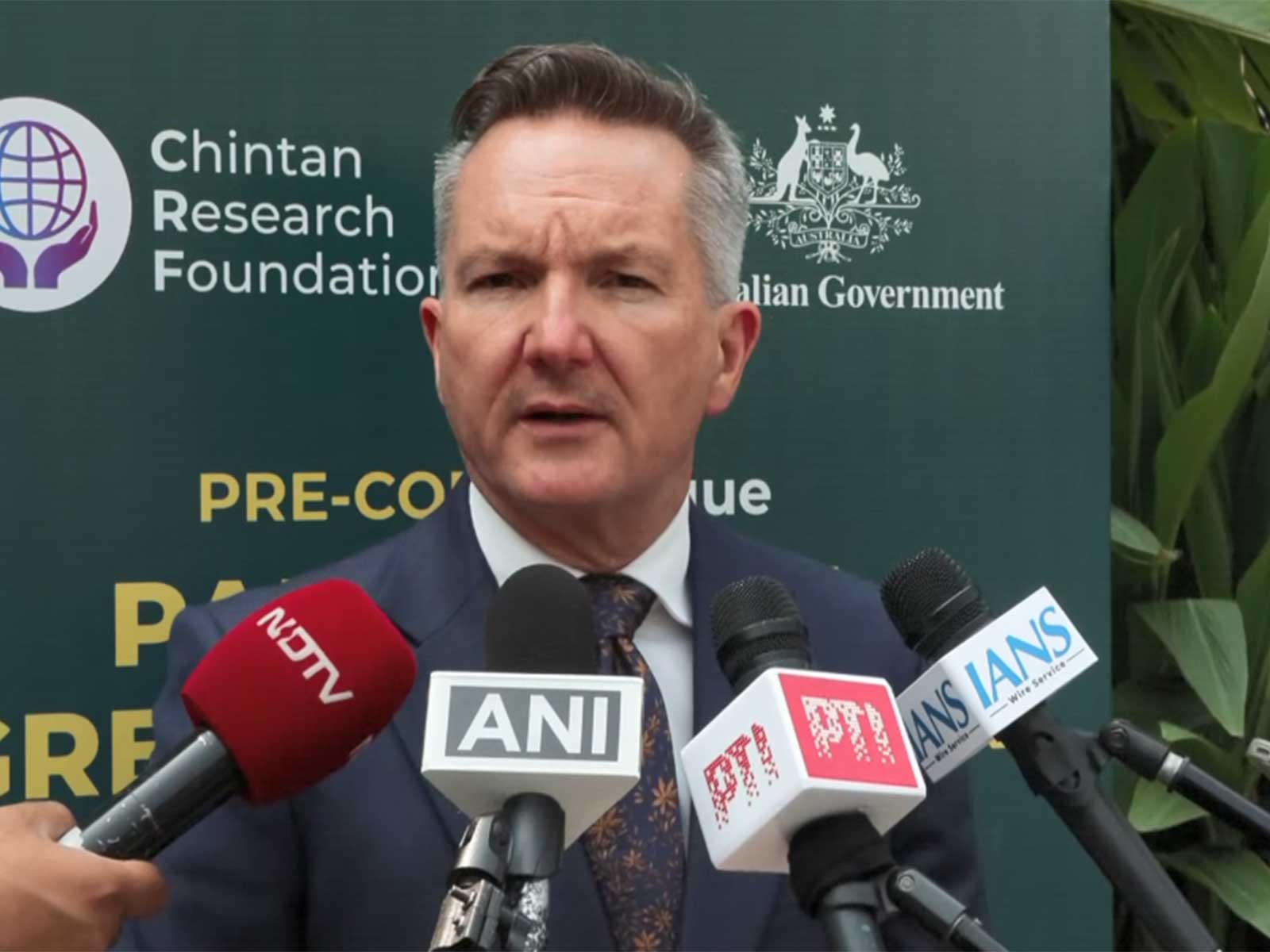
New Delhi [India], September 23 : Australian Minister for Climate Change and Energy Chris Bowen on Wednesday said that the India-Australia energy partnership was based on “complementary strengths”, highlighting the Solar Academy in Gujarat that will train 2,000 solar technicians.
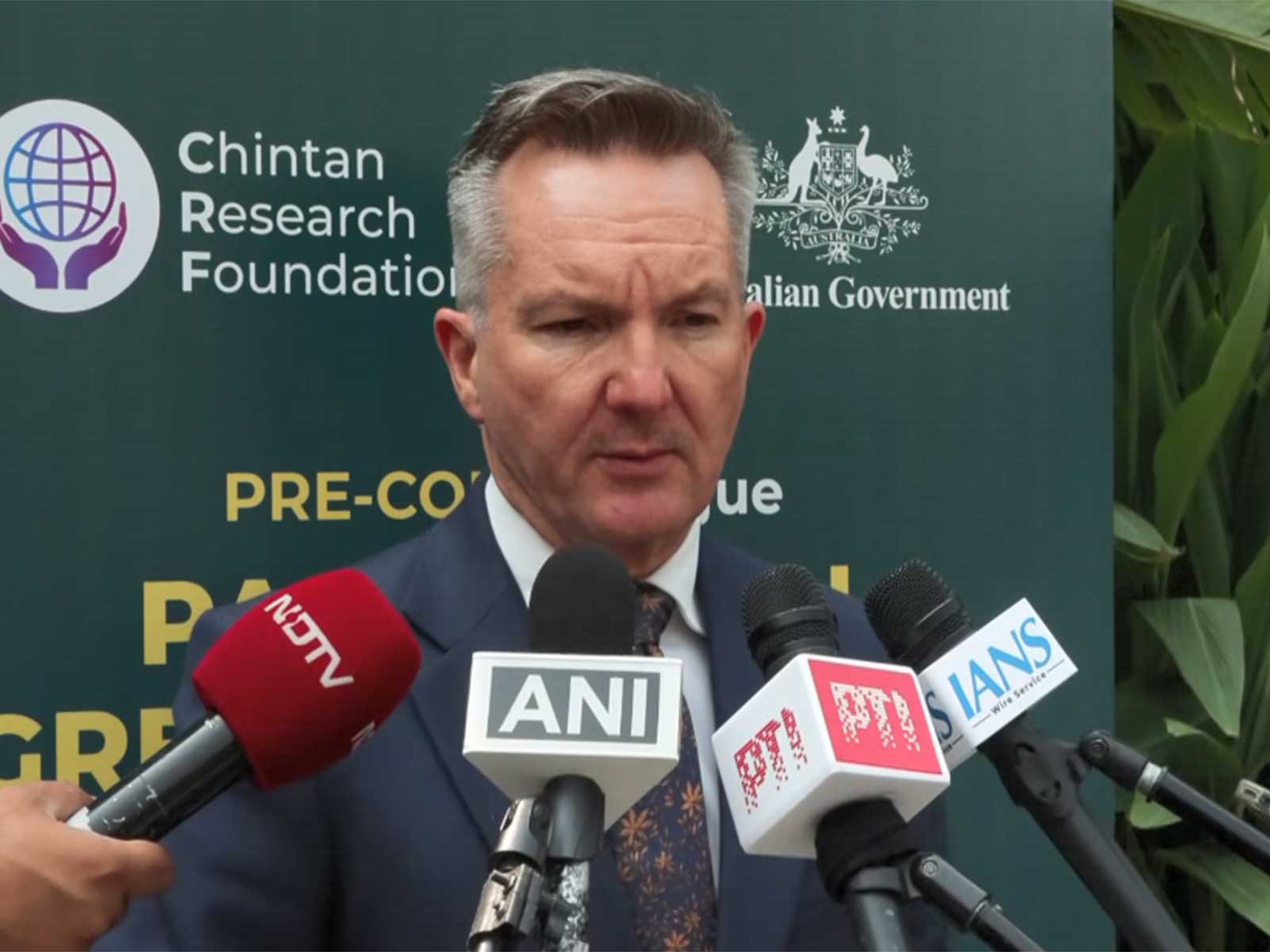
Speaking on the sidelines of the Chintan Research Foundation (CRF) Pre-COP Dialogue in New Delhi, Bowen said, “Well, the energy Partnership is based on complementary strengths and what we can help each other with. Take the Solar Academy in Gujarat, for example, which will train 2,000 solar technicians."
He said the two countries were also working together on green hydrogen, with Australia bringing its research and capacity while India was developing complementary capabilities.
“And the work we're doing on green hydrogen, for example, where Australia has good research and good capacity, and India is working on complementary things. So it's very much a relationship built on complementary strengths,” Bowen said.
Bowen also highlighted the role of renewable energy amid the global energy crisis, saying the India-Australia partnership on energy could contribute to building reliable supply chains.
“As I'm talking to Reliance and other players about fuel security, it's a reminder that renewable energy is reliable energy,” he said.
“No war can interrupt the flow of sun to the Earth. No blockade can stop the wind blowing,” Bowen added.
On COP31, Bowen said his negotiating priorities included electrification, access to finance for Small Island Developing States and the importance of oceans.
“In relation to COP31, obviously, as I said, Minister Yadav is one of the world's most senior and respected climate ministers,” Bowen said, adding that he and Yadav had co-chaired negotiations on three occasions.
He said further consultations would be held with India and other parties in the coming weeks.
On adaptation and loss and damage, Bowen said the devastating floods in Nepal highlighted the importance of adaptation and resilience.
“Loss and damage is part of that conversation, but as you said, parameters of loss and damage have been set at previous COPs. It's not front and centre of this COP agenda, but adaptation is, and resilience is, and it's part of the same conversation,” he said.
“And the devastating floods in Nepal, which I'm sure captured the world's attention--I know captured Australia's--are perhaps the clearest and starkest reminders of what's at stake,” Bowen added.
On adaptation finance, Bowen said the focus should be on ensuring vulnerable countries could access existing climate finance.
“Our main focus is on making sure that those most vulnerable countries have access to the finance which already exists,” he said.
On Australia's coal exports and its push for electrification, Bowen said the country recognised the need for a transition while acknowledging the continuing role of coal.
“We know coal has a role to play in the system. And yes, we know you can't get rid of it or transition immediately. But we do need to transition,” Bowen said.
“And Australia, as a fossil fuel exporter, recognises that and recognises that we, as a fossil fuel exporter, can play a role in that transition,” he added.
On engagement with countries with differing positions, Bowen said COP31 would follow a consultative approach.
“We are running a consultative process. I'm here with my friend Minister Yadav today. We always agree, Minister Yadav and I, but we still have to consult with each other. I'm off to Saudi Arabia after this for consultations. And you know, we will run a predictable, inclusive COP, an ambitious COP, but one which has been based on consultation,” Bowen added.
COP 31 will take place at the Antalya Expo Center in Antalya, Turkiye, from November 9 to 20.