EU expresses 'full solidarity' with Spain following migrant crisis; outlines plan to combat illegal border crossings
Aug 05, 2026
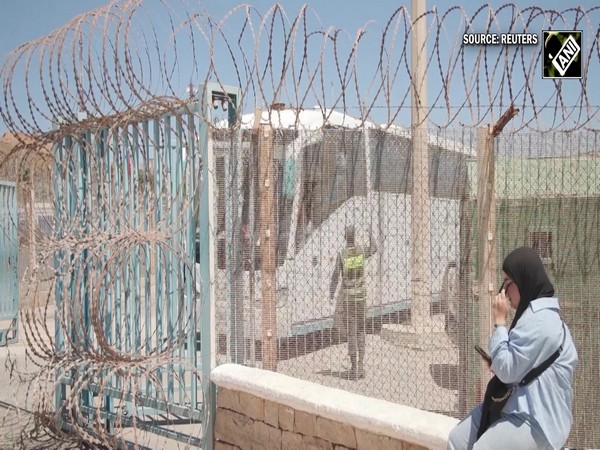
Brussels [Belgium], August 5 : The European Union has said that it stands in "full solidarity" with Spain following the recent migrant development in Ceuta, recognising the crisis as a "test of our European resilience," following a video conference of EU interior ministers.
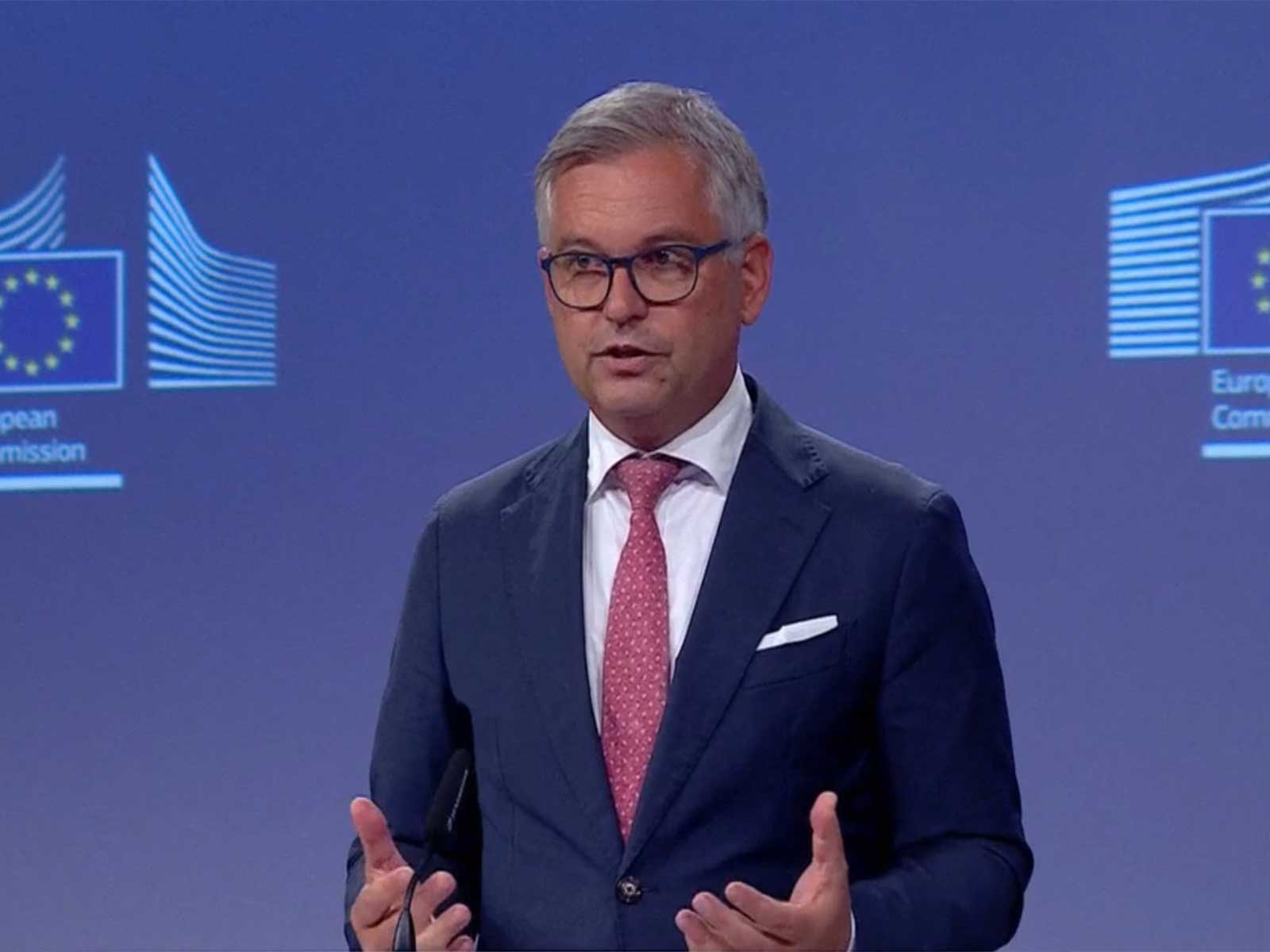
Following the emergency meeting on Tuesday, European Commissioner for Internal Affairs and Migration Magnus Brunner emphasised that despite severe strain placed on external frontiers by a sudden influx of over 70,000 migrants, the bloc successfully contained the crisis and preserved the integrity of the Schengen zone.
"There was of course full solidarity with Spain around the table," Commissioner Brunner told reporters. "These past few days were a test of our European resilience, a test of the security of our external borders. For the time being, Europe I think has definitely passed this test. People did not manage to enter the Schengen area and security at the border was resolved quickly".
Pointing to broader geopolitical trends, Brunner emphasised that recent reforms, including the Common European Asylum System, have drastically lowered overall numbers across the bloc. Illegal crossings into the EU have fallen by 55% over the past two years, with an additional nearly 40% reduction recorded so far this year.
"By every measure, Europe has not had this much control over illegal migration in decades," Brunner noted, pointing out that total irregular entries across all external borders stand at just over 49,000 year-to-date--a figure comparable to arrivals recorded on Greek islands in a single week during October 2015.
To build on these gains and address vulnerabilities exposed by the Ceuta incident, Brunner outlined the EU's five-point action plan focused on "migration diplomacy," strict application of return rules, enhanced Frontex deployments, social media early-warning systems against disinformation, and global sanctions against human trafficking syndicates.
Meanwhile, the member states of the European Union and Schengen-associated countries reaffirmed that the protection of the bloc's external frontiers remains a shared European responsibility.
The Council of the European Union commended Madrid's swift handling of the situation and extended condolences for those who lost their lives attempting to cross the border.
"The EU is united and stands ready to support Spain and protect our external borders from illegal migration," said Jim O'Callaghan, the Irish Minister for Justice, Home Affairs and Migration, who convened the meeting. "We commend Spain for their swift response to the situation in Ceuta and extend our deepest condolences for the tragic loss of life. The EU's external borders are our shared responsibility, and migration requires a united European response".
According to the official statement released after the meeting, the Spanish officials and the European Commission confirmed that the "very large majority" of individuals who crossed into Ceuta illegally have already been returned, with no onward movement recorded toward mainland Spain or other EU member states.
In a joint consensus, ministers emphasised the urgency of cracking down on human trafficking networks and combating online disinformation used by human smugglers.
"Today's meeting provided an opportunity for member states to exchange on the importance of protecting the EU's external borders. There was a common understanding of the need to continue relentlessly fighting migrant smuggling networks, to reinforce returns, to strengthen EU borders, to build deep partnerships with third countries, and to improve foresight," the statement read.
The Council highlighted that future crisis response must include enhanced early-warning intelligence, social media monitoring, and coordinated messaging to counter "malicious external actors engaged in foreign information manipulation and interference".
Ministers agreed to advance these collective measures ahead of upcoming formal ministerial meetings and the European Council summit scheduled for October.
According to Euronews, Spanish Interior Minister Fernando Grande-Marlaska welcomed the talks, stating that the EU had "acknowledged" the work Spain has carried out and that "it is pursuing a significant policy to combat irregular immigration within the EU framework".
"It was a necessary meeting to align current and future approaches. The outcome was satisfactory and served to recognise Spain's efforts," Euronews reported the Minister as saying.