Experts meet in India to call for urgent action on dengue treatment gaps
Apr 23, 2026
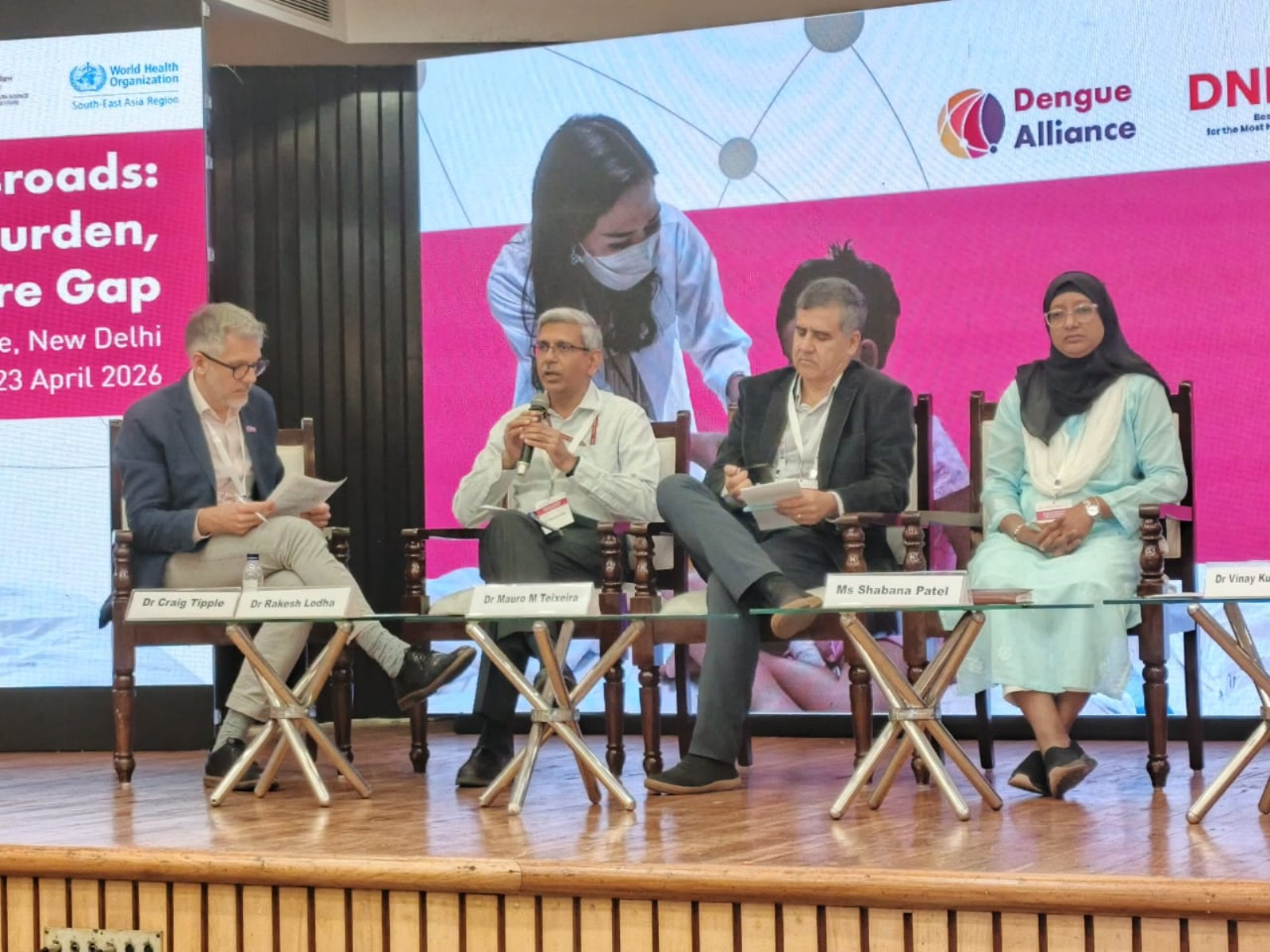
New Delhi [India], April 23 : With the monsoon approaching and bringing a seasonal spike in dengue risk, the Drugs for Neglected Diseases initiative (DNDi) in collaboration with Translational Health Science and Technology Institute (THSTI, India), the Dengue Alliance partners, and the WHO South-East Asia Region, hosted a day-long dialogue in New Delhi on Thursday to address urgent gaps in care and preparedness for dengue.
The Dengue Alliance is a consortium of leading institutions such as the Ministry of Health (Malaysia), Siriraj Hospital, Mahidol University (Thailand), Oswaldo Cruz Foundation (Fiocruz, Brazil) and Federal University of Minas Gerais (UFMG, Brazil), among others, with the aim to accelerate conversations on challenges and opportunities for strengthening national and regional capacities to develop dengue therapeutic solutions, while consolidating India's role as a strategic partner in this agenda.
The convening saw the participation of high-level representatives from governments, scientific institutions, regulatory agencies, multilateral organizations, industry, funders, and civil society, including the Ministry of Health and Family Welfare, the WHO South-East Asia Regional Office (SEARO), the Indian Council of Medical Research (ICMR), Serum Institute of India, the World Bank, and NITI Aayog, among many others.
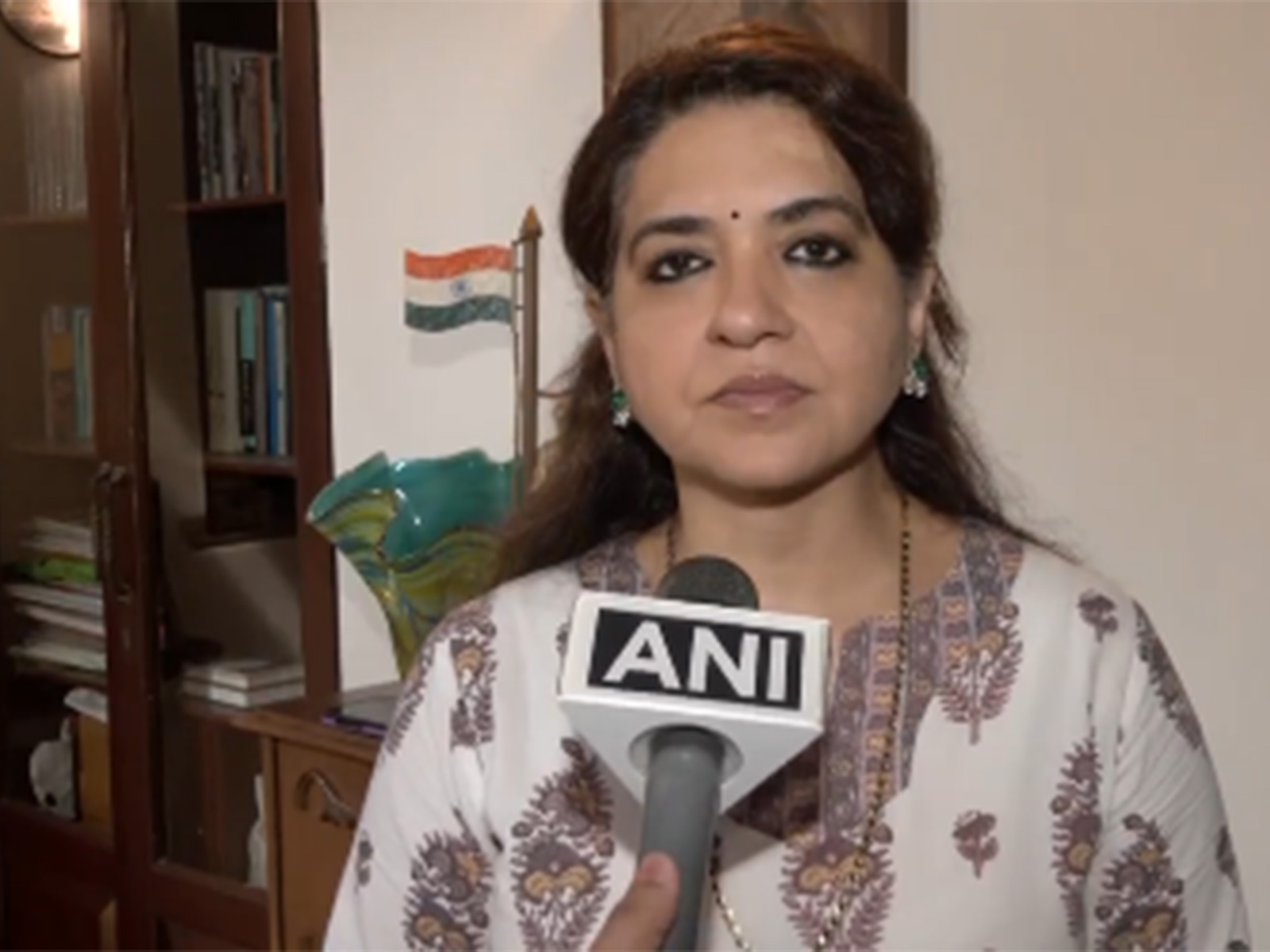
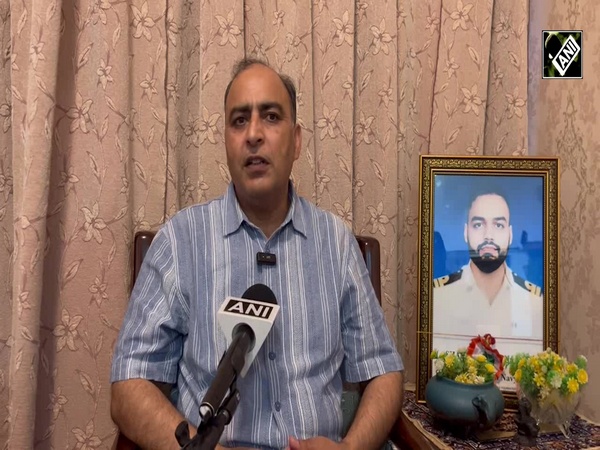
Speaking about the convening, Taruna Madan Gupta, Scientist and Head, Development Research Division, ICMR, said, "Dengue is unequivocally a national health priority for India, and our response has been deliberate, step-by-step, and increasingly comprehensive. Today, India is advancing on multiple fronts--from strengthening public health systems to enabling public-private partnerships, including Phase III trials of an indigenous tetravalent dengue vaccine with over 10,000 participants, and regulatory progress on global vaccines. However, a critical gap remains: the absence of an effective therapeutic for dengue. Through collaborations with global and national partners, we are actively working to bridge this gap and remain committed to delivering impactful solutions in the near future."
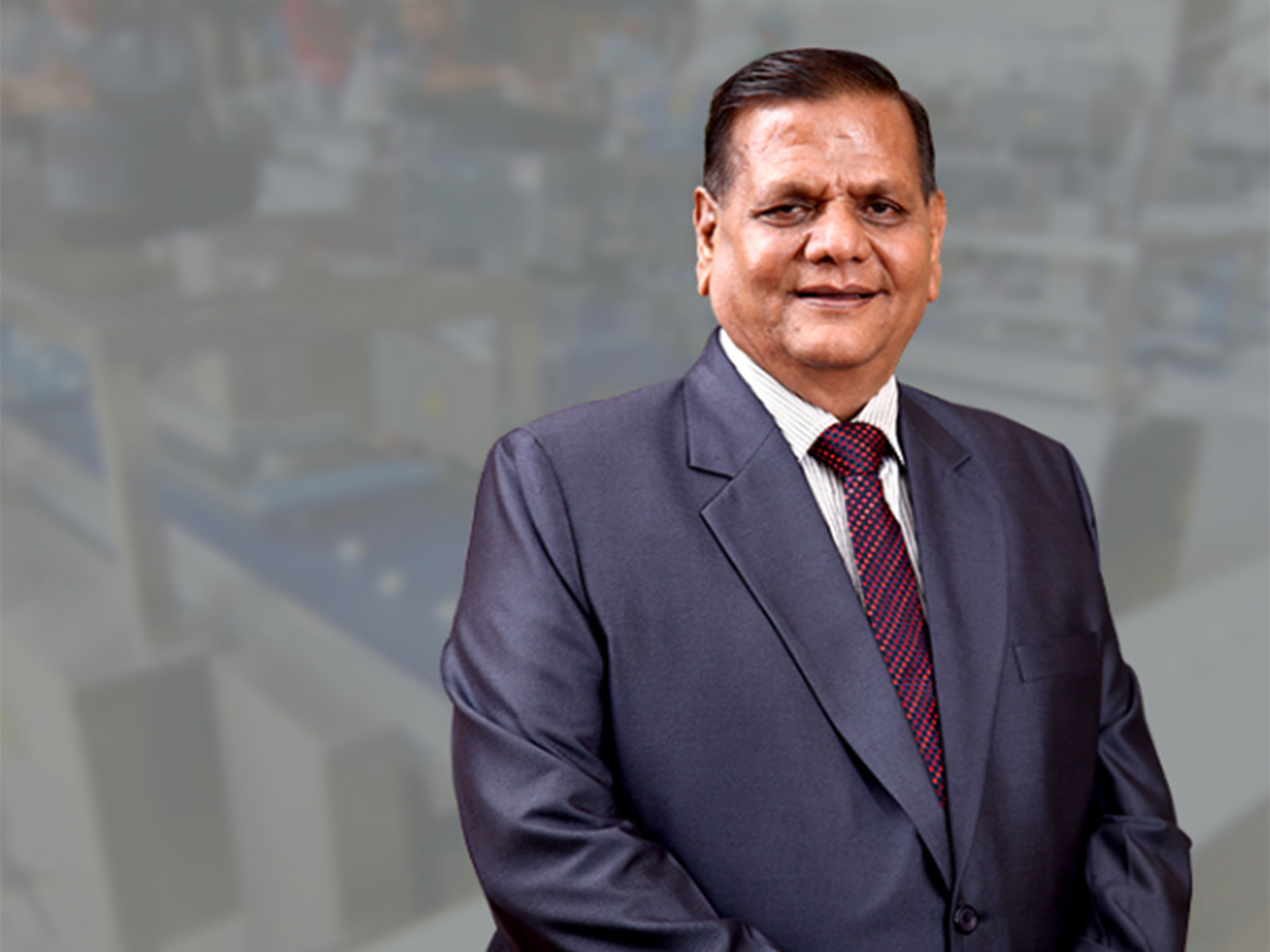
Dr G Karthikeyan, Executive Director, THSTI, said, 'THSTI is proud to work closely with DNDi and our Dengue Alliance partners to bridge the gap in dengue diagnostics and therapeutics. Our focus remains steadfast: leveraging high-level translational science to create accessible interventions that align with the global mandate for health equity and affordable care.'
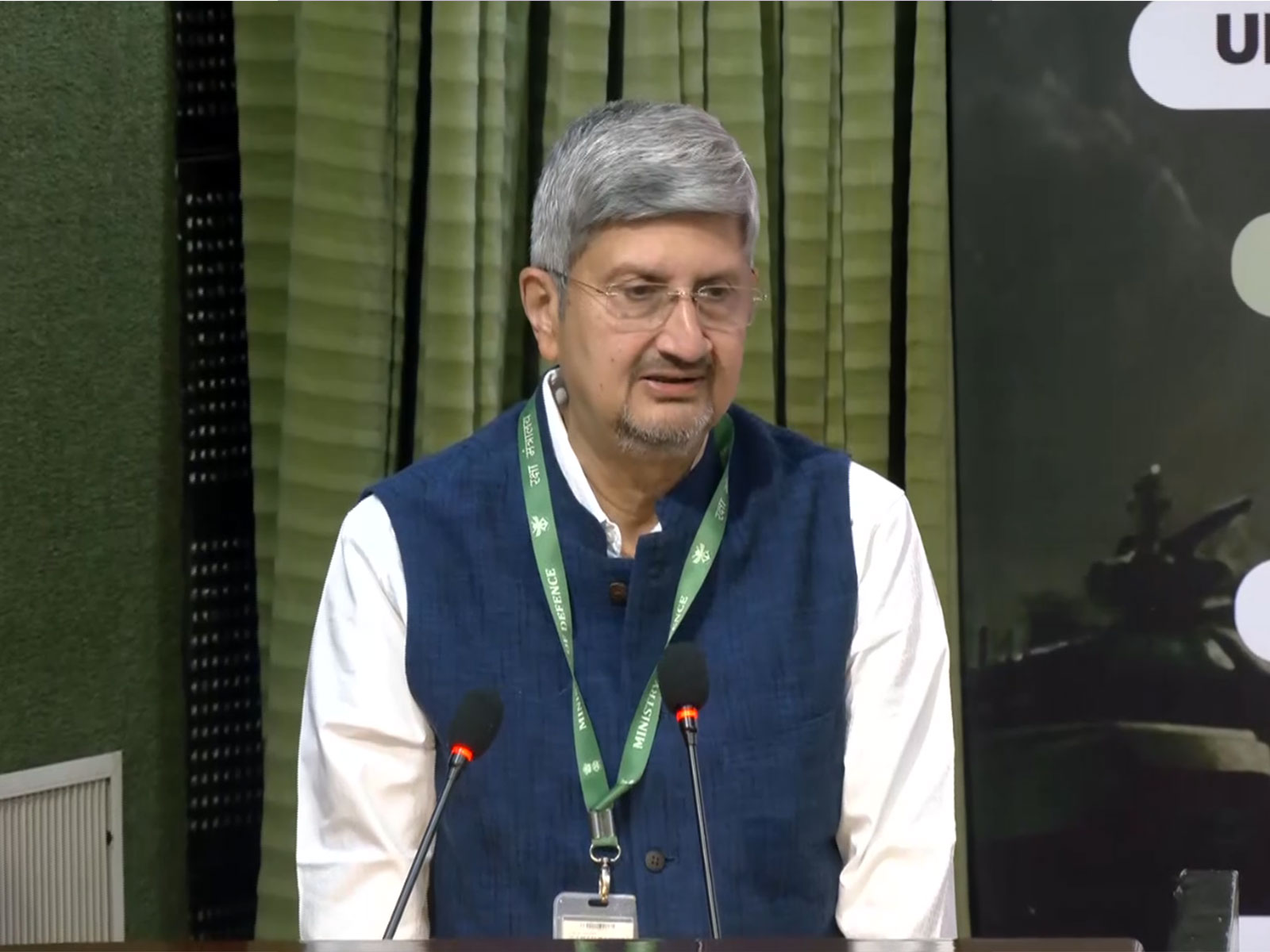
Dr Catharina Boehme, Officer in-charge, World Health Organization SEARO, said, 'The WHO South-East Asia Region alone accounts for more than half of the global dengue burden, with 1.3 billion people living at risk across ten endemic countries. And dengue carries costs beyond health system costs. These costs are often indirect-- lost productivity, lost wages, lost futures. And they fall hardest on the households least equipped to absorb them. This is both an economic crisis and a social crisis. To change this trajectory, we must close the gap on diagnostics, on vaccines, on therapeutics, and on health system resilience."
The timing of the convening is critical. With India's monsoon season weeks away, a period that historically drives a sharp surge in Aedes aegypti mosquito populations and dengue transmission, health systems across South and South-East Asia face their most vulnerable window of the year. India alone reported over 289,000 dengue cases in 2023, with experts warning that case counts are significantly underreported due to gaps in surveillance, making the push for better diagnostics, therapeutics, and coordinated financing not merely timely, but urgent.
Dr Nor Fariza Ngah, co-chair of the Dengue Alliance said, 'Dengue care needs an integrated approach. For a climate-sensitive disease of this scale, it is essential that we approach it from all angles. While we do have vaccines and vector controls, addressing the treatment gap is crucial in ensuring care for the disease is accessible and effective.'
'Dengue has outpaced our response for decades. While we now have stronger surveillance, improved scientific understanding, and growing partnerships, patients still lack access to specific treatment options. Addressing this gap requires sustained commitment from governments, funders, and partners. The Dengue Alliance is accelerating this effort by bringing together stakeholders to advance research, align priorities, and support the development of safe, accessible and affordable treatments. Moving forward, sustained collaboration and commitment will be key to translating dialogue into action,' said Dr Sanjay Sarin, Continental Lead Asia and Director South Asia, DNDi
The gathering brought together over 30 speakers across four panels covering surveillance, vaccines, diagnostics, community impact, financing, and health system resilience. A key focus was on populations most vulnerable to severe dengue, including pregnant women, children, and low-income communities, for whom the absence of treatment often leads to preventable hospitalization and economic burden.