FATF flags rising terrorist financing risks through social media, messaging apps, streaming platforms
Jun 27, 2026
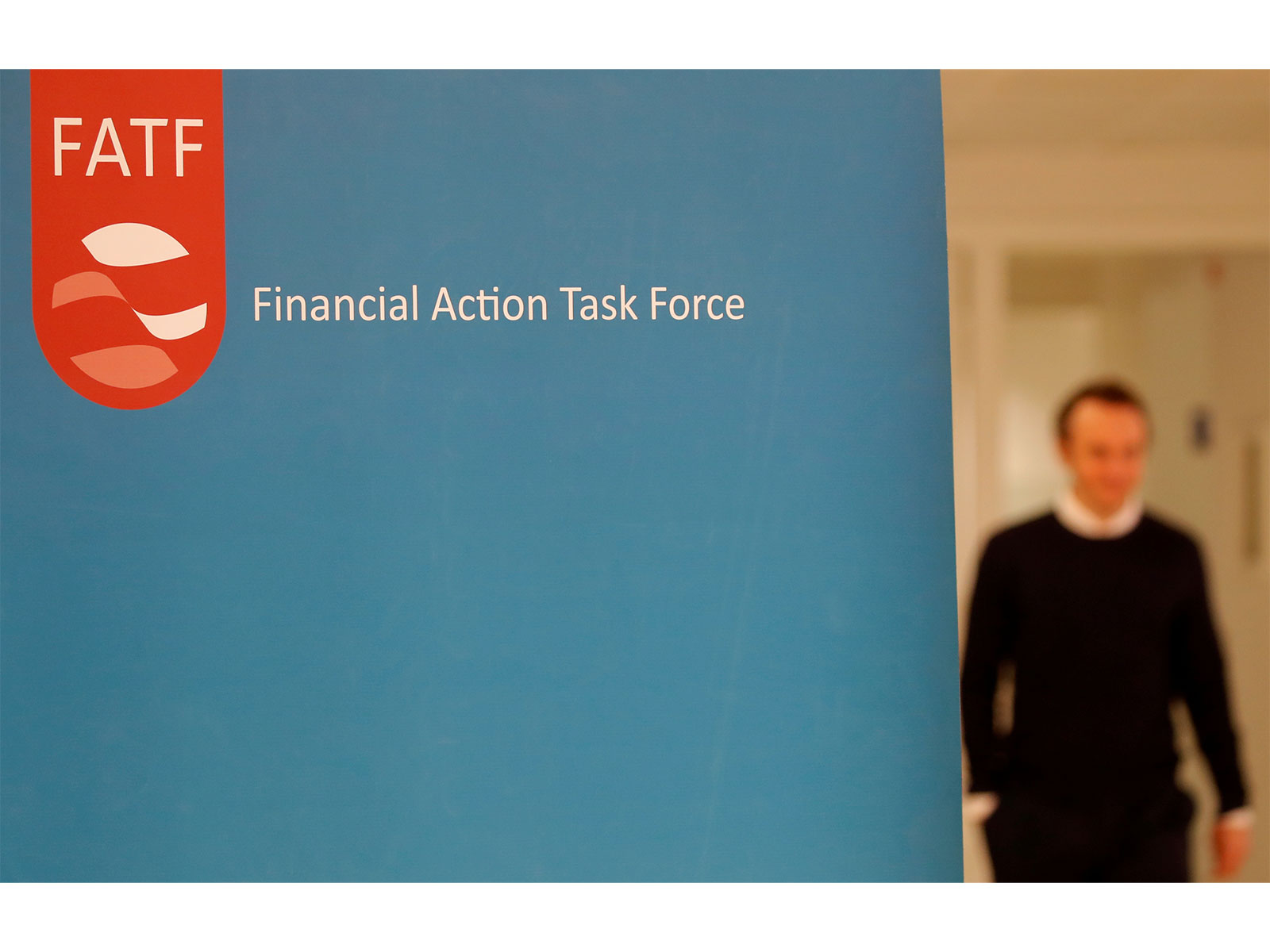
Paris [France], June 27 : The Financial Action Task Force (FATF) has warned of the growing misuse of social media, instant messaging applications and streaming platforms by terrorist groups to finance their activities, highlighting the evolving risks posed by digital technologies and calling for stronger global cooperation to counter the threat.
In a press release issued on Friday, the global anti-money laundering and counter-terrorism financing watchdog unveiled a new report detailing how terrorists are exploiting social media, instant messaging applications and streaming platforms (SMSPs) not only for propaganda and fundraising, but also for fraudulent humanitarian crowdfunding campaigns, creator-economy features, virtual asset fundraising and other sophisticated financial activities.
According to the FATF, over the past decade SMSPs have evolved from simple communication tools into complex digital ecosystems offering integrated payment systems, virtual assets, creator monetisation and cross-border financial services, creating new opportunities for terrorist financing.
Building on its 2025 Comprehensive Update on Terrorist Financing Risks, the report titled Detecting and disrupting terrorist financing activity through social media, instant messaging applications and streaming platforms (SMSPs) outlines several emerging typologies, including the misuse of live-streaming and tipping features, fundraising through virtual assets using rotating wallets and QR codes, the use of coded language and disappearing content to evade detection, and the exploitation of commercial entities to conceal terrorist financing activities.
The FATF said the increasing integration of AI-driven content, encrypted communications, decentralised finance (DeFi), virtual assets and embedded payment tools has made terrorist financing schemes more complex, requiring enhanced cooperation between governments, financial institutions and technology companies.
The report noted that fewer than 30 per cent of reporting jurisdictions currently assess terrorist financing risks associated with social media, messaging and streaming platforms in their national risk assessments, underscoring the need for countries to strengthen their understanding of the evolving threat.
"Through its work, the FATF has found that less than 30% of reporting jurisdictions are covering terrorist financing risks through SMSPs in their national risk assessments, so it is essential to step up global efforts to identify and counter this evolving threat," the release stated.
FATF President Elisa de Anda Madrazo said terrorist financing has increasingly shifted to digital platforms, significantly expanding the ability of extremist groups to reach global audiences.
"Terrorist financing has gone digital, and with it, the ability to reach billions of people and magnify the impact of attacks has never been greater. No single jurisdiction or authority can address this threat alone, so we need to work closely together to prevent criminals from misusing these platforms to cause harm around the world," she said.
The FATF said it has worked with major technology companies and specialised think tanks to better understand these vulnerabilities and develop recommendations to help countries tackle the abuse.
Among its recommendations, the watchdog called for stronger public-private partnerships, enhanced information sharing, improved inter-agency coordination, greater understanding of monetisation features, stronger risk assessments and better integration of financial and digital intelligence.
The FATF noted that while social media, messaging and streaming platforms are not directly covered under its anti-money laundering and counter-terrorist financing standards, certain financial activities facilitated through these platforms may already fall within the scope of existing FATF regulations.