"Forced to diplomacy": Zelenskyy calls for global pressure as Russia targets energy sector with 210 drones
May 01, 2026
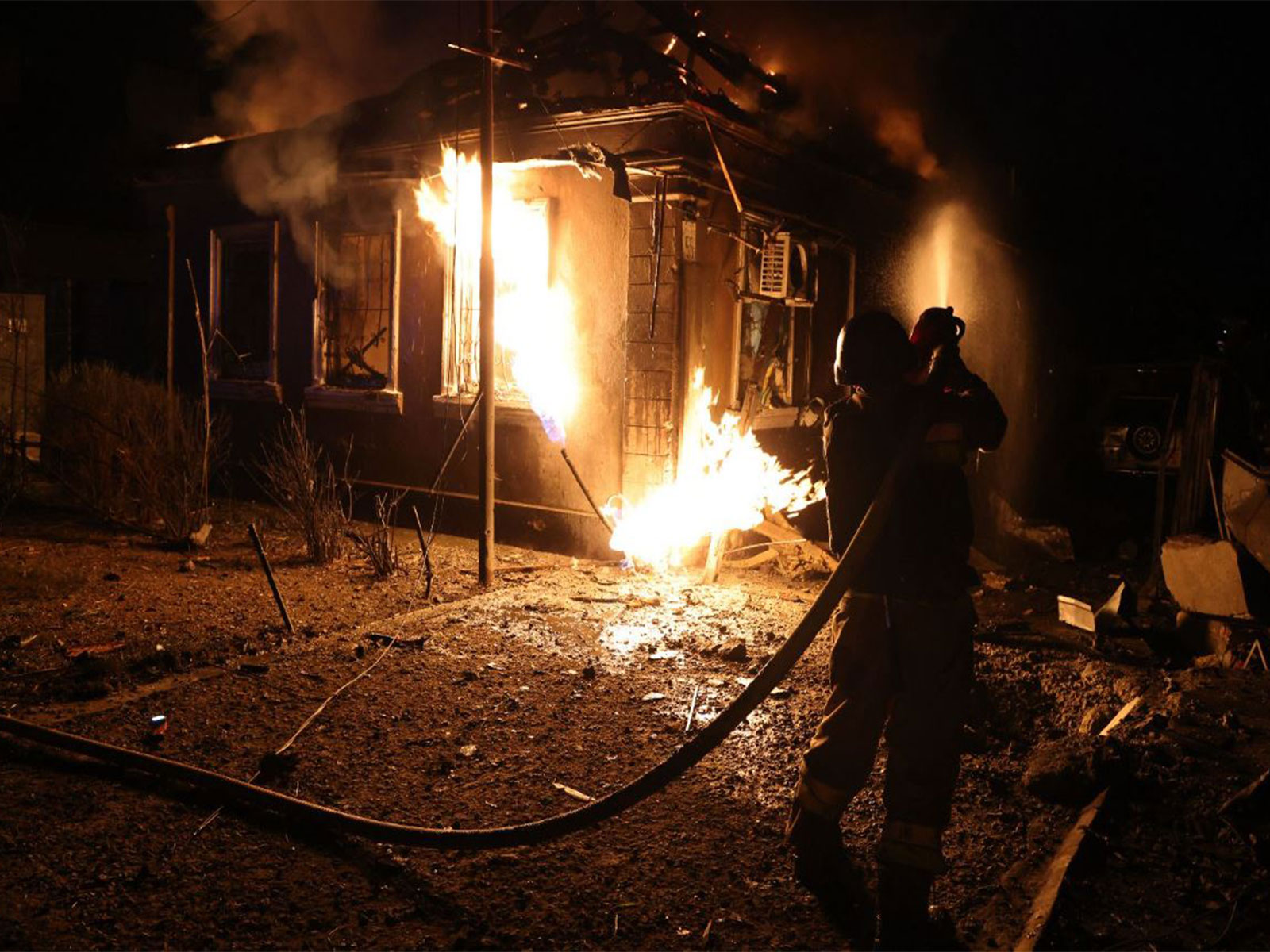
Kyiv [Ukraine], May 1 : Ukrainian President Volodymyr Zelenskyy has called for intensified global pressure and synchronised sanctions against Moscow following a massive overnight aerial assault targeting civilian residences and critical infrastructure across several regions.
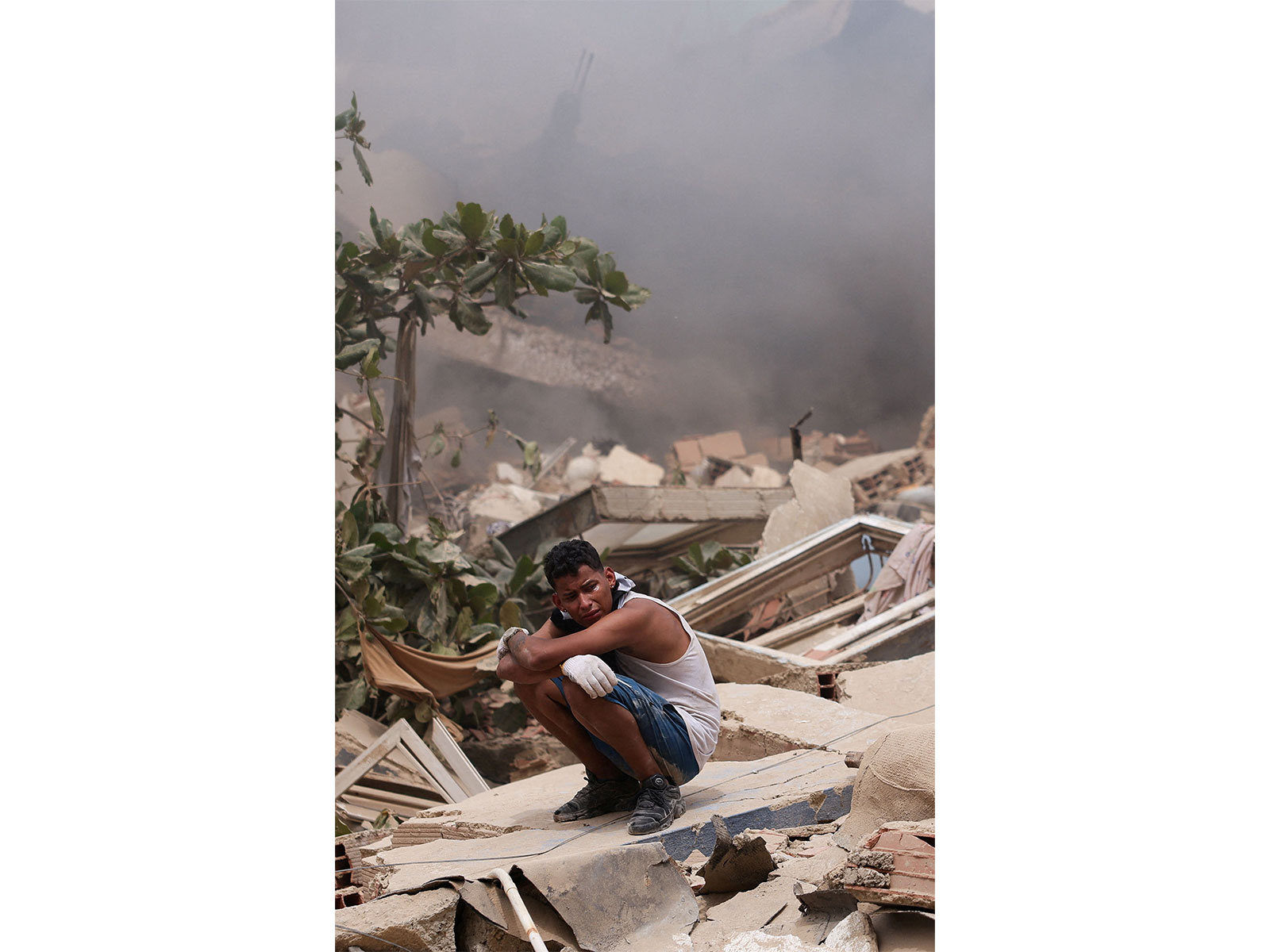
In a post on X, the Ukrainian leader detailed the impact of the strikes, noting that "the Russians once again waged war against ordinary apartment buildings in Odesa", which resulted in five injuries and fires in two buildings. Highlighting the geographical extent of the aggression, he reported that "in Kryvyi Rih, one person was also injured as a result of a drone strike", while additional strikes were launched against the Sumy and Zaporizhzhia regions.
https://x.com/ZelenskyyUa/status/2050108911810715824?s=20
The Ukranian President further highlighted the deliberate targeting of the nation's logistical and power networks, stating that "in the Kharkiv region, railway infrastructure was attacked, including traction substations." He added that "there was damage and railcars caught fire", leaving "thousands of families" without electricity due to the relentless shelling.
Zelenskyy emphasised that "Russia continues to attack our energy sector, critical infrastructure, and civilian facilities", confirming that the overnight barrage involved "210 strike drones, around 140 of them 'shaheds.'" According to the President, "such daily attacks demonstrate the need for increased pressure on Russia" to ensure the aggressor is "weakened to ensure greater security for Europe."
Addressing the necessity of economic countermeasures, the Ukrainian leader asserted that "sanctions policy must continue, along with the synchronisation of all our sanctions with those of our partners." He maintained that "our long-range sanctions are bringing the Russians back to reality", a move he described as "entirely justified" and essential to limiting "the Russian Federation's ability to prolong this war."
Reaffirming Kyiv's stance on ending the hostilities, Zelenskyy warned that "if Russia does not want to move to diplomacy voluntarily, it must be forced to do so." Expressing appreciation for international support in this endeavour, he stated, "I am grateful to everyone who is helping us achieve this."
The demand for a forced diplomatic resolution comes as Ukrainian President Volodymyr Zelenskyy on Thursday demanded the details of Russia's proposal for a short-term ceasefire. Zelenskyy, referring to an earlier telephonic conversation between US President Donald Trump and Russian President Vladimir Putin, said that Ukraine wishes for a long ceasefire.
In a separate post on X, the Ukrainian leader confirmed he has "instructed our representatives to contact the team of the President of the United States and clarify the details of Russia's proposal for a short-term ceasefire." He emphasised that while Ukraine seeks peace, it must be a "real end" to the conflict.
"We will clarify what exactly this is about - a few hours of security for a parade in Moscow, or something more. Our proposal is a long-term ceasefire, reliable and guaranteed security for people, and a lasting peace. Ukraine is ready to work toward this in any dignified and effective format," he said.
The diplomatic movement follows a high-level telephonic conversation held on April 29 between Putin and Trump. US President Donald Trump hinted at a possible ceasefire in the Ukraine conflict following that discussion, while maintaining a hard line on other global security issues, including Iran's nuclear ambitions.
President Trump's remarks paint a picture of a Russia eager to pivot toward a deal, suggesting that the Russian leader may be preparing to pause hostilities. Trump stated that Putin "suggested a little bit of a ceasefire" and hinted that an official announcement from Moscow could be imminent.
The US President expressed his belief that Putin "was ready to make a deal a while ago," but claimed that outside influences had previously "made it difficult" for the Russian President to come to the table.