From a village in Nepal to Mumbai's Fintech frontline: COMPEX scholarship shapes life of LenDenClub Co-Founder Dipesh Karki
Jun 15, 2026
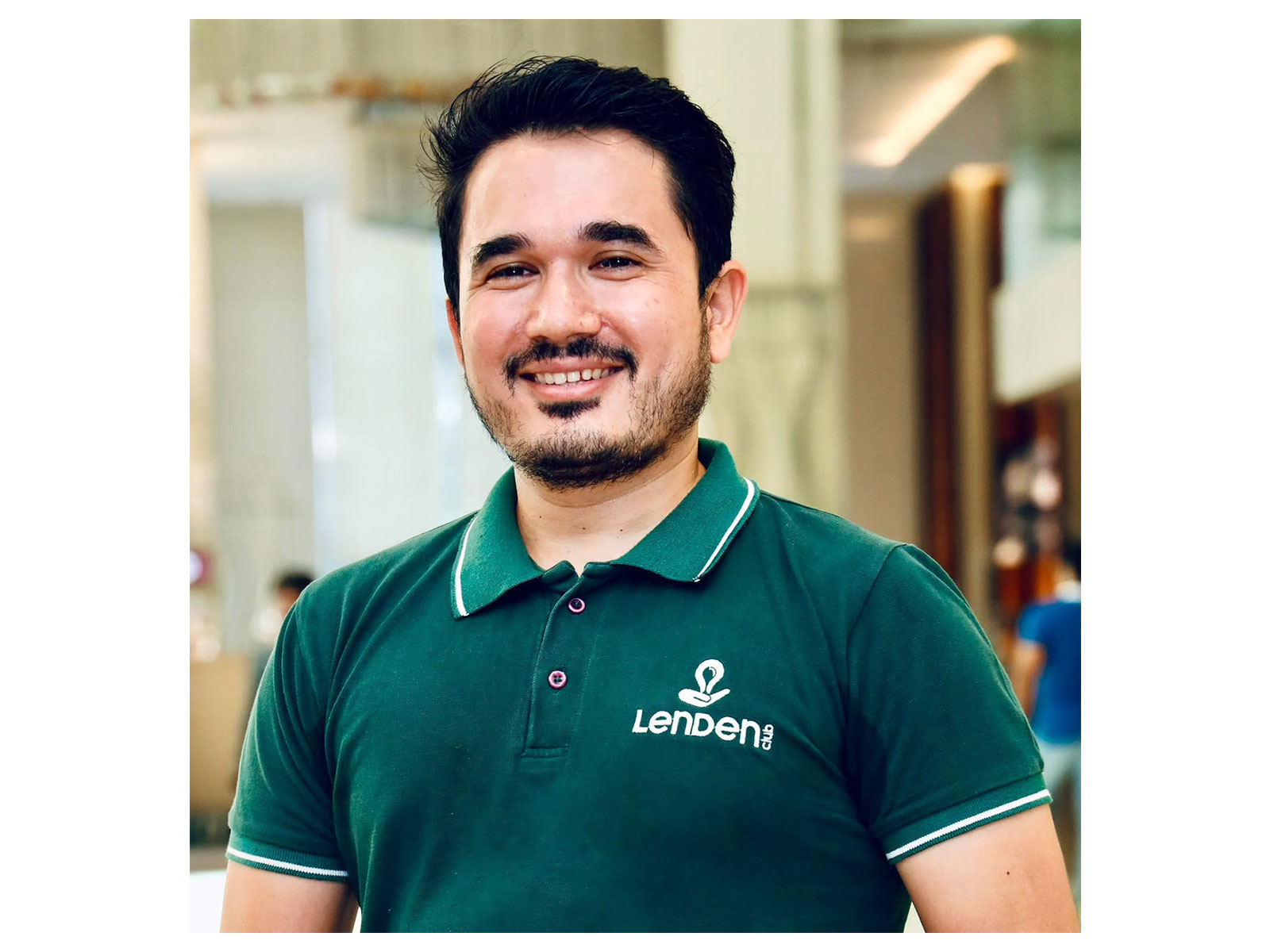
Kathmandu [Nepal], June 15 : Dipesh Karki grew up in Eastern Nepal with roots deep extended to the rural setting in Khotang District. Though he spent most of his childhood in Biratnagar in course of studies, back in the village, he got used to watching neighbours lend money to one another, which shaped his values, and the COMPEX scholarship shaped his life, which has now made him Co-founder of LenDen Club in Mumbai's fintech frontlines.
The scholarship examination ranking of 20th, a fully funded engineering seat in India wove together into one of the world's largest peer-to-peer lending platforms, which today serves more than 30 million customers.
Karki was born into a family of school teachers who supplemented their income through farming to support their children's education. He and his brother spent much of their early years away from home, living in hostels while attending school in Biratnagar.
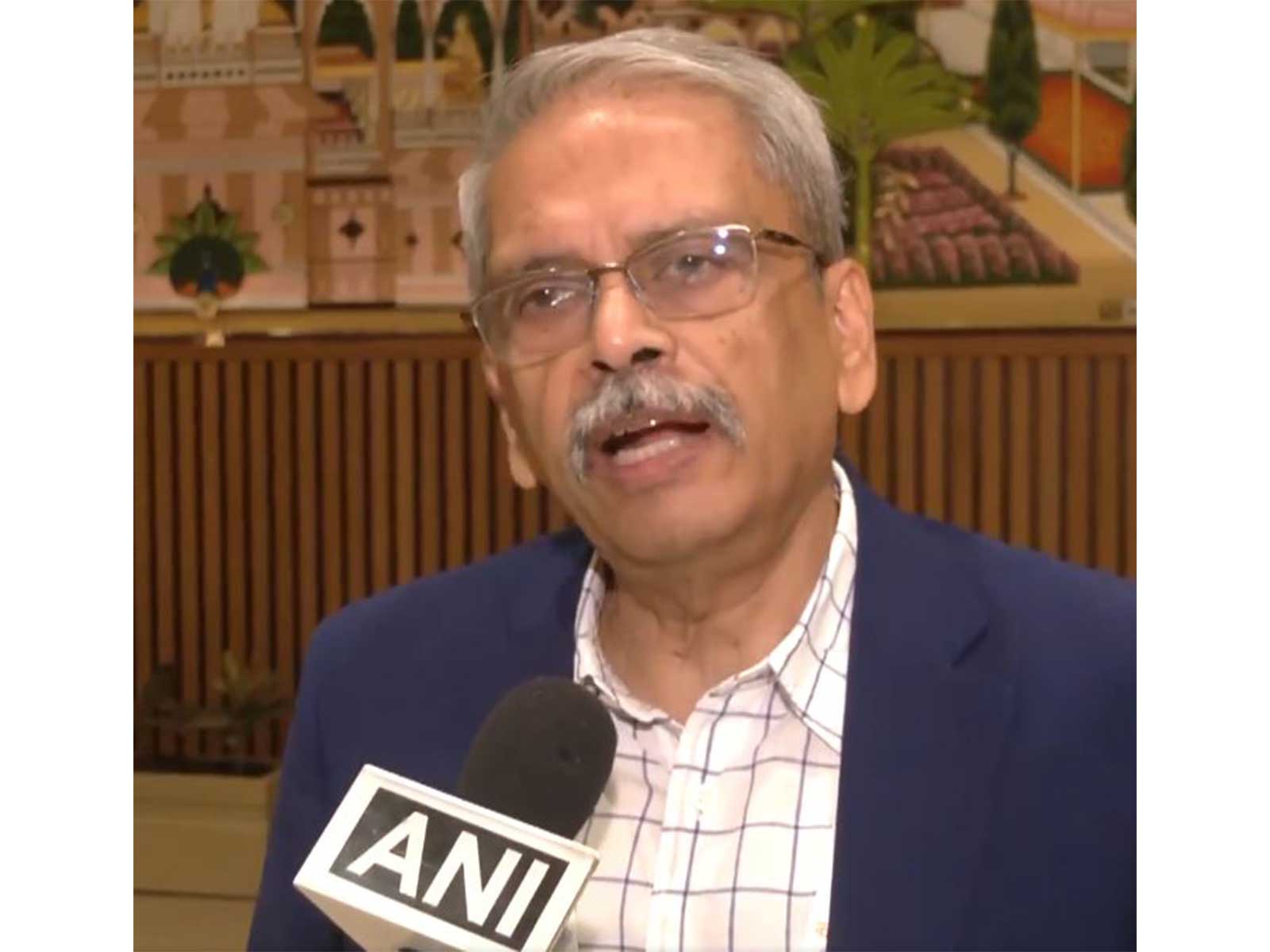
"We were not raised with abundance, but we were raised with discipline, honesty, resilience, and the belief that education could change lives," Karki said in an interview which was published by the Indian Embassy in Kathmandu, describing the values instilled in him by his family.
As a child, his curiosity gravitated toward gadgets, electronics, and especially aeroplanes. He dreamed of becoming a pilot or an aeronautical engineer, ambitions that seemed financially out of reach for a family of teachers and farmers.
That changed when Karki secured the COMPEX Scholarship in 2007-08, earning a fully funded place to study Electronics and Communication Engineering at the National Institute of Technology (NIT) Kurukshetra- becoming, by his account, the first person in his extended family to pursue higher education entirely on scholarship.
Preparation for the scholarship exam demanded extraordinary discipline. Karki recalled sleeping only around three hours a night while attending coaching classes and studying for the rest of the day, often without his parents in Khotang, fully aware of how intense his preparation had become.
"The greatest value of a scholarship is not financial support; it is the confidence it gives you," he reflected. "A scholarship tells a young student from a small town that someone believes in their potential even before the world does," the interview shared by the Indian Embassy in Kathmandu noted.
At NIT Kurukshetra, Karki found an environment that reshaped his ambitions. Surrounded by students from across India and abroad, and with access to advanced laboratories and emerging technologies, he became one of the founding members of the SuryaKiran Aeromodelling Club- eventually becoming the college's first certified RC flyer, reconnecting with his boyhood fascination with flight.
Beyond academics, he took on leadership roles in multimedia, student societies, and campus festivals- experiences he credits with teaching him the leadership and problem-solving skills that would later prove essential in entrepreneurship.
After graduation, Karki co-founded an engineering software venture, PipeISO, before moving to Mumbai to co-found LenDenClub alongside Bhavin Patel. The idea for the platform, he said, traces back to his childhood observations of informal, trust-based lending in his village, where neighbours and relatives turned to one another, often including his teacher parents for loans to cover healthcare, farming, education, or family emergencies.
"I grew up watching capital flow through trust-based village relationships in Khotang," Karki said. "Through education, technology, and entrepreneurship, I spent the next two decades trying to modernise that same idea for millions of people."
He also credited India's broader economic transformation, its digital identity systems, payments infrastructure, and the Reserve Bank of India's regulatory framework for peer-to-peer lending with creating the conditions that allowed a company like LenDenClub to scale.
Looking ahead, Karki urged current and future COMPEX scholars not to view their scholarships merely as a path to a degree.
"Don't use the scholarship merely to earn a degree. Use it to expand your horizon," he said, encouraging students to stay curious, build relationships beyond the classroom, and eventually bring their learning back to benefit Nepal.
He expressed hope that Nepal's next chapter would be defined not only by its heritage Mount Everest, Pashupatinath, and the legacy of the Gorkhalis but also by a new generation of researchers, entrepreneurs, and institution-builders, many of whom might trace their own beginnings, as he did, to a scholarship exam and a village in Khotang.