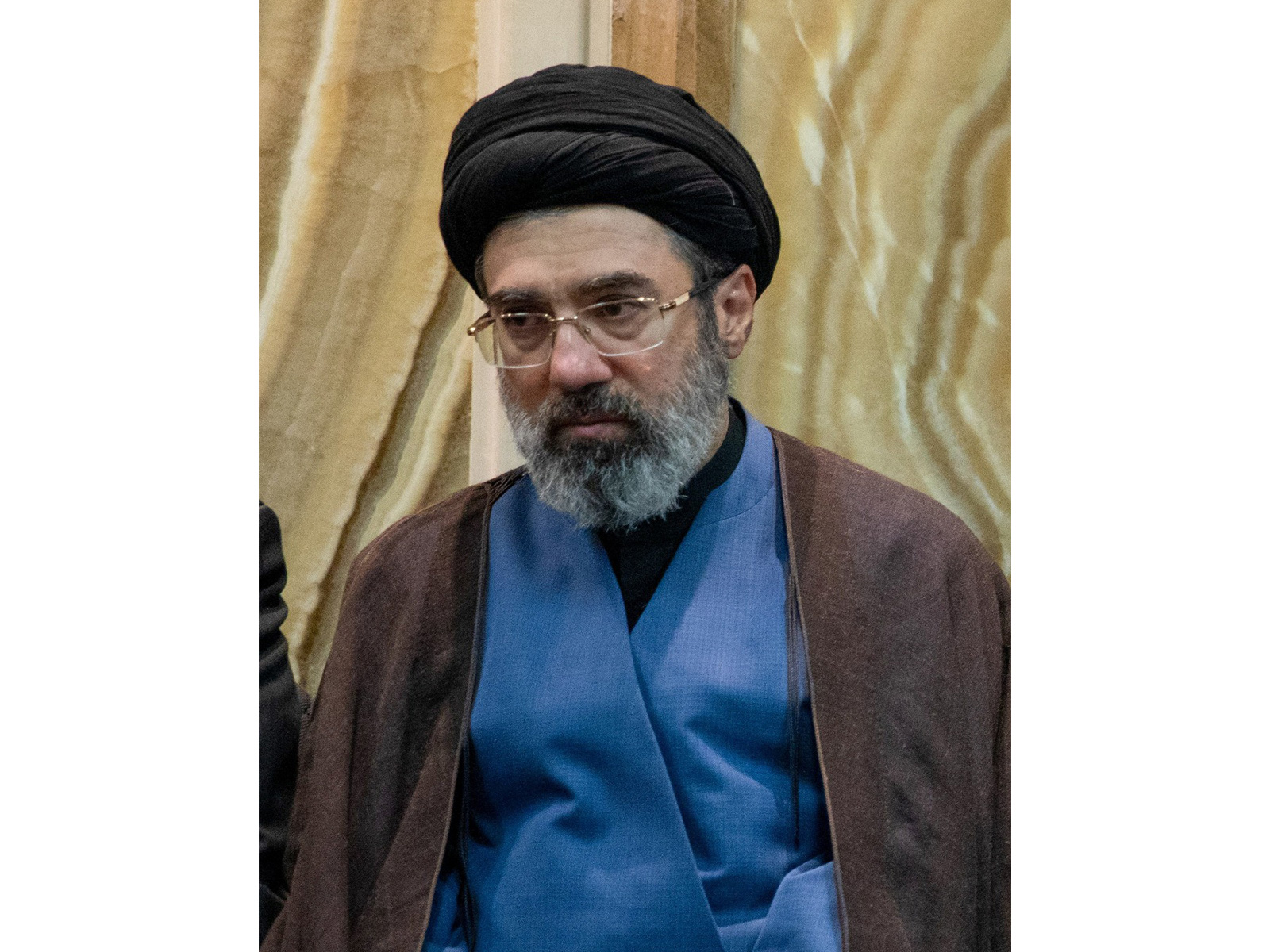
"Future negotiations not mean acceptance of enemy's position": Iran's supreme leader Mojtaba Khamenei after MoU with US
Jun 19, 2026
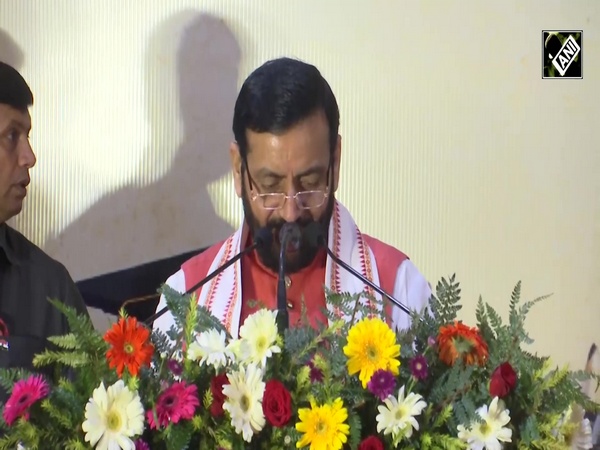
Tehran [Iran], June 19 : Iran's Supreme Leader Mojtaba Khamenei has claimed that US President Donald Trump used "all kinds of leverage" out of desperation to secure the newly signed Memorandum of Understanding (MoU) between Tehran and Washington, while stressing that Iran's acceptance of the agreement was conditional on protecting the rights of the Iranian nation and the Resistance Front.
Addressing the Iranian nation following the signing of the 14-point framework agreement between Iran and the United States, Khamenei said Iranian officials had worked extensively to reach the current stage of negotiations but insisted that the initiative was driven by Washington's urgency.
"As you have been informed, a memorandum of understanding was signed between the presidents of Iran and America. In the course of reaching this stage, the officials in charge, out of sincere concern and goodwill, made extensive efforts and, of course, it was the American president who, out of desperation, used all kinds of leverage to bring this about," Khamenei said.
While endorsing the framework, Khamenei cautioned that future face-to-face negotiations should not be interpreted as acceptance of the American position.
"However, it is self-evident that the in-person negotiations that will take place in the future will not mean acceptance of the enemy's position," he said.
The Supreme Leader revealed that he had initially held a different view regarding the agreement but ultimately granted permission after receiving assurances from President Masoud Pezeshkian and members of Iran's Supreme National Security Council.
"I, as a matter of principle, held a different view; however, out of the commitment that the esteemed president--as the head of the Supreme National Security Council--gave to me on his own behalf and on behalf of the other members regarding the safeguarding of the rights of the Iranian nation and the Resistance Front, and his explicit acceptance of that responsibility, I granted my permission," he said.
Khamenei added that Iranian negotiators had assured him they would not yield if the United States sought to impose additional conditions.
"He also explicitly stated that if the American side seeks to make excessive demands, they will not submit to them," he said.
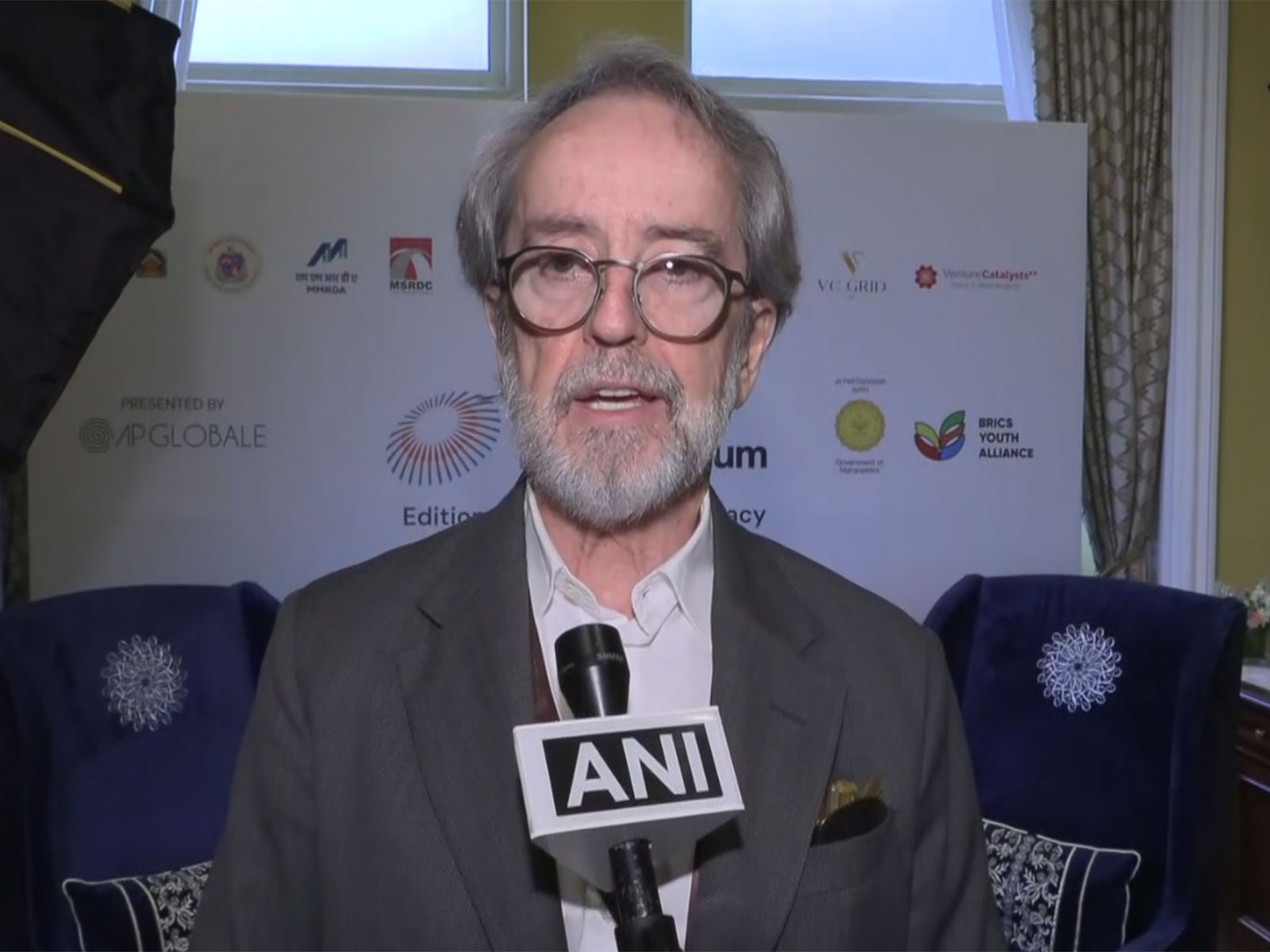
Earlier, Iran's Ambassador to India, Mohammad Fathali, described the agreement as a potential turning point for regional and international stability, provided all parties implement their commitments in good faith.
The agreement, signed virtually by US President Donald Trump and Iranian President Masoud Pezeshkian, reopened the Strait of Hormuz, established a framework for de-escalation, and launched a 60-day process aimed at negotiating a comprehensive final accord covering sanctions, security arrangements and Iran's nuclear programme.