Pakistanis lose faith in economy as inflation, power crisis deepen gloom
Sep 05, 2026
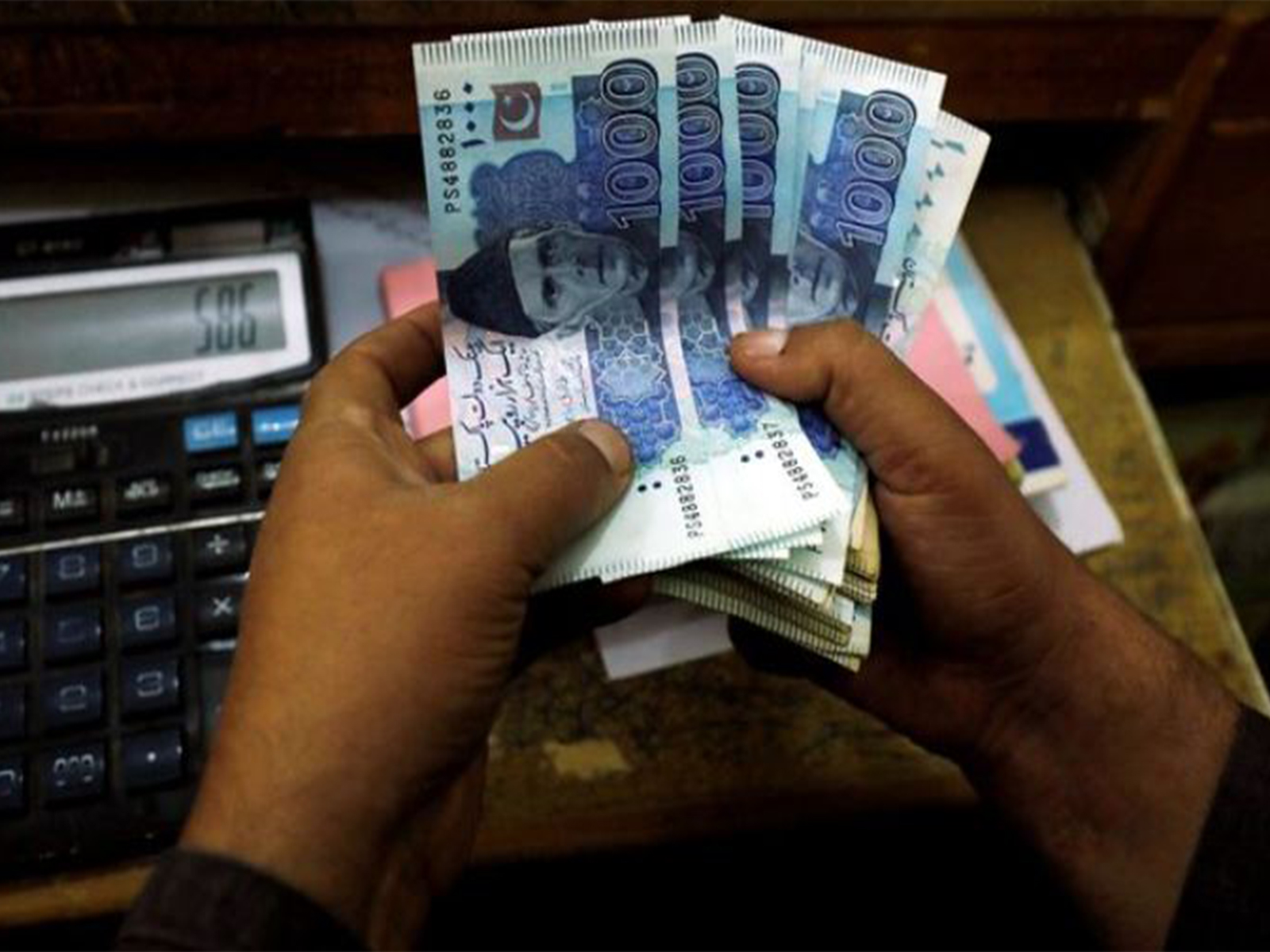
Islamabad [Pakistan], September 5 : Public confidence in Pakistan’s economic strength has fallen further, with only 14 per cent of respondents now describing the economy as strong, according to an Ipsos survey, as reported by The Express Tribune.
According to The Express Tribune, perceptions of economic strength declined by six percentage points over the previous quarter. Economic pressures continue to dominate public concerns. Inflation remains the country’s biggest worry, followed by unemployment, poverty and rising electricity prices. Power load-shedding has climbed to the fifth position, overtaking additional taxation as a major concern.
According to Ipsos, worries about electricity prices rose nine percentage points to 35 per cent, while concerns over poverty increased by 5 per cent.
Fuel costs have added to the pressure on households. Higher global oil prices, taxation and the government’s arrangements with the International Monetary Fund have contributed to increased petroleum prices, with taxes on petrol reaching as much as PKR 116 per litre.
Tola Associates found petrol and diesel prices in dollar terms to be the highest in South Asia despite the depreciation of Pakistan’s currency. Public confidence in the government’s handling of fuel-related issues also remains weak. Only about one-third of Pakistanis believe authorities have effectively ensured fuel availability, while two in five consider fuel-price management ineffective.
Financial confidence is similarly fragile. Just 15 per cent of respondents expressed confidence about investing, while only 16 per cent felt secure about their jobs. Only one-quarter of Pakistanis believe the country is moving in the right direction. Optimism was highest in Balochistan at 31 per cent, compared with 26 per cent in Punjab, 21 per cent in Sindh and just 14 per cent in Khyber-Pakhtunkhwa, as cited by The Express Tribune.
Ipsos Pakistan Managing Director Abdul Sattar described the third quarter as a period of “cautious recovery”, saying expectations and household spending comfort were improving but remained too weak to encourage major financial commitments, as reported by The Express Tribune.