G7 Summit in France: Leaders call for united fight against cancer
Jun 16, 2026
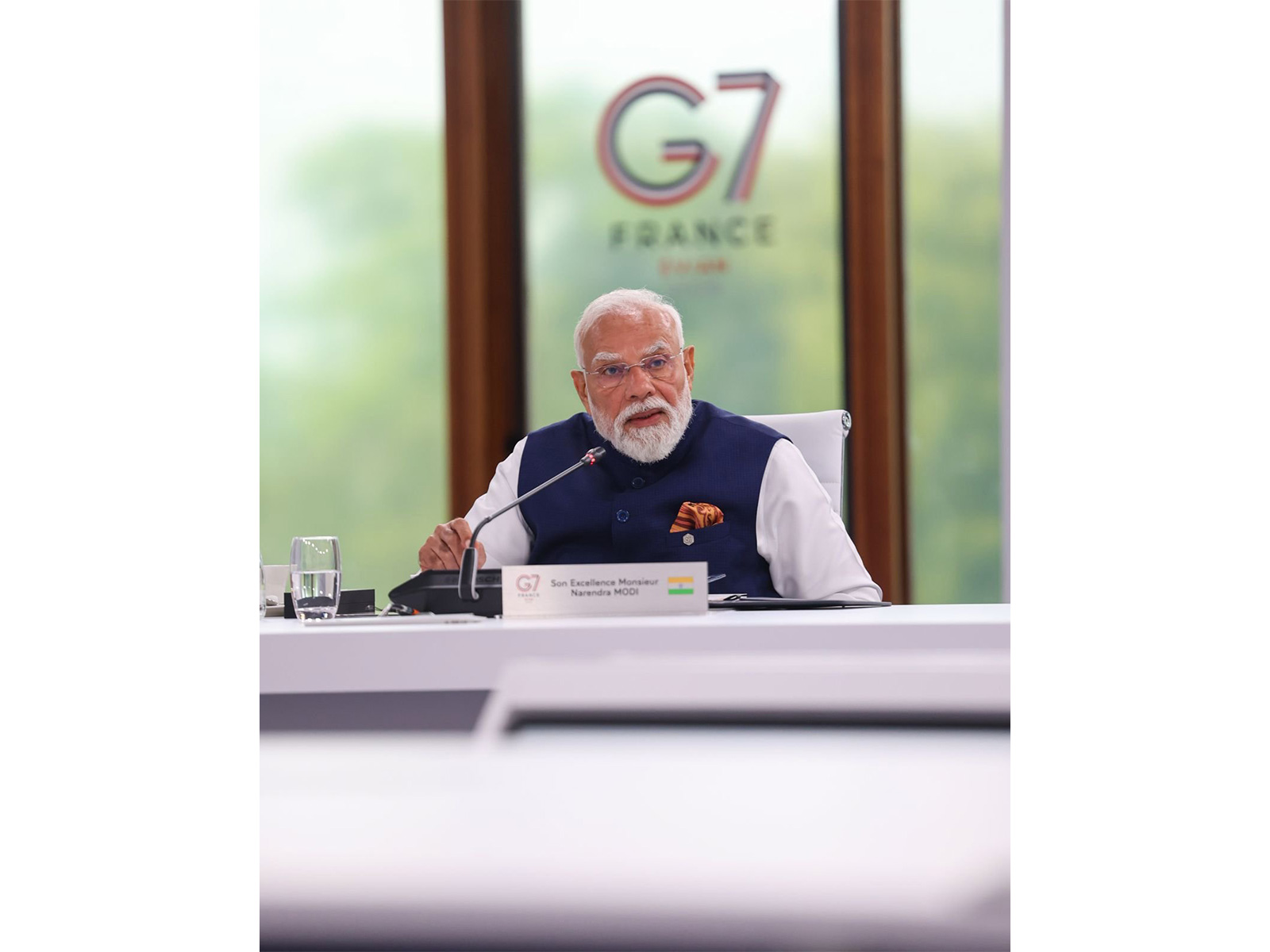
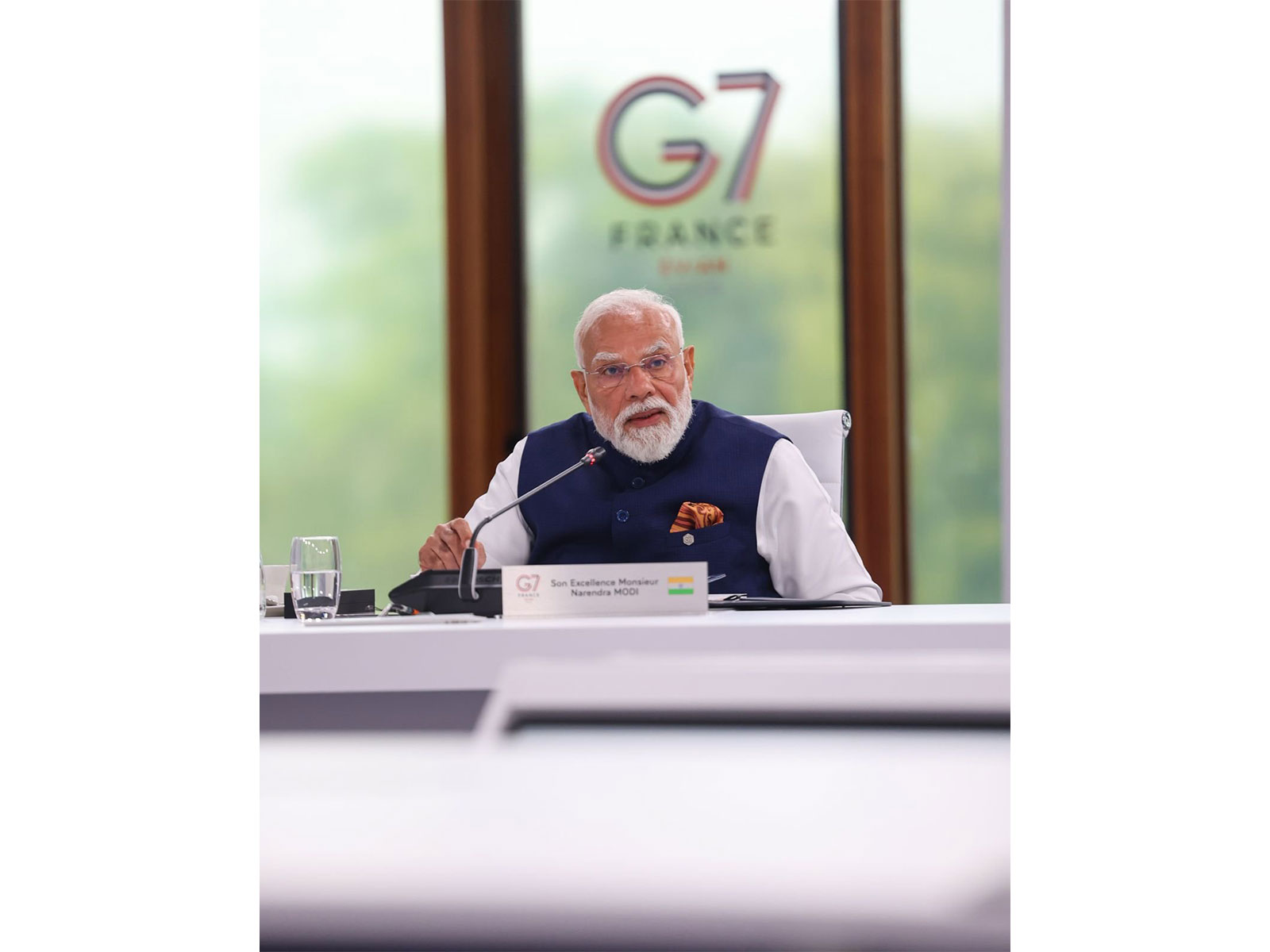
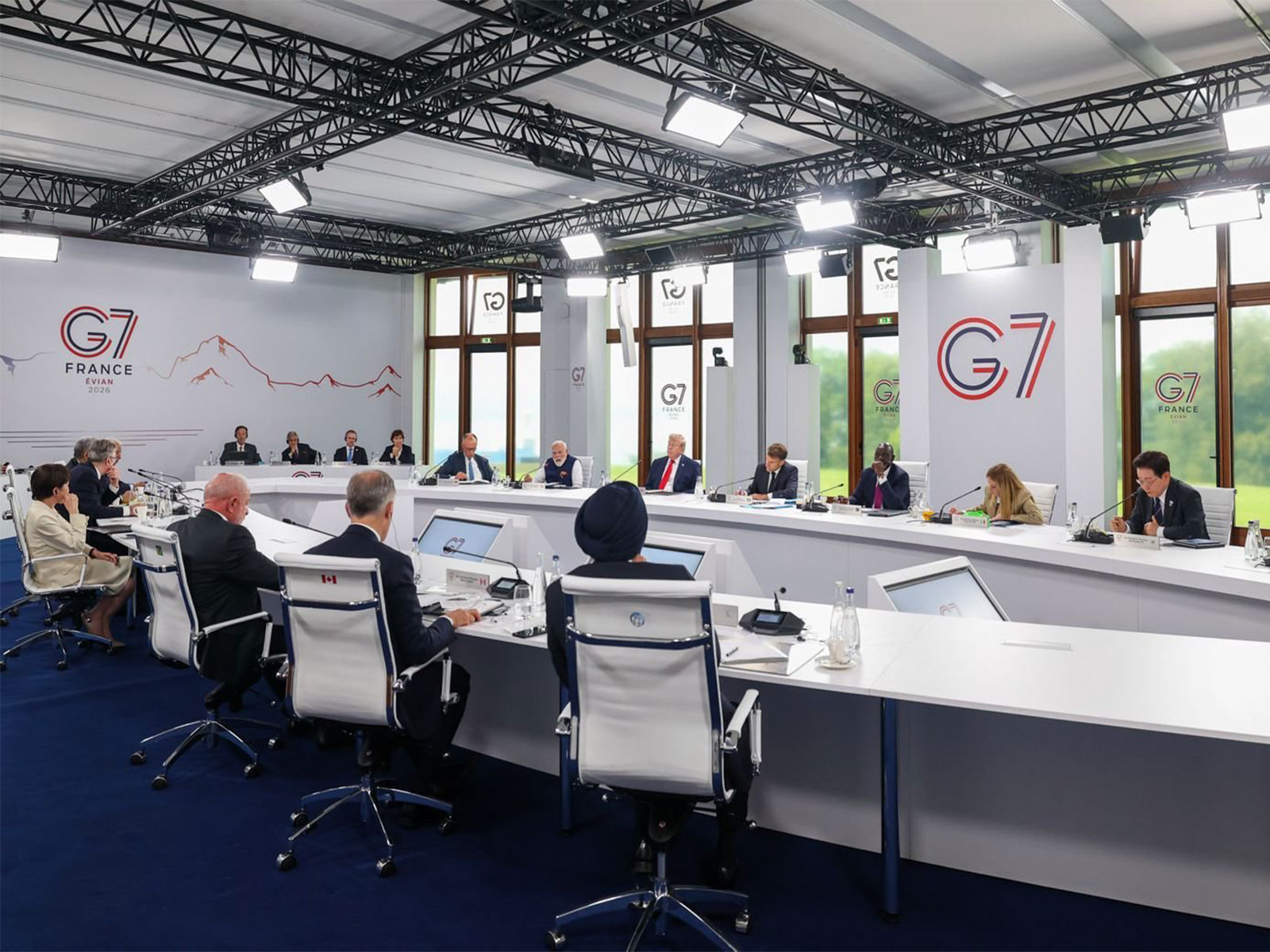
Evian [France], June 16 : In a major global health initiative, G7 leaders and partner countries, including India, on Tuesday issued a joint declaration reaffirming their collective commitment to accelerate research, deepen scientific cooperation, and ensure that advancements in oncology reach every patient.
According to the joint declaration adopted at the G7 Summit in Évian, France, partner countries Brazil, Egypt, India, Kenya, and South Korea have also extended their support to this global call to action.
Highlighting the alarming global burden of the disease, the declaration noted, "Cancer kills nearly 10 million people each year worldwide, and new cases are projected to increase by 80 per cent globally by 2050, given the ageing of the population and its interactions with environmental and behavioural risk factors, placing an ever-greater burden on societies, health systems and economies."
The leaders emphasised that improvements in access to cancer prevention, including through screening, diagnosis, and care, can and should be made. While acknowledging major scientific milestones, they stressed that progress must be accelerated by aligning research efforts and faster translation of innovation into care.
"In this regard, we welcome that such advances have brought the elimination of cervical cancer within reach, and we will accelerate our efforts to that end," the leaders stated.
To bridge existing gaps, the G7 and partner nations declared, "We are determined to deepen international scientific cooperation, close persistent gaps in prevention and early detection, and ensure that progress in oncology reaches every patient."
They committed to strengthening efforts to advance cancer research and development while acknowledging existing financing efforts and shared global responsibility.
Commending the progress achieved through international, regional, and national initiatives, the leaders noted concrete advancements in aligning cancer research programmes, strengthening collaboration between leading cancer institutes, and advancing interoperable data standards for paediatric and adolescent cancers.
Recognising that no single country possesses sufficient data to generate robust evidence across the full range of paediatric, adolescent, and young adult tumour types, the declaration outlined a framework to accelerate international data access.
Under this, the nations intend to work towards "promoting collaboration between existing data resources and programmes, where appropriate, to bridge national registries, advance interoperability standards and enable responsible cross-border data collaboration."
The leaders also pledged to support "large-scale, multi-dimensional data integration, including clinical, genomic and imaging data", utilising artificial intelligence where appropriate without the necessity for direct data transfer, while building on existing initiatives to avoid duplication and close gaps.
Addressing the high mortality rates associated with severe forms of the disease, the declaration focused on intensifying the fight against cancers with poor prognosis, calling it "one of the foremost global scientific challenges".
The nations intend to support research to establish a shared international definition and research agenda for these cancers.
Furthermore, the leaders proposed "setting ambitious targets for the roll-out of screening programmes and for the diagnosis of more cancers at stage 1, as appropriate within national health systems and country contexts, to improve survival rates for cancers with poor prognosis, and in particular to significantly reduce lung cancer mortality in the next ten years".
This will be supported by fostering innovative international research programmes and improving cooperation on clinical trials through digital technologies, artificial intelligence, and quantum research.
Finally, the G7 and its partner nations vowed to strengthen access to quality cancer care for all, recognising it as a pressing challenge.
The joint declaration committed to supporting country-led efforts to build resilient and self-reliant health systems and encouraging the development of comprehensive cancer centres as international anchors of research excellence, care quality, and education.
They also advocated for "the secure, responsible and trustworthy use of evidence-based digital technologies, artificial intelligence and quantum research to improve early detection, support clinical decision-making, strengthen palliative care and expand the reach of evidence-based care for all, while preserving patients' privacy."
The leaders stated that they "will remain engaged and review progress on these commitments", adding that the call for action reflects the outcome of discussions between G7 members, benefiting from productive exchanges of views with partner countries.