Global coal demand to rise in 2026, India consumption seen growing at 4.2% : IEA
Sep 10, 2026
New Delhi [India], September 10 : Global coal demand is set to rise further in 2026 as higher natural gas prices, geopolitical disruptions and weather-related factors support coal-fired power generation, but the outlook for 2027 could weaken if tensions in the Middle East ease and gas prices moderate, according to a new report by International Energy Agency's.
The IEA expects global coal demand to increase 1.2 per cent in 2026 to a record 8.94 billion tonnes, reversing its earlier forecast for a decline. However, if LNG flows through the Strait of Hormuz recover towards pre-conflict levels and natural gas prices settle below 2026 levels, global coal demand is projected to decline 0.4 per cent in 2027 to 8.91 billion tonnes.
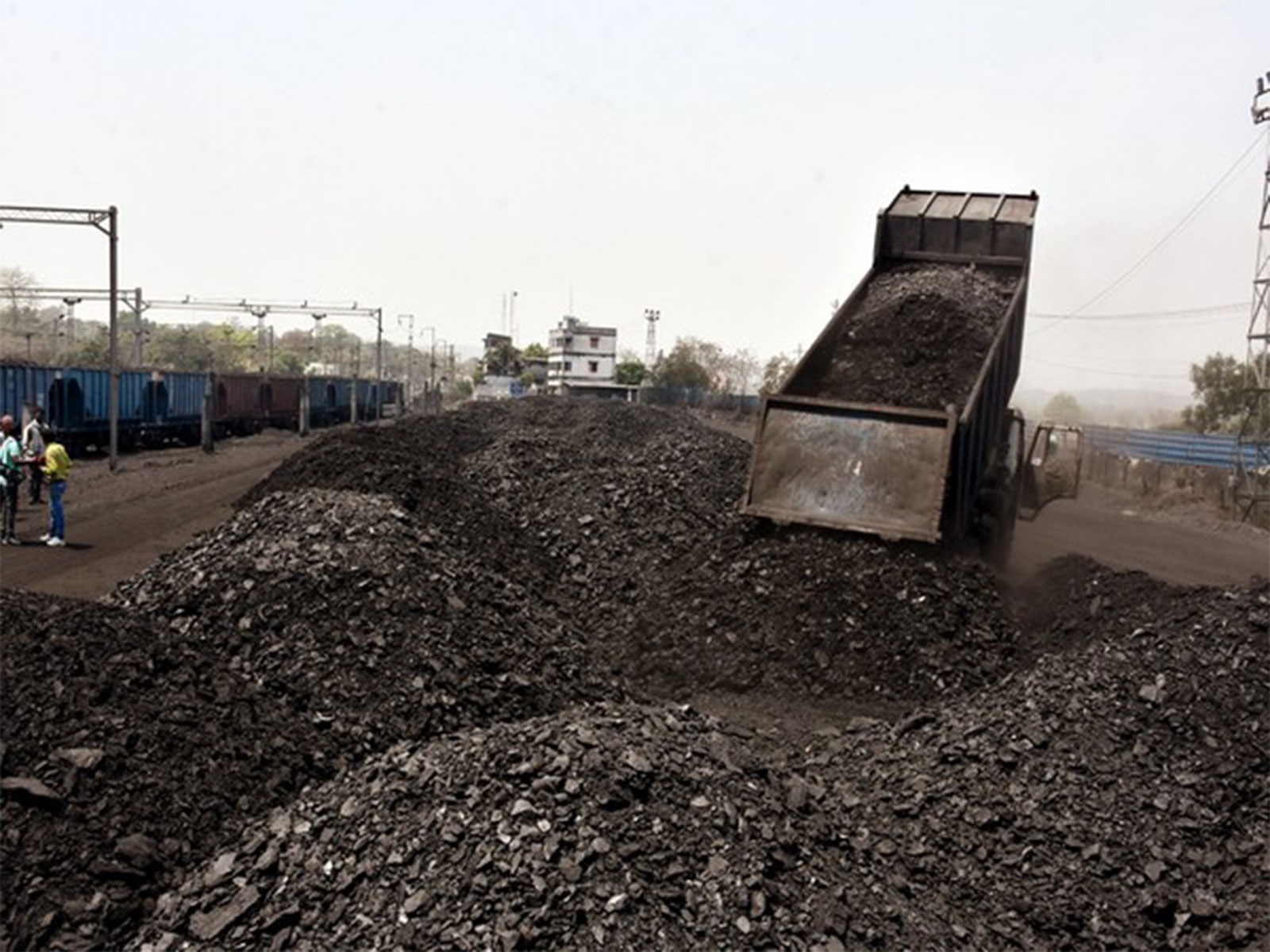
The near-term outlook is particularly positive for India, with coal demand expected to return to its historical growth trajectory after a temporary decline in 2025. The IEA expects India's coal consumption to increase 4.2 per cent to 1,353 million tonnes in 2026, supported by rising electricity demand and industrial activity. Growth in pig iron, direct reduction of iron (DRI) and cement production is also expected to support coal consumption.
Weather conditions could provide an additional boost. The IEA said El Niño could increase cooling requirements while reducing hydropower availability in parts of Asia, strengthening reliance on coal-fired generation.
On the supply side, global coal production is expected to decline 0.7 per cent in 2026 as high inventories and policy measures constrain output. India, however, is expected to record coal production of 1,095 million tonnes, supported by efforts to strengthen domestic supply and reduce import dependence. High pithead inventories have moderated production momentum, while thermal coal imports have fallen, particularly among power plants.
Coal prices have also recovered from late-2025 lows, although they remain well below the exceptional levels seen during the 2022 energy crisis. Newcastle thermal coal reached USD 136 per tonne by late August, while Australian hard coking coal touched USD 245 per tonne in July, around 30 per cent above 2025 levels.
The IEA expects global coal markets to move closer to balance, with production likely to rebound slightly in 2027. Still, the sector's trajectory will remain highly sensitive to gas prices, renewable generation, weather conditions and geopolitical developments, making the medium-term outlook more volatile despite strong demand growth in India and parts of Southeast Asia.