Global LNG prices may stay elevated through winter, raising affordability concerns for India: Jefferies
Oct 30, 2026
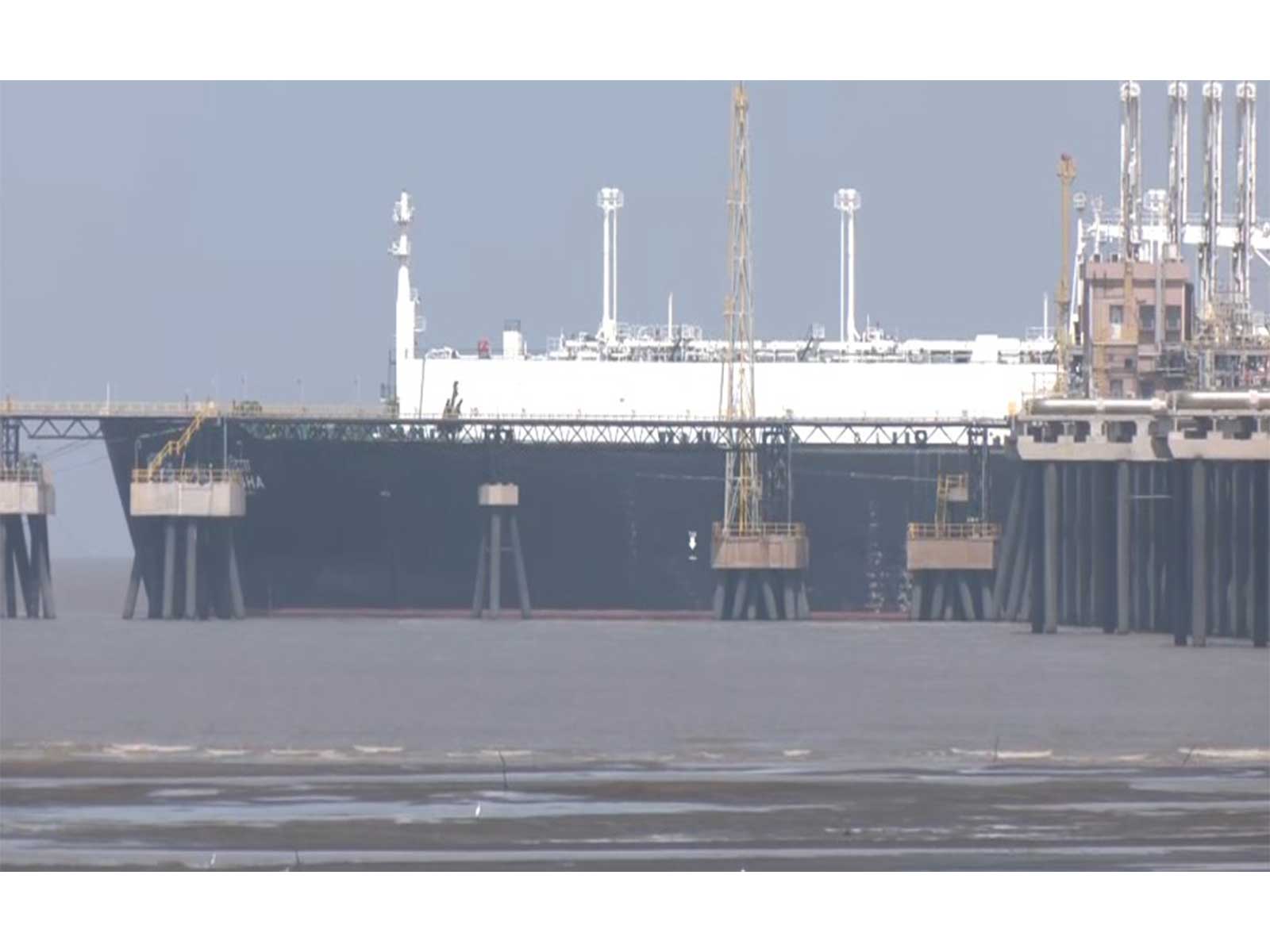
New Delhi [India], October 30 : Global liquefied natural gas (LNG) prices are expected to remain elevated heading into winter amid lower European gas storage levels, raising affordability concerns for India's domestic market, as spot LNG prices rose 6 per cent week-on-week to an average of USD 32 per million British thermal units (mmBtu), according to a report by Jefferies.
The report highlighted that European Union (EU) gas storage levels currently stand at 75 per cent, compared with 83 per cent during the same period last year, indicating tighter supply conditions ahead of the winter season.
“Domestic affordability is stretched at current prices,” the report noted, adding, “Hence, we expect gas prices to remain elevated as we head into winter.”
The report highlighted continued disruptions across global crude oil markets despite a recovery in Middle Eastern oil exports. According to Jefferies, crude oil exports from the Middle East, excluding Iran, have recovered to more than 90 per cent of pre-war levels. However, the physical crude premium increased 8 per cent week-on-week to USD 9 per barrel last week amid renewed attacks in the region.
At the same time, “Crude oil-in-transit has reached an all-time high as ship-to-ship transfers are keeping oil aboard tankers for longer and importers are opting for lengthier routes to diversify away from the ME.”
These disruptions have also kept shipping costs elevated, with freight rates remaining nearly eight times higher than levels recorded at the beginning of the conflict, despite declining 3 per cent week-on-week.
Freight costs now account for more than 25 per cent of the landed cost of crude oil, compared with just 3 per cent before the war.
“Freight rates could remain elevated in the near term with multiple attacks on oil tankers,” the report said.
For India, elevated crude prices and narrowing discounts on Russian oil are adding to the financial pressure on oil marketing companies (OMCs).
The report noted that discounts on Russian crude have narrowed significantly, with Russian Urals trading at a discount of USD 2 per barrel to Brent, compared with USD 14 per barrel at February-end. Meanwhile, the discount on Dubai crude relative to Brent widened sixfold week-on-week to USD 4 per barrel.
Against this backdrop, crude procurement costs for Indian OMCs remain broadly in line with the Indian crude basket price of USD 118 per barrel, resulting in substantial marketing losses on petrol and diesel.
“Procurement costs for OMCs are similar to the Indian crude basket price of US$118/bbl, resulting in steep losses,” Jefferies said, adding, “Current loss of petrol/diesel is Rs25/37 per lt based on 15-day average pricing.”
The report noted that Ukrainian attacks on Russian refining infrastructure have reduced Russian exports, tightening the middle distillates market. Thus, “Normalization of supply chains is likely to take time, supporting elevated margins over FY27,” it said.
Meanwhile, petrochemical supply disruptions in the Middle East have supported higher margins, with two major facilities each in Iran and Saudi Arabia suffering damage. Naphtha shipments from the Middle East to Northeast Asia also remain affected.
As a result, average petrochemical margins across polyethylene (PE), polypropylene (PP) and polyethylene terephthalate (PET) have increased 55 per cent compared with February-end levels.
According to Jefferies, “Average petchem margins (PE/PP/PET) are currently up 55% vs February-end, aiding Reliance's O2C profitability.”