Government rejects portrayal of India as "dumping ground" for global fast fashion waste
May 14, 2026
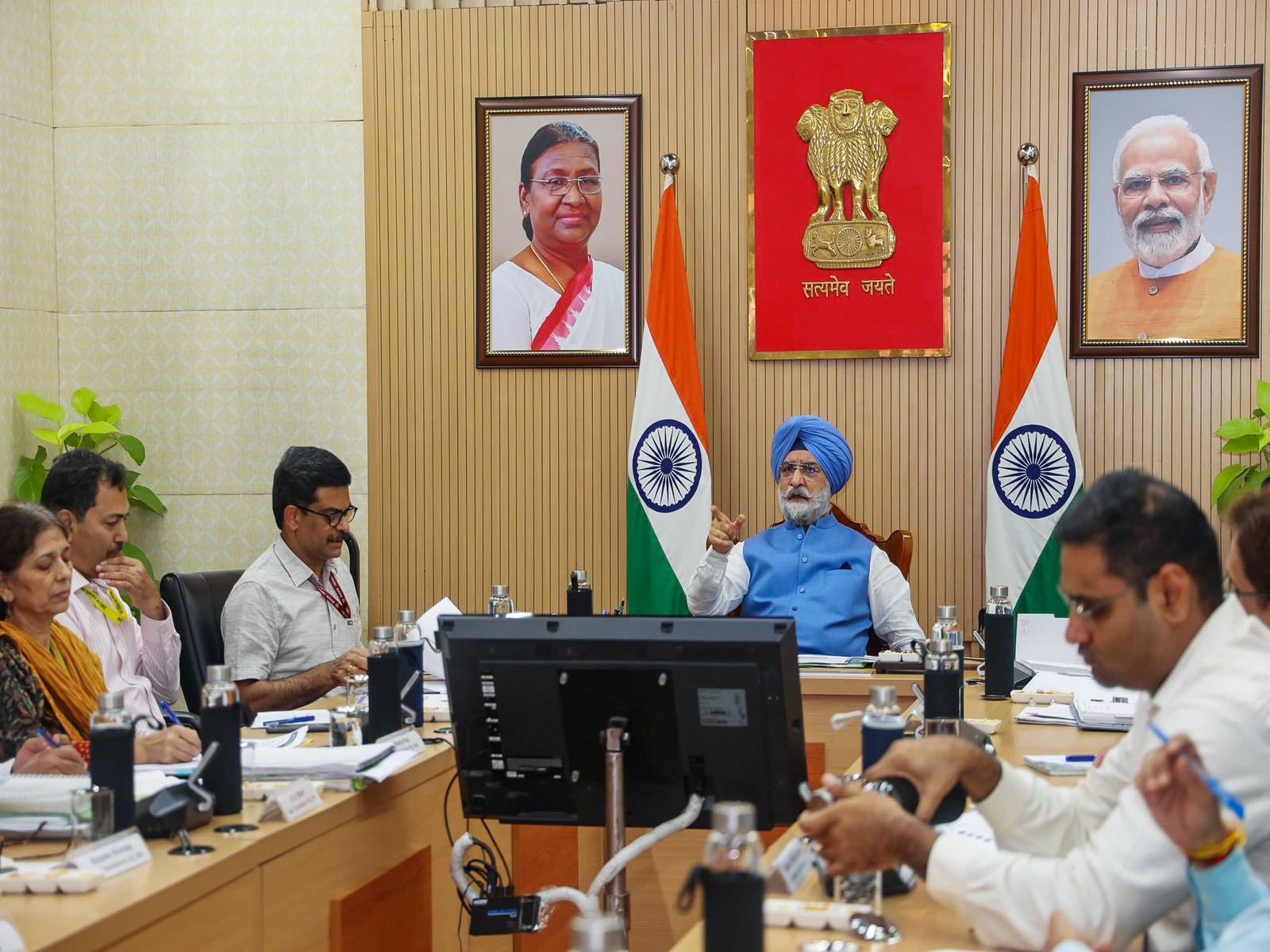
New Delhi [India], May 14 : The Government on Thursday has rejected a "misleading" portrayal of India's textile recycling sector which alleged that the country acts as a dumping ground for Western fast-fashion waste, stating that over 90 per cent of the nearly 7.8 million tonnes of textile waste managed annually originates domestically, while imported waste accounts for only around 7 per cent.
"Isolated instances of non-compliance may arise in any industrial ecosystem, broad characterization of India's textile sector as environmentally negligent or structurally exploitative is misleading, selective, and not representative of the ongoing regulatory strengthening, technology adoption and sustainability-focused interventions being undertaken across the country," the Union Textile Ministry said.
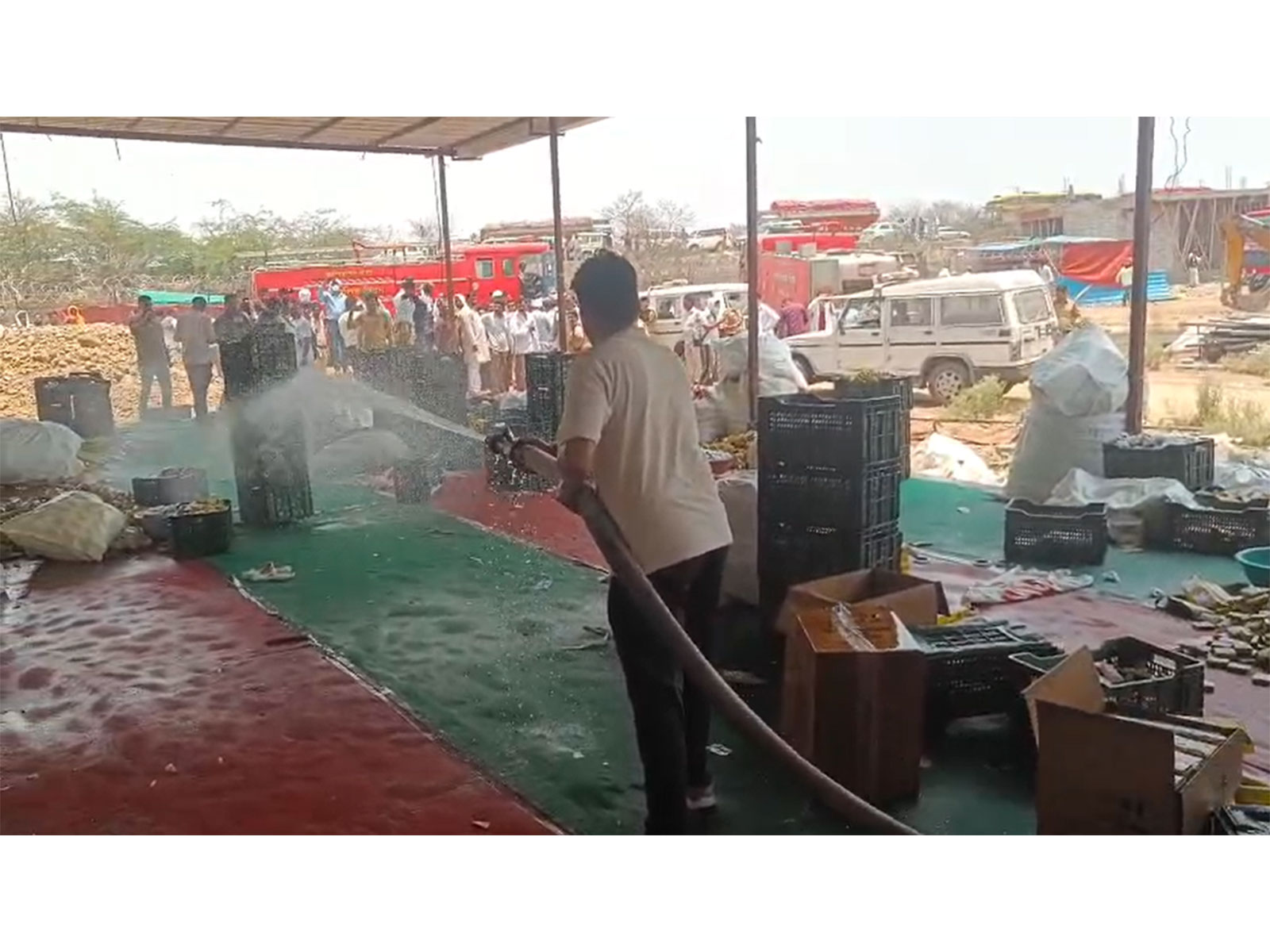
The Ministry's response came in the wake of a May 9 report by CNN on textile recycling activities in Haryana's Panipat, which purportedly highlighted alleged concerns over pollution, unsafe working conditions and the impact of global fast fashion waste on workers and the environment.
The Textile Ministry said, "While isolated instances of non-compliance may arise in any industrial ecosystem, broad characterisation of India's textile sector as environmentally negligent or structurally exploitative is misleading, selective, and not representative of the ongoing regulatory strengthening, technology adoption and sustainability-focused interventions being undertaken across the country."
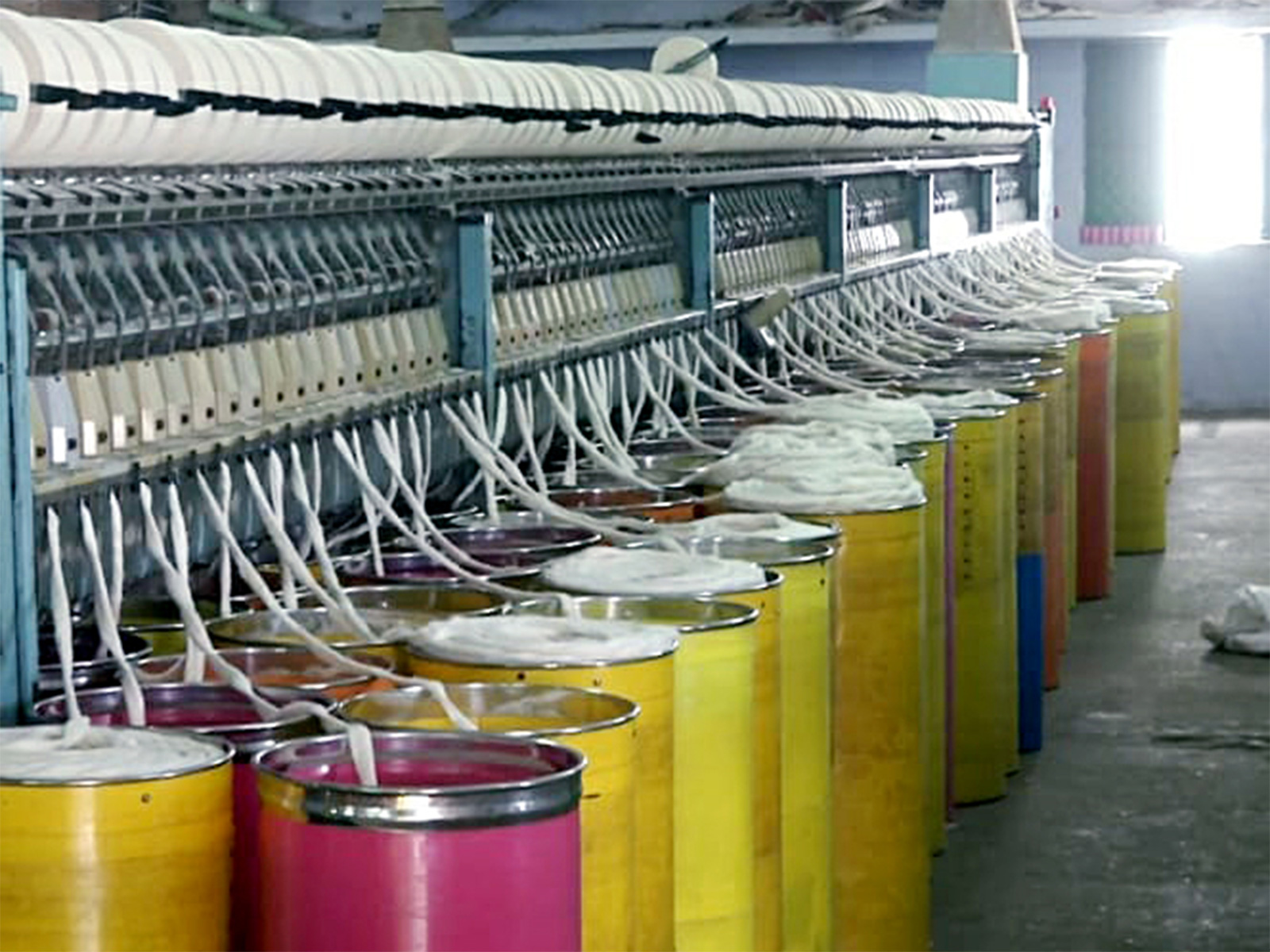
The Ministry said India has one of the world's largest textile recovery and recycling networks, supported by long-established systems for reuse, repair, recycling and repurposing of textile materials.
Unlike many countries where textile waste is largely sent to landfills, a substantial proportion of textile waste in India is recovered through formal and informal systems and reused through fibre recovery and industrial applications, the Ministry's rebuttal added.
Citing the "Mapping of Textile Waste Value Chain in India" study published in 2026, the Ministry said India generates around 7,073 kilotonnes of textile waste annually and that nearly 97 per cent of pre-consumer textile waste generated during manufacturing processes is recycled.
The Ministry also rejected claims that India primarily functions as a dumping ground for Western fast-fashion waste.
"Of the approximately 7.8 million tonnes of textile waste managed annually, over 90 per cent is sourced from domestic pre-consumer (factory scrap) and post-consumer waste. Imported post-consumer waste accounts for only approximately 7 per cent of the total volume," the statement said.
According to the Ministry, imported textile waste is regulated under the Hazardous and Other Wastes (Management and Transboundary Movement) Rules, 2016, and mainly consists of second-hand clothing and mutilated rags.
The Ministry further cited a report by Federation of Indian Chambers of Commerce and Industry (FICCI), which estimated that India's textile waste ecosystem generates economic value of around Rs 22,000 crore annually.
Referring to environmental concerns raised in the "international media report", the Ministry said Life Cycle Assessment studies conducted by researchers at Indian Institute of Technology Delhi using field data from Panipat showed that textile recycling reduced greenhouse gas emissions, fossil fuel depletion and acid rain potential by 30 to 40 per cent compared with virgin fibre production.
The Ministry said Panipat had developed into one of the world's major textile recycling hubs over several decades and supported significant downstream employment and economic activity.
At the same time, the Ministry acknowledged that concerns remained regarding post-consumer textile waste collection, handling of blended and synthetic waste, environmental compliance among smaller informal units and worker safety.
"However, such concerns need to be viewed within the context of an evolving sector that is progressively transitioning towards greater formalisation, strengthened regulatory compliance, adoption of cleaner production technologies, technological limitations in recycling blended textile waste, and adherence to higher environmental standards," it stated.
The Government said textile recycling units are governed under the Water (Prevention and Control of Pollution) Act, 1974, and the Air (Prevention and Control of Pollution) Act, 1981, and require operational consent from State Pollution Control Boards.
It added that labour welfare and workplace safety were covered under the Occupational Safety, Health and Working Conditions Code, 2020, and the Code on Social Security, 2020.
"The very fact that National Green Tribunal (NGT) and State Pollution Control Boards have initiated enforcement actions against certain non-compliant units demonstrates that India's regulatory institutions are functional and active," the Ministry said.
The Ministry also highlighted growing adoption of cleaner technologies such as dust extraction systems, zero-liquid discharge wastewater treatment plants, renewable energy integration and chemical recycling technologies in organised textile recycling units.
It pointed to Tiruppur's textile cluster as an example of large-scale adoption of zero-liquid discharge systems in dyeing and processing units.
The statement also highlighted India's efforts to recycle technical textile waste, including defence-grade fibres and aerospace composites.
According to the Ministry, the Atal Centre of Textile Recycling and Sustainability at Panipat, established by IIT Delhi under the National Technical Textiles Mission, had developed and transferred to industry a process for recycling high-performance aramid fibre waste used in bulletproof vests and protective equipment.
The Government said India's textile recycling sector continued to move towards "improved environmental performance, formalisation, and sustainability in alignment with national priorities."
CNN in its May 9 report had described Panipat as a major destination for discarded clothing from countries, including the United States, the United Kingdom and Japan. The report claimed workers in recycling and dyeing units faced health risks due to dust, chemicals and poor working conditions. The report also cited doctors and former workers who alleged long-term health impacts linked to exposure to textile dust and chemicals. The report further alleged that untreated wastewater from dyeing units was flowing into open drains and affecting nearby villages and water systems, including the Yamuna River.
However, the Centre maintained that such cases did not represent the entire Indian textile recycling sector and reiterated its commitment towards building a "globally competitive, environmentally responsible, and socially inclusive textile sector".