Govt managing ammonia, sulphur supplies to ensure uninterrupted fertiliser production: Fertiliser Dept
May 11, 2026
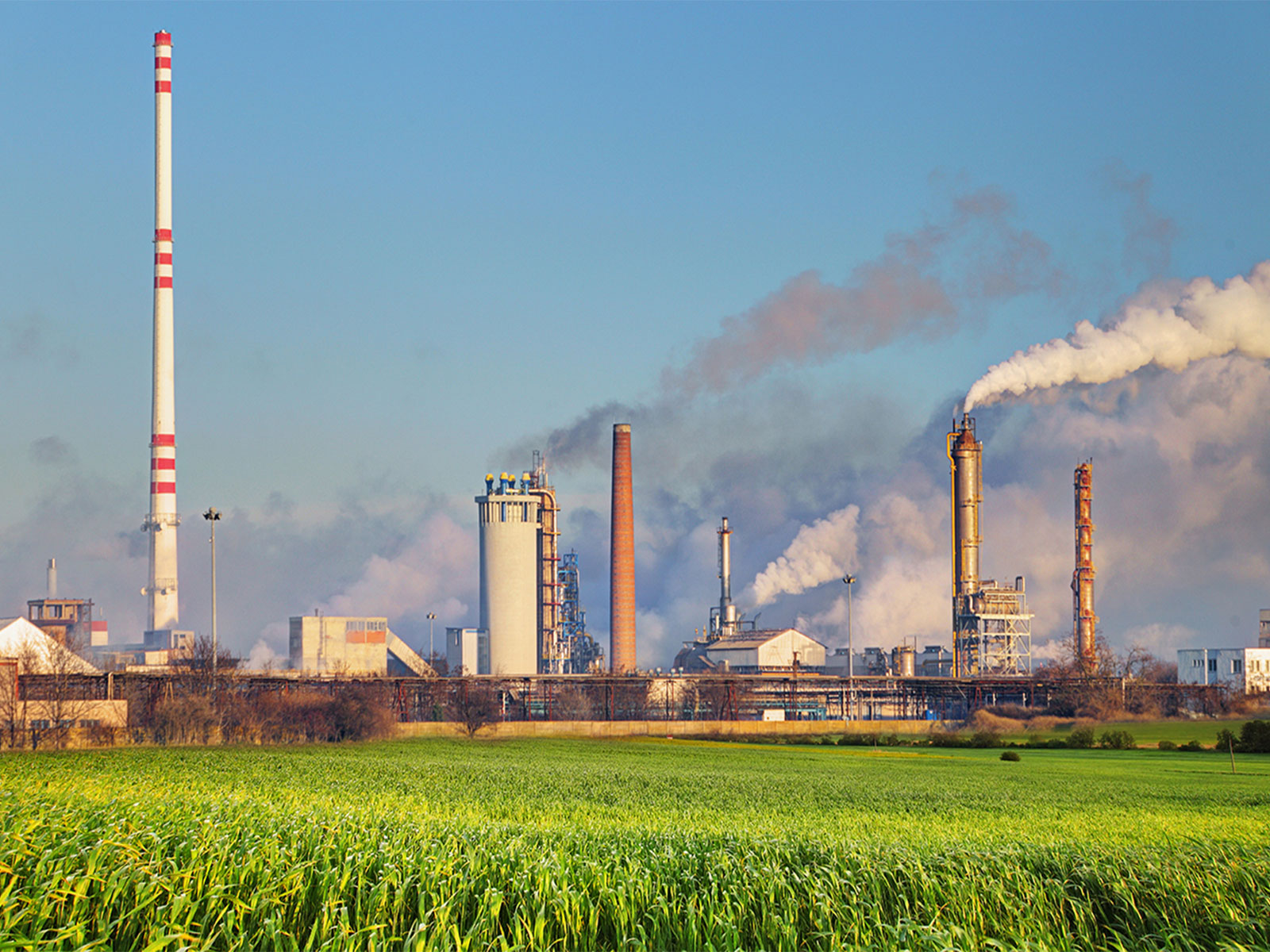
New Delhi [India], May 11 : The Department of Fertilisers (DoF) on Monday confirmed it is actively managing the supply of critical raw materials, specifically ammonia and sulphur, to prevent any disruptions in domestic fertiliser production. The move comes as regional instability in West Asia threatens the supply lines for these essential intermediates.
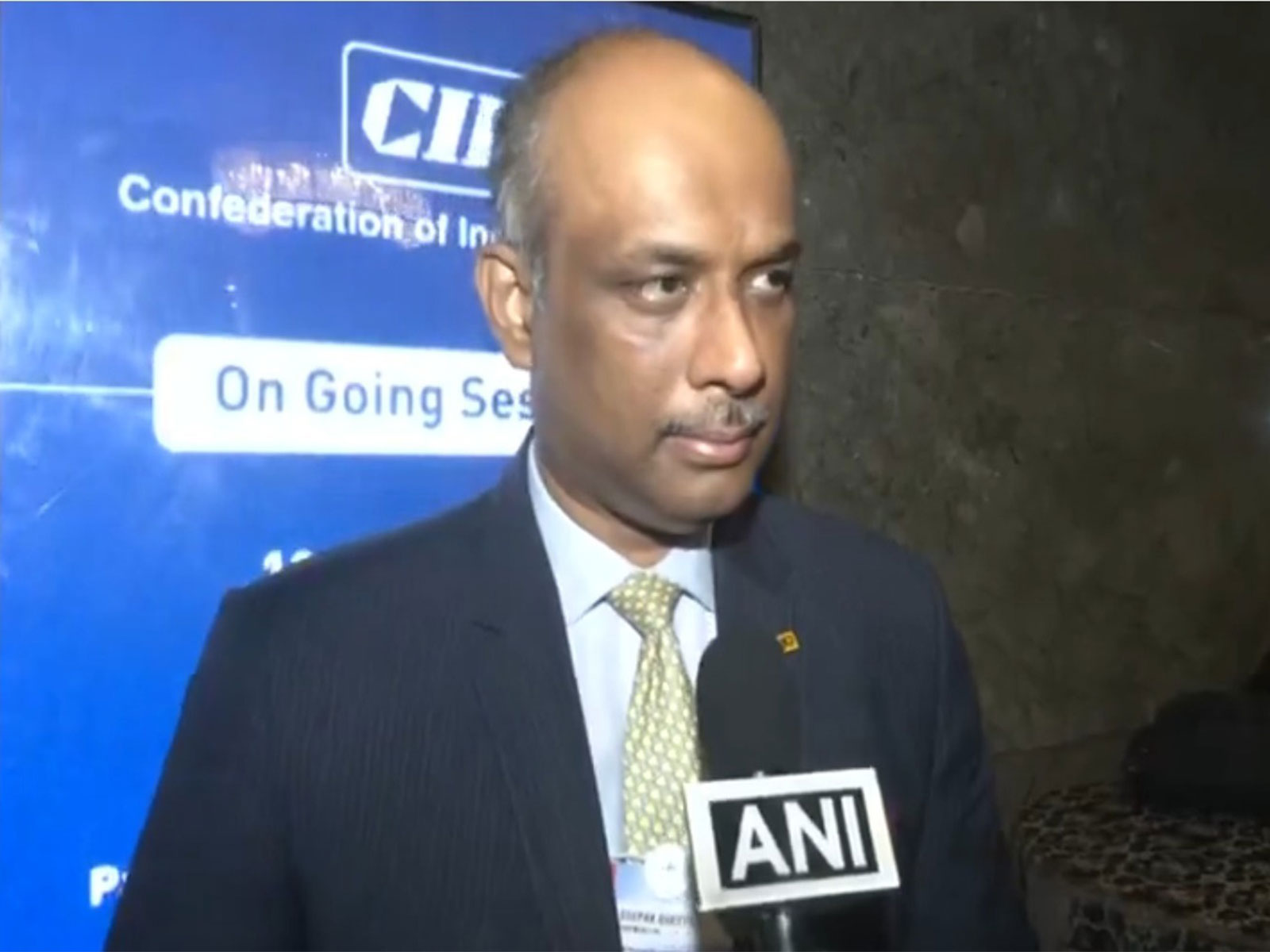
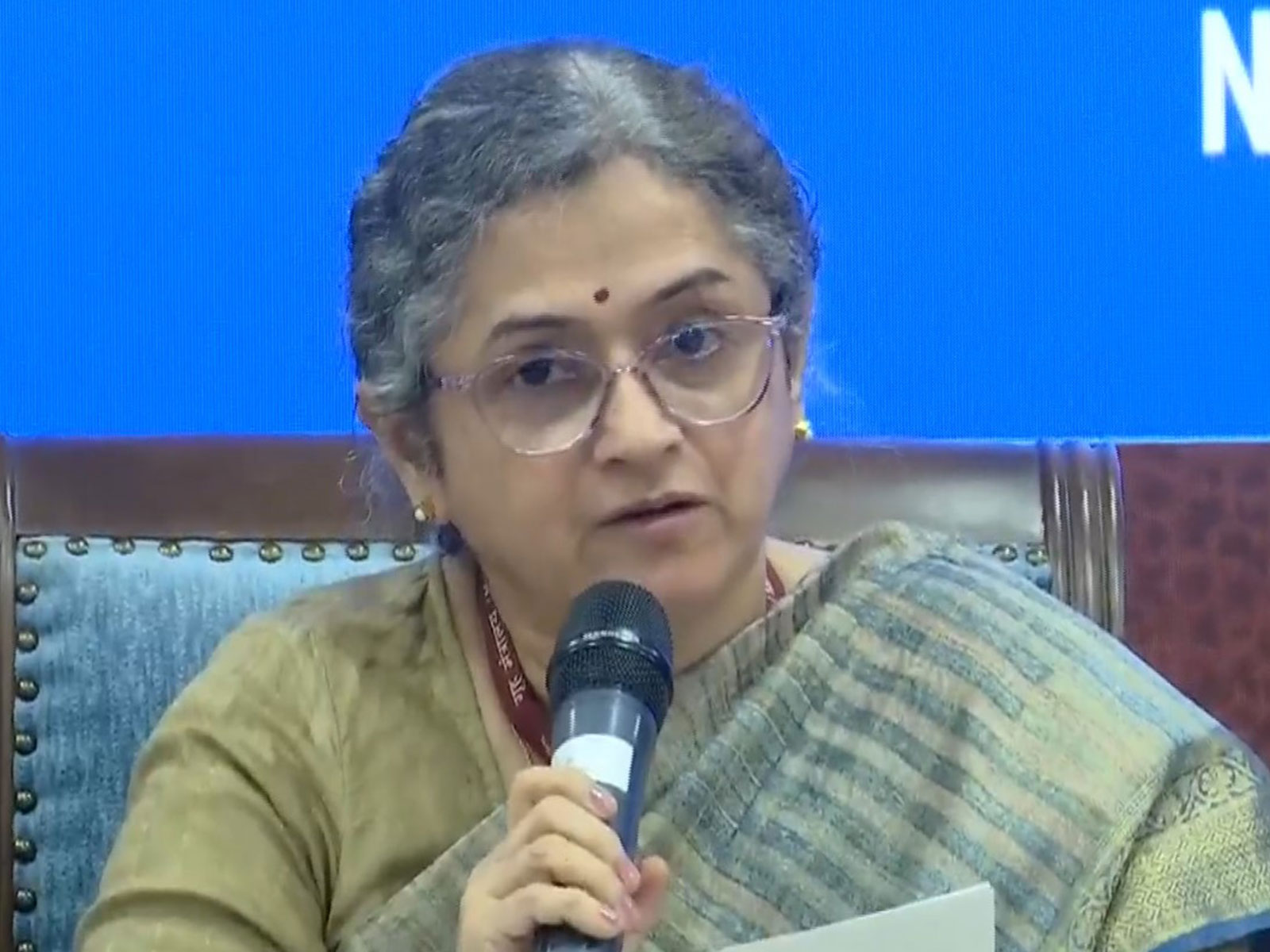
Responding to the ANI question during the Inter-Ministerial Briefing on recent developments in West Asia, Aparna S Sharma, Joint Secretary, Department of Fertilisers, said that the government is coordinating with fertiliser and oil companies to manage domestic availability efficiently.
Responding to a question regarding higher price quotations in recent ammonia, urea and phosphate tenders and expectations around shipments, Sharma said, "Regarding the availability of ammonia and sulfur, the government is doing its best to ensure the management of surplus ammonia and the production of urea."
She explained that surplus ammonia generated by urea-producing companies is being redirected for use by PNK fertiliser companies to ensure a balanced supply within the sector.
"All the PNK fertiliser companies have been asked to manage it between themselves so that the excess ammonia technically produced by the urea companies is taken by the PNK companies and suitably used," she said.
Sharma further said oil refining companies, which produce sulphur during refining operations, are also coordinating with PNK fertiliser companies to ensure sulphur availability.
"The PNK fertiliser companies have been tying up with them to ensure that they get the sulfur from those sources," she added.
Speaking about fertiliser pricing, Sharma said prices are being managed under the government's existing fertiliser policies.
She stated that the price of urea bags remains fixed under the urea policy, while DAP prices are currently fixed at Rs 1,350 per 50 kg bag under the nutrient-based subsidy framework.
According to Sharma, the government is also promoting balanced fertiliser usage across the country and has directed states to monitor hoarding, diversion and black marketing.
"There has been some panic buying initially. Our appeal is that ample stock is available," she said.
Sharma informed that around 51 per cent of the stock required for the season is already available, while additional imports and domestic production continue as scheduled.
"About 98 per cent is the gas availability, and the urea plants are running in full steam," she said.
She added that PNK fertilisers are also continuing to be produced normally within the country.
On subsidy support, Sharma said the government continues to provide financial assistance to fertiliser companies under existing policy frameworks to maintain liquidity amid rising global fertiliser prices.
"Right now, as the trend showed, the price of some of the fertilisers, like urea, has close to doubled in the market," she said.
Sharma said subsidies and concessions will continue to be paid to companies to ensure stable operations and supply.
She also highlighted that state-level interventions are underway to prevent misuse and excessive use of fertilisers.
According to Sharma, agricultural universities and the Indian Council of Agricultural Research (ICAR) are promoting balanced and alternate fertiliser usage to improve efficiency and reduce excessive dependence on chemical fertilisers.