GST Council likely to remove arrest provisions, speed up refunds
Oct 05, 2026
New Delhi [India], October 5 : The 57th GST Council meeting, scheduled for October 7, is likely to consider major compliance reforms, including removing arrest provisions under the tax regime, widening input tax credit and speeding up refunds, according to a Finance Ministry official.
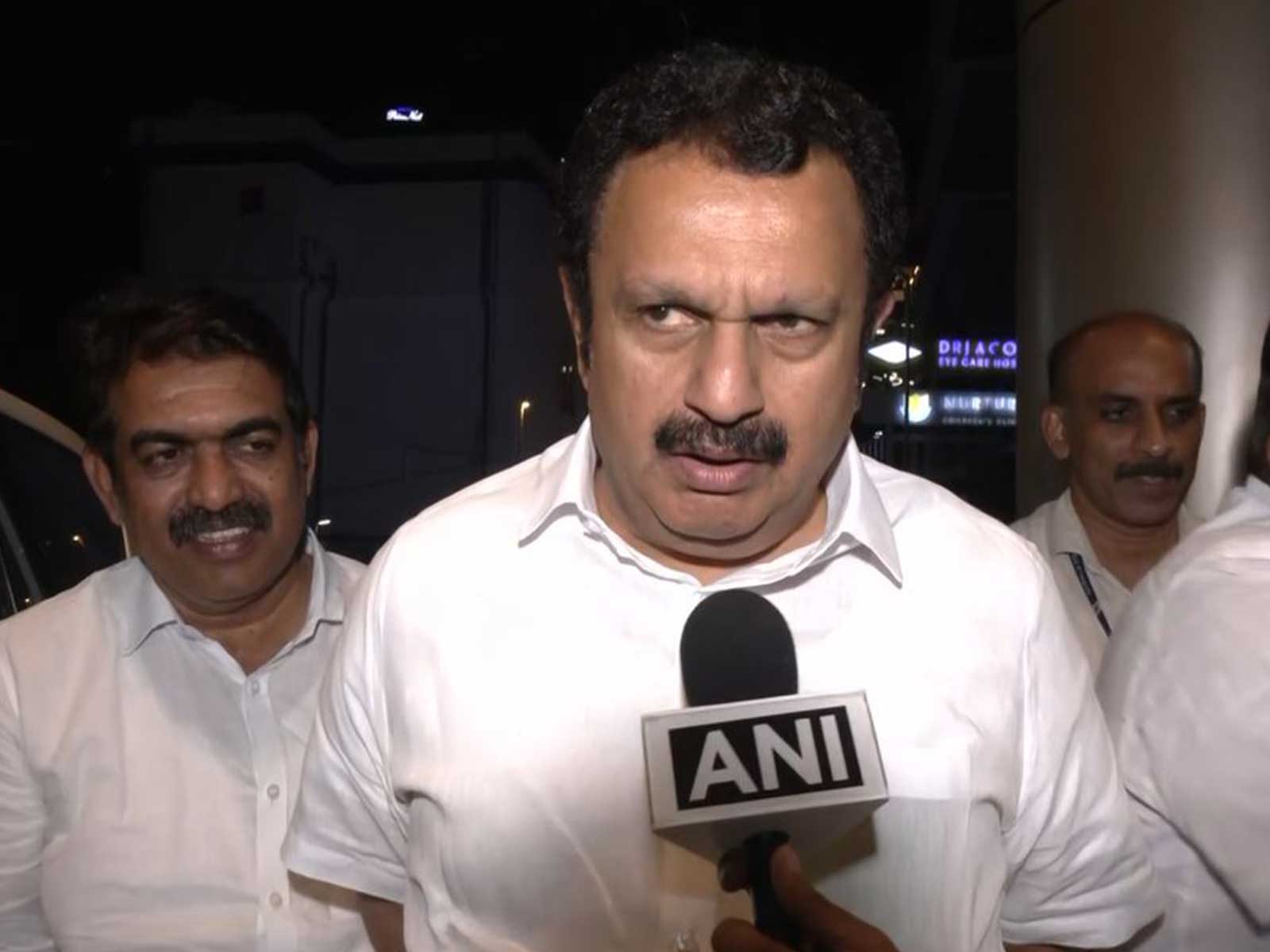
Speaking to ANI, the official said safeguards built into the law in 2017 can now be relaxed as the system has become capable of detecting irregularities more effectively.
The invoice-matching system links details reported by sellers with input tax credit claimed by buyers, while mapping input and output ledgers with summary returns completes the trail.
As per the official, “fake credit can now be spotted close to where it arises and stopped before it travels down the chain.”
On this basis, the official said arrest provisions will be removed from the law, with disputes instead addressed through recovery of tax, interest and penalties.
The prosecution threshold is also likely to be raised from Rs 1 crore to Rs 5 crore. Nine offences are expected to be fully decriminalised and one partially decriminalised, while penalties for 24 offences could be eased and 11 retained. The minimum jail term is also likely to be removed, with a fine available as an alternative in all cases.
As per the official, “5th GST Council meeting will also give some relief to honest buyers.” A buyer holding a valid invoice and having paid the supplier will be allowed to retain input tax credit even if a supplier further up the chain defaults, with recovery proceedings directed against the defaulter. However, action will continue against buyers found to have knowingly participated in fraud.
Input tax credit is also likely to be extended to several categories where it is currently blocked, including health and life insurance purchased by employers for employees, vehicles with seating capacity of up to 13 people and related insurance, servicing and leasing, telecom towers, pipelines laid outside factories, free samples, and goods destroyed upon expiry where required by law.
On refunds, tax paid on services and plant and machinery is likely to be eligible for refunds, with refunds on plant and machinery spread over five years. Refund claims will be acknowledged within 10 days and deemed acknowledged if the officer fails to act within the stipulated period. Following a risk assessment, 90 per cent of the claim is expected to be released automatically, with the balance paid after verification.
The GST Council is also likely to decide that no show-cause notices will be issued for amounts below Rs 10,000, with the relief extending to pending cases. Officials said around 11.3 lakh such notices have been issued since 2017.
The Council is also likely to give in-principle approval to an optional annual return with quarterly tax payments for taxpayers with turnover of up to Rs 5 crore who supply only to unregistered persons. Late fees for small taxpayers are also expected to be waived.
Meanwhile, registration under the automatic route will continue to be completed within three working days. The route currently accounts for 61 per cent of all GST registrations. As per the official, “exporters are also set to get benefit from the Council decision.”
Supplies billed through an exporter’s own overseas branch are also likely to qualify as exports. Job work carried out in India on goods belonging to a foreign client, as well as goods sold to an overseas buyer but delivered to a Special Economic Zone (SEZ) on the buyer’s instructions, are also expected to be treated as exports.
A provision restricting refunds for exporters who availed duty concessions on inputs is likely to be given retrospective relief, effectively treating the restriction as if it had never existed.
Small e-commerce sellers may also be allowed to use a platform’s warehouse as their place of business in other states after completing a one-time verification in their home state.
Goods in transit are likely to be stopped only on the basis of specific information and with prior approval from a senior officer, with such action restricted to authorities in the state of origin.
Input tax credit is also likely to be allowed on hotel rooms costing up to Rs 7,500 per night, restaurant and catering services, and fitness services when purchased for resale in the same line of business.
The Council is also expected to add seven more rare diseases to the exemption list for imported drugs, the official noted.