Head blow presupposes gravest offence: SC directs Delhi police to add 'Attempt to Murder' in lawyers' assault
Jul 16, 2026
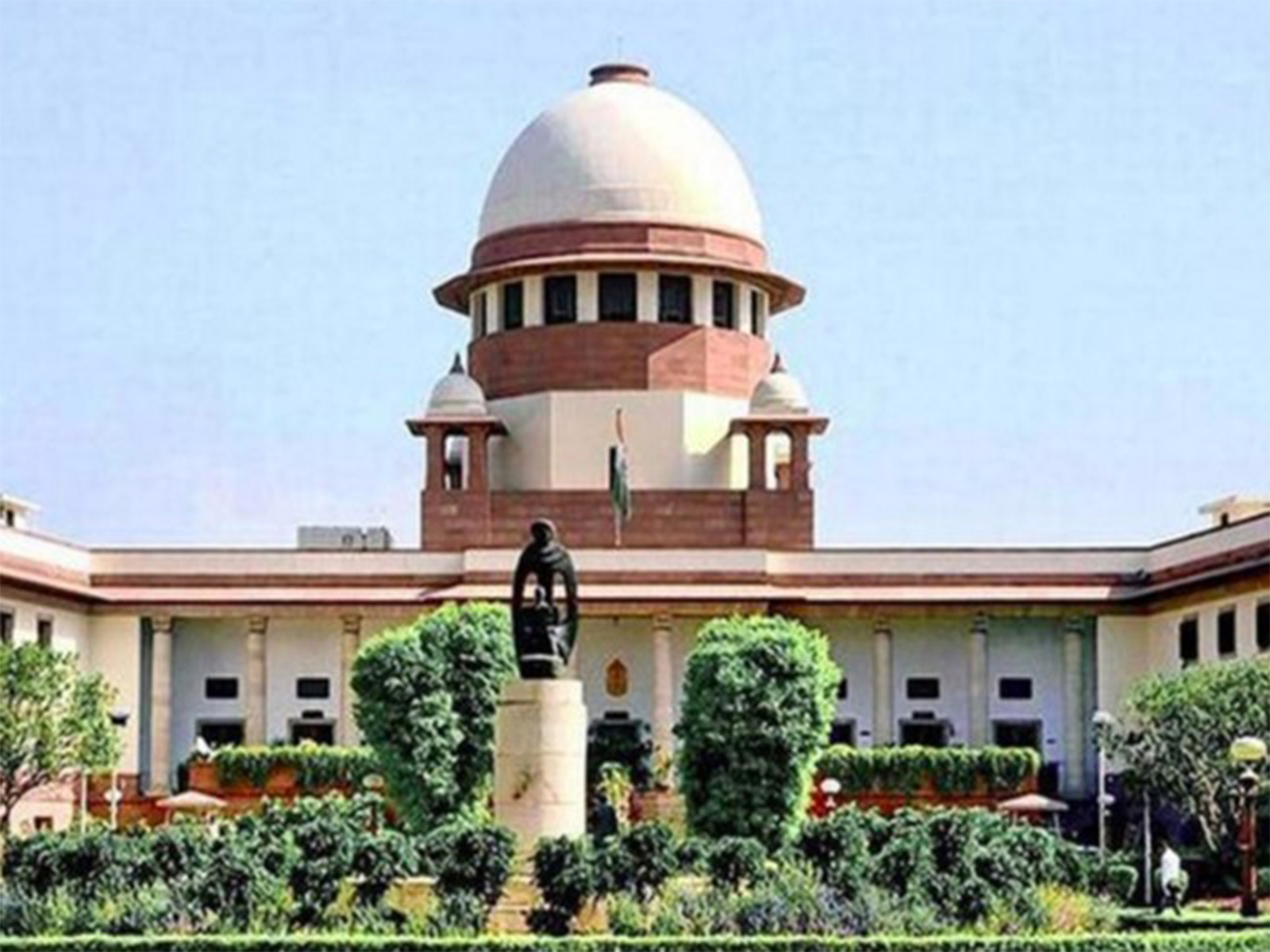
New Delhi [India], July 16 : Observing that an injury inflicted on the head must initially attract the gravest offence until the investigation establishes otherwise, the Supreme Court on Thursday directed the Delhi Police to add the offence of attempt to murder to the FIR registered in connection with the alleged assault on Supreme Court advocate Pankaj Sharma.
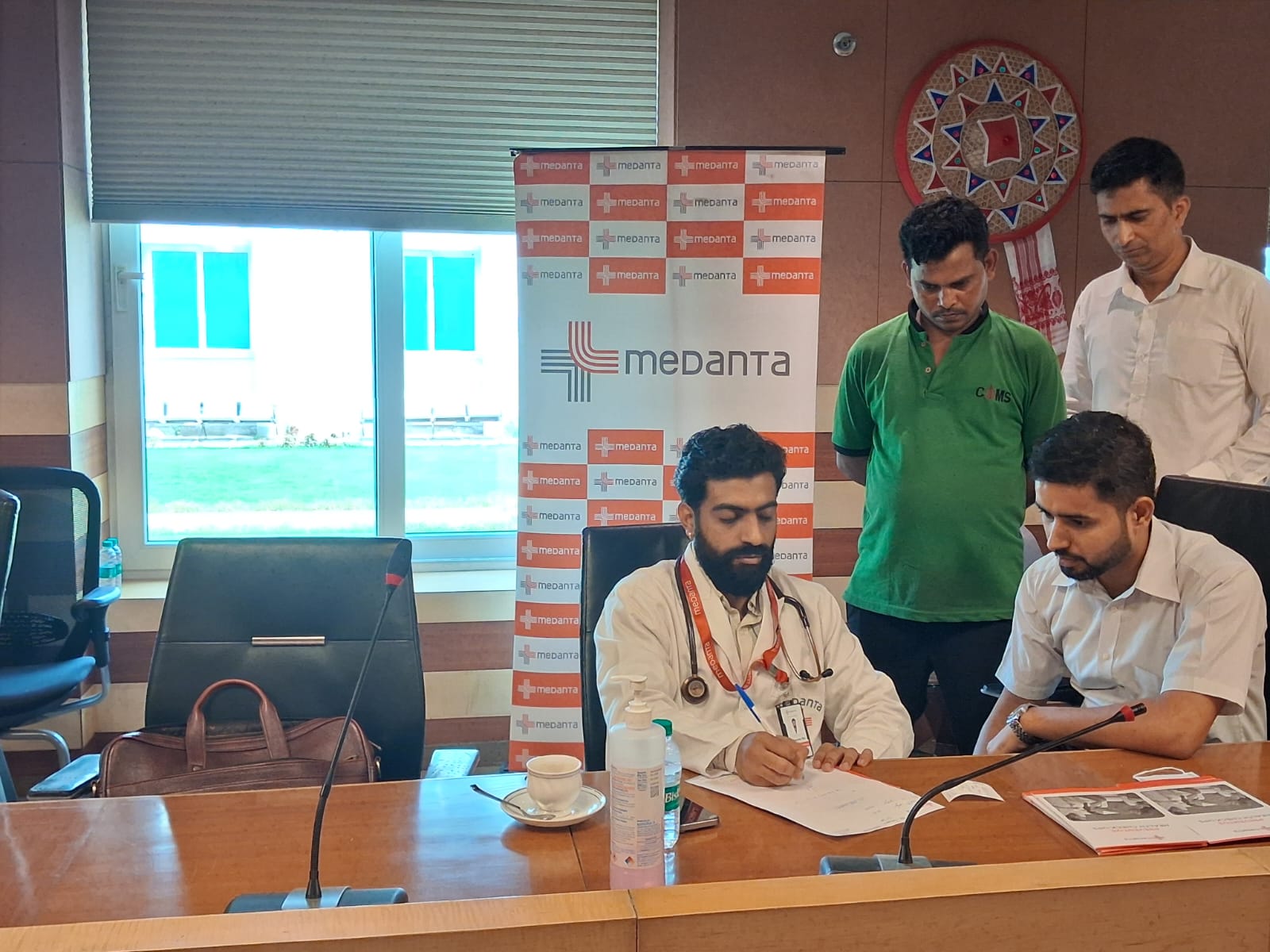
The victim's lawyer has allegedly inflicted an injury to the head, which has resulted in eight stitches in the medical treatment.
The Court also ordered that the investigation be transferred from the local police to the Delhi Police Crime Branch, taking note of allegations that attempts were being made to pressure the victim into settling the matter.
A bench led by the Chief Justice of India (CJI) Surya Kant and consisting of Justices Joymalya Bagchi and V. Mohana passed the directions while hearing the victim lawyers' plea:
Noting the nature of the injuries, the Court said that the investigating agency should invoke the offence of attempt to murder and of grievous hurt under the Bharatiya Nyaya Sanhita (BNS) at this stage, and leave it open to alter the charges later, depending on the forensic evidence collected during the investigation.
"Taking into consideration the nature of injury and the vital part of the body, it seems to us that an offence like attempt to murder shall be incorporated into the FIR, subject to the final outcome of the investigation," the Court ordered.
It further directed the Commissioner of Police to entrust the investigation to the Crime Branch after the petitioner alleged that he was being pressured to arrive at an amicable settlement.
The Court also verbally explained the manner in which investigating agencies should deal with assault cases that involve head blows.
Justice Joymalya Bagchi observed that where an assault results in an injury to the head, the police should initially proceed on the footing that the most serious offence may be attracted, before obtaining medical and forensic evidence.
"In head injuries, what Courts have done and do is that they direct police to presuppose the highest offence. The issue with the head is that the criteria under the grievous hurt provisions, that has 7-8 factors, are not easily applicable. Hence, it must be given the widest interpretation before forensic examination. After the forensic report, they may lessen the offence and may even treat it as an accident", the Judge explained.
The judge added that the seriousness of such cases does not depend solely on the extent of the injury, as it is not easy to assess the damage or gravity of the injury when the same is to a vital part, the head.
Senior Advocate and SCBA (Supreme Court Bar Association) President Vikas Singh, appearing for the petitioner, submitted that the investigation had not reflected the seriousness of the allegations. Referring to the polices' status report, he contended that there were attempts to compel the petitioner to settle the dispute.
Senior Advocate Vikas Pahwa submitted that the accused, who is the president of a Resident Welfare Association, was allegedly receiving protection from the local police. Senior Advocate Siddharth Dave also appeared during the proceedings and informed the Court that the victim is a practising advocate before the Supreme Court.
Appearing for the Delhi Police, Attorney General of India (AGI) R. Venkataramani submitted that he had advised that the injured advocate be taken to a government hospital immediately and that a medico-legal examination be conducted to accurately determine the nature of the injuries.
"I had said he should be taken to a government hospital and that a medico-legal report should be prepared so that the injuries could be properly assessed. I acted in his best interest," the Attorney General submitted.
Responding, Senior Advocate Vikas Singh argued that the Attorney General, given the office he holds, ought to have done more in the circumstances.
During the hearing, the CJI noted that the allegation involved the use of a sharp object. The Attorney General, however, submitted that the accused had taken the stand that the injuries were caused after the victim brushed against a wall, making a medico-legal examination necessary to ascertain the true nature of the incident.