Higher fertiliser subsidies expected to revive complex fertiliser demand, ease pressure on manufacturers: Report
Nov 13, 2026
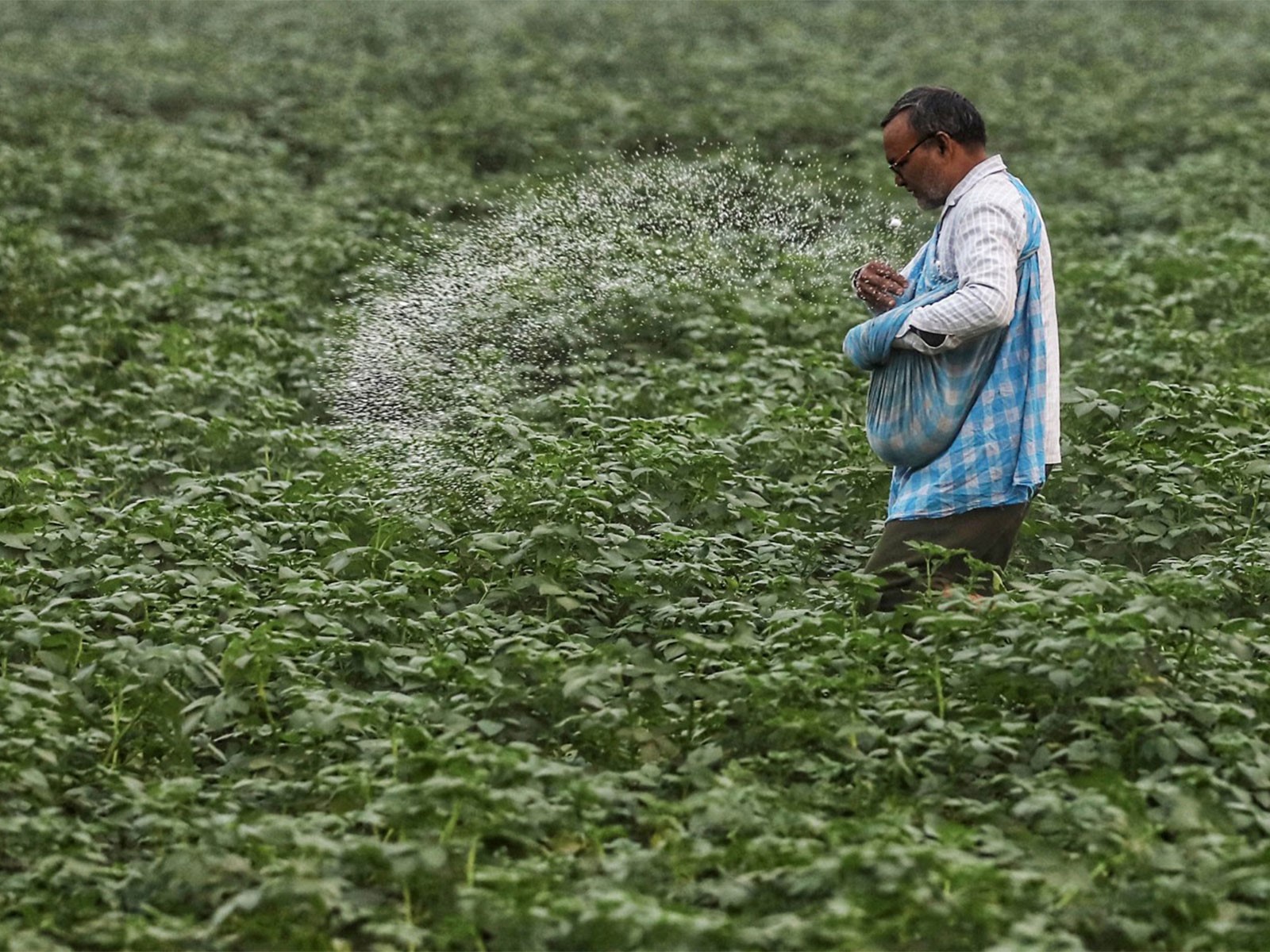
New Delhi [India], November 13 : Higher government subsidies on fertilisers for the ongoing Rabi season are expected to make nutrient-based fertilisers more affordable for farmers, revive demand for complex fertilisers and improve the financial position of domestic manufacturers, according to a report by Dolat Capital.
The report said the revised subsidy rates could help correct the price difference between Di-ammonium Phosphate (DAP) and complex fertilisers, which had led farmers to increasingly prefer DAP over other fertiliser varieties.
The Union Cabinet on Wednesday has approved a total subsidy outlay of Rs 62,400 crore for the six-month Rabi season, from October 1, 2026, to March 31, 2027. This represents a 64 per cent increase from Rs 38,000 crore in the corresponding period last year.
Under the revised Nutrient Based Subsidy (NBS) scheme, the government has increased support for nitrogen by 119 per cent year-on-year to Rs 94.21 per kg, phosphorus by 38 per cent to Rs 66.11 per kg and sulphur by 263 per cent to Rs 10.42 per kg. The subsidy on potash remains unchanged at Rs 2.38 per kg.
Explaining the need for the revision, Dolat Capital said, "while DAP retail prices remained pegged at Rs
1,350/bag, retail prices of complex fertilisers such as NP 20:20 increased to around Rs 2,100/bag, making DAP significantly more attractive to farmers on a relative price basis"
It resulted in a shift in the industry's traditional nitrogen-phosphorus-potassium (NPK) to DAP sales mix from 60:40 to 30:70. NPK fertilisers supply three essential nutrients required for plant growth.
Consequently, industry-wide sales and consumption of NPK fertilisers declined by around 40 per cent during the second quarter, the report said.
The revised subsidies are expected to give manufacturers room to reduce retail prices of complex fertilisers.
"While the revised rates should provide relief from the margin pressures experienced during Kharif, the extent of earnings recovery will ultimately depend on how effectively the improved subsidy structure translates into higher volumes and sustainable unit economics," Dolat Capital said.
The report also estimated the total NBS subsidy requirement for FY27 at around Rs 1.04 lakh crore, nearly 92 per cent above the Rs 54,000 crore budgeted for the year.
The report further said that the pace of recovery will depend on retail price reductions, raw material costs and the extent to which subsidy benefits are passed on to farmers.