Himachal: Former Union Minister Anand Sharma alleges SIR violates voters' rights, calls for scrapping exercise
Oct 19, 2026
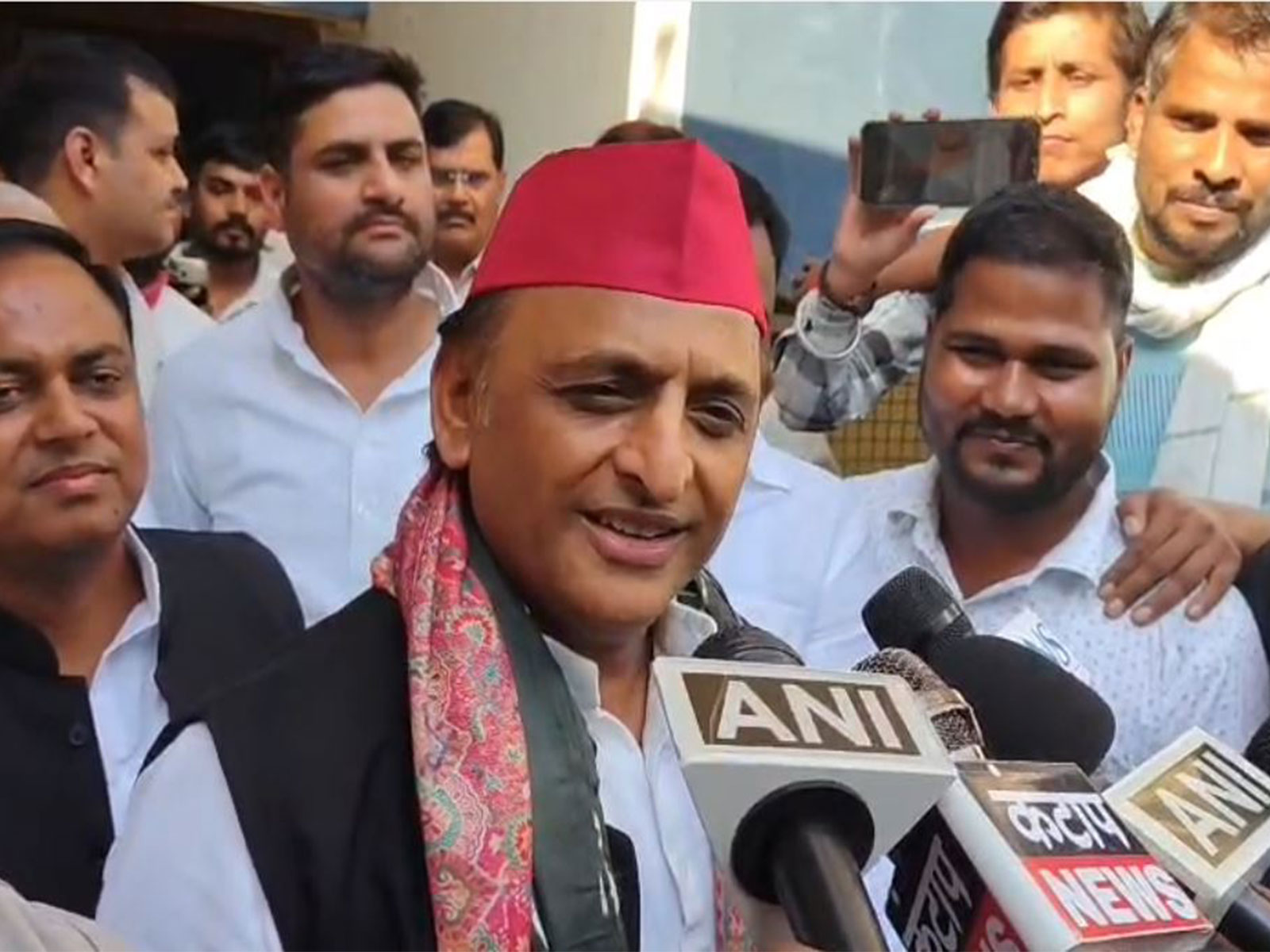
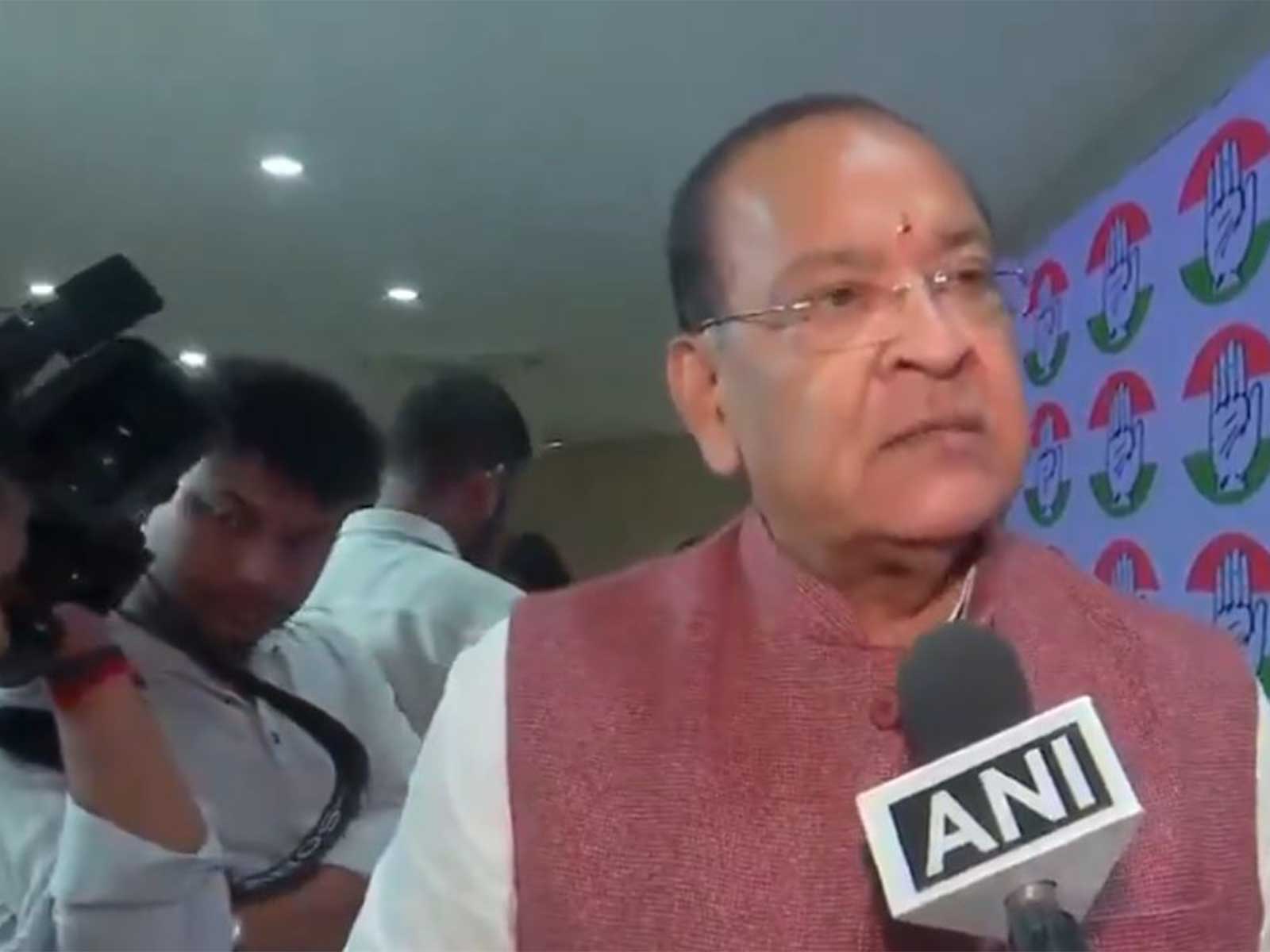
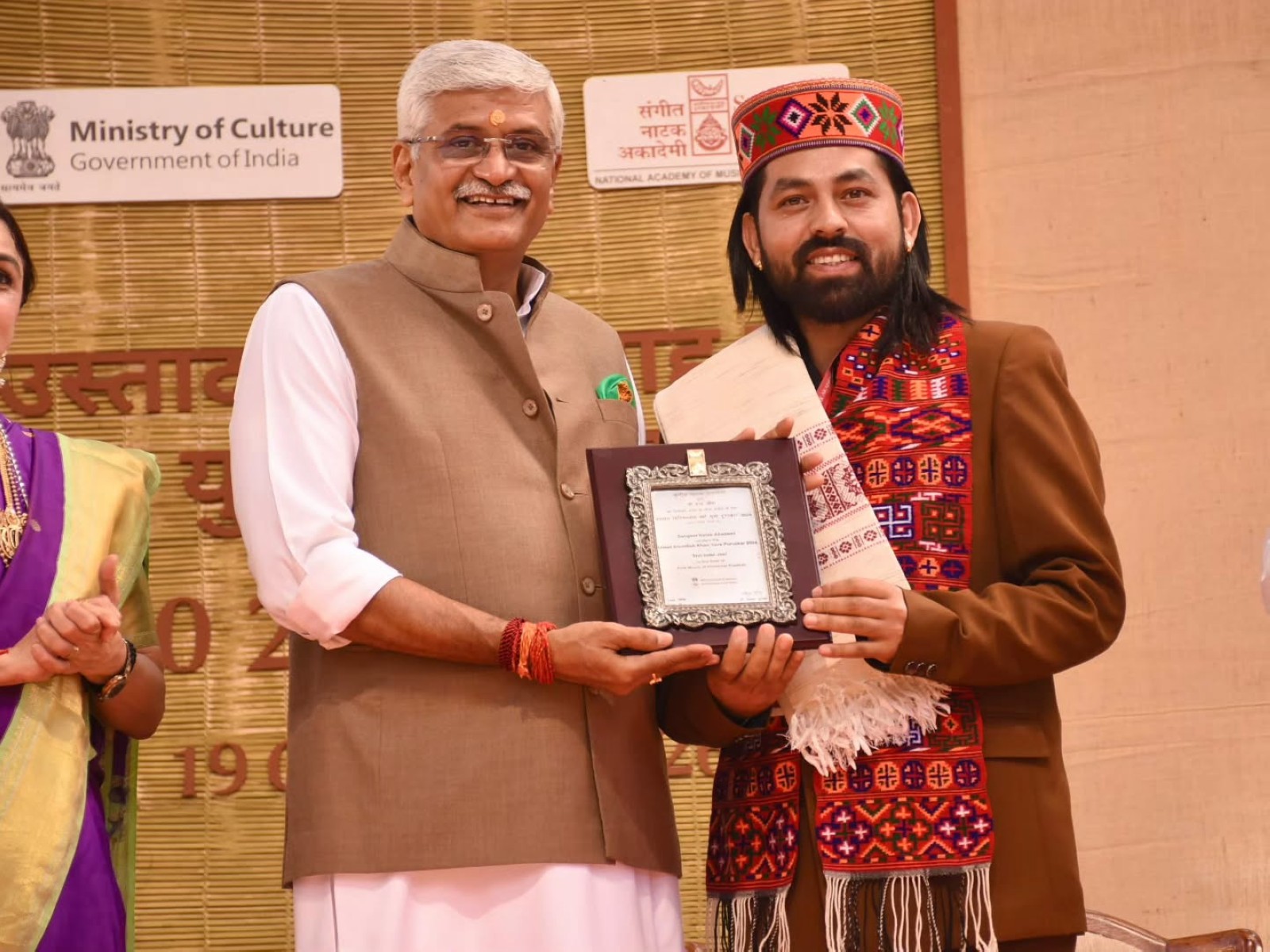
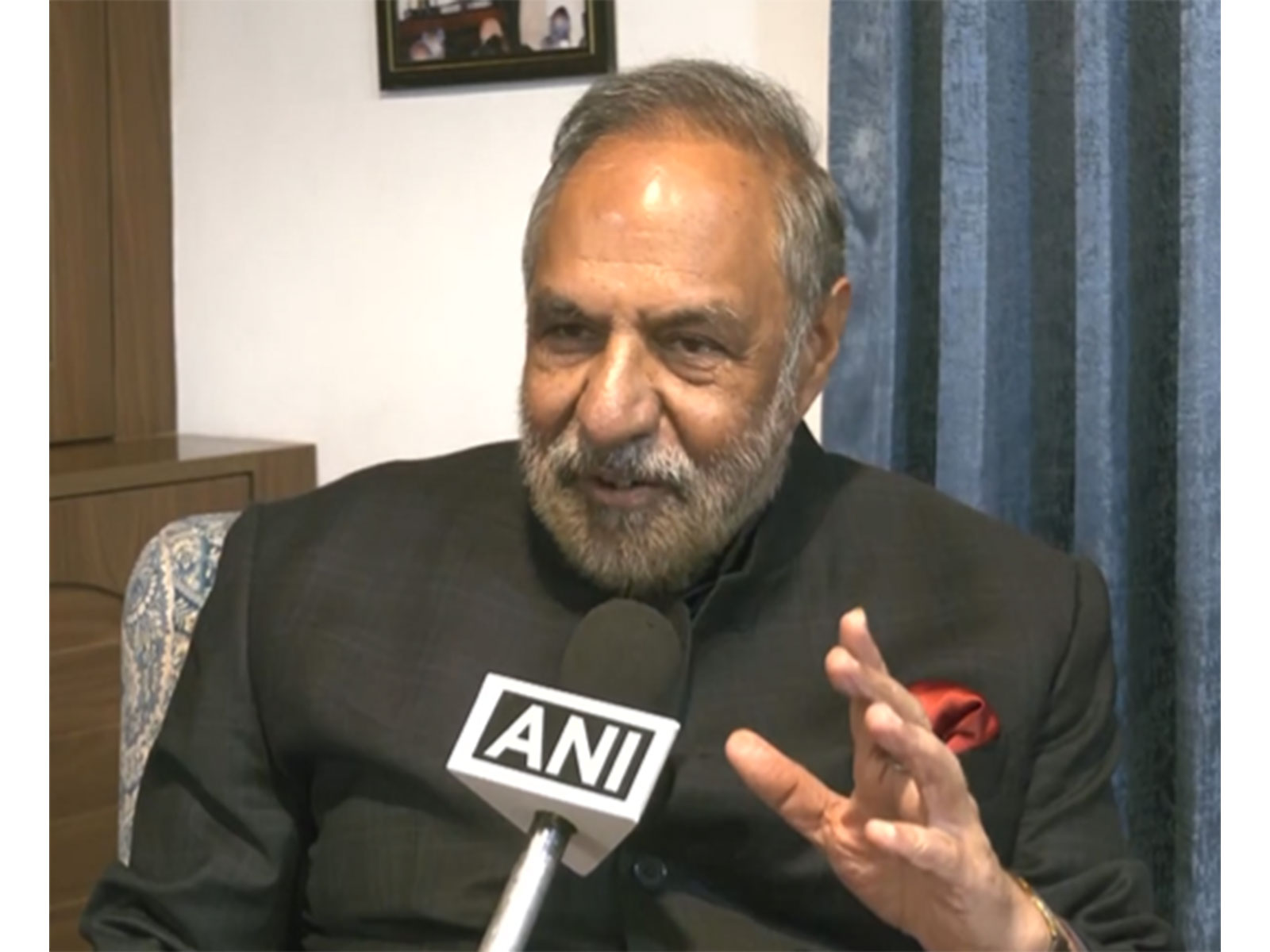
Shimla (Himachal Pradesh) [India], October 19 : Former Union Minister and senior Congress leader Anand Sharma on Sunday alleged that the ongoing Special Intensive Revision (SIR) of electoral rolls had serious legal and constitutional shortcomings, demanding that the exercise be scrapped and full access to electoral data be restored to electoral registration officers and state chief electoral officers.
Speaking with ANI in Shimla, Sharma said the Election Commission of India (ECI) was constitutionally mandated to ensure free and fair elections and safeguard every eligible adult citizen’s right to vote.
He alleged that the manner in which the revision was being conducted had created a trust deficit and raised concerns about the deletion of voters’ names, particularly those who had become eligible to vote in recent years.
Regarding the demand for the resignation of the ECI, Gyanesh Kumar said the Election Commission's own records were evident to validate their demand.
“The proof is in the Election Commission’s own records. More importantly, the intent and violation of the law must be examined. The Constitution mandates the Election Commission to ensure free and fair elections and guarantees every adult Indian citizen the right to vote,” Sharma said.
Referring to the scale of the alleged disenfranchisement, he cited a figure of 130 million voters, saying the issue went beyond a political dispute and concerned the fundamental right of citizens to participate in elections. The figure and the scope of the alleged disenfranchisement were not independently established during the interview.
Questioning the legal basis for adopting the 2002 electoral rolls as a reference point, Sharma asked why that particular year had been selected and how the exercise accounted for citizens born or newly eligible to vote in the intervening years.
“Where does the statute say that the year 2002 has any particular significance? That was 24 years ago. How many Indians have been born since then? That is why young people are anxious and agitated, particularly those who have since become eligible to vote,” he said.
Sharma termed the choice of the reference year arbitrary and argued that the Election Commission’s authority to revise electoral rolls must be exercised within the framework of the law and with adequate safeguards for eligible voters.
He said the Representation of the People Act and the Registration of Electors Rules, 1960, provide the legal framework for additions and deletions in electoral rolls. However, he questioned the transparency of the system being used for the current revision and alleged that the officials responsible for maintaining and verifying the rolls had been denied adequate access to the database.
Explaining the administrative structure, Sharma said electoral registration officers (EROs), assistant electoral registration officers (AEROs), district election officers (DEOs) and state chief electoral officers formed the established chain responsible for electoral registration and oversight under the Election Commission.
He said the earlier system, although not perfect, had a network of more than one million EROs involved in uploading electoral data, whereas the new arrangement had centralised access and made it difficult for officials to address discrepancies.
“The new system that has been created is deeply flawed. There is no trust in it. Nobody has access to it, neither the EROs nor the DEOs nor the State Chief Electoral Officers. Many states have written to the Election Commission asking to be given access,” Sharma said.
He questioned how a country of 1.5 billion people could effectively manage such a sensitive exercise if only a handful of people had control over the system
“Just three or four people are handling this in a country of 1.5 billion people, the largest democracy on the planet. If your name is deleted, your ERO or State Chief Electoral Officer would be helpless. Access must therefore be restored,” he said.
Sharma further referred to objections raised by two Election Commissioners, arguing that their views on the legality of the exercise warranted serious consideration.
“What has happened is unacceptable. It is unlawful. These are the words of the two Election Commissioners. Can we overlook that? This is not a claim coming from the Opposition. The figures for deletions are on record,” he said.
He maintained that the burden of correcting errors should not be shifted disproportionately onto voters, especially first-time voters and those whose names had allegedly been removed despite their eligibility
Sharma also questioned the requirement for people whose names had been deleted to submit Form 6 for fresh enrolment. He said the form was intended for new voters and argued that requiring previously registered electors to use it could place them in the position of making a declaration that did not accurately reflect their circumstances.
“Another grave illegality concerns the modifications or changes made to Form 6. Those whose names have been wrongfully deleted are now being asked to enrol by filling in Form 6. Form 6 is intended for new voters. The Election Commission is asking Indians who have been wronged and deprived of their right to vote to make a false declaration on Form 6. How can that be done?” he said.
The Congress leader also criticised Chief Election Commissioner Gyanesh Kumar’s handling of the controversy, alleging that the lack of a satisfactory response had undermined public confidence in the institution. He referred to court proceedings and judgments by several High Courts while calling for greater accountability and transparency in the revision process.
Sharma said the credibility of the Election Commission was essential to the functioning of a constitutional democracy and argued that the demand for the Chief Election Commissioner’s removal was justified if public trust in the institution had been seriously eroded.
“If that trust is lost, then the demand for his removal is justified. It would be better if both the government and the Election Commission of India recognised this. To restore the fairness and credibility of India’s electoral system, Gyanesh Kumar should go,” he said.
Reiterating the Opposition’s position, Sharma called for the present SIR exercise to be scrapped and for electoral registration officials to be given unrestricted access to the records required to verify voters’ details and resolve complaints.
“I am very clear: the EROs must have full access. The State Chief Electoral Officers must have full access across the country, and the present SIR must be scrapped,” he said.
Asked about the possible implications of the controversy for the 2027 Assembly elections, Sharma said it was difficult to predict the electoral impact on citizens whose names might have been deleted, but stressed that the concerns and uncertainty surrounding the process needed to be addressed.
“I cannot say what the impact will be on those voters whose names have been deleted and who may be deprived of their right to vote. But there is a trust deficit. People are anxious, and that has to stop,” he said.
Sharma said Opposition parties were united in their position on the issue, maintaining that their demand was centred on protecting voting rights and restoring confidence in the electoral process.
Expressing faith in the judiciary, he said the Supreme Court remained an important constitutional authority for examining questions concerning citizens’ fundamental rights and the legality of the revision exercise.
“I have enormous faith in the Supreme Court of India as the upholder of the Constitution and the fundamental rights of citizens. We have institutions in this country. We are not a banana republic; we are a rule-based, law-governed country and a constitutional democracy. I am not one of those who would say that everything is lost. Let us wait for the Supreme Court’s verdict,” Sharma said.
He said the issue should be examined through established constitutional and legal mechanisms, adding that the protection of eligible voters’ rights and the credibility of elections were central to maintaining public trust in democratic institutions.