"If it is fair and in interest of Jharkhand": JMM's Basant Soren sets conditions for party to back Delimitation Bill
Nov 29, 2026
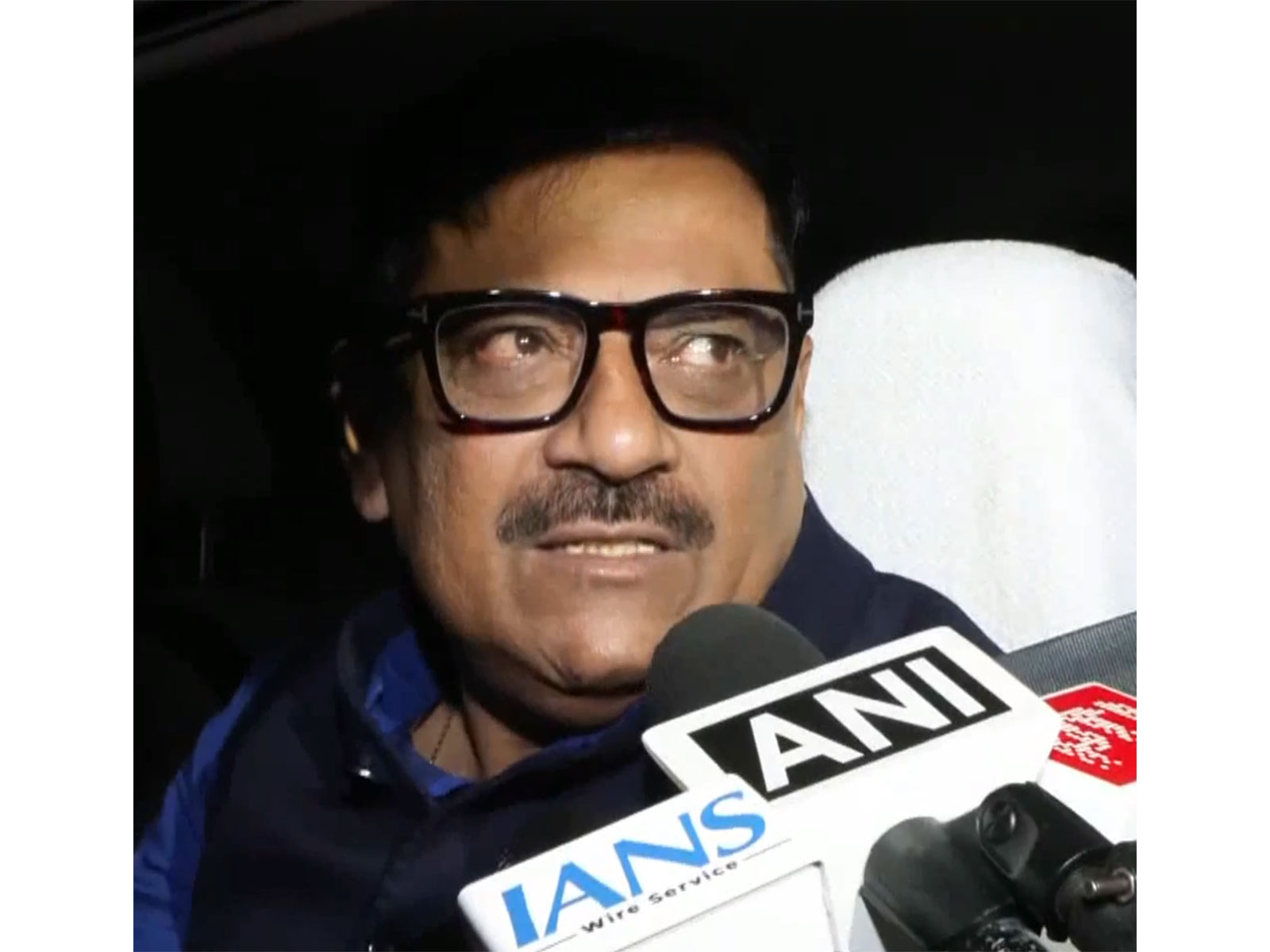
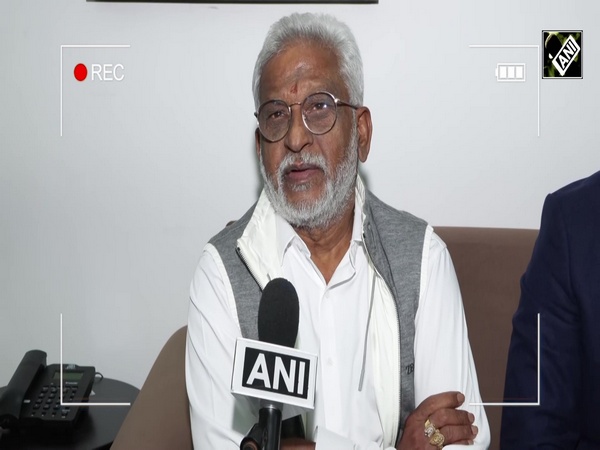
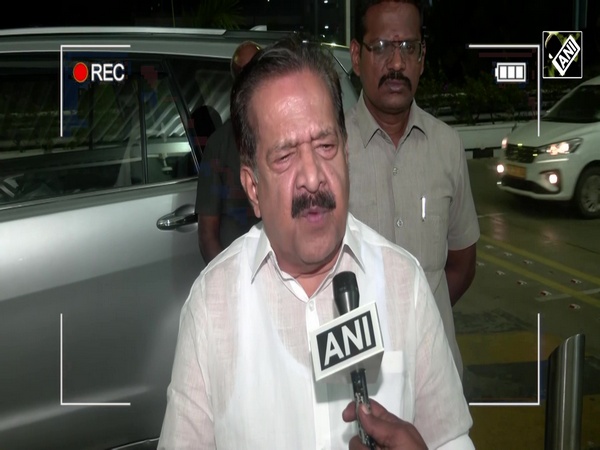
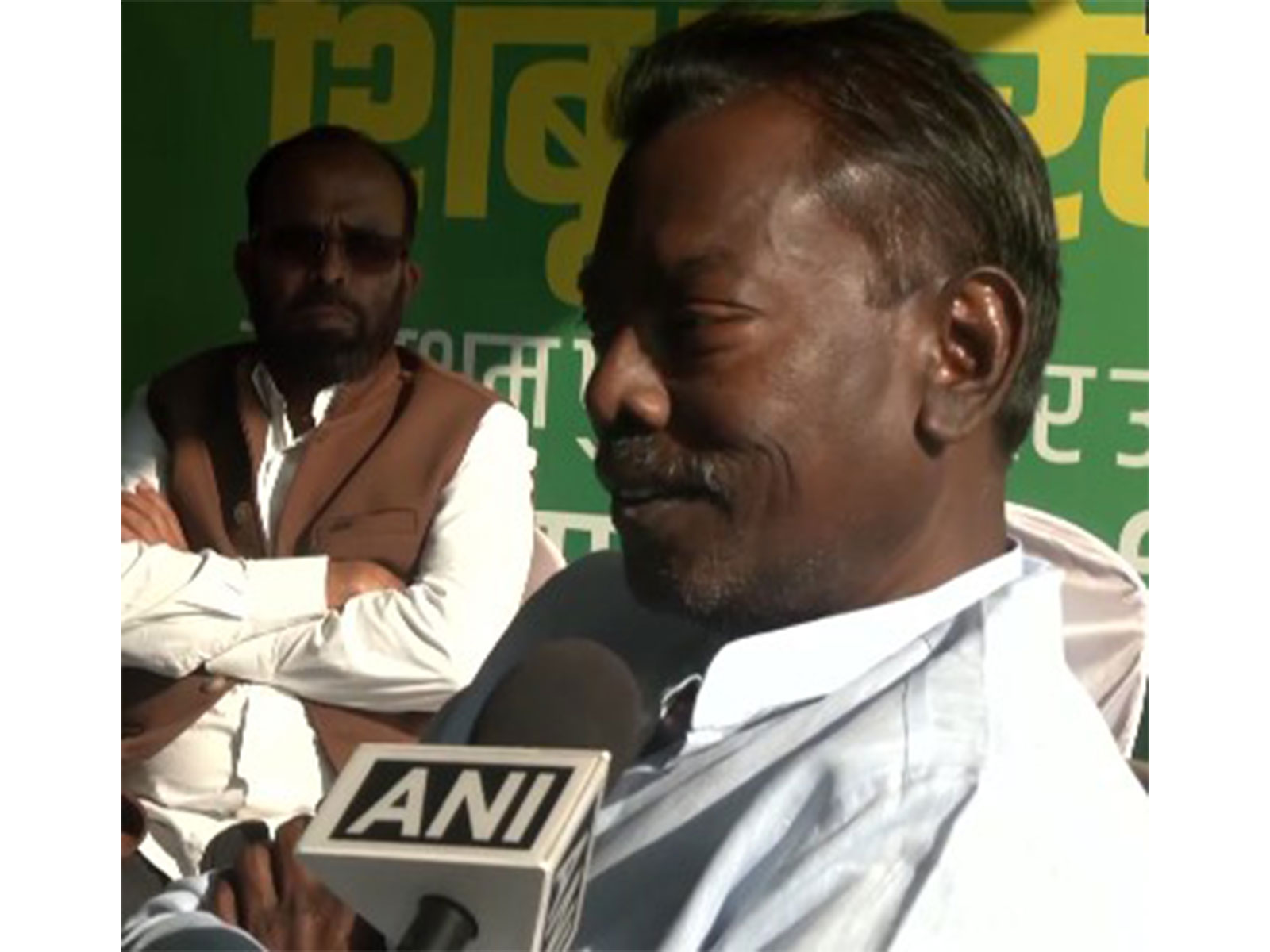
Ranchi (Jharkhand) [India], November 29 : Ahead of the Parliament session in which the Centre is set to introduce the Constitution (One Hundred and Thirty-Second Amendment) Bill, 2026, Jharkhand Mukti Morcha (JMM) MLA Basant Soren on Sunday said his party would back the Delimitation Bill only if it serves the interests of Jharkhand and its people, warning that the JMM would "strongly and completely oppose" the legislation otherwise.
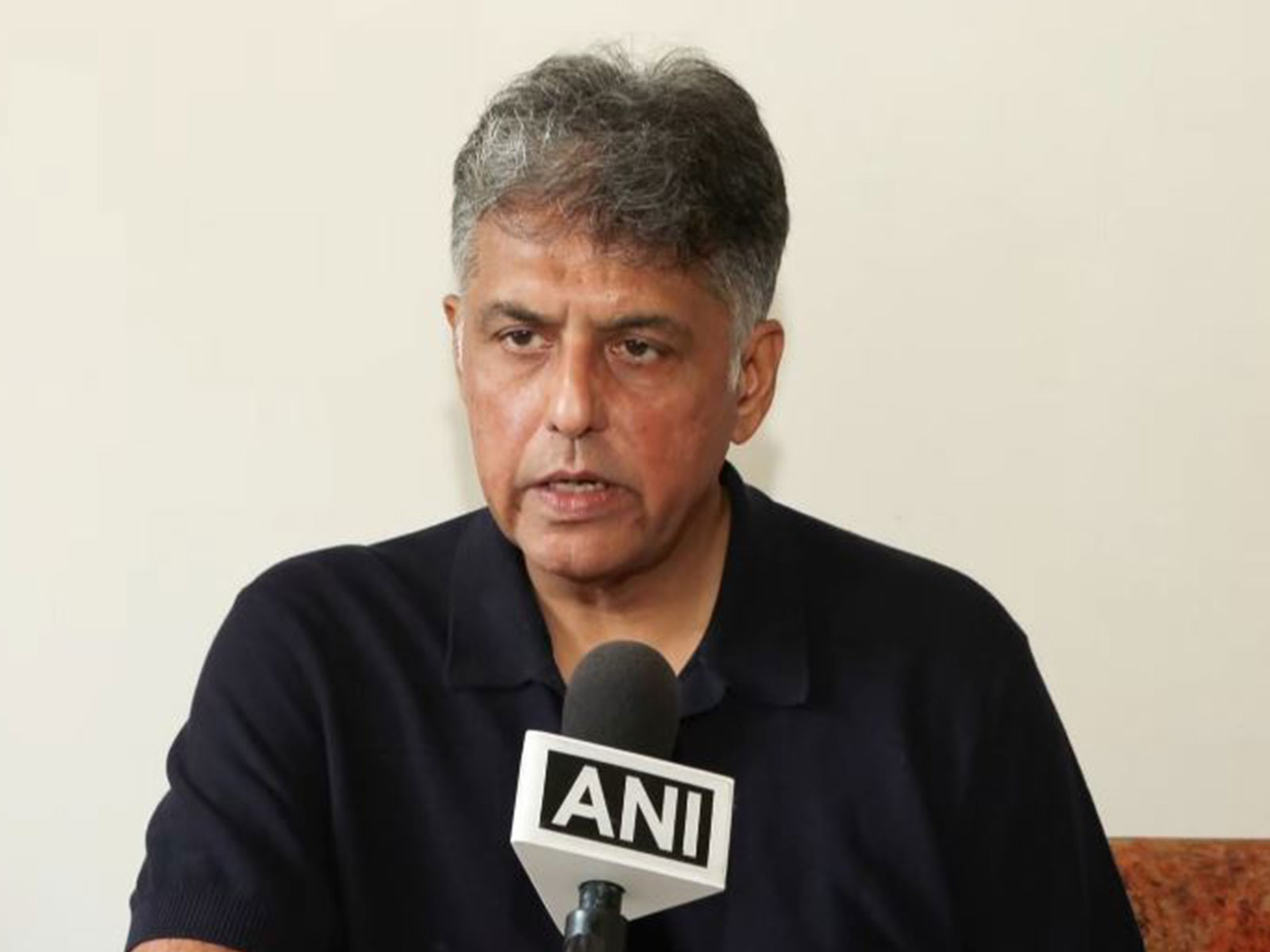
Speaking to ANI, Soren said the party has laid down clear conditions for its support, asserting that if the Centre disregards public sentiment in the state, the "consequences will not be good."
"If it is fair and in the interest of the public and the state, we are completely in support; if it is anti-people and anti-state, we will strongly and completely oppose it. We will not give anyone the opportunity to play with public sentiments. There are definitely conditions, and Hemant ji has already placed them forward...If they ignore the sentiments of the state and its people, naturally the consequences will not be good," said Soren.
The JMM is a key constituent of the INDIA bloc and a ruling partner of the Congress in Jharkhand, making its stand significant as the Congress tries to present a united front against the Bill. The Lok Sabha is set to take up the Constitution (132nd Amendment) Bill and the Delimitation (Second) Bill on Monday, and any amendment to the Constitution needs a two-thirds majority of members present and voting. JMM has 3 MPs in the Lok Sabha.
The Congress has made a direct pitch to the JMM, citing Jharkhand's Adivasi representation. In a press release, AICC in-charge for Jharkhand K Raju claimed that the proposed 50 per cent increase in Assembly and parliamentary seats omits an accompanying constitutional amendment to raise reserved Adivasi seats proportionately. To preserve the current share, he said, Jharkhand's 28 reserved seats would have to rise to 42, but reorganisation based on the 1971 census would cap them at 32.
"While the proposed legislation envisages a 50% increase in Assembly and Parliamentary seats across the state, it conspicuously omits any accompanying Constitutional Amendment to proportionally increase reserved Adivasi seats by 50%. To preserve the current share of Adivasi representation in Jharkhand’s governance, the existing 28 reserved seats must be increased to 42. However, under the framework of this Bill, constituencies will be reorganized based on the 1971 census, which would cap Adivasi seats at just 32—effectively diluting the political voice and constitutional rights of the tribal communities that form the bedrock of Jharkhand," it said.
Raju also objected to the proposed Delimitation Commission, citing concerns over the conduct of the Special Intensive Revision (SIR). He expressed confidence that the JMM would oppose the Bill.
"We trust that the JMM will never compromise the hard-won interests of the Adivasi community to support a Bill designed to centralize power and unilaterally reshape India's electoral landscape," he said.
The proposed legislative package includes the Constitution (132nd Amendment) Bill, 2026, the Delimitation (Second) Bill, 2026, and an amendment to laws governing Union Territories.
The proposals seek to increase the maximum strength of the Lok Sabha to 850 members, comprising up to 815 members from states and 35 from Union Territories.
Meanwhile, the Centre's efforts to secure the required two-thirds majority for the constitutional amendment have received a boost after the DMK, YSRCP and NCP-SP indicated support for the revised proposals, taking the NDA's estimated tally in the Lok Sabha to around 354 MPs.The DMK has backed the proposed 50 per cent increase in parliamentary seats across states while insisting that Tamil Nadu's existing 7.18 per cent share of representation be protected.
However, the estimated NDA tally remains short of the 360 votes required for a two-thirds majority if all 540 sitting members participate in the voting.
The Opposition has supported women's reservation but objected to linking its implementation with delimitation, demanding that the exercise be based on the latest Census data. The Centre has proposed using the 2011 Census for redrawing constituencies and determining SC/ST-reserved seats, while retaining the 1971 population basis for state-wise allocation of Lok Sabha seats until 2051.
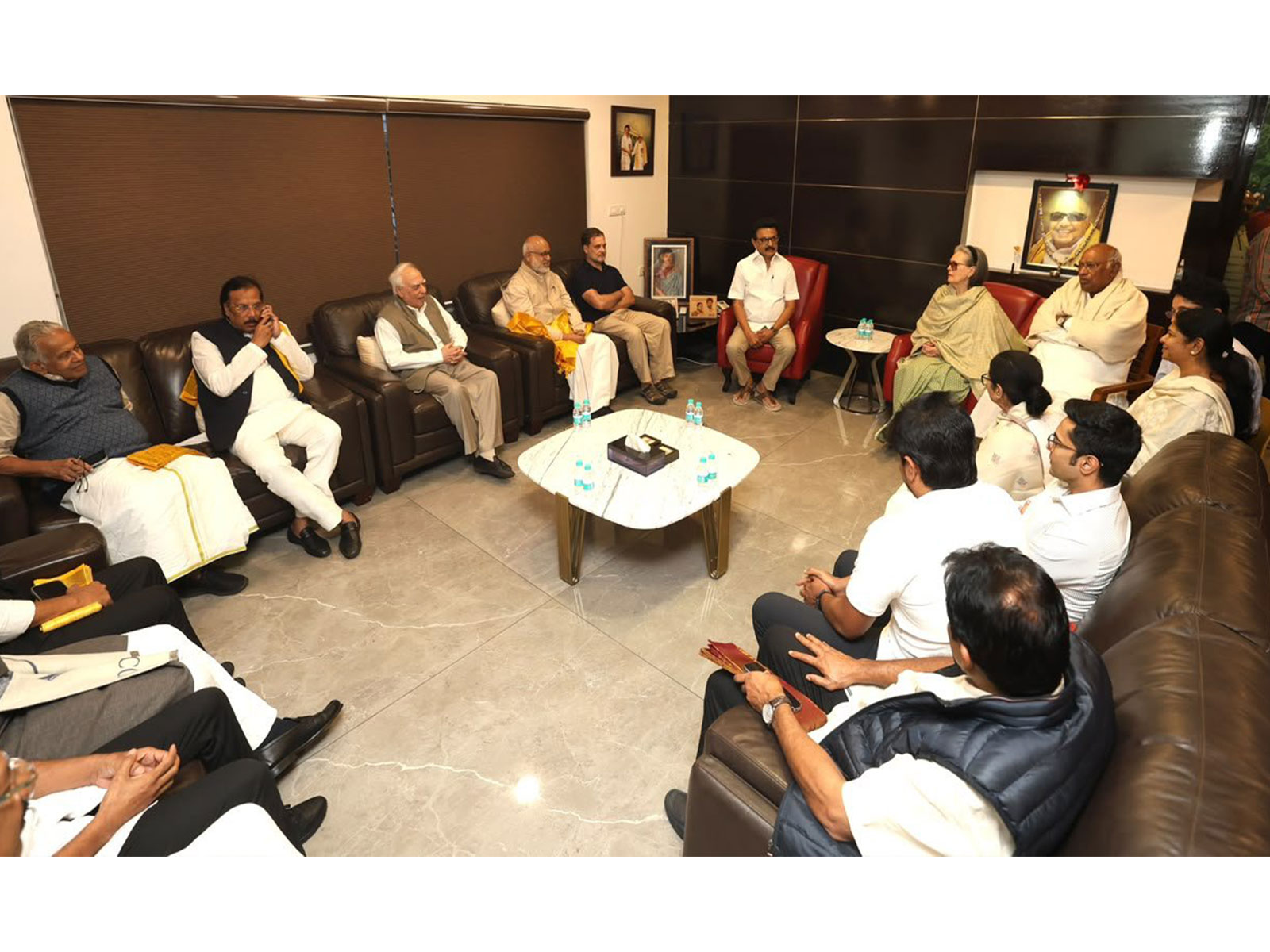
INDIA bloc leaders led by Congress president Mallikarjun Kharge and Sonia Gandhi met DMK chief MK Stalin in Chennai to seek the DMK's opposition to the Bill. However, Stalin's stance remains unchanged, boosting the Centre's numbers for the constitutional amendment.