India must shift from electronics manufacturing to owning products and intellectual property: CII
Nov 29, 2026
New Delhi [India], November 29 : India built a large electronics manufacturing base, yet the next phase of growth requires capturing value through Indian-owned products, technology, components, and intellectual property, according to a report by the Confederation of Indian Industry (CII).
The CII report, titled ‘Making India a Product Nation: From Making Electronics to Owning More of What Is Made’, noted that while electronics production reached Rs 13.11 lakh crore in 2025-26 and exports touched Rs 4.24 lakh crore, manufacturing scale did not translate proportionately into domestic ownership of critical components, design, technology, and IP.
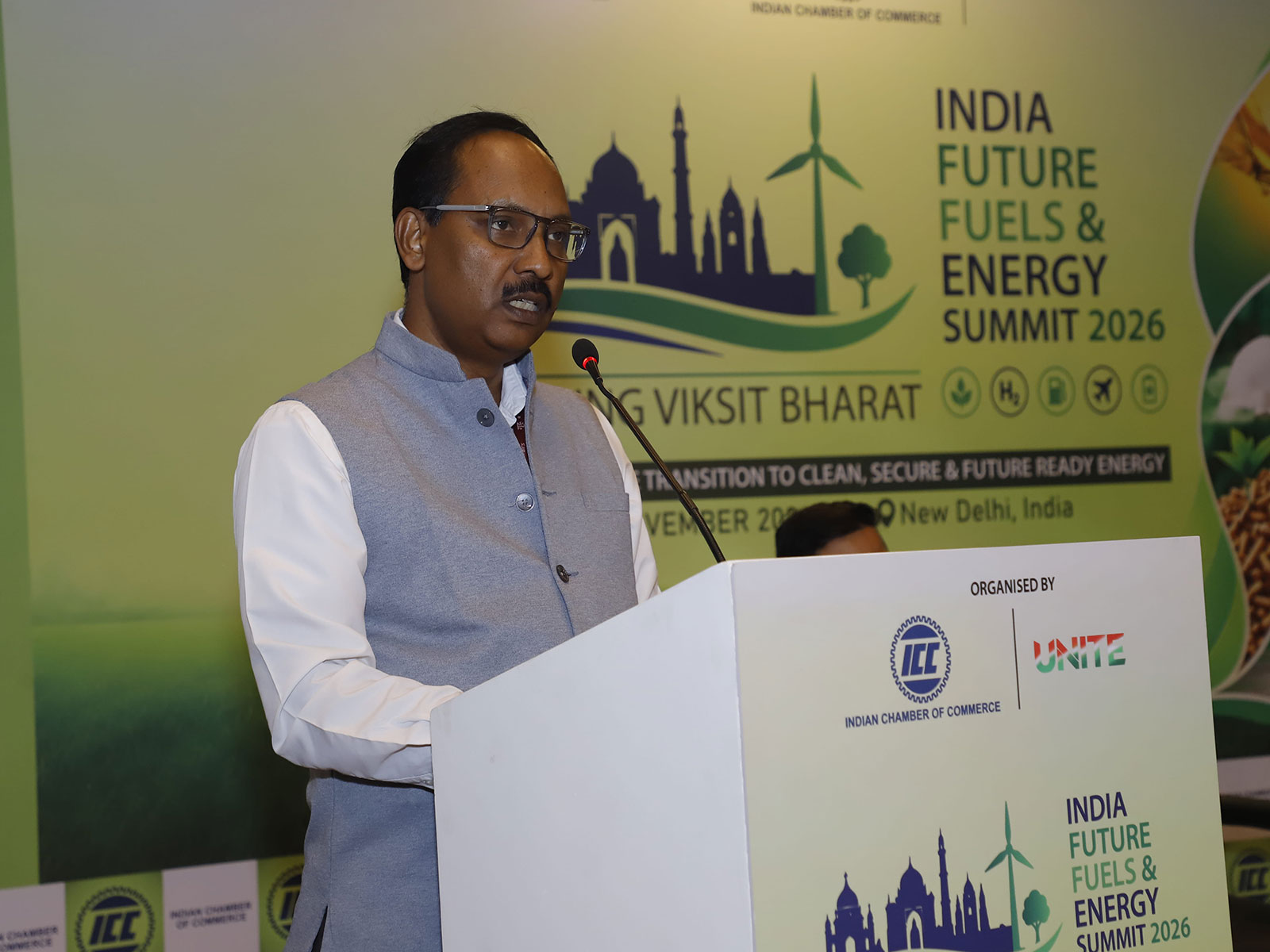
Sushil Pal, Joint Secretary at the Ministry of Electronics and Information Technology, released the document during the 9th Electronics Summit in New Delhi, which carried the theme ‘India@500B: From Local to Global – Realizing Atmanirbhar Electronics for Global Leadership’.
Data in the CII study showed that domestic value addition in mobile manufacturing stood at 23 per cent in 2023-24, pointing to the scope for strengthening India’s position across the electronics value chain.
"Manufacturing scale is not the same as ownership," the report stated, adding that while manufacturing remained established or emerging across ten shortlisted products, the critical component layer stayed thin in nine of them.
To identify areas for capability-building, the study evaluated 30 product and category opportunities outlined by MeitY, consolidated them into 23 categories, and shortlisted 10 priority products using a five-dimensional framework. This assessment covered demand opportunity, domestic capability, scale-up feasibility, import concentration, and product ownership potential.
The ten priority products include smartphones, chargers and power supply systems, laptops and notebooks, industrial control systems, air conditioners, micro and small motors, servers, audio systems and hearables, security cameras, and smart metering systems.
"Design and IP offer significant headroom," the report said, noting that design and intellectual property capabilities emerged in eight of the ten products and highlighted the room to deepen Indian technological ownership.
"One approach cannot fit all," the report pointed out, identifying four pathways named Consolidate and Own, Build the Product Engine, Standards- and Procurement-Led, and Component-Led.
Progress across these segments depended on five input clusters spanning firmware and security, power electronics, displays and optics, sensors, compute and memory, and motors, magnets, and materials.
"Shared capabilities will unlock progress," the report explained while detailing how these input clusters underpinned the broader opportunity.
The document also emphasised commercial viability alongside policy and research support.
"Competitiveness must remain central," the report stressed, stating that deeper domestic capabilities needed support from demand creation, technology development, research and development, testing, skilled talent, and predictable policy frameworks to help India move from manufacturing for the world to creating and owning products for the world.