Indian Institute of Advanced Study diamond jubilee celebrations bring art, history, culture and scholarship together in Shimla
Oct 12, 2026
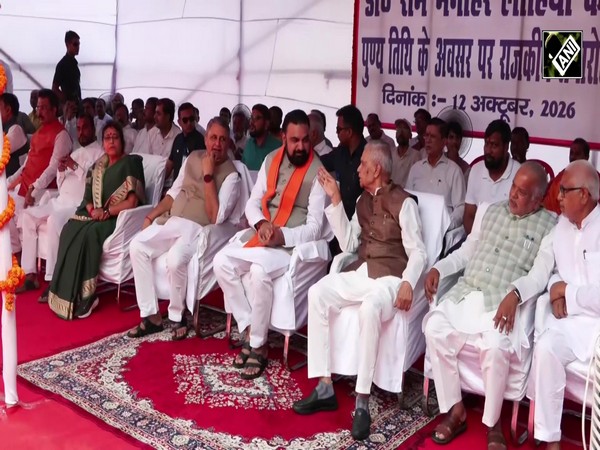
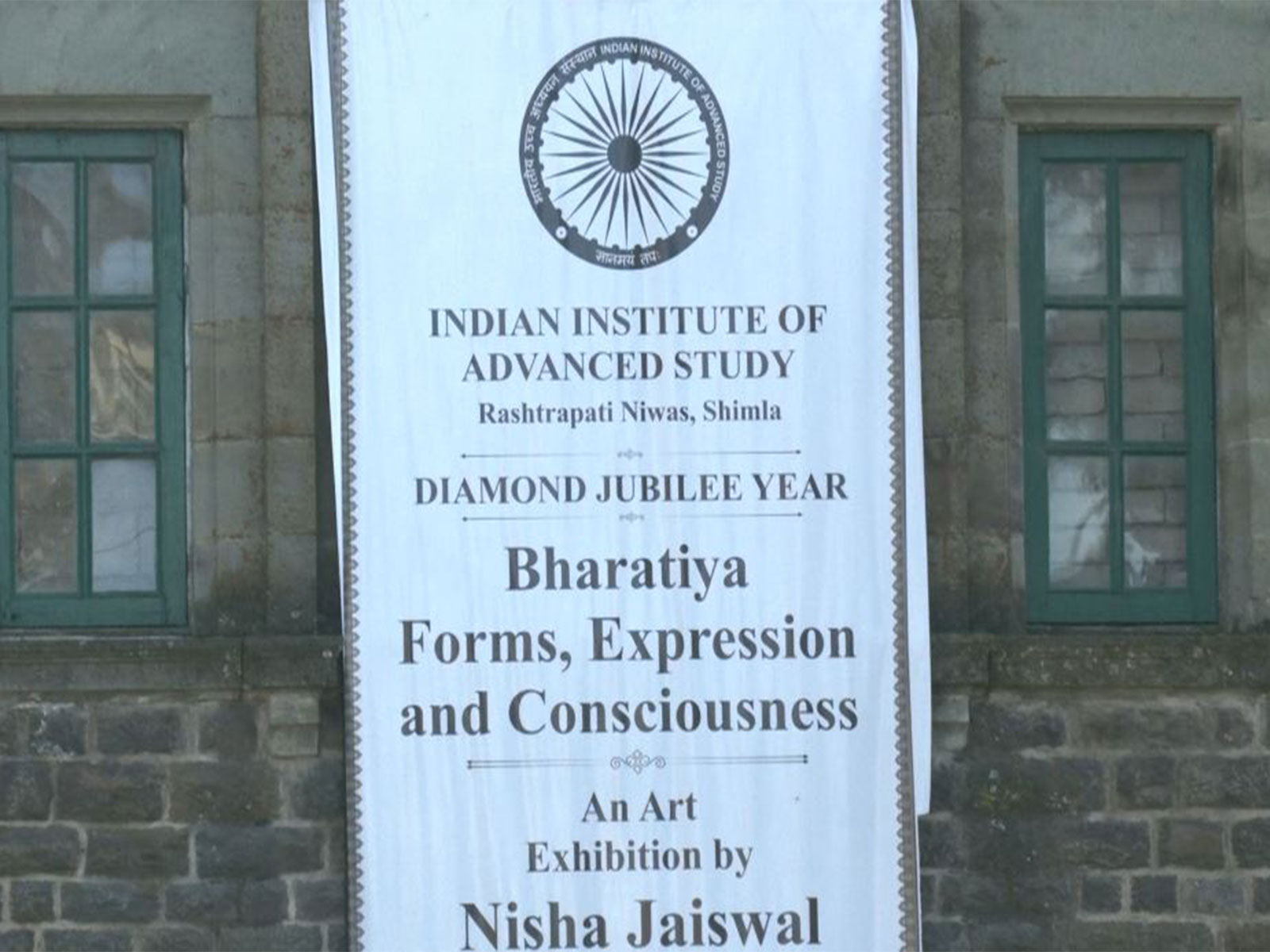
Shimla (Himachal Pradesh) [India], October 12 : The five-day Diamond Jubilee celebrations of the Indian Institute of Advanced Study (IIAS) at Rashtrapati Niwas in Shimla are bringing together art, history, literature, culture and academic scholarship, drawing scholars, artists, researchers and members of the public to explore India’s rich intellectual and cultural heritage.
The celebrations, being held from October 11 to 15 as part of the institute’s Diamond Jubilee year, entered their second day on Monday, featuring an art exhibition, a book fair, book releases and lectures on diverse academic and cultural themes.
The programme seeks to connect the institute’s academic work with wider public engagement while highlighting Indian philosophical traditions, the Bharatiya Knowledge System and the preservation of cultural heritage.
Internationally recognised artist Nisha Jaiswal, whose paintings are part of the exhibition, said her work explores the themes of “Indian Expression and Consciousness”, drawing on Indian philosophy and the deeper meanings embedded in mythology and religious symbolism.
Speaking with ANI on Monday, Jaiswal said the paintings were not merely visual representations but conveyed messages about inner consciousness, self-awareness, purity, devotion and the cycle of life.
“Every painting carries a message. Our philosophy places considerable emphasis on awakening our inner consciousness. Although these works are visual expressions, each painting has a deeper meaning that viewers can explore,” she said.
Explaining a painting depicting the Sun God, Jaiswal said the imagery of the Sun and his seven horses symbolised the cycle and continuity of life. She said the associated symbols, including the conch, lotus and trident, could be interpreted as representations of inner awareness, purity and the ability to navigate the joys and sorrows of life.
“The Sun rises and sets, and our lives also move through different phases. The message is that we must remain conscious and aware in every situation,” she said.
Jaiswal also highlighted the deeper social and ethical messages conveyed through Indian mythology, referring to a painting depicting Ram Darbar.
She said the composition represented ideals of dignity, duty, service, righteousness and social harmony. The depiction of not only Lord Ram and Sita but also other figures, including rulers, sages, Vibhishana and members of their respective groups, conveyed the idea of collective coexistence and the philosophy of 'Vasudhaiva Kutumbakam', the world as one family.
“Our mythological stories are not merely stories. We need to understand their deeper meaning and interpret the messages they convey about our inner consciousness, social responsibility and harmonious coexistence,” she said.
Describing her artistic process as a form of devotion and spiritual practice, Jaiswal said the work demanded considerable concentration, patience and dedication.
She said some of her paintings had taken two to three years to complete, while the Ram Darbar composition had taken seven years.
“Every line and every stroke requires concentration. For me, this is a medium of connecting with the divine. It involves complete surrender, devotion and sustained practice,” she said.
Jaiswal said exhibiting her work at the IIAS was particularly meaningful because of the institute’s intellectual environment and the opportunity to engage with scholars who could interpret the philosophical dimensions of her art.
She also urged young people to explore the deeper meanings of Indian culture and mythology rather than viewing them only through their outward imagery.
IIAS Director Professor Himanshu Kumar Chaturvedi said the Diamond Jubilee celebrations had been designed to bring the institute’s intellectual resources, cultural heritage and artistic traditions into the public domain.
Speaking with ANI on Monday, Chaturvedi said the programme, running from October 11 to 15, featured lectures by distinguished scholars alongside exhibitions and other activities aimed at encouraging public interaction with art, culture and academic research.
He particularly highlighted Jaiswal’s exhibition, describing it as an important contribution to promoting Indian art and cultural understanding. He said a depiction of Ram Darbar was among the works on display for visitors to Shimla.
Chaturvedi said the institute was also taking significant steps to promote Kangra miniature painting, an important artistic tradition of Himachal Pradesh. An exclusive Kangra art gallery is scheduled to be inaugurated on October 15 by the Governor, he said.
“The intention is to bring the institute’s resources, art and culture into the public domain and create opportunities for people to interact with them. That is why entry to the celebrations has been kept free, whether visitors come for the art exhibition or the book fair,” he said.
The director said the institute was also working to preserve and promote the cultural heritage of Himachal Pradesh, including its traditional scripts and Kangra art. He said the proposed gallery would provide greater visibility to the region’s artistic legacy and help introduce it to a wider national and international audience.
Chaturvedi noted that Rashtrapati Niwas attracts a substantial number of visitors every year, providing an opportunity to showcase the region’s heritage alongside the institute’s academic contributions.
He also highlighted the IIAS’s publication programme and its engagement with international academic conferences and seminars. Referring to a two-volume publication released on July 10, he said the institute was continuing to produce significant scholarly works that reflected its contribution to advanced research.
The institute is also working towards strengthening research on historical manuscripts and primary sources. Chaturvedi said an original manuscript relating to the Mahabharata, associated with a fellow from Odisha, had been dedicated to the institute’s library, and efforts were underway to bring the material into a suitable library format for research.
He said the institute had also proposed developing a dedicated collection of manuscripts from the Himalayan region as part of a broader national effort to preserve, study and translate historical documents.
The proposed initiative, he said, could open a new chapter in the institute’s research activities by supporting manuscript preservation, translation and future scholarship.
Chaturvedi further outlined plans to develop a greener campus through electric mobility. He said an electric vehicle had been procured through corporate social responsibility support, with three additional electric vehicles also received through CSR assistance.
The initiative is expected to improve visitor convenience while supporting the institute’s efforts to manage tourist movement and reduce the environmental impact of vehicles within the heritage campus.
He said the institute was also exploring ways to introduce visitors to Indian knowledge traditions through exhibitions and displays that explain the significance of classical Indian texts and intellectual traditions in an accessible format.
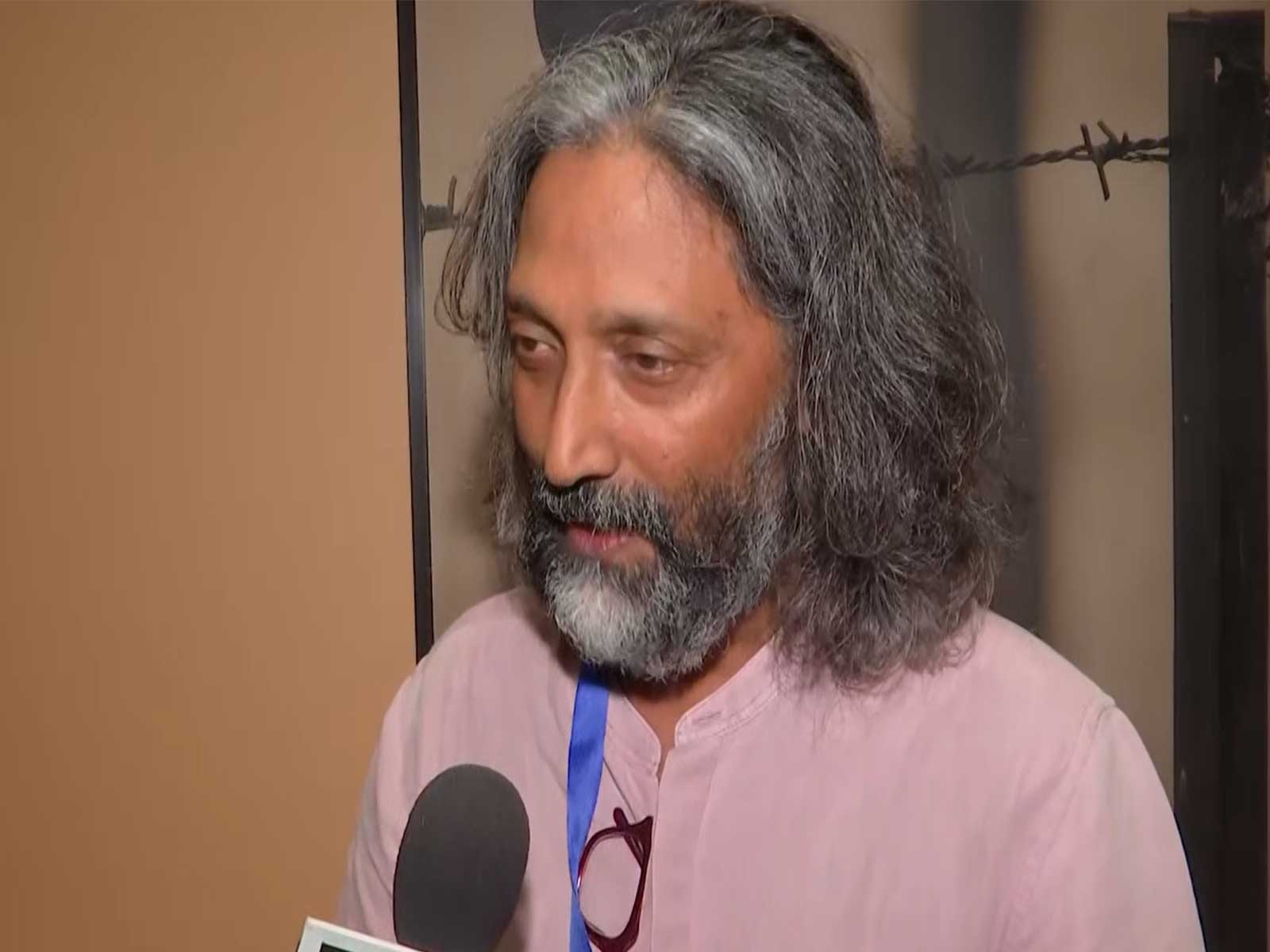
Indian archaeologist Vasant Shinde, speaking with ANI on Monday, described the IIAS as an important institution for advanced research and higher education in India, particularly in the social sciences and interdisciplinary studies.
Shinde said the institute had maintained its academic standards over several decades and provided a valuable platform for scholars from different disciplines and geographical backgrounds to exchange ideas and develop their research.
“The institute has made a major contribution to deep research in India. Researchers who want to pursue serious, original work should have the opportunity to come here, work with scholars and benefit from the intellectual environment,” he said.
He said the Diamond Jubilee celebrations offered a valuable opportunity for fellows and researchers to interact with experts working on diverse subjects, exposing them to approaches beyond their own specialisations.
Such interdisciplinary engagement, he said, could help researchers broaden their perspectives, strengthen their work and bring it closer to international standards.
Shinde also stressed the importance of making academic research accessible to ordinary people. He said public engagement with the institute’s work could inspire younger generations to pursue research and develop an appreciation for India's historical and intellectual heritage.
Referring to archaeological research, Shinde said a major challenge had been to reassess interpretations developed during the colonial period, when much of the early archaeological work was undertaken by British researchers through predominantly European historical perspectives.
“Colonial-era archaeologists interpreted the evidence through their own intellectual backgrounds and European historical frameworks. Reassessing those interpretations has been challenging, but it is an important task,” he said.
Shinde added that contemporary research was increasingly examining India's past from Indian perspectives while employing rigorous scientific methods.
“The challenge has been accepted, and substantial work is now being undertaken through scientific research. It is important that our understanding of history continues to develop through evidence-based inquiry,” he said.
The Diamond Jubilee celebrations will continue until October 15, with further academic and cultural programmes, including the planned inauguration of the Kangra art gallery, underscoring the institute’s efforts to combine advanced scholarship with public access to India’s artistic and intellectual traditions.