India’s RCEP exit saved manufacturing sector from ‘death knell’: Piyush Goyal
Oct 29, 2026
New Delhi [India], October 29 : Union Commerce and Industry Minister Piyush Goyal on Thursday said India's decision not to join the Regional Comprehensive Economic Partnership (RCEP) in 2019 saved the country's manufacturing sector from what he described as a “death knell”.
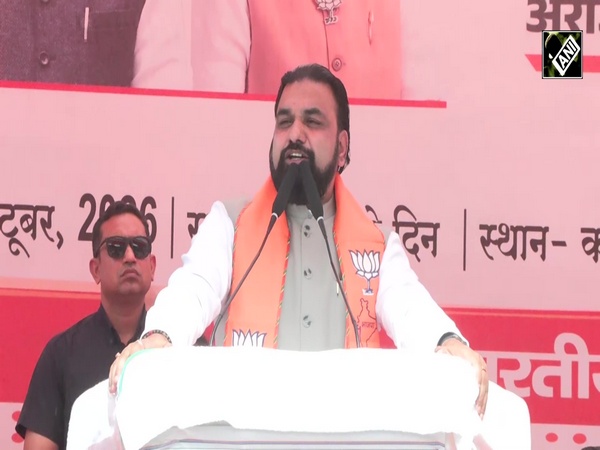
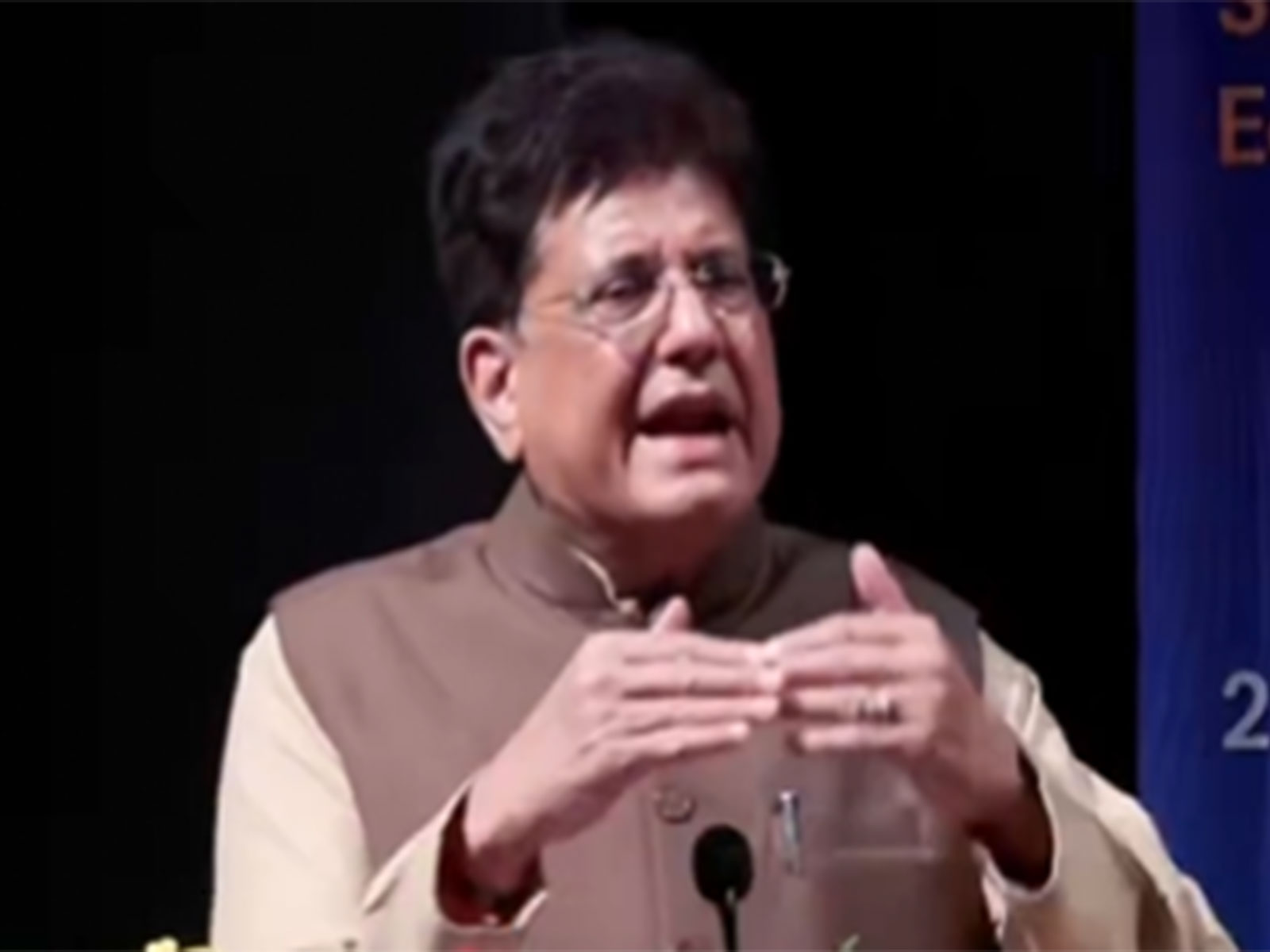
Addressing the ISID-IDRA Fourth National Conference, Goyal said India's participation in the trade agreement could have exposed domestic manufacturers to greater competition from Chinese products, threatening the country's industrial growth.
Explaining the composition of RCEP and India's existing trade arrangements, Goyal said the grouping comprises 15 countries, including China, Japan, South Korea, Australia, New Zealand and the 10 member nations of the Association of Southeast Asian Nations (ASEAN).
“We already had a free trade agreement with ASEAN. We already had a free trade agreement with Japan and Korea. We were at an active stage of negotiation with Australia and could have finished it easily. It was not a difficult agreement. We had hardly any business at that time with New Zealand. Our total bilateral trade was USD 350 million with New Zealand. Only China was left,” he said.
Goyal also noted that “India was not in the picture at all when RCEP was launched.”
He said the previous government, led by then Prime Minister Manmohan Singh, had decided to participate in the negotiations. However, Prime Minister Narendra Modi subsequently examined the proposed agreement and decided against joining the trade bloc, as it “does not meet the guiding principles” on which India had entered the negotiations.
Emphasising the significance of the decision, Goyal said, “RCEP...would have been the death knell of manufacturing in India.”
He further underlined the importance of the decision taken in Bangkok in November 2019, saying, “I tell you that one single act on fourth of November, 2019, in Bangkok, is the reason that today we are discussing manufacturing and India's industry. Otherwise, we would have been a nation of salesmen and salesgirls marketing Chinese products,” he said.
RCEP is a regional free trade agreement involving ASEAN and its five trade agreement partners: Australia, China, Japan, New Zealand and South Korea. Negotiations were launched in November 2012, with India initially part of the process before withdrawing from the proposed agreement in 2019.
The agreement came into effect on January 1, 2022, for its initial 10 members, including China, Japan, Australia, New Zealand and several ASEAN countries.
Meanwhile, India has joined the United States and 13 other economies in calling for measures to address structural excess capacity and production, and eliminate non-market policies and practices that “distort markets and contribute to the problem”.
The joint ministerial statement followed the G20 Trade Ministers' meeting held in Milwaukee, Wisconsin, on September 30 and October 1, 2026.
US Trade Representative Jamieson Greer said discussions on trade-related issues were continuing, although an immediate breakthrough was not expected.
"I don't think there's something imminent, but we truly have identified the universe of items that are sticking points. We're working diligently toward them," he added.
On the proposed India-US bilateral trade agreement, Goyal had earlier said that both sides had completed most of the discussions and were working to finalise the remaining details.
“We have concluded most of the discussions and are fine-tuning the agreement,” Goyal said while addressing the India-Netherlands Business Forum in The Hague.
Earlier, Union Finance Minister Nirmala Sitharaman, speaking at the Munich Leaders Meeting, said negotiations on the proposed India-US trade agreement had reached a “plateau”, with limited scope for either side to offer further concessions.