"Iran cannot have a Nuclear Weapon — That is non-negotiable!": Trump after talks with Qatari PM
Nov 09, 2026
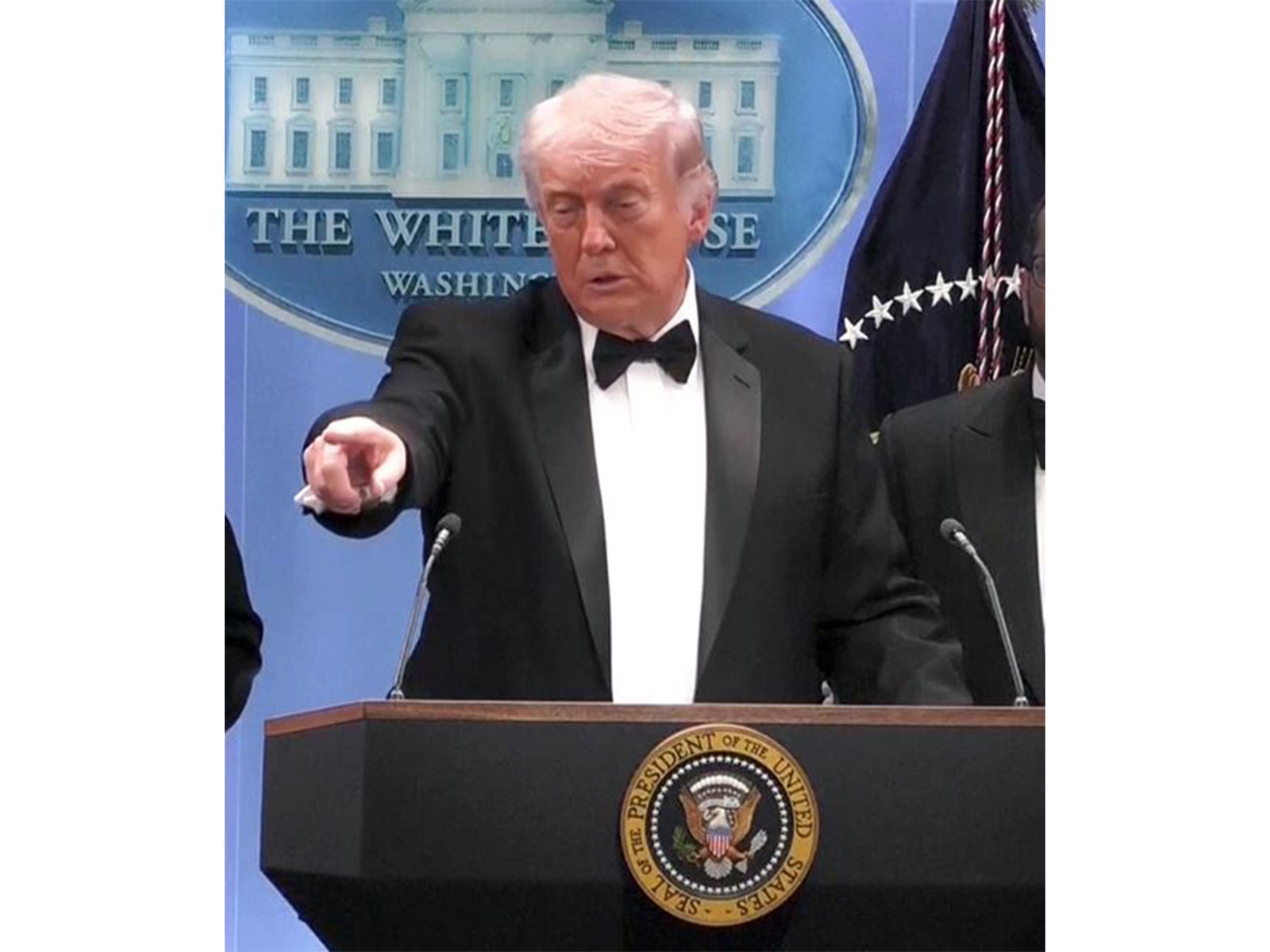
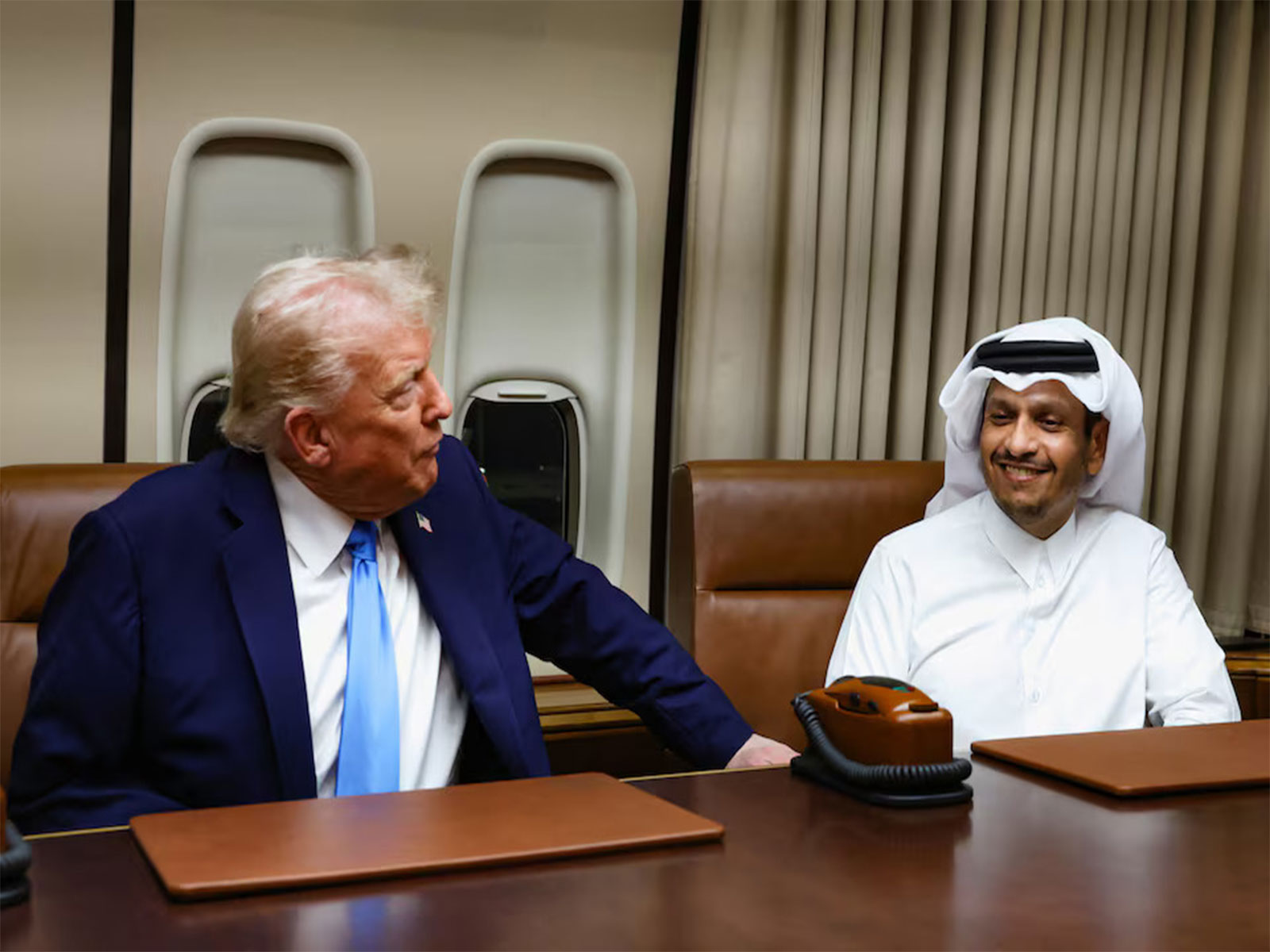
Washington DC [US], November 10 : Following a high-level dialogue with Qatari Prime Minister Sheikh Mohammed bin Abdulrahman bin Jassim Al Thani, United States President Donald Trump announced that key Gulf allies have backed an unprecedented joint land-and-sea blockade against Iran under "Operation Iron Gate," declaring that preventing Tehran from acquiring nuclear weapons remains strictly "non-negotiable."
Taking to his social media platform Truth Social, Trump noted that Gulf partners are united in their stance that Tehran must never acquire nuclear capabilities.
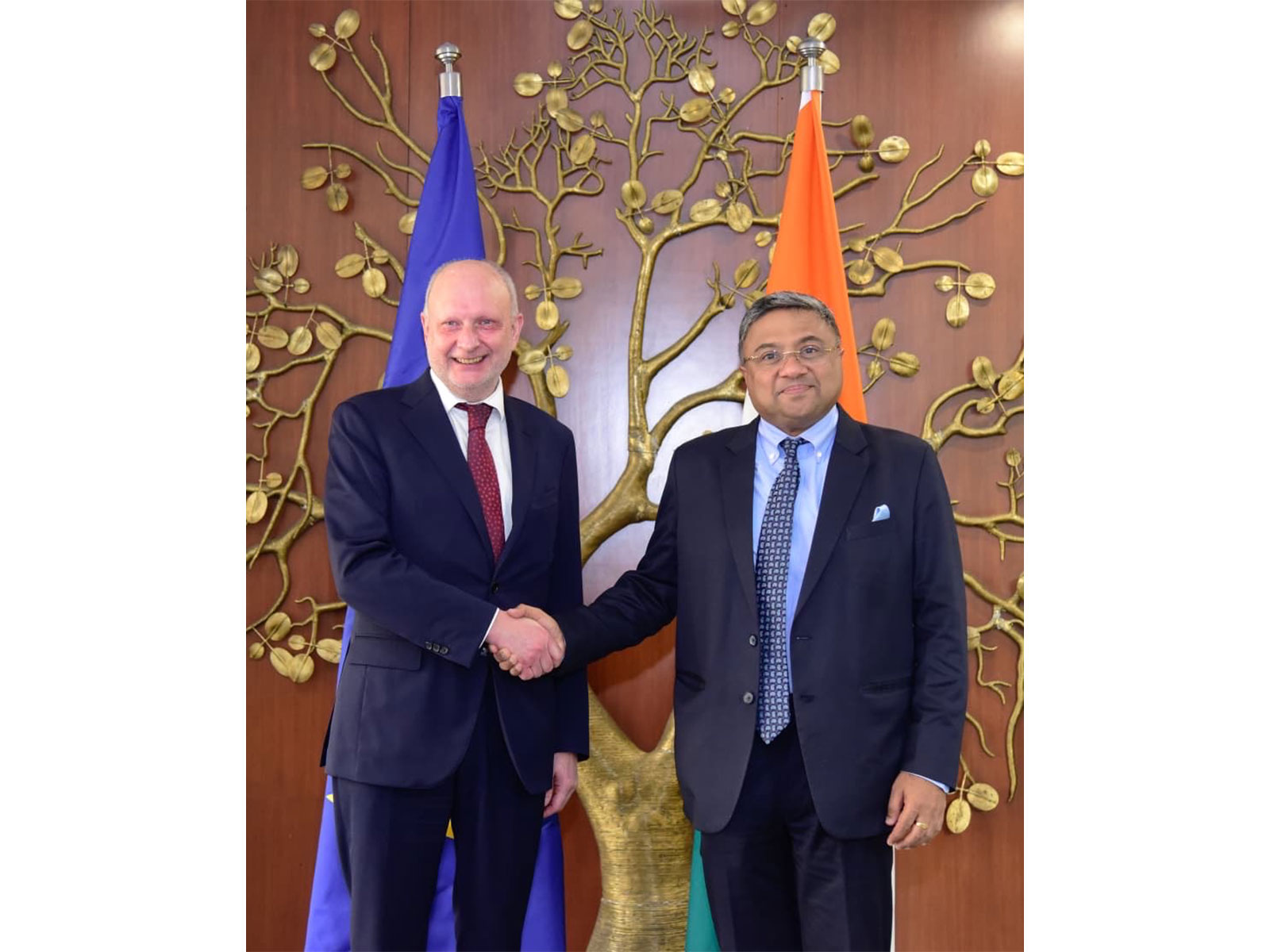
"I had an excellent conversation with Sheikh Mohammed bin Abdulrahman bin Jassim Al Thani, the Prime Minister of Qatar, wherein much was discussed with respect to the Islamic Republic of Iran. Most importantly, Qatar, Saudi Arabia, UAE, Bahrain, Kuwait, and others, would prefer the status quo, in other words, a continuation of the Greatest Naval Blockade in History, and the new Operation Iron Gate — Therefore, Land and Sea. All have agreed that Iran cannot have a Nuclear Weapon — That is non-negotiable!" Trump wrote.
While warning that American forces remain in a high state of combat readiness should regional dynamics deteriorate, Trump projected optimism regarding a potential de-escalation, noting signs of progress toward winding down the hostilities.
"Should there be any change with respect to developments in the Middle East, the United States of America is 'locked and loaded' and ready to go. At this point, however, that seems to be quite unlikely. Israel, and the entire Middle East, are protected from Iranian danger and threats," he stated.
Underscoring Washington's strategic priorities, the President added, "We are seeing positive momentum toward an end to this Conflict, and will ensure that America’s interests are at all times protected. At the conclusion of this Military Engagement, the American People, and the World, will be far safer and more secure."
Addressing the media soon after, Trump underlined the severe operational damage inflicted on Tehran's industrial infrastructure. He claimed that recent military strikes had significantly degraded Iran's production apparatus, prompting a noticeable shift in Tehran's diplomatic posturing.
"Their (Iran's) manufacturing capability is reduced. It is basically about 85 per cent gone. They are talking to us, and they are talking very politely, and we will see what happens. But there is a good chance that that could get ended. At the conclusion of the military engagement, the American people and the people of the world will be far safer and more secure than they have been in many, many years because Iran was killing many people," Trump said, reiterating, "if we do have to go back in, we are locked and loaded and ready to go."
Building on those diplomatic themes, Trump on Sunday stated that fresh military strikes against Iran remained "highly unlikely", provided that ongoing talks continued to advance, though he stopped short of completely ruling out the prospect of further military action.
During a telephone interview with CNN, President Trump asserted that Washington had already delivered a crushing blow to Tehran, rendering additional military operations "highly unlikely" to be required.
"It depends on whether or not they sign a very strong agreement," Trump noted, addressing Iran's nuclear ambitions and the unblocking of the Strait of Hormuz.
The US leader also maintained that American forces had mapped out critical infrastructure targets across Iran, highlighting that power plants and bridges had been identified, and boasted that authorities could destroy 38 bridges in an hour.
"Most likely it will not be necessary," Trump reiterated. "They want to make a deal so badly."
Qatar has maintained an essential role as an intermediary between Washington and Tehran, passing along diplomatic proposals and attempting to bridge gaps regarding Iran's nuclear programme and the conditions required to conclude the ongoing conflict.
More than eight months after the initial wave of joint US-Israeli strikes on Iran, President Trump has continued to project ambiguous signals regarding his stance on resolving the war. Meanwhile, Washington and Tehran remain deadlocked, with minimal headway in formal diplomatic initiatives.