Iran security chief warns against foreign interference in economic ties with Iraq
Nov 28, 2026
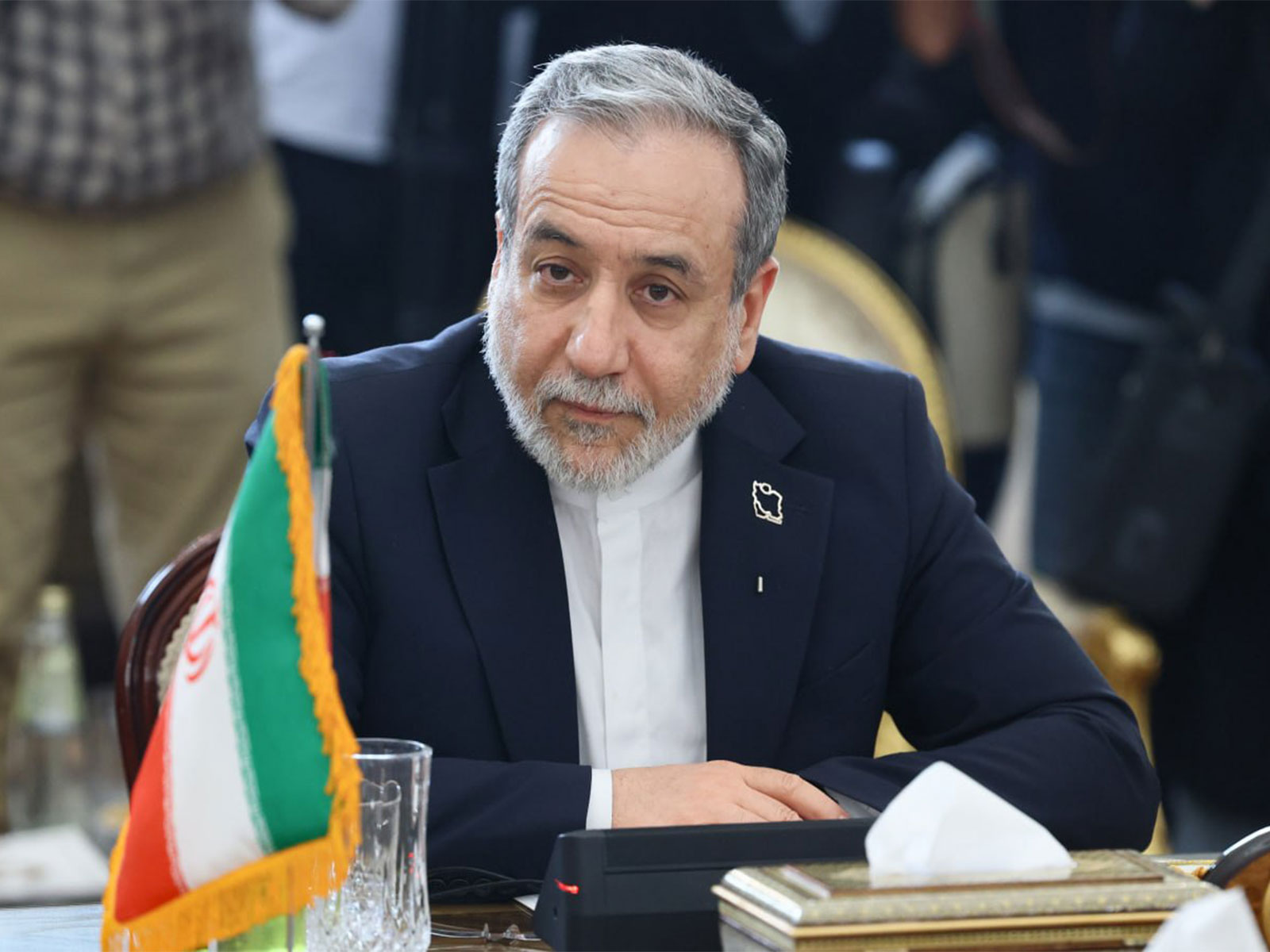
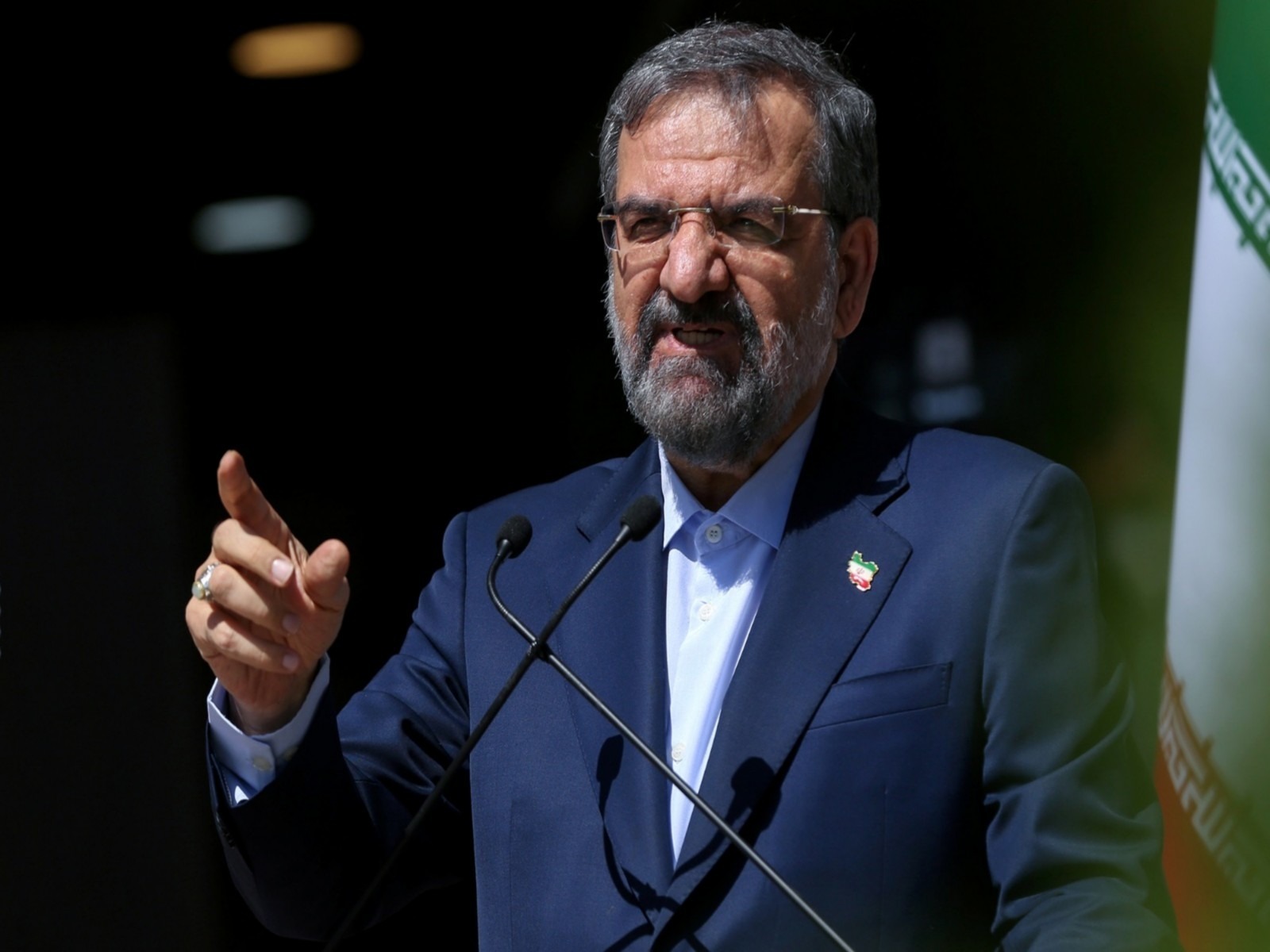
Tehran [Iran], November 29 : Iran's Supreme National Security Council (SNSC) Secretary Major General Mohsen Rezaei on Saturday warned against foreign interference in Tehran's economic relations with Baghdad, urging Iraq not to allow external forces to undermine bilateral trade amid restrictions on cross-border movement.
Rezaei made the remarks during a meeting with Iraqi National Security Chief Qasim al-Aboudi in Tehran, Iranian state media Press TV reported.
“An independent, powerful and developed Iraq can serve as one of the pillars of a new security order in the region,” Rezaei said.
His remarks came amid reports that Iraq's restrictions on trade and passenger movement through some border crossings with Iran were linked to US pressure on Baghdad to reduce its economic engagement with Tehran.
Iran and Iraq share extensive trade ties, with Iranian exports, including natural gas and electricity, to Iraq exceeding USD 10 billion annually. Washington has repeatedly sought to reduce Baghdad's dependence on Iranian energy supplies and threatened sanctions-related restrictions on its access to the international banking system.
During the meeting, Rezaei also called for the full implementation of the security agreement between the two countries, saying it would strengthen security along their shared borders and help eliminate terrorist threats targeting Iran.
Al-Aboudi reaffirmed Iraq's commitment to implementing the agreement and said Baghdad would not allow its territory or airspace to be used against Iran or other neighbouring countries.
The discussions come as Baghdad steps up efforts to bring border crossings, oil resources and armed groups under federal control, a campaign that has drawn opposition from the semi-autonomous Kurdistan Region and attracted support from Washington.
US President Donald Trump on Friday (local time) backed Iraqi Prime Minister Ali al-Zaidi's efforts to strengthen state authority, curb oil smuggling and bring all weapons under government control.
In a post on Truth Social, Trump said, "We support Iraqi Prime Minister Ali al-Zaidi’s efforts to assert state authority throughout Iraq, stop the smuggling of Iraqi oil, end corruption, and bring all weapons under the exclusive control of the state."
"We support Prime Minister al-Zaidi’s efforts to build a united, prosperous, and strong Iraq that makes its own political decisions," he added.
According to CNN, Trump's remarks signalled Washington's support for Baghdad's efforts to consolidate control over oil resources and weapons held by Iran-backed armed groups.
Earlier this week, al-Zaidi announced that two Kurdish-administered border crossings with Syria and Iran, along with several oil fields, would be brought under federal control to curb smuggling, CBS News reported. Kurdish regional authorities condemned the move as a "constitutional violation".
Iraqi state news agency INA cited an intelligence document that reportedly showed tanker trucks transporting crude oil from Kirkuk and Sulaymaniyah into Iran, where it was allegedly blended with Iranian crude before being exported to Afghanistan.
Iraqi authorities on Friday estimated that oil smuggling through the northern Kurdistan Region had caused losses of USD 100 billion, according to INA, a figure also reported by CBS News.
The federal government's move triggered protests in the Kurdistan Region, with its two rival political parties jointly opposing Baghdad's decision to take control of oil fields and border crossings. The parties called the move a "red line", CNN reported, citing Kurdish broadcaster Rudaw.
Baghdad is also seeking to bring Iran-backed armed groups under state authority. According to CNN, the Iraqi government has yet to secure the surrender of weapons held by groups such as Kataib Hezbollah.
Iraqi security forces and the heavily armed militia clashed last week after government troops deployed to Jurf al-Sakhar, a stronghold of the group and a focal point of al-Zaidi's anti-corruption campaign.
The United States has accused Iran of using Iraq's economy to evade sanctions, including with the assistance of Kataib Hezbollah, one of Tehran's most powerful proxy groups in the country, CBS News reported.