Iran warns neighbours against joining US economic war, threatens action over oil routes
Aug 22, 2026
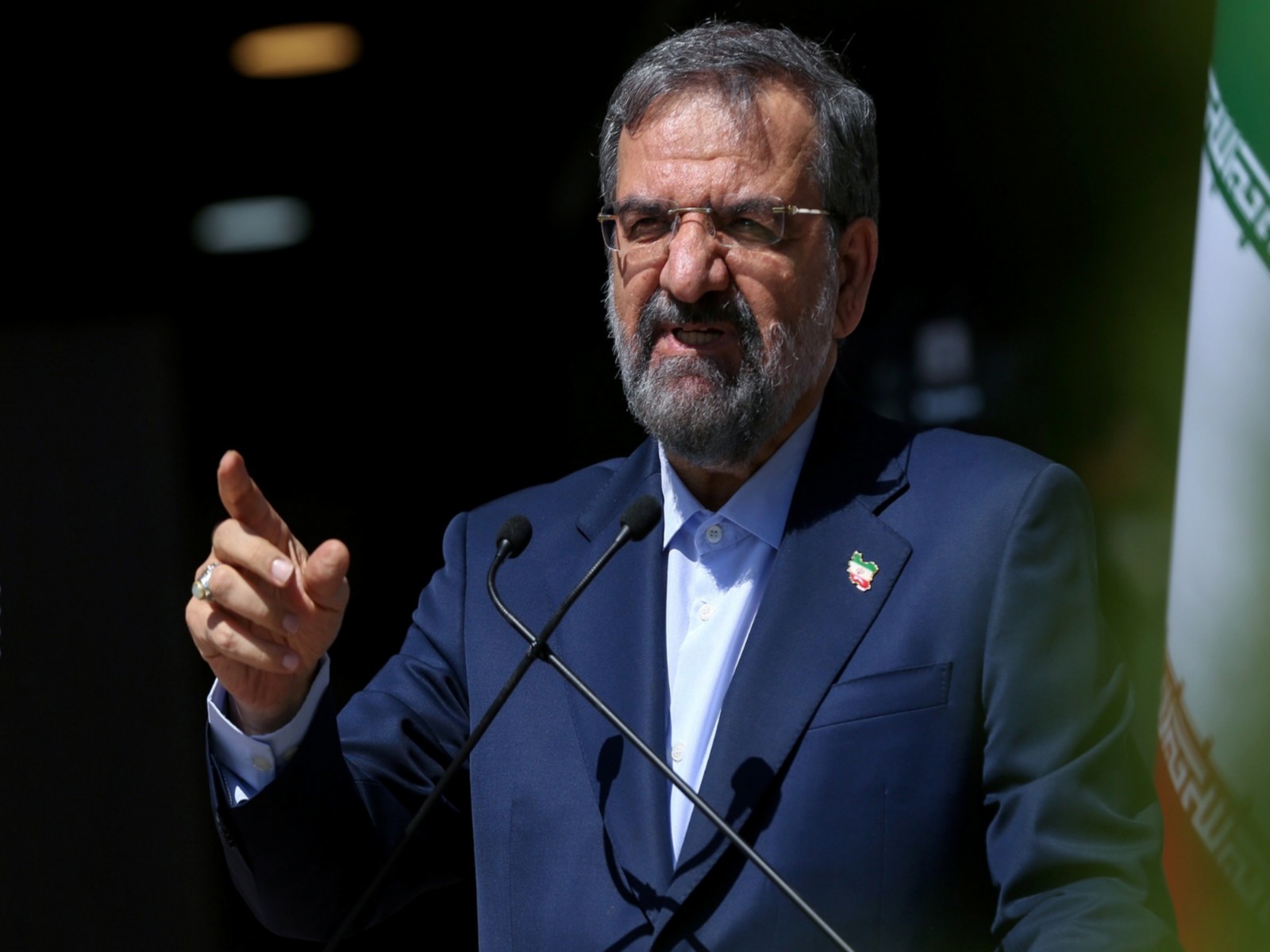
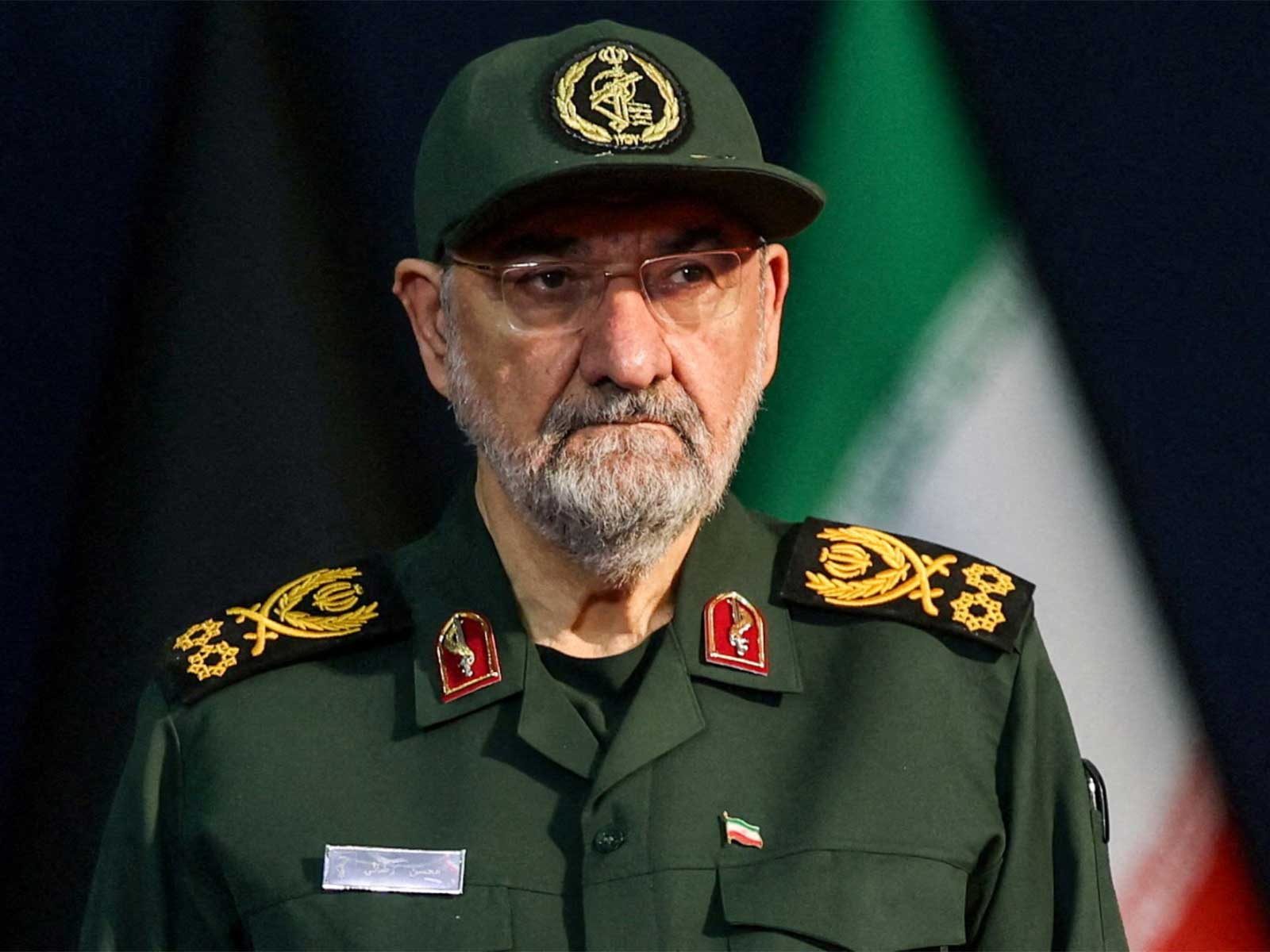
Tehran [Iran], August 23 : Iran's Secretary of the Supreme National Security Council (SNSC), Mohsen Rezaei, on Saturday (local time) warned neighbouring countries against joining the United States' economic campaign against Tehran, saying such participation would lead Iran to consider them enemies.
In an interview with IRIB, Rezaei said, "We are telling all surrounding countries not to participate in the economic war with America, otherwise we will consider it an enemy."
He said Iran was not seeking escalation but warned that Tehran would respond if neighbouring countries supported Washington's economic pressure measures.
"We are not seeking to escalate the war, but if the countries surrounding Iran join the Americans in an economic war, we will harm their interests," Rezaei said.
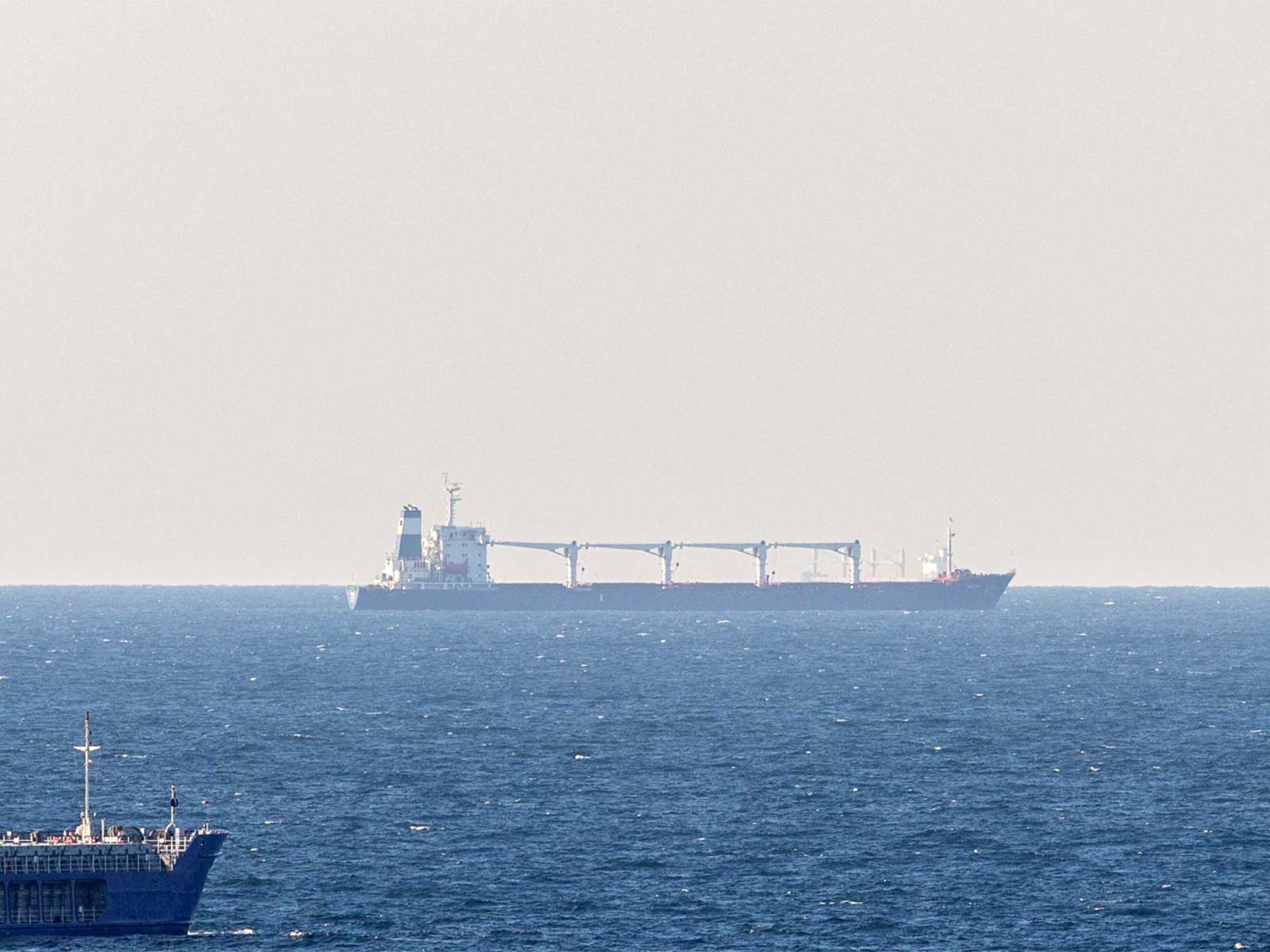
He further warned that Iran could block oil exports from the Persian Gulf and the Strait of Hormuz if regional countries joined the US campaign.
"If the countries surrounding Iran join the Americans in the economic war, not a single drop of oil will leave the Persian Gulf and the Strait of Hormuz, and we will also target other routes through which oil is exported from the Persian Gulf," he said.
His remarks come after US President Donald Trump has announced what he described as an "Economic D-Day" campaign against Iran, calling it the "most crushing economic operation ever taken against any country" and urging US allies to join Washington in isolating Tehran.
Trump said the new measures would target Iran's economic lifelines, including oil smuggling networks, financial transfers, exchange houses, ship registries and front companies.
"Oil smuggling, swap lines, cash transfers, exchange houses, ship registries, front companies -- It all needs to stop now," Trump said in a post on Truth Social.
"You know who you are. This will be an Economic D-Day, and we need all of our Allies to stand with the United States of America to isolate and defeat the Iran threat," Trump added.
Meanwhile, Iranian First Vice President Mohammad Reza Aref had earlier criticised the US economic pressure campaign, saying sanctions would not change the Iranian people's resolve.
"The government will not allow America's economic terrorism to target the economic stability and livelihoods of the people. The experience of the Islamic Revolution has shown that economic pressure is incapable of altering the will of the Iranian nation and instead yields the opposite result," Aref said in a post on X.
Iranian Foreign Minister Seyed Abbas Araghchi also rejected Trump's announcement, describing the latest US pressure campaign as "bound to fail" and saying previous sanctions policies had failed to force Tehran to change course.
"The so-called 'Economic D-Day' is a diversion from America's own crisis: unprecedented debt & surging interest costs," Araghchi had earlier said.
He also cited previous US sanctions efforts, saying earlier campaigns had failed and arguing that further pressure would only increase tensions.
Trump has maintained that Washington's measures are aimed at preventing Iran from developing nuclear weapons and said Tehran would not be allowed to acquire them.
"Iran will never have a nuclear weapon," Trump said, while warning that the US had "very draconian sanctions" available against Tehran.
The US President said Washington would decide its next course of action based on developments, adding that the situation could either result in a major fall in oil prices or a continuation of existing measures.
Iranian officials maintain that previous US sanctions strategies failed to force Iran to alter its course and argue that further economic pressure would produce the opposite effect.