Israel election chief Dean Livne calls for high voter turnout, warns against "fake news" ahead of Knesset polls
Oct 26, 2026
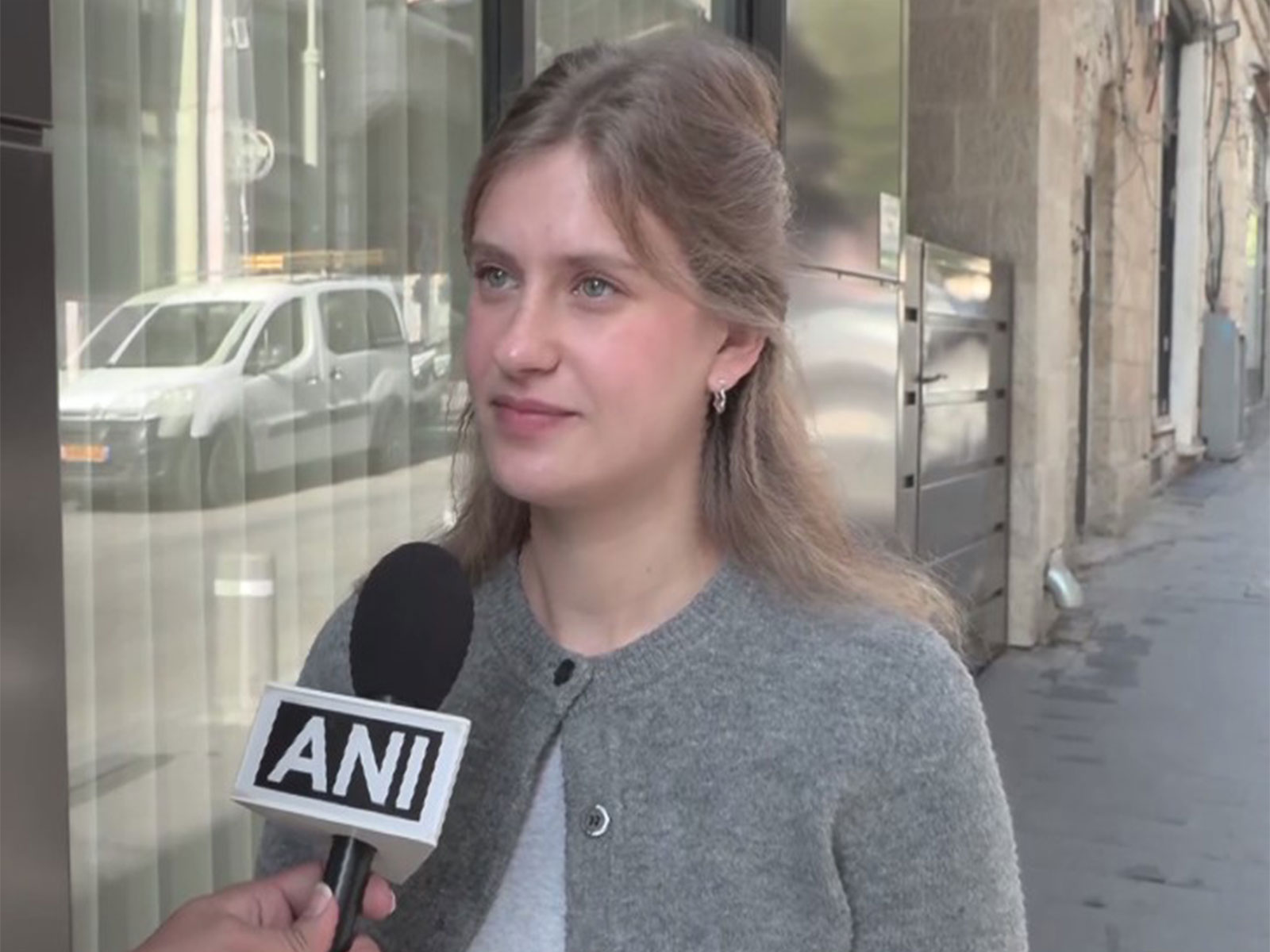
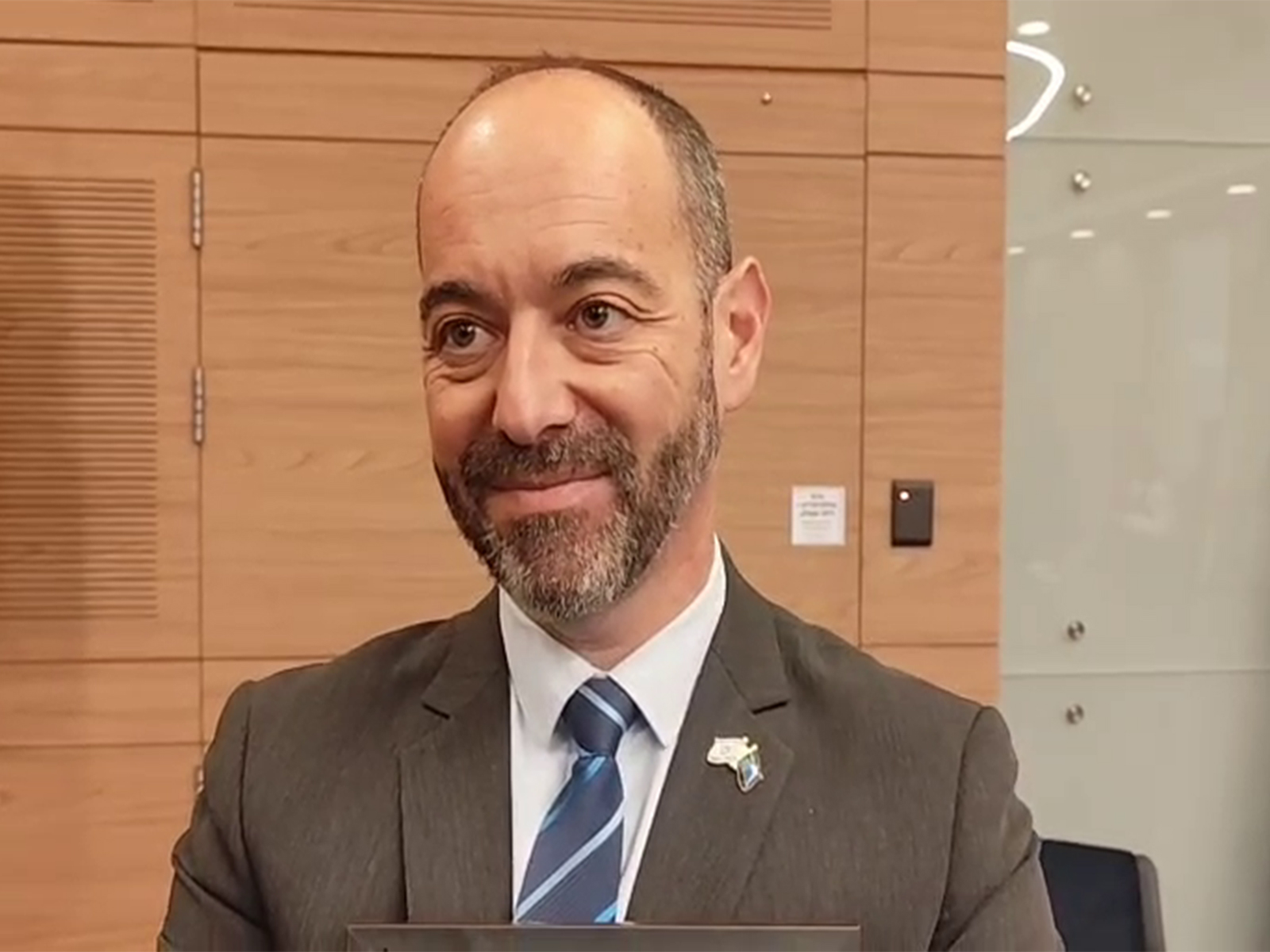
Jerusalem [Israel], October 26 : Israel's Central Election Commission Director General Dean Livne has urged citizens to reject misinformation circulating on social media and rely on official election authorities, calling on more than 7.3 million eligible voters to exercise their democratic right as the country prepares for the Knesset elections.
Speaking to reporters, Livne cautioned voters against believing unverified information on social media platforms and stressed the importance of participating in the electoral process which is set to take place on October 27.
“Please don't believe fake news. Don't believe what you get on WhatsApp, or on Facebook, or on TikTok. Only believe, regarding elections, your elections authority. We tell the truth on how you conduct elections. Go vote, it's very important,” Livne said.
Highlighting the scale of preparations, Livne said approximately 7.3 million eligible voters would be accommodated across 12,018 regular polling stations, with an additional 300 special voting locations arranged at hospitals, prisons and military installations.
“We'll have 7.3 million eligible voters on 12,018 voting booths—regular voting booths—and another 300 on special areas like hospitals, prisons, army, etc.,” he said.
Livne added that 450 million ballot papers had already been printed for the electoral exercise, which will be conducted across thousands of locations nationwide.
Describing the logistical arrangements, he said the election budget stood at around 700 million New Israeli Shekels, amounting to less than USD 150 million.
To facilitate voter participation, authorities have also arranged free public transport on Election Day.
“All the public transport will be free tomorrow, so everyone can come vote, free of charge. Just come vote,” Livne said.
The preparations involve extensive logistical and administrative arrangements, including polling infrastructure, ballot boxes, voting envelopes and personnel deployed to oversee the electoral process. Authorities have also undertaken training and accessibility measures to enable eligible citizens to cast their ballots.
Israel's parliamentary system comprises the 120-member Knesset, with political parties required to secure at least 3.25 per cent of valid votes to qualify for parliamentary representation. Voters cast ballots for party lists rather than directly electing the Prime Minister.
Following the election, political parties will need to negotiate coalition arrangements to form the next government, with at least 61 seats required for a parliamentary majority. President Isaac Herzog will assign a member of the Knesset the task of forming the government.
The election will take place amid heightened tensions in West Asia, including Israel's confrontation with Iran and continuing security concerns involving Hezbollah along its northern border.
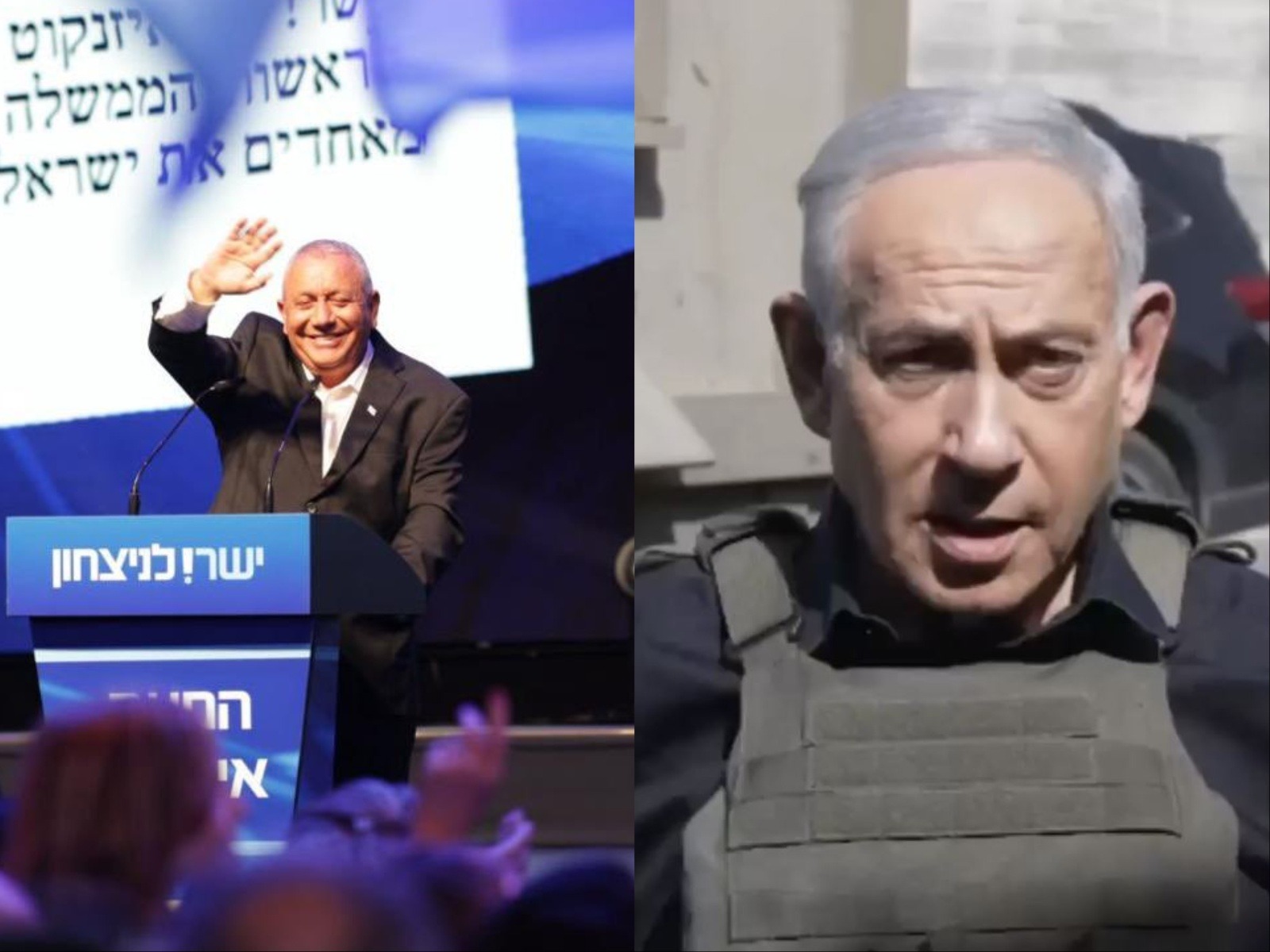
Prime Minister Benjamin Netanyahu's Likud party faces competition from opposition figures, including former military chief Gadi Eisenkot, alongside other political alliances led by former prime ministers Naftali Bennett and Yair Lapid.
Recent opinion polls, according to The Jerusalem Post, have indicated a closely contested election, with neither of the major political blocs projected to secure a clear majority independently.
The results are expected to shape the composition of the next Knesset and determine the course of coalition negotiations for Israel's next government.