“It is a 100% fair and free process”: Pramod Sawant defends SIR, rejects manipulation claims by Opposition
Oct 10, 2026
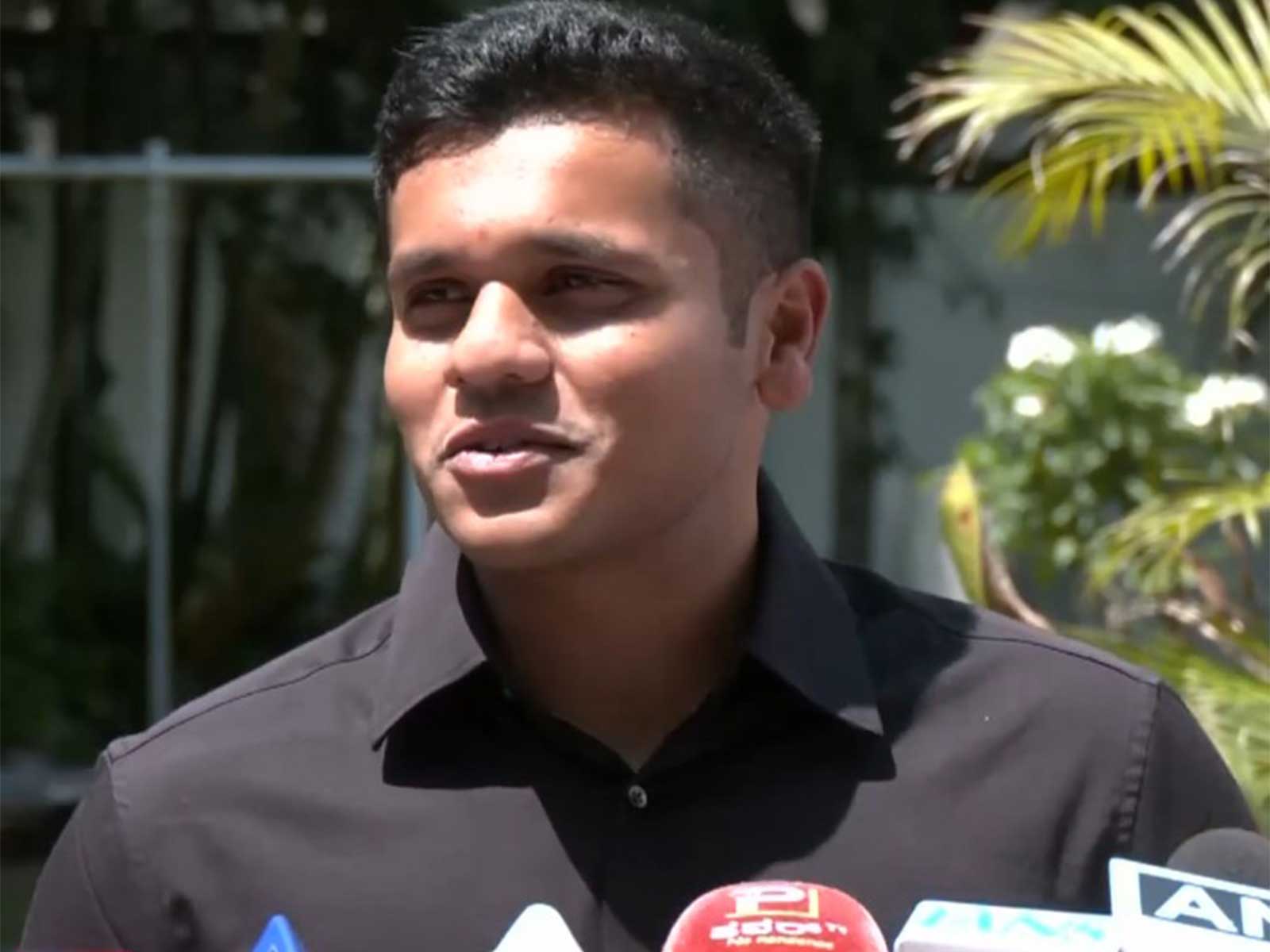
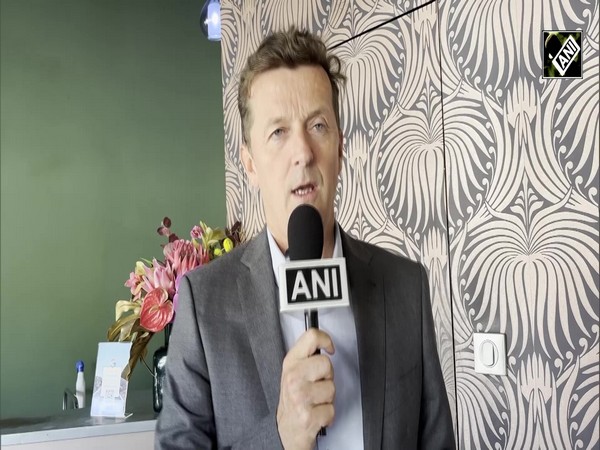
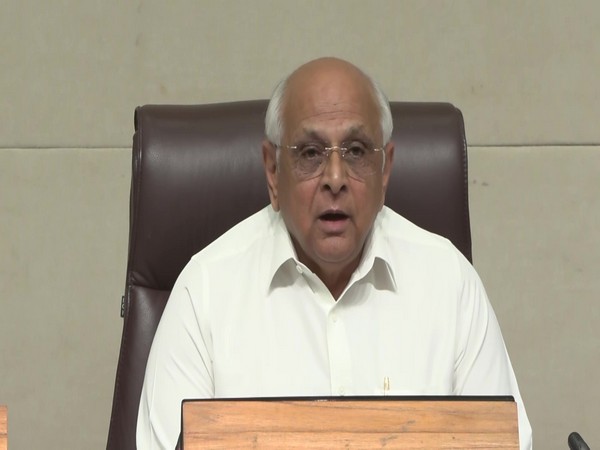
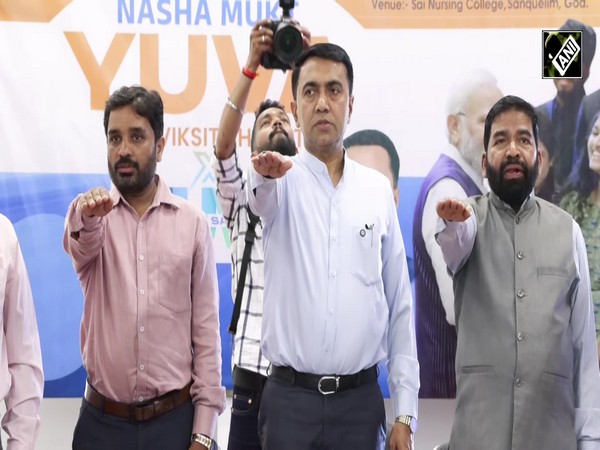
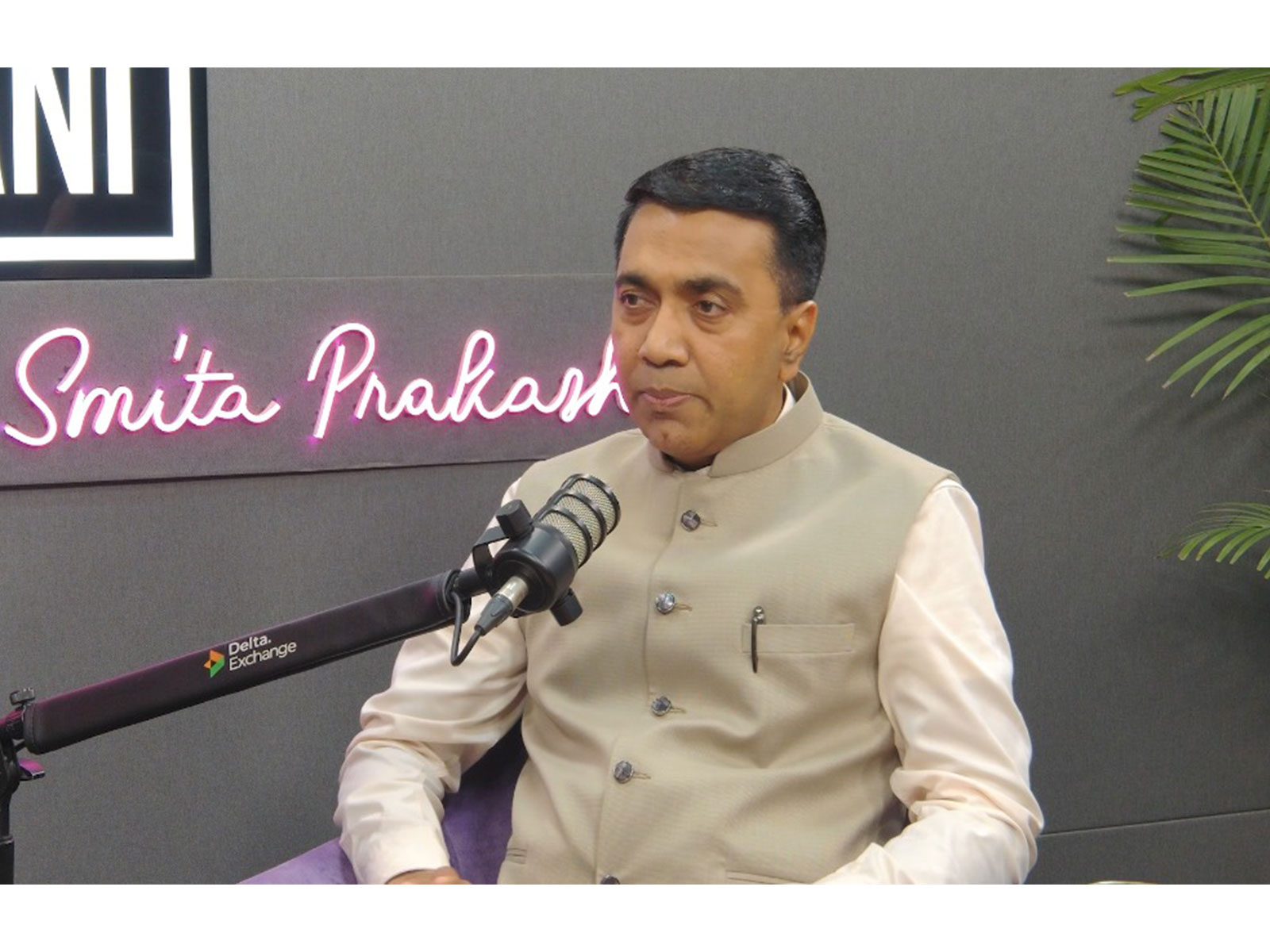
New Delhi [India], October 10 : Goa Chief Minister Pramod Sawant defended the integrity of the Special Intensive Revision (SIR) exercise, dismissing the Opposition’s allegations of electoral manipulation and asserting that the state’s electoral rolls were fair and transparent.
Sawant also said the deletion of names was linked to deceased voters, duplicate registrations and people who had migrated out of the coastal state, maintaining that Booth Level Officers (BLOs) were carrying out verification at the grassroots level.
In an exclusive interview with ANI, Sawant addressed questions about the deletion of 1.27 lakh names from Goa’s electoral rolls and allegations of irregularities, including a reported software problem involving 97 cases, further maintaining that eligible voters had been given the opportunity to re-register and that the revision process was necessary to ensure accurate electoral rolls.
Addressing questions about his political future ahead of the 2027 Assembly elections, Sawant said his continuation as Chief Minister would depend on the party leadership.
“Definitely, it is a party's decision. It is always the party's decision. But from 2019 till now, the party has given me the opportunity to serve the state. By the 27th of May, everything will continue according to the party's orders,” he said.
Highlighting his political journey and the influence of former Chief Minister Manohar Parrikar on his approach to governance, Sawant said the party had given him opportunities to serve in different capacities.
“The party has given me the opportunity to lead the state as the Yuvamurja president in 2008-12. When I got the ticket for the first time in 2012, I won the first time in 2012. Since then, I have continuously won three elections in 2012, 2017 and 2019. The party has chosen me as the Chief Minister for the state. But like Manohar Parrikar- his good governance, his transparency, his ability to make decisions, the way he used to work- we got to learn a lot of the better qualities from him," he added.
Turning to the criticism over electoral roll deletions, Sawant rejected allegations that the SIR exercise was being used to influence election outcomes. Referring to the reported cases involving a software problem, the Goa CM said some individuals whose names had been deleted were subsequently able to seek re-registration.
"In 1997, they got the opportunity again. They filled in Form No. 6 again. So their name came back into the role. Out of those 9 people who were left, 3 of them had a Portuguese passport. And 6 of them live abroad. I feel that in this way, through transference, those who did not live there- how could they go to the BLO and say their name automatically? They were not there; they had shifted from there. So then it was right for them to fill Form 6 again. So automatically, it was deleted from there. But no one stopped them from filling Form 6 again. And again, the BLO and the Election Commission facilitated them to do the necessary, whatever the Form 6 and everything. Three people who have Portuguese passports," he added.
Asked whether the controversy was a matter of concern for a Chief Minister, Sawant described the exercise as a transparent process and rejected allegations that electoral rolls were being manipulated to benefit the BJP.
“I think it is a transference process. It is a transference process, and state election commissions, the affidavit that has to be given to the High Court, whatever it is, it is a complete transference,” the Goa CM said.
Responding to questions about the deletion of more than one lakh names, Sawant said many of the entries belonged to deceased voters or people who had shifted elsewhere, including migrant workers who had returned to their respective states.
“If there is a death, then how will they remain in their role? Those who had dual voting, those who are in Karnataka, those who had voting in Goa, from different states, their voting was in Goa. So where they have to maintain, where they have to keep, that is their job,” he further added.
He also argued that migration and duplicate registrations needed to be addressed to maintain accurate electoral rolls, adding that people who had moved away from Goa should not continue to be registered as voters in the state if their circumstances required their names to be updated.
“Earlier, people used to live in Goa, but they have shifted. So, if they shift, they will not remain in the role of Goa. When you spoke about 100,000 votes, many of those votes were dead. Later, their names were deleted. The rest all have shifted. They were migrant votes. So, they went back to their state,” Sawant said.
Maintaining that the process was fair, Sawant said BLOs were in regular contact with voters and had a better understanding of local residents in a smaller state such as Goa.
“It is a 100% fair and free process. Every person has been given an equal opportunity. And again, they have been given equal rights. The BLO is continuously in touch with them. And the place where they don't even live, three times, four times, in small states like Goa,” he added.
The Chief Minister further stated that each BLO typically handled between 500 and 700 voters at a polling booth, allowing officials to identify residents who had moved away or were no longer living at their registered addresses.
“A BLO has a maximum of 500 to 700 voters in one booth. And because the BLO is the agent of that booth, it knows who lives there and who doesn’t. And it can come and go there during the day. The other states are different. In small states like Goa, they don’t stay there. They know it themselves. After that, it will fill out the form and say, yes, shifted, yes, not there,” he added.
The Chief Minister also criticised the Congress and other Opposition parties for questioning the credibility of electronic voting machines (EVMs) and the SIR exercise, arguing that such objections emerged after electoral defeats.
“First, the opposition party has come to the EVM. Because the EVM is going wrong. In the state in which they won, the EVM is going well. They won in Karnataka, Kerala, Telangana. EVM is good. If there is no talk of the EVM, they came directly to the SIR. I am asking that in 2001, when SIR happened, it was the Congress party. This is not the first thing to do. It has happened before. Every time, every 10 years, SIRs have come. In the same way, names are being deleted.”
Sawant said electoral rolls needed to reflect the eligibility and current circumstances of voters, adding that people who had shifted to other states or were registered to vote in multiple places could not retain duplicate registrations.
“When someone comes to Bangladesh and makes his own vote and lives in his own country, how will it work? I mean, there are rights for voters in their own country to vote for this country. Then this will not work. This is their politics. When they don’t win, they come to the EVM and SIR. And when they win, the EVM is fine. This is only politics to show for the people. Nothing else. They can’t do politics directly. That’s why they are doing politics on the streets.”
The remarks came amid a wider political debate over electoral roll transparency, with Opposition parties alleging that the SIR exercise had led to large-scale irregularities in the electoral rolls. The Election Commission has maintained that the revision is aimed at ensuring accurate and valid electoral rolls, with provisions for eligible voters to file claims and objections.