Jharkhand govt to move resolution against SIR in Assembly today; seeks halt, fresh process with transparent SOP
Nov 25, 2026
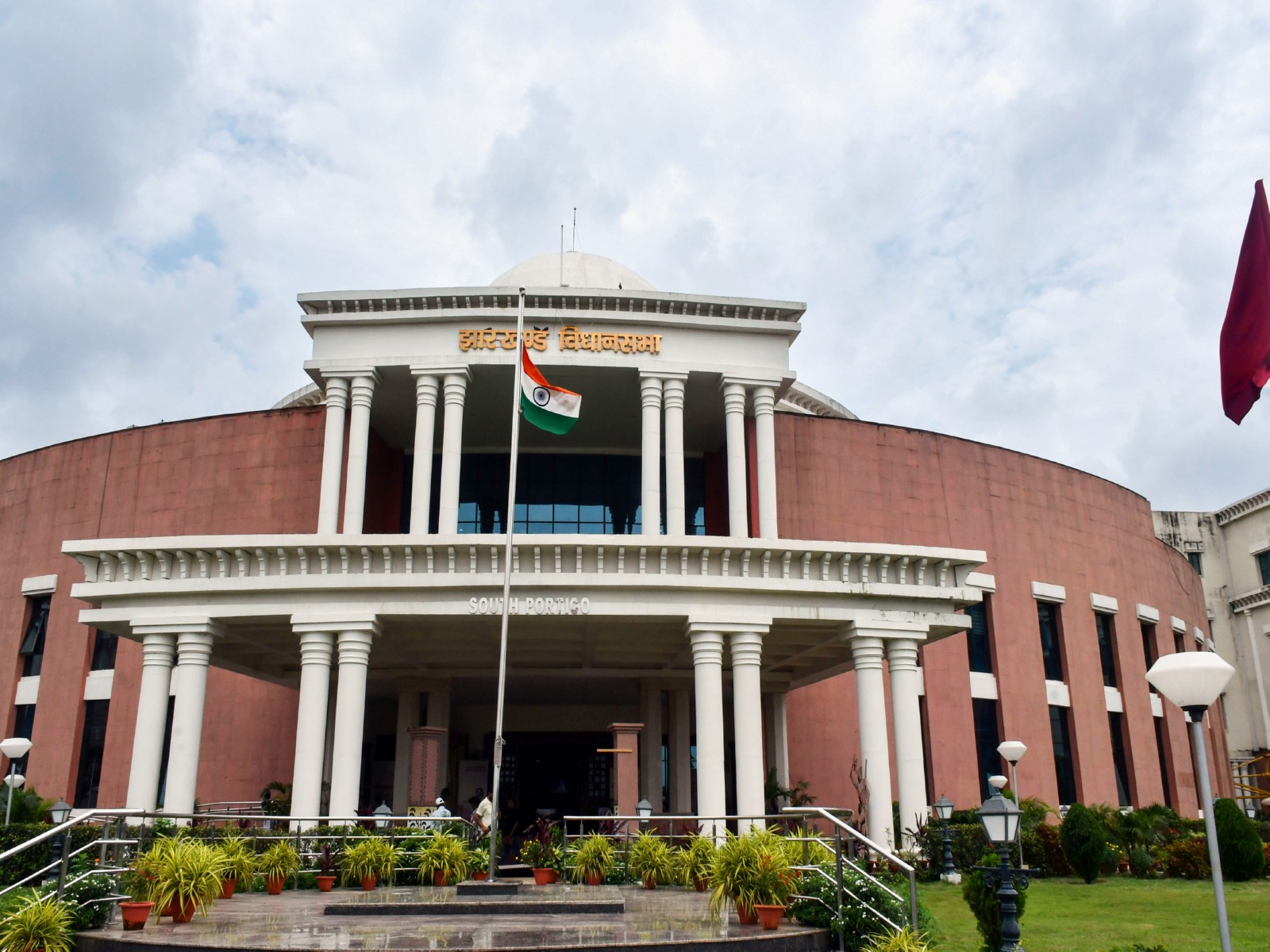
Ranchi (Jharkhand) [India], November 25 : The Jharkhand government is set to move a resolution against the ongoing Special Intensive Revision (SIR) of electoral rolls during a special two-day session of the state Legislative Assembly beginning Wednesday.
Chief Minister Hemant Soren will move the resolution, which raises concerns over the difficulties allegedly faced by voters during the revision exercise conducted by the Election Commission of India (ECI).
According to the resolution listed for discussion in the Assembly, "Due to procedural complexities, technical shortcomings and the documents being sought during the SIR process, even genuine voters are facing considerable difficulties."
It further states that "in some cases, voters have been placed on the list of doubtful voters merely because of spelling mismatches in their names."
Highlighting the scale of the issue, the resolution states that out of a total of 2.64 crore voters in Jharkhand, the names of 2.21 crore voters were published in the first phase of the draft electoral roll, indicating that approximately 16 per cent of voters' names were deleted.
It further states, "Of the total 2.21 crore voters included in the draft electoral roll, notices were issued to approximately 27 per cent, categorising them as doubtful voters. More than 75 per cent of the cases in which notices were issued relate merely to logical discrepancies, such as spelling mismatches in parents' names, age differences and the number of successors."
The resolution also claims that more than 38 per cent of the state's total voters have either been deleted from the electoral roll or issued notices on the grounds that they are doubtful voters.
Emphasising the constitutional protection of voting rights, the state government has referred to Article 326 of the Constitution, stating that universal adult suffrage is a constitutional right and that no eligible voter can be deprived of it through any rule, regulation or procedure.
The resolution states, "The state government has in principle agreed to the conduct of the Special Intensive Revision (SIR). However, universal adult suffrage, as guaranteed under Article 326 of the Constitution of India, is a constitutional right, and no eligible voter can be deprived of this constitutional right through any rule, regulation or procedure."
It further proposes that "the ongoing SIR exercise should be put on hold and its format suitably modified" to maintain public confidence in the electoral process.
The government has also called for a fresh exercise after consultations with all states and political parties. The resolution states that "transparent rules and a simple, universally acceptable procedure" should be incorporated into a Standard Operating Procedure (SOP) before the revision is undertaken afresh.
The resolution has highlighted the particular difficulties faced by Jharkhand's tribal communities, especially Particularly Vulnerable Tribal Groups (PVTGs), citing differences in social, cultural and educational circumstances.
It states that "the situation is even more challenging in a tribal-dominated state like Jharkhand" and points to instances where differences in the age gap between parents and children have been treated as logical discrepancies during the SIR exercise.
The resolution lists several problems faced by voters, including the absence of documents among the elderly, non-acceptance of Aadhaar, ration and voter identity cards as proof, and the exclusion of Khatiyan (land records) from the 11 suggested documents.
The document also lists problems faced by migrant workers, elderly people and women. It notes that lakhs of workers from Jharkhand employed in cities such as Delhi, Mumbai and Surat found it difficult to return to the state to fill out enumeration forms.
On elderly voters, the resolution states that those born before 1987 were asked to provide their parents' documents, although most did not possess such records.
It also highlights difficulties faced by women who moved to another village after marriage, widowed women and divorced women due to differences or the absence of updated documents.
The government has additionally raised concerns over the short time given for the exercise, stating that Booth Level Officers (BLOs) were required to reach more than 1,000 voters within two to three weeks.
The resolution also refers to the experience in neighbouring West Bengal, stating that more than 90 lakh voters' names were deleted during the SIR conducted before the previous Assembly elections. It notes that tribunals constituted following a Supreme Court order have received more than 38 lakh appeal applications, with many applicants still awaiting decisions.
"If these people are subsequently found to be eligible voters through the tribunal's decisions, how justified is it to have deprived them of their legal right to vote?" the resolution asks.
Against this backdrop, the Jharkhand government has sought the Assembly's approval to forward its resolution to the Centre and other competent authorities.
The resolution notes that the proposal has the approval of the Chief Minister, pending approval of the Council of Ministers.
The special two-day session is also scheduled to take up a resolution concerning the Mines and Minerals (Development and Regulation) Amendment Bill (MMDR).
The Assembly proceedings are scheduled to commence at 11 am on Wednesday.