JNU cancels permission for Umar Khalid book discussion, cites 'non-disclosure of full facts'
Aug 09, 2026
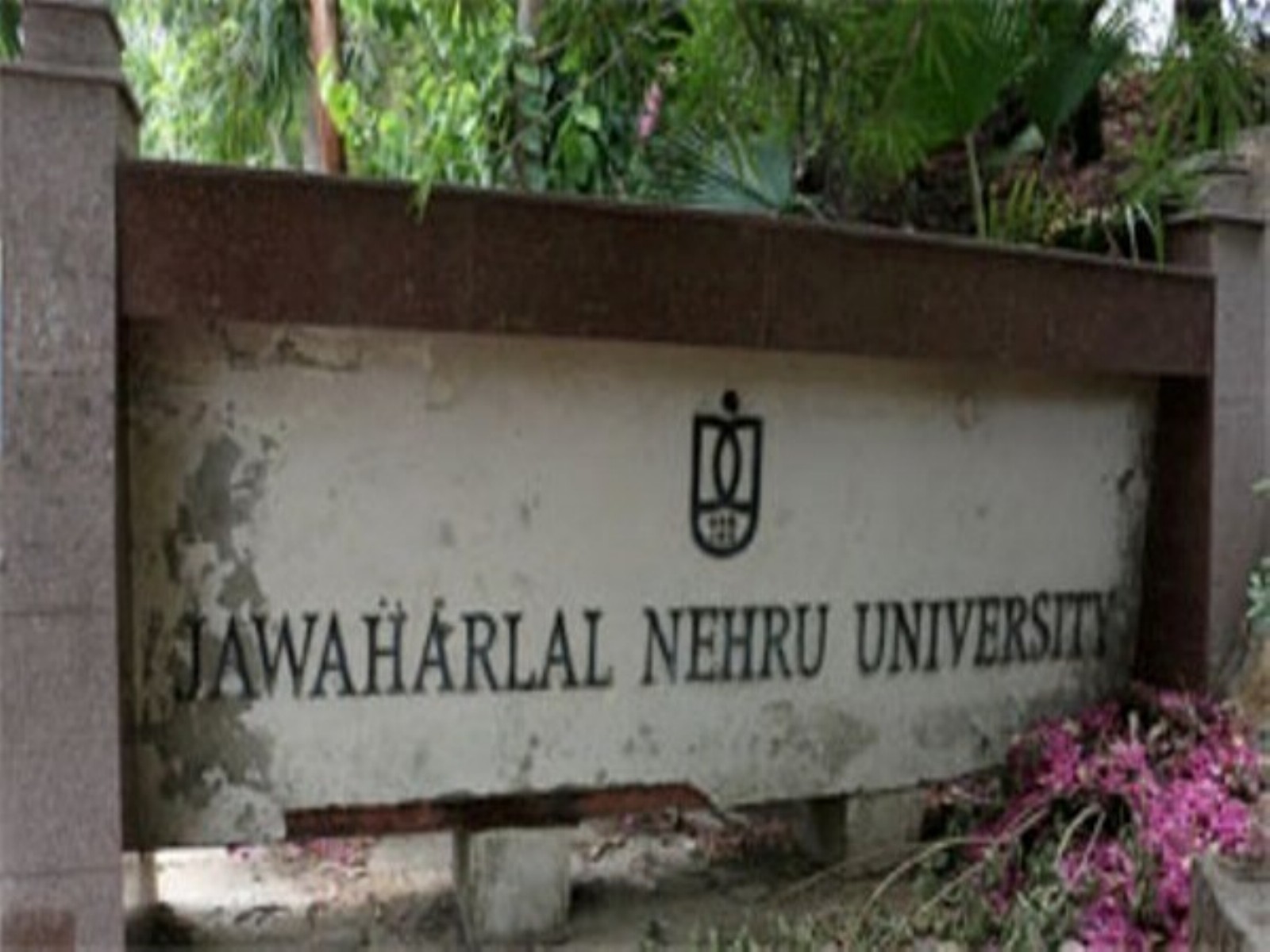
New Delhi [India], August 9 : The Jawaharlal Nehru University (JNU) has cancelled the booking of its auditorium for a discussion on former student Umar Khalid's book Fractured Communities: Adivasi Histories and the Politics of Power, citing "non-disclosure of the full facts about the programme".
The event was scheduled to be held on August 10 from 3 pm to 6 pm at the School of Social Sciences (SSS-I) auditorium.
The programme was organised as a discussion on the occasion of the International Day of the World's Indigenous Peoples.
In a statement issued on X on Sunday, JNU said, "The booking of the auditorium SSS-1 stands cancelled because of non-disclosure of the full facts about the programme."
The university added that JNU is a "democratic and decentralised institution" and that the permission had been granted by the Dean, SSS, who subsequently took action to cancel the event.
The event poster listed Professor Prabhu Mohapatra, Professor Uma Chakravarti, Shuddhabrata Sengupta, Harsh Mander and Banojyotsana Lahiri among the speakers.
The booking record had also mentioned Professor Avinash Kumar as the faculty representative. The auditorium booking was confirmed on August 7.
JNU, however, has not specified what particular details about the programme were allegedly not disclosed.
Khalid, a former JNU student, is the author of Fractured Communities, which examines Adivasi histories and the politics of power.
The cancellation comes days after another event at JNU, an ISKCON programme, was cancelled following objections from the JNU Students' Union over alleged violation of university rules governing the use of campus facilities by religious organisations.
Meanwhile, the Jawaharlal Nehru University Students' Union (JNUSU) condemned the "arbitrary" and "authoritarian" decision of the JNU Administration to cancel the booking of the SSS-I Auditorium for a scheduled discussion on Umar Khalid's book, Fractured Communities on the World Adivasi Day.
In a statement, the JNUSU reiterated that discussing a book is a fundamental part of academic culture and democratic engagement on any university campus. "By cancelling the venue for this event, the JNU Administration has once again exposed its anti-student and anti-intellectual agenda, one that seeks to suppress critical thought and silence dissenting voices rather than foster the free exchange of ideas that a university is meant to protect."
"The administration's stated reason, that "full details" were not disclosed at the time of booking, rings hollow. It was the Dean of the School of Social Sciences who himself instructed that the booking be made in that very format. This contradiction lays bare the administration's true intent: to manufacture a pretext for censorship. We also cannot ignore the double standards at play. The same administration, under the current Vice Chancellor, extended full cooperation and space across campus for ISKCON events, while denying space for a legitimate academic discussion. This selective application of rules raises serious questions about whose interests the administration is truly serving, certainly not those of the student community or the principles of academic freedom," the statement added.
The JNUSU emphasised that the book is a serious, long academic work on the struggle of Adivasi resistance and their struggles of Jal, Jungle and Jameen and cancelling the discussion on the same book exposes the "Admin anti-Adivasi ideology".
"We further note that this crackdown comes even as serious questions of institutional integrity remain unanswered. A recent investigative report by journalist Alok Rajput, published by the Reporters' Collective, has raised concerns regarding multiple faculty recruitments at the level of Associate Professor and Professor under the current Vice Chancellor's tenure, alleging that several appointees did not meet the minimum qualifications on teaching experience and publications as specified in the original advertisements," it said.
"JNUSU condemns in the strongest terms these tactics of intimidation and censorship by the JNU Administration. However, let it be clear: cancelling a room does not cancel a conversation. No administrative order can suppress the right of students to think, question, and discuss," the student union asserted.
"We call upon the entire JNU community, students, faculty, and staff alike, to stand in solidarity and defend the academic and democratic character of our campus. The discussion on Fractured Communities will proceed as planned, outside the SSS-II building, in the open, where ideas cannot be locked away. Come in large numbers. Defend your right to know, to read, and to discuss," it said.