JSMM Chairman outlines vision for independent Sindhudesh, calls for welfare state and ‘Raja Dahir Port’
Sep 20, 2026
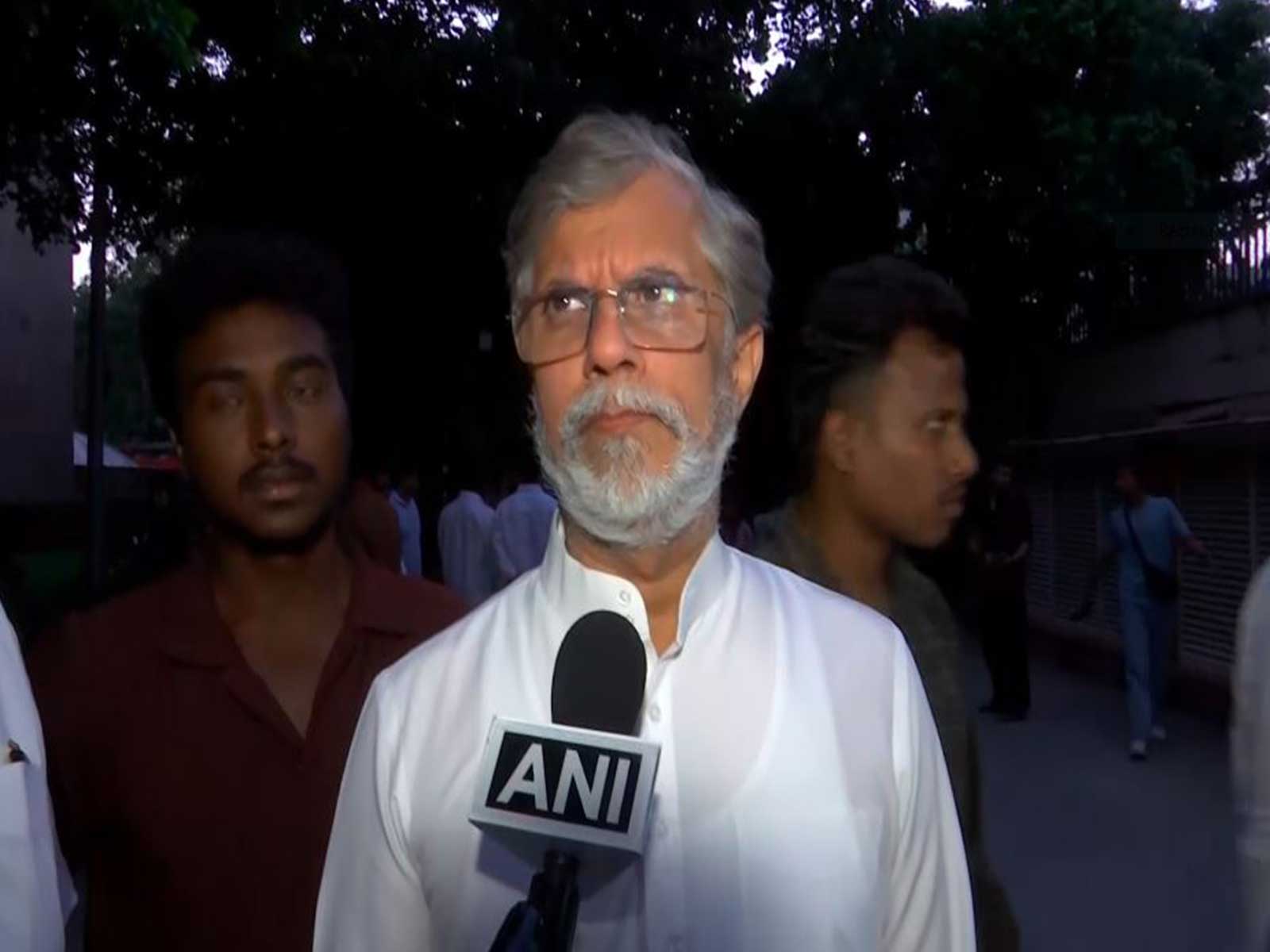
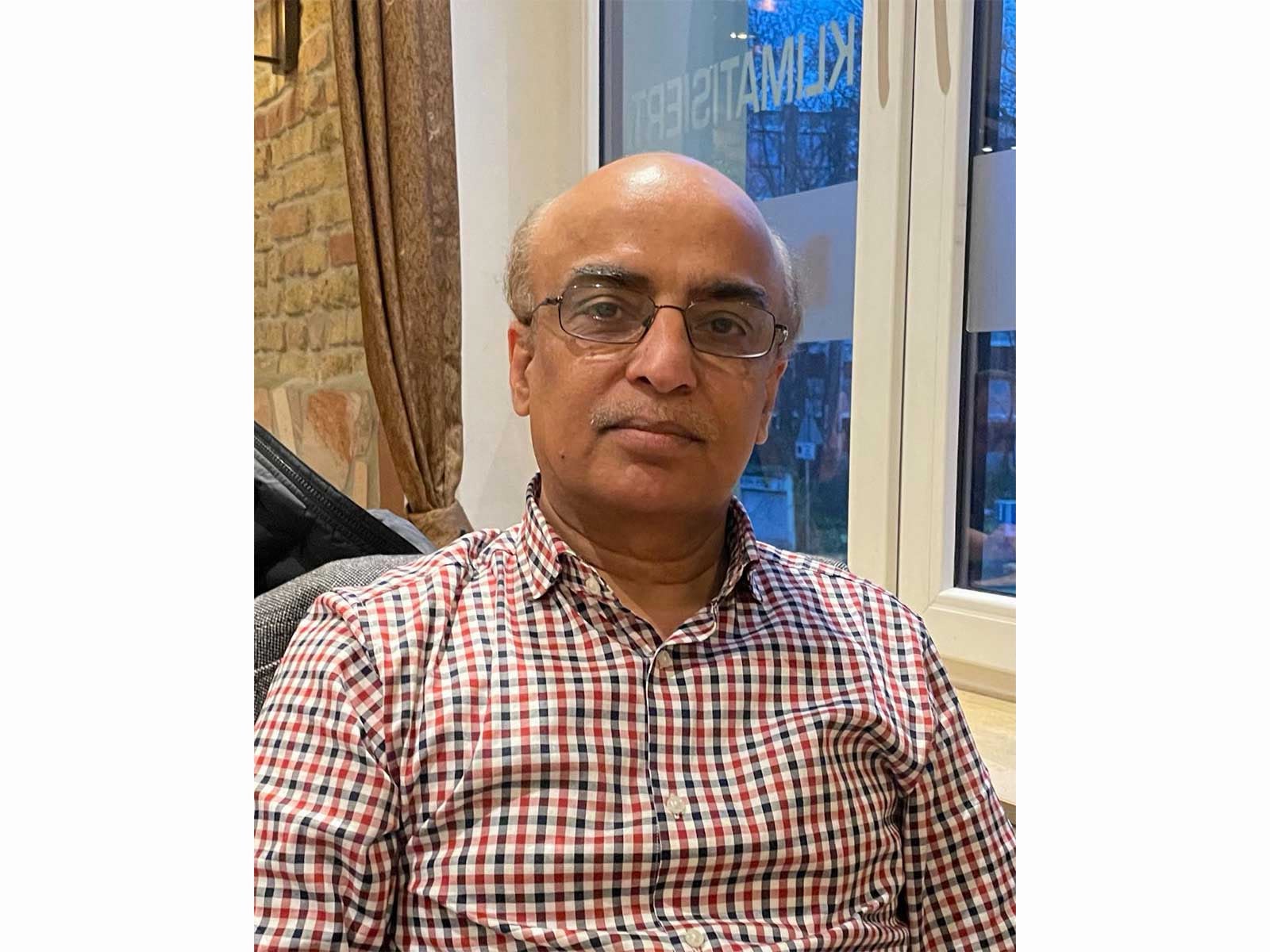
Berlin [Germany], September 20 : Jeay Sindh Muttahida Mahaz (JSMM) Chairman Shafi Burfat has outlined his vision for an independent Sindhudesh, proposing a modern, democratic, welfare-oriented and secular state centred on social welfare, equal rights, economic development and the management of Sindh’s natural resources.
In a detailed post on X, Burfat said that following independence, citizens would have primary rights over the region’s wealth, natural resources, seaports, maritime trade, energy and agricultural produce.
According to Burfat’s post, residents of Karachi would be provided with clean drinking water, electricity and gas free of charge up to a prescribed basic quota. He said modern infrastructure, renewable energy projects, water desalination and purification plants, and a transparent administrative system would be established to ensure equitable access to essential utilities.
Burfat further stated that education, primary and essential healthcare and decent housing would be treated as state responsibilities.
As cited in his post, a public education system would provide schooling and higher education without discrimination based on wealth, class, ethnicity, language, religion or social status. He also proposed free access to public hospitals, medicines, maternity care, emergency services and primary healthcare.
The JSMM chairman said the proposed state would be constitutionally obligated to create employment opportunities. Until employment could be provided, unemployed citizens would receive social security support covering basic housing, food, healthcare and living expenses, according to his post.
Burfat also proposed a social safety net for senior citizens, persons with disabilities, orphans, widows, unemployed people and those unable to work, stating that no citizen should face destitution because of hunger, homelessness, poverty or lack of medical care.
Drawing comparisons with international welfare models, Burfat referred to Germany, Northern European countries and Singapore. He said an independent Sindhudesh would develop a transparent and sustainable welfare system based on its own history, resources and social requirements.
A major component of his economic vision involves Karachi Port. According to Burfat’s post, it would be renamed “Raja Dahir Port” after the historic Sindh figure and developed into a world-class free port and free trade zone aimed at attracting global commerce, industry, technology, maritime activity and foreign investment.
Burfat said investors would be provided with transparent legal frameworks, streamlined administration, modern port infrastructure and a secure business environment. However, he added that investment would not be accepted at the expense of the rights of the indigenous population, labour protections, national interests or environmental safeguards.
He further proposed that a substantial portion of revenue generated by the proposed port be directed towards education, healthcare, housing, clean water, energy, infrastructure and social security, with local employment, technical training and regional economic development given priority.
On governance and civil rights, Burfat described his proposed Sindhudesh as a secular state with no state religion. As mentioned in his post, Muslims, Hindus, Christians, Sikhs, Parsis, Jews, non-religious people and followers of other beliefs would enjoy equal rights before the law.
He also called for equal constitutional, political, economic and social rights irrespective of colour, race, language, nationality, religion, sect, sex, gender identity, social background or political ideology.
Burfat proposed equal opportunities, rights and pay for women and men across politics, the economy, academia, the judiciary, defence and administration. He said discrimination against women, religious minorities and vulnerable groups would be made punishable under the law.
According to the post, government appointments and public-sector employment would be based on merit, education, competence, experience and transparent competitive selection rather than political affiliation, dynastic ties, religion or personal patronage.
Burfat also proposed an autonomous Public Service Commission, independent accountability institutions and an independent judiciary to address corruption, nepotism, political interference and abuse of state power. He said state officials, including the President, Prime Minister, ministers and civil servants, would be equal before the law.
On economic resources, Burfat said revenues from ports, oil, natural gas, coal, agriculture, maritime assets, minerals, manufacturing and international trade would be used for collective welfare rather than concentrated among families, oligarchic groups or ruling elites. He also proposed a statutory right to information concerning the national budget, state contracts, natural resources, foreign investment and government revenues.
Burfat said the proposed state would pursue a foreign policy based on peace, security, mutual respect and peaceful coexistence. As cited in his X post, independent Sindhudesh would seek relations based on sovereign equality, national integrity, non-interference and mutual interests with countries including India, Iran, Afghanistan, Bangladesh, Sri Lanka and states in the Middle East.
He also proposed bilateral and multilateral cooperation in areas including defence, regional security, trade, education, healthcare, science and technology, culture, environment and human development.
The post further placed emphasis on preserving and promoting Sindh’s historical and archaeological heritage, including Mohenjo-daro, Kot Diji, Makli, Bhambhore and Ranikot, alongside Sindhi language, literature, music and Sufi traditions.
Burfat concluded by describing independent Sindhudesh as a common homeland for its citizens, where national liberation would be supported by social justice, human dignity, equality, shared prosperity, religious freedom, the rule of law and peace.