Kanchipuram silk sarees weave tradition, prestige and economic strength
Apr 21, 2026
Kanchipuram (Tamil Nadu) [India], April 21 : In India, a saree is more than just attire; it is emotion, identity, and tradition woven together. Among the country's many iconic weaves, the silk sarees of Kanchipuram stand out for their timeless elegance and royal appeal. Known as the "Silk City," this town in Tamil Nadu has earned global recognition for its exquisite Kanchipuram sarees, celebrated for their richness, durability, and intricate craftsmanship.
These sarees are not just garments; they are a reflection of India's cultural pride and artisanal excellence.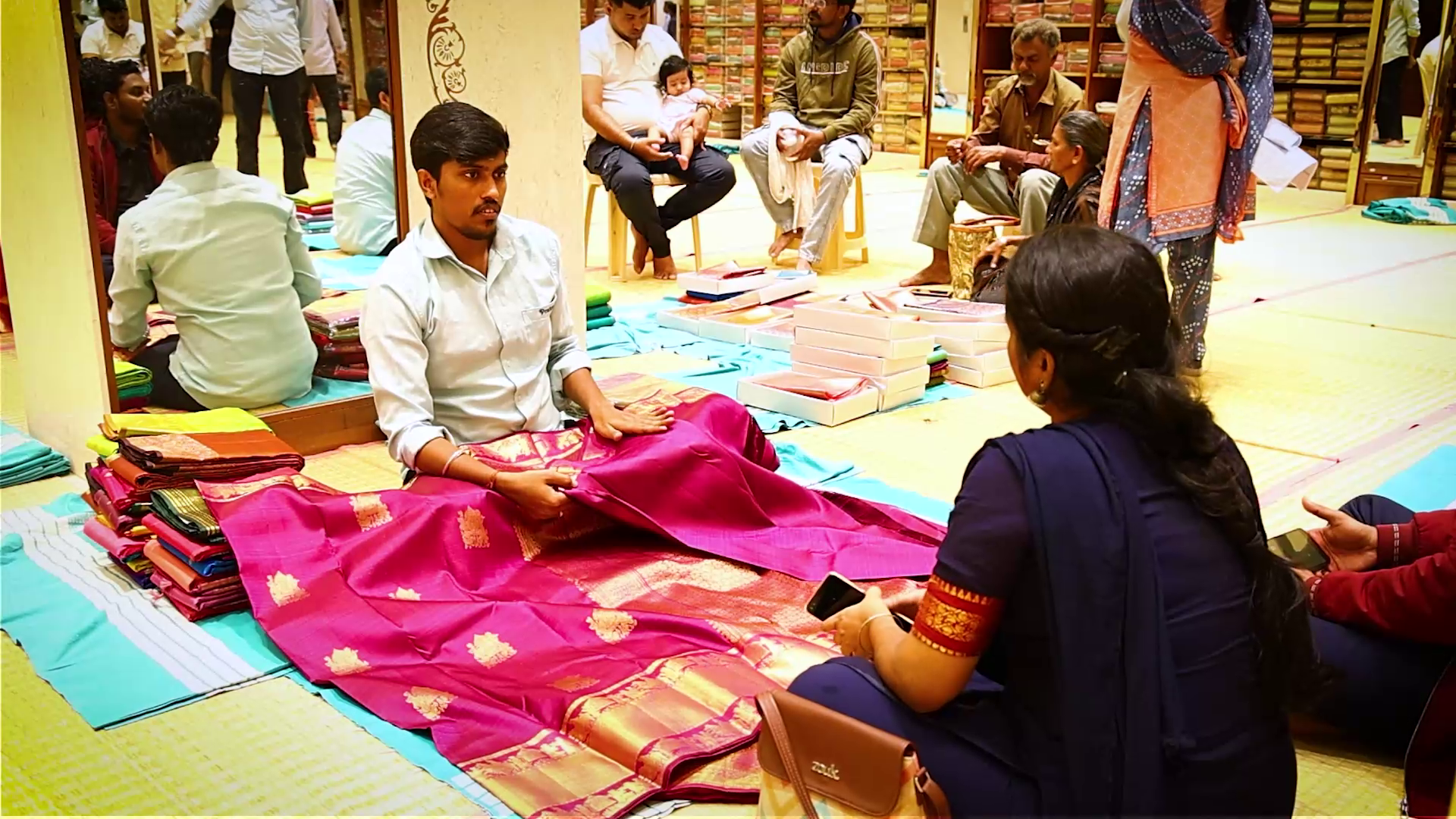
Handwoven from pure silk and often interlaced with gold and silver zari, each piece carries a distinctive sheen and a bold, luxurious texture that sets it apart.
Vaishnavi Reddy, a visitor from Hyderabad, described their appeal: "Kanchipuram sarees immediately capture your attention. The detailing is extraordinary; every part reflects simplicity, grace, and a royal character. They are never overly flashy, yet they leave a strong and lasting impression."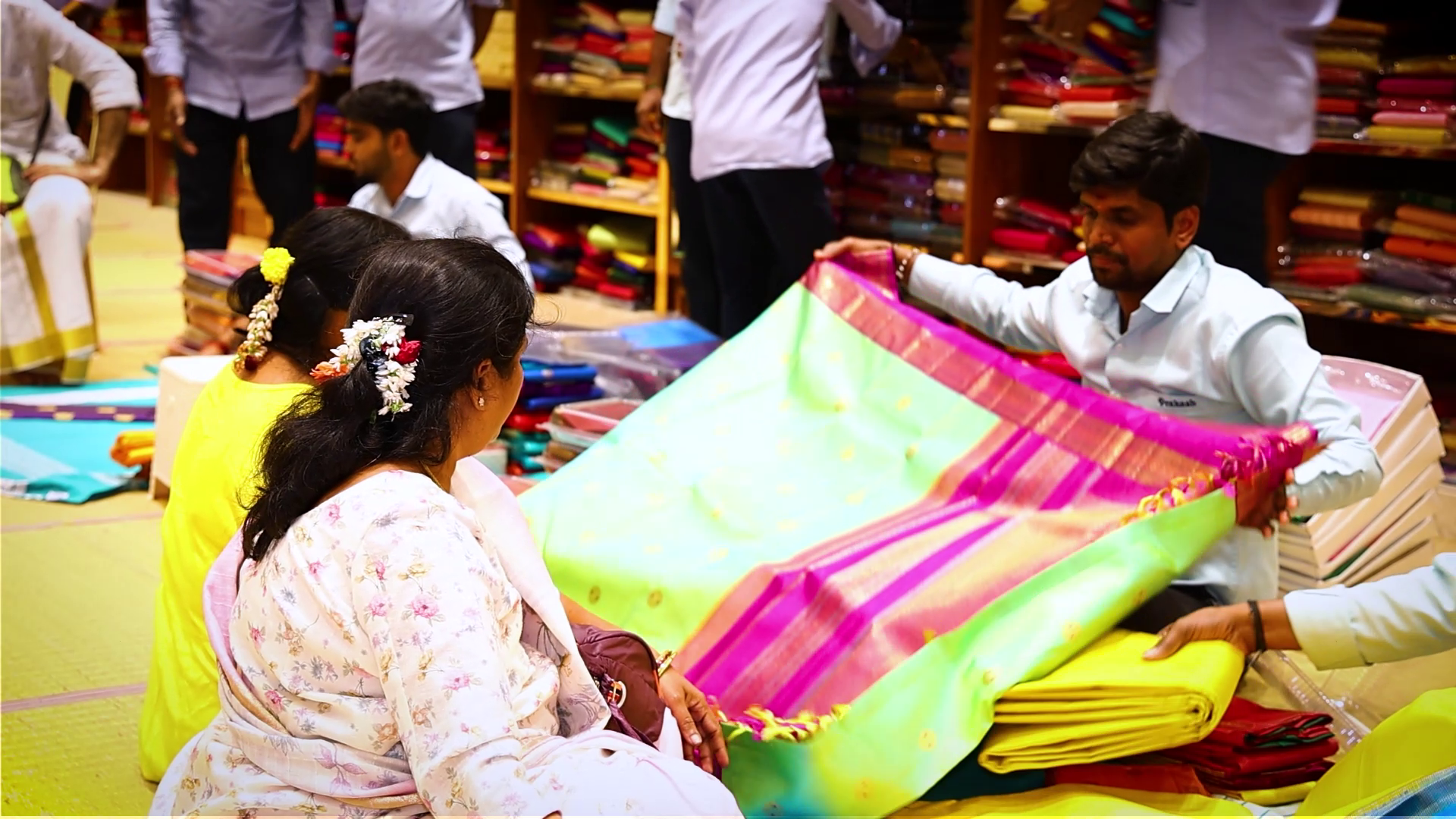
The story of Kanchipuram silk dates back nearly four centuries. Historical accounts suggest that skilled weavers migrated from Andhra Pradesh, bringing with them techniques that evolved under the influence of temple architecture and traditions.
Initially crafted for temple deities, these sarees carry a deep spiritual and cultural connection. Over time, they became synonymous with celebrations, weddings, and special occasions, both in India and abroad.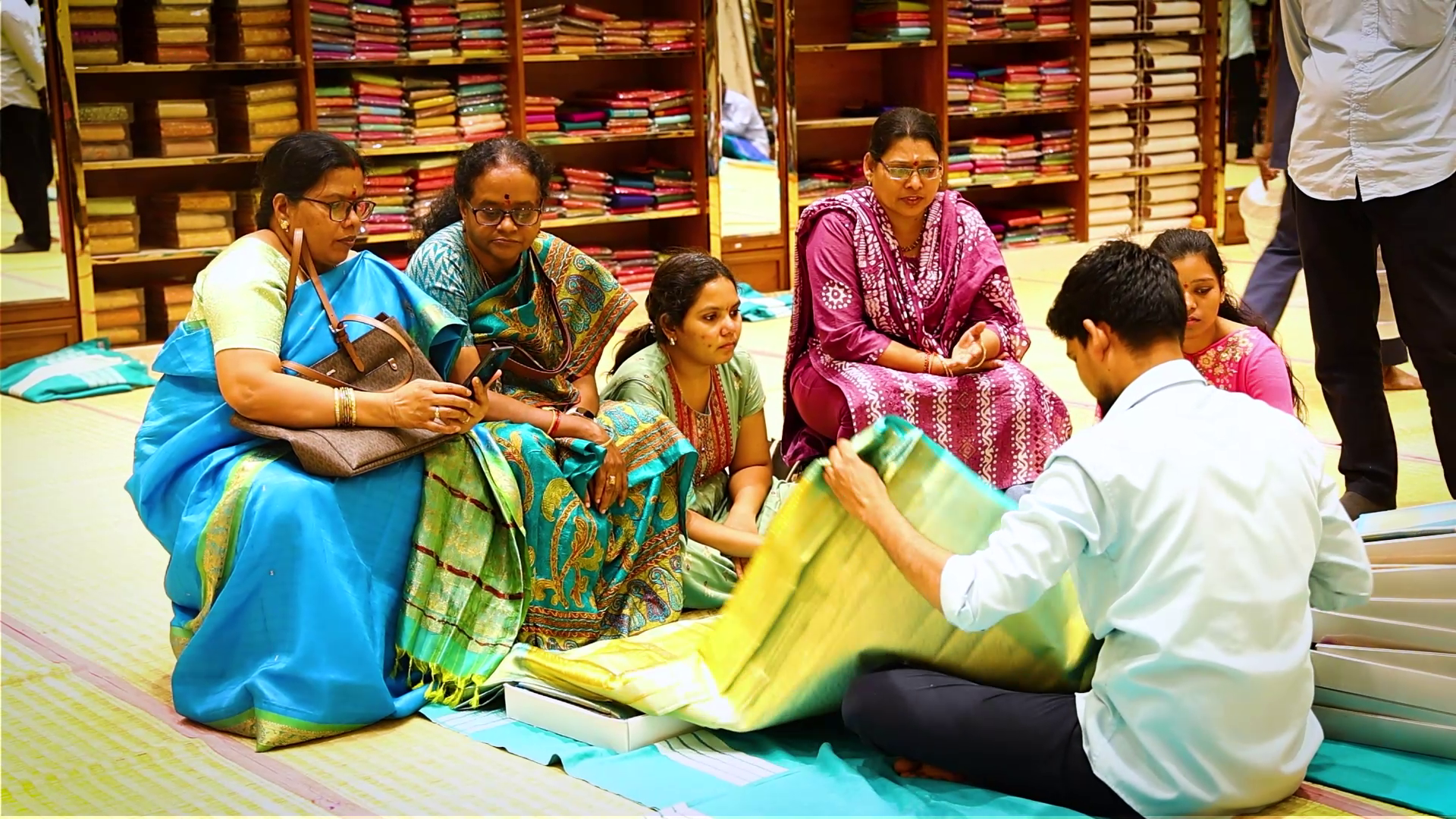
Kartikeyan, Production Manager at Prakash Silks, emphasised the commitment to authenticity: "We produce only handloom sarees and do not use powerlooms. Kanchipuram is known for its pure silk. With over a hundred looms, we continue to create sarees in traditional designs and classic colours, supplying them across India."
In Kanchipuram, silk weaving is not merely a profession; it is a way of life. Thousands of families have sustained this craft for generations, passing down skills and techniques through the years.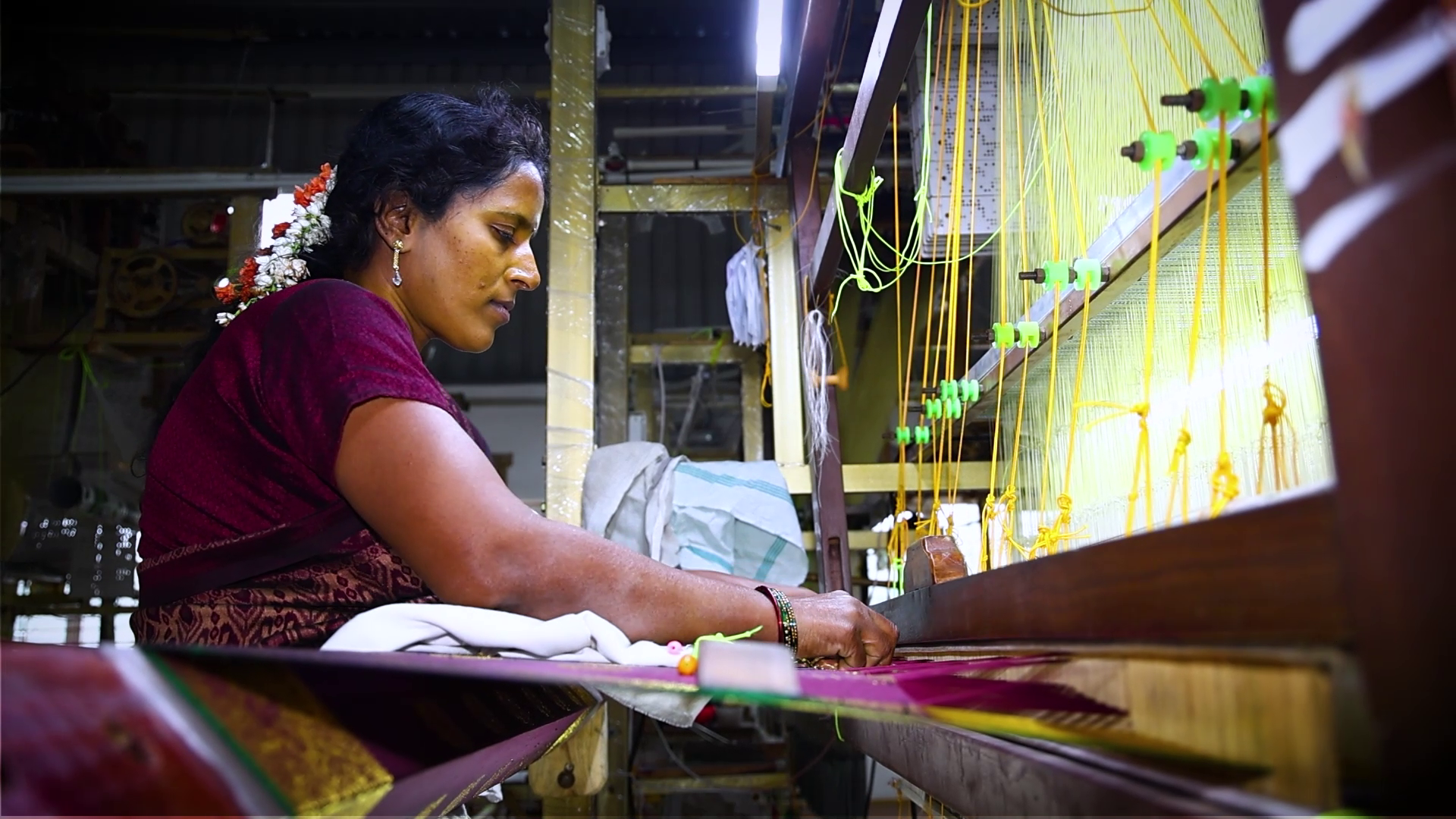
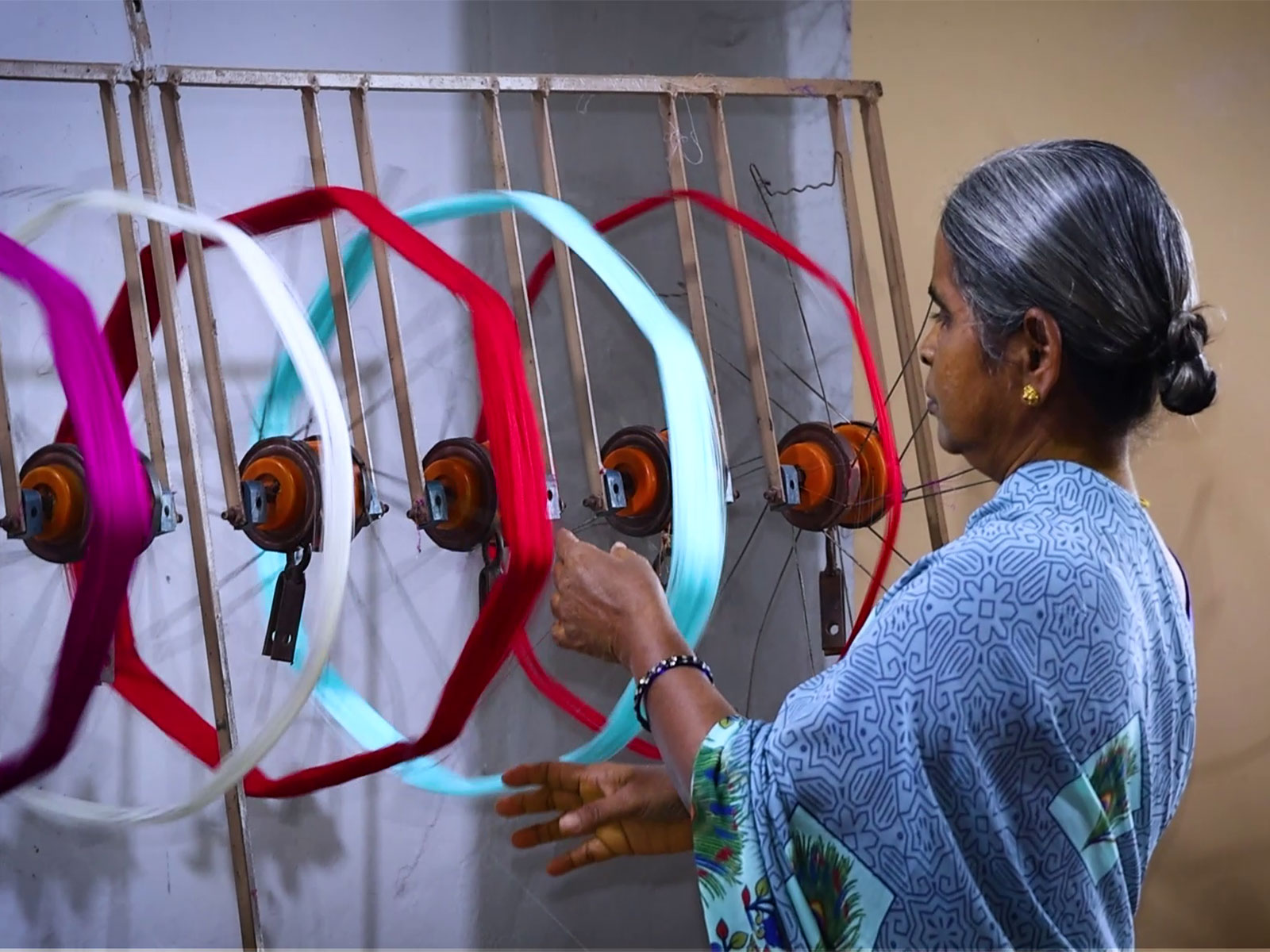
Creating a single saree can take several days, sometimes even weeks. Each thread reflects patience, precision, and artistry; qualities that machines struggle to replicate in an age dominated by mass production.
Kumaravelu, a veteran weaver, shared his journey: "We do everything by hand. I have been part of traditional handloom weaving since 1975. Over the years, we have gradually grown our work, and today we earn a stable livelihood from it."
Support from government initiatives, cooperative societies, and the Geographical Indication (GI) tag has helped preserve the authenticity of Kanchipuram silk, ensuring that the craft remains protected while adapting to modern markets.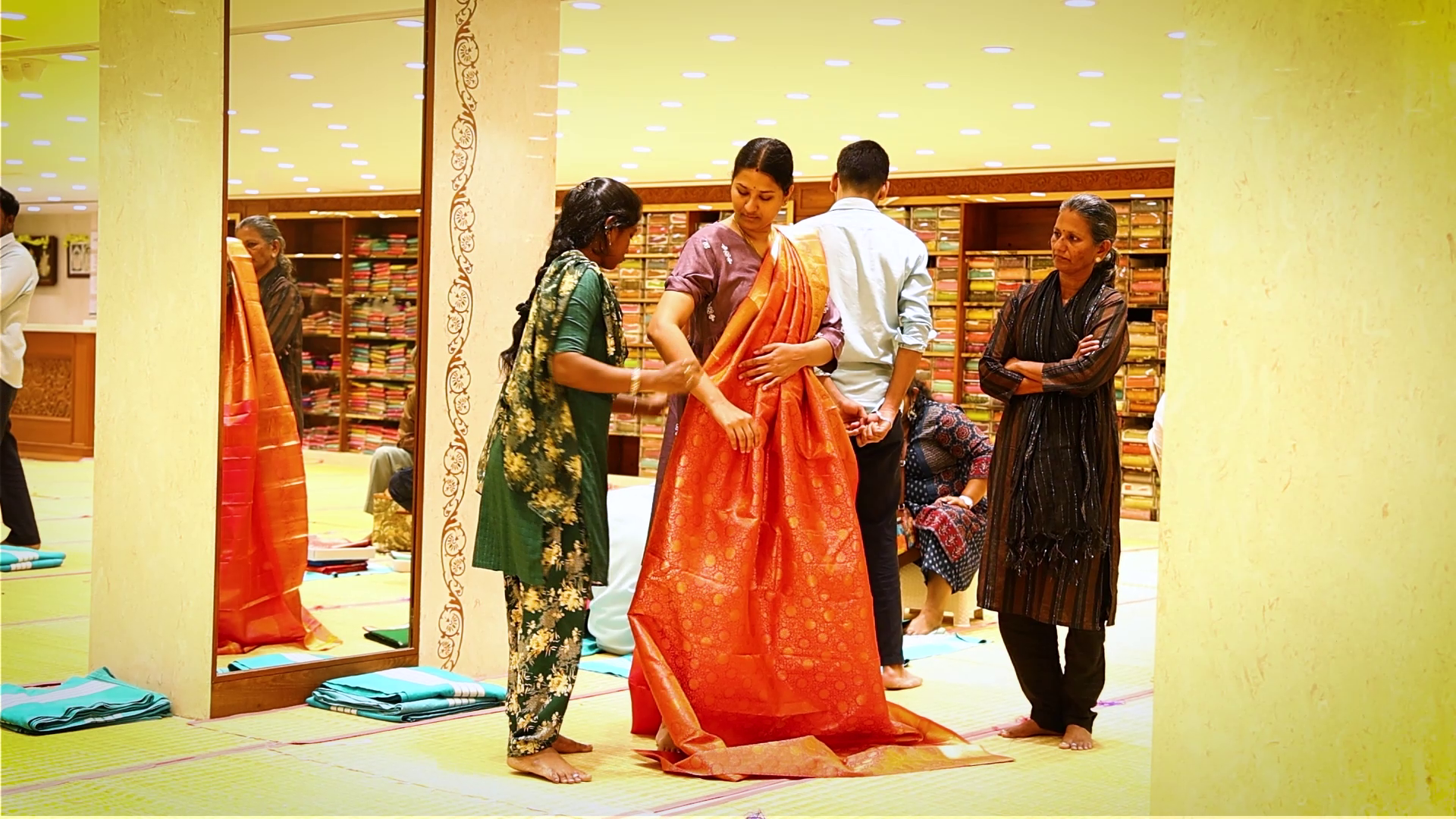
Today, the Kanchipuram silk industry operates through a well-organised network of cooperative societies, supported by the Tamil Nadu government. Institutions such as Kamakshi Amman Weavers Cooperative Society, Murugan Weavers Cooperative Society, and Varadaraja Swamy Weavers Cooperative Society play a crucial role in sustaining and promoting this heritage.
With nearly 50,000 weavers and around 60,000 looms in operation, the industry generates an annual turnover exceeding ₹200 crore - making it not just a cultural symbol, but also a strong economic pillar.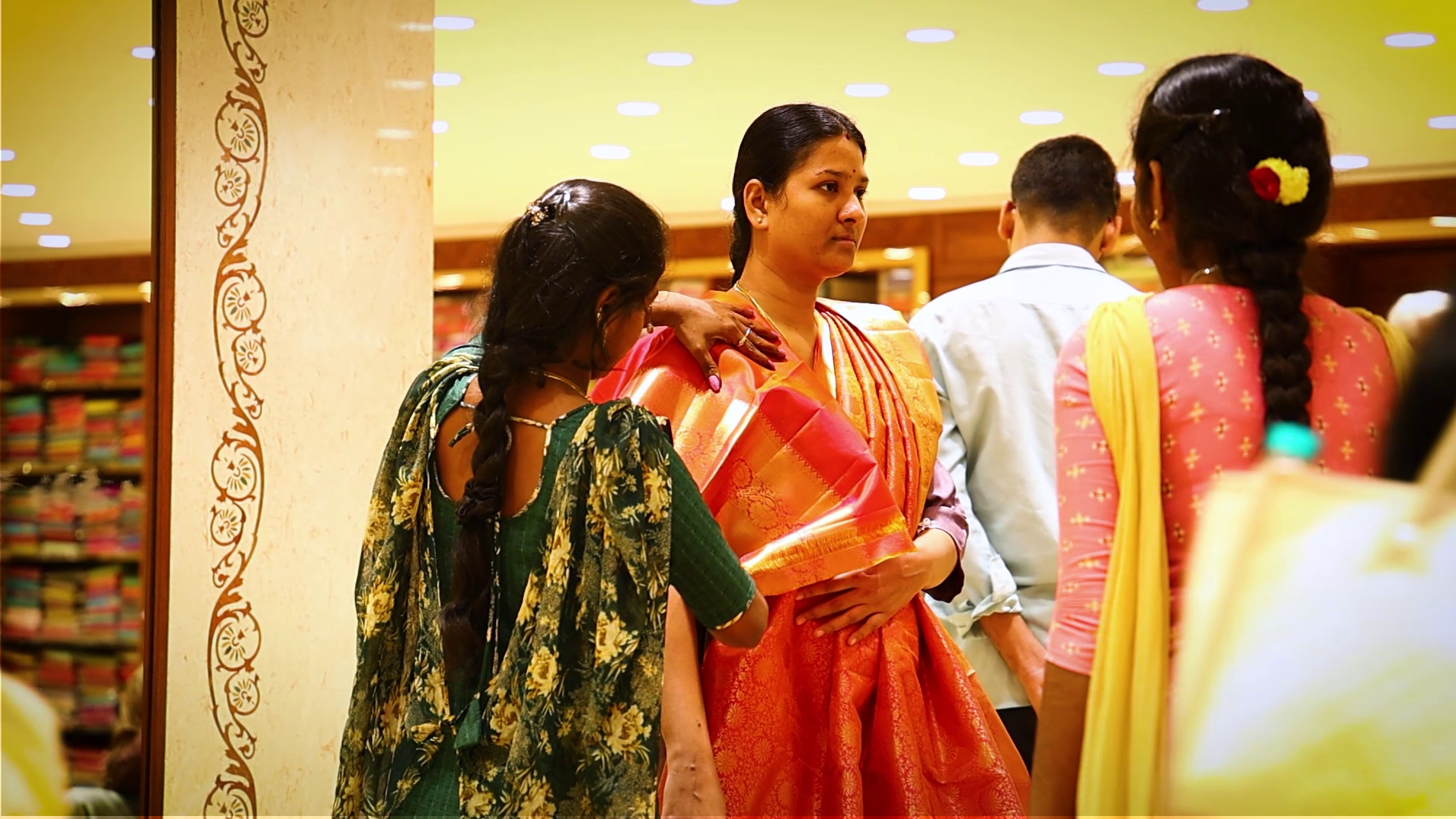
Despite changing fashion trends and the rise of machine-made textiles, Kanchipuram silk sarees continue to hold their ground. Their enduring appeal lies in their ability to stay rooted in tradition while evolving with time.
What emerges is more than just an industry; it is a living legacy. One that continues to weave together heritage, identity, and opportunity, ensuring that every saree carries forward a story of pride, craftsmanship, and timeless beauty.