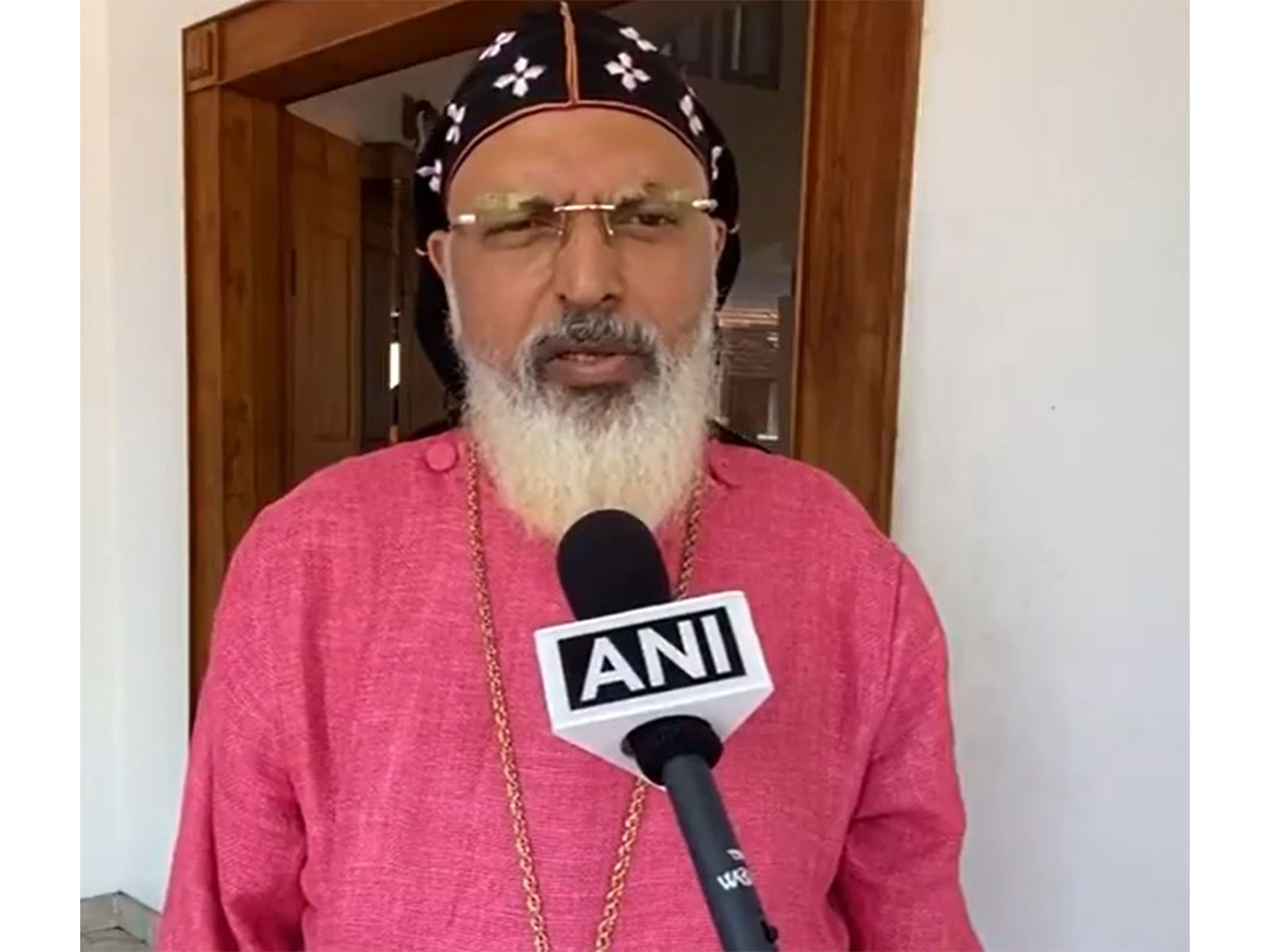
Keralam Bishop urges Centre to review new FCRA rules
Jun 25, 2026
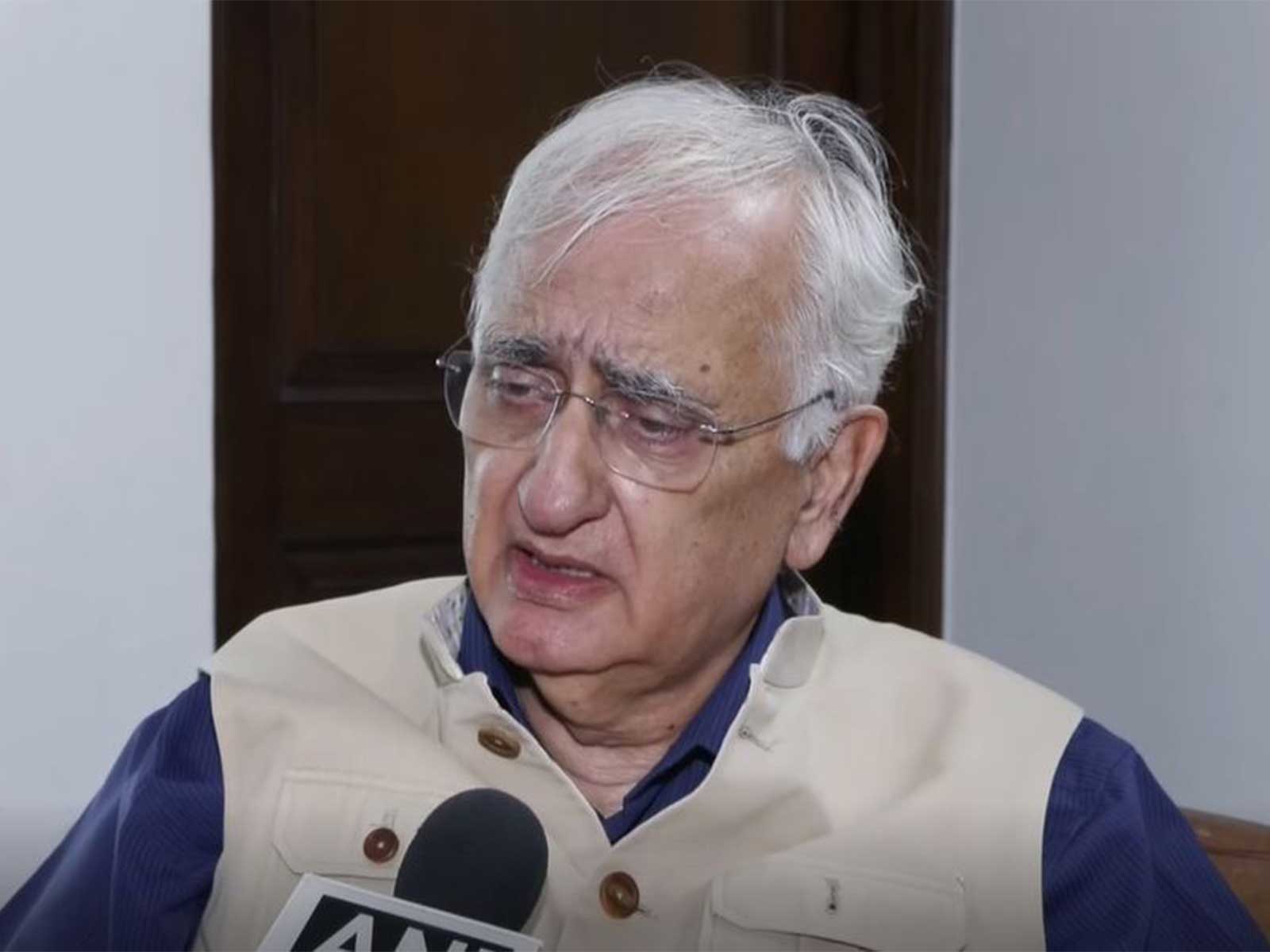
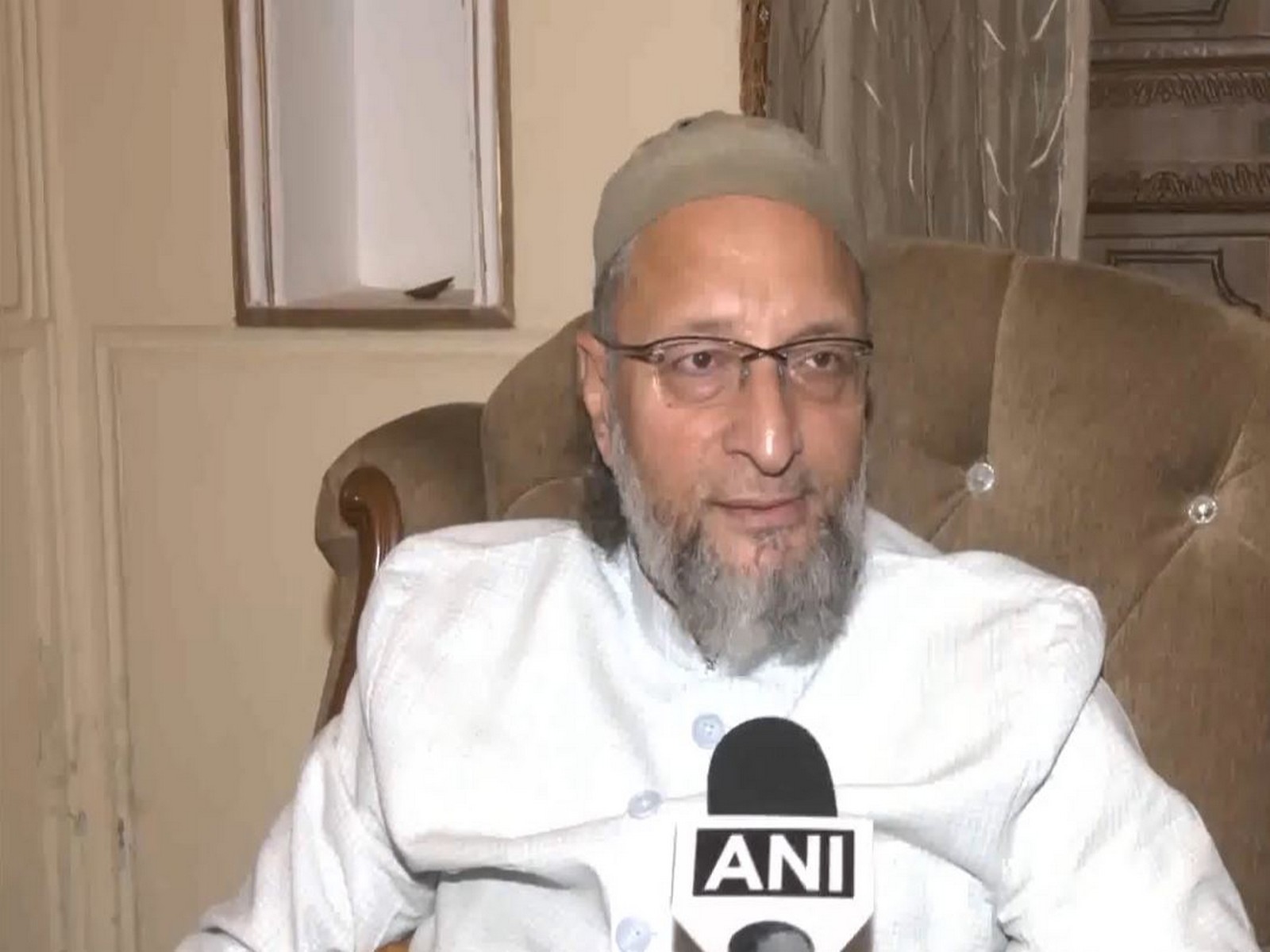
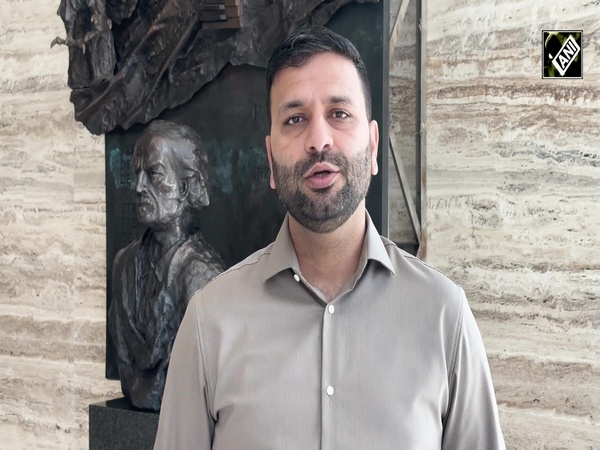
Kottayam (Keralam) [India], June 25 : Malankara Orthodox Church Bishop Yuhanon Mar Diascoros on Thursday expressed concern over the latest amendments to the Foreign Contribution (Regulation) Act (FCRA) notified by the Centre, alleging that the provisions could interfere with the functioning of churches and charitable organisations.
The Union Ministry of Home Affairs, had on June 22, notified the latest amendments to the FCRA.
Speaking to ANI, Bishop Diascoros said that churches, dioceses, parishes and charitable institutions maintain their accounts transparently and regularly submit them to the relevant authorities.
He said the Church has conveyed its views on the new regulations, describing them as a policy matter affecting the accounts and administration of religious and charitable bodies. According to him, the new rules amount to intervention in the affairs of the Church and society and are contrary to the democratic spirit of the country.
"The government of India has to understand properly what is happening and what the impact of all these things is," he said.
The Bishop urged the Centre to reconsider and amend the new FCRA rules, stating that such changes would help churches and other organisations continue their charitable and social welfare activities without hindrance.
The MHA had notified the Foreign Contribution (Regulation) Amendment Rules, 2026, introducing a detailed framework classifying permissible activities under the religious category while also tightening compliance requirements for organisations receiving foreign funding in India.
The amendment modifies the Foreign Contribution (Regulation) Rules, 2011, and introduces a dedicated schedule outlining activities eligible for registration under religious purposes. The listed activities include construction, renovation and maintenance of places of worship such as temples, mosques, churches, gurudwaras, monasteries, synagogues and other religious sites.
The schedule also permits preservation, printing, translation and digitisation of sacred scriptures and commentaries, support for institutions engaged in the study of religious philosophy and history, and provision of amenities for pilgrims, including drinking water, sanitation and shelter facilities at heritage religious sites.
It further allows the establishment of dharamshalas, langars, annadans and community kitchens under religious initiatives. Other permitted activities include religious education, moral instruction, satsangs, discourses, meditation retreats, promotion of devotional music, chants, theatre and liturgical arts, as well as documentation and revival of indigenous and tribal faith practices. However, the rules clearly exclude any activity involving proselytisation.
Alongside the classification of activities, the MHA has introduced broader compliance reforms aimed at enhancing transparency and accountability in the use of foreign contributions. A key change is the introduction of the term "key functionary," expanding accountability to include directors, partners, trustees, karta of Hindu Undivided Families, office-bearers and any person responsible for the management or control of an organisation.