Keralam: Former Travancore Devaswom Board President PS Prasanth taken into custody in Sabarimala gold theft case
Jul 23, 2026
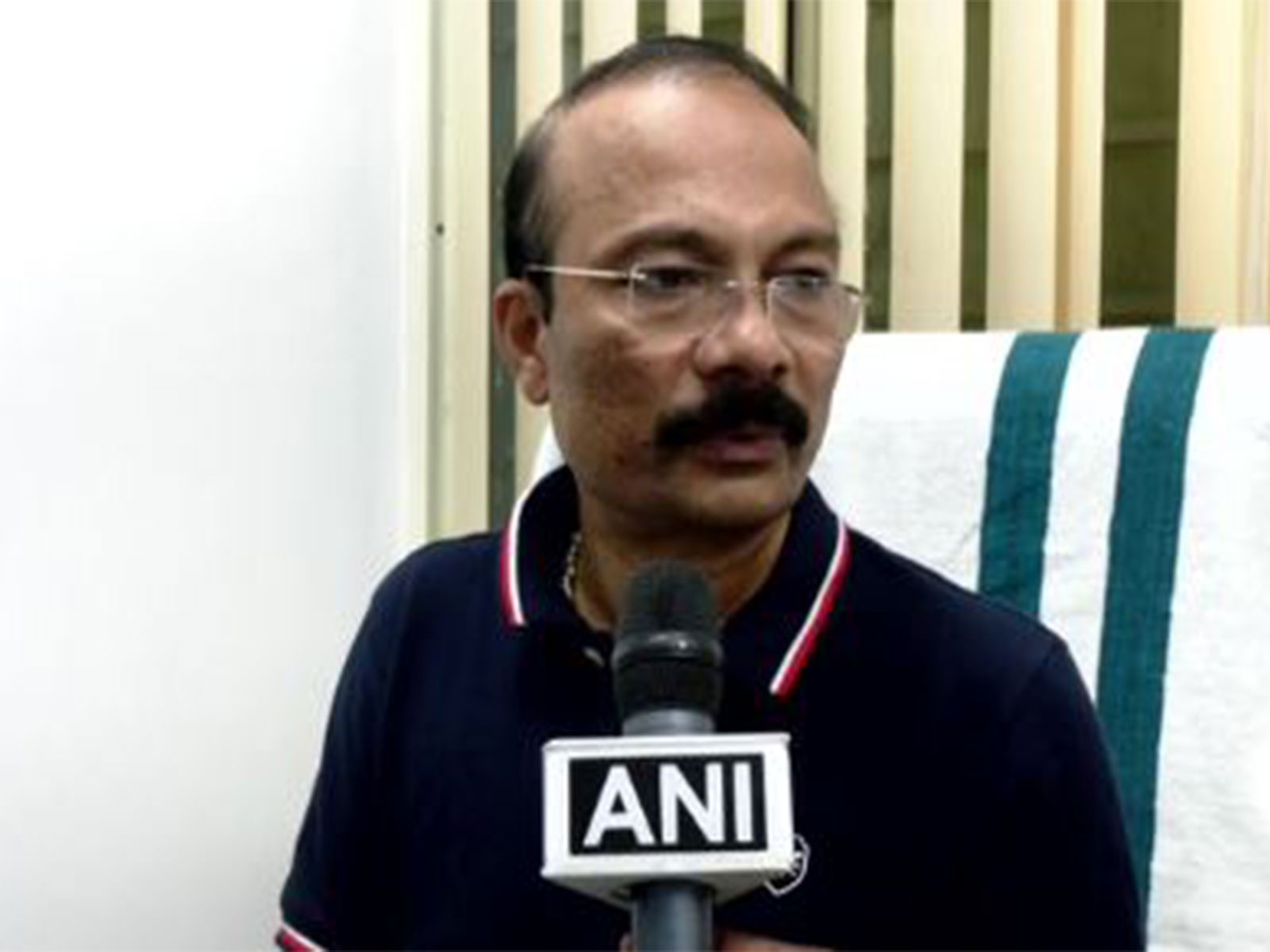
Thiruvananthapuram (Keralam) [India], July 23 : Former Travancore Devaswom Board (TDB) President PS Prasanth was taken into custody from his residence in Thiruvananthapuram on Thursday in connection with the Sabarimala gold theft case.
In a Facebook post, Prasanth defended the Board's actions in connection with the case, asserting that it had acted with honesty and transparency and that "truth will prevail."
In the statement, Prasanth said the Board, which he claimed had acted sincerely and helped bring the 2019 Sabarimala gold theft case to light, was now being included among the accused due to "political pressure".
"We will fully cooperate with the case being conducted under the supervision of the Hon'ble Court. However, we will also expose the political moves behind this," he said.
Prasanth said the removal of the Dwarapalaka sculptures in 2025 did not cause any financial loss to the Devaswom and that there was no procedural lapse on the part of the Board.
He said the decision to repair the sculptures was taken after complaints from employees at Sannidhanam regarding cracks in the sculptures that were causing injuries and creating concerns over cleanliness and sanctity.
"After our Board assumed office, following complaints from employees at Sannidhanam, we tried to remove the impurity caused by the Dwarapalaka sculptures. We have no regrets about what we did for the Lord with honesty and devotion," Prasanth said.
He said the Board had instructed that the sculptures should not be handed over to the sponsor but should instead be taken to Chennai by Devaswom officials in the presence of the Vigilance team, renovated and brought back for reinstallation.
Prasanth claimed that no report from the Vigilance team or Devaswom officials regarding any alleged issue with the sculptures was available before the Board at that time.
He said the sculptures were dismantled in September 2025 in the presence of officials, with their weight and gold content recorded in the mahazar, and the entire process was videographed.
"The Board did not give Unnikrishnan Potty even a single opportunity to see or touch the sculptures," he claimed.
Prasanth acknowledged that the Special Commissioner was not informed during the process, calling it an "official lapse". He said the matter was later resolved after the Board Secretary apologised before the court and permission was granted for the renovation work to continue.
He further said that after the sculptures were reinstalled in the presence of the Sabarimala Thantri, Special Commissioner and Vigilance SP, their total weight and gold content had increased, and the Devaswom had not suffered any financial loss.
On the 2019 gold theft allegations, Prasanth said the matter came to light after the court sought files related to the case and claimed that the Board had provided all documents required by the court and the Special Investigation Team (SIT).
"Was our mistake that we tried to remove the impurity that we saw in front of Lord Ayyappa's sanctum sanctorum?" he said.
Prasanth questioned the allegation that the Board failed to inform the Special Commissioner, saying such communication was the responsibility of officials and not elected Board members.
He also said a Board with a two-year tenure could only take decisions based on reports submitted by Devaswom officials and the Vigilance department.
"We have no regrets about trying to remove the impurity before the Lord. Truth will prevail," Prasanth said.
The Sabarimala gold theft controversy traces its origins to a 1998 donation by industrialist Vijay Mallya, who gifted 30.3 kilograms of gold and 1,900 kilograms of copper for the temple's gold plating and cladding work.
Subsequent inspections and court-monitored inquiries revealed discrepancies between the donated quantity and the amount actually used. These discrepancies allegedly occurred in 2019 under the pretext of refinishing and re-gold-plating the temple structures.