Keralam High Court suggests lowering juvenile age threshold from 18 to 16
Nov 15, 2026
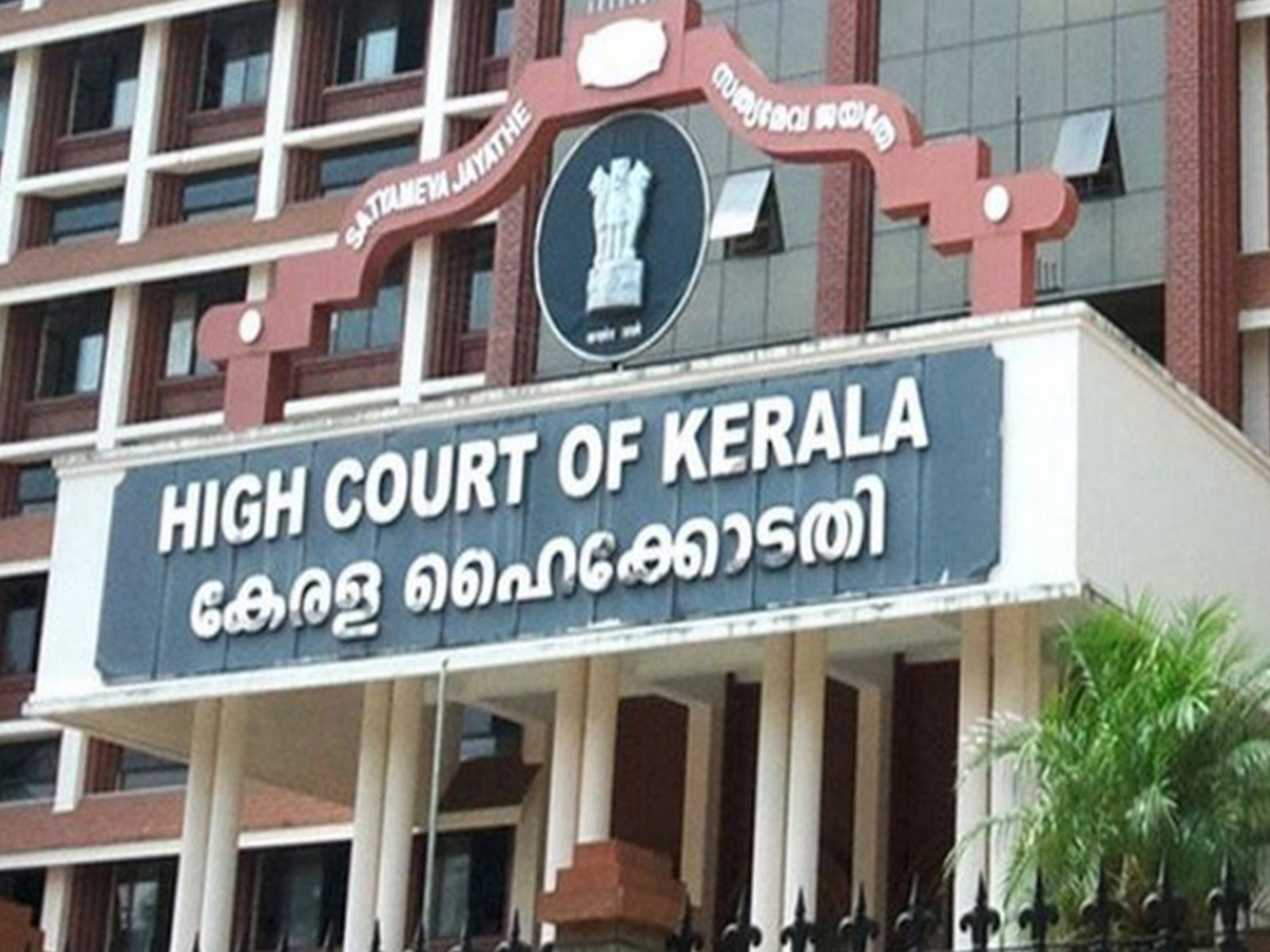
Kochi (Keralam) [India], November 15 : The Keralam High Court suggested lowering the statutory age threshold for juveniles from 18 to 16 years, urging lawmakers to consider necessary legislative amendments amid concerns over the increasing involvement of minors in serious criminal offences.
The observation comes against the backdrop of concerns over the involvement of adolescents aged between 16 and 18 in serious offences, including violent crimes, substance abuse and narcotics trafficking across the state.
Under the existing provisions of the Juvenile Justice (Care and Protection of Children) Act, 2015, anyone below the age of 18 is defined as a child and is dealt with under the juvenile justice framework.
However, the law already provides for an exception in cases involving heinous offences committed by children in the 16-to-18 age group. Under the provisions introduced through the 2015 legislation, such juveniles can be considered for trial as adults following a preliminary assessment by the Juvenile Justice Board.
The assessment examines the juvenile's mental and physical capacity to commit the alleged offence, as well as the ability to understand its consequences and the circumstances in which the offence was allegedly committed.
By suggesting a reduction in the overall age threshold from 18 to 16, the Keralam High Court has brought renewed attention to whether the existing provision, which allows adult trials in specific cases involving heinous offences, is sufficient to address concerns surrounding juvenile involvement in serious crimes.
The observation also places the focus on the broader debate over balancing the protection and rehabilitation of children with the need to ensure public safety and accountability for serious offences.
Any move to lower the statutory age of juvenility would require legislative intervention, as the Juvenile Justice Act is a central piece of legislation. The existing framework is also aligned with international child protection principles, including the United Nations Convention on the Rights of the Child, which recognises anyone below 18 years of age as a child.
Child rights advocates have traditionally maintained that adolescents are still undergoing cognitive and psychological development and should be given opportunities for rehabilitation rather than being subjected to adult criminal punishment.
On the other hand, concerns have been raised by sections of law enforcement agencies and the judiciary that some offenders in the 16-to-18 age group may be exploited or recruited by organised criminal networks, taking advantage of the protections available under the juvenile justice system.
The High Court's observation has therefore brought the question of the existing age threshold back into focus, with the larger debate revolving around whether changes to the law are necessary to address serious juvenile offences while preserving the principles of child protection and rehabilitation.