Ladakh LG Vinai Kumar Saxena notifies LAHDC (Amendment) Regulation 2026, paving way for Hill Councils in all 8 districts
Oct 20, 2026
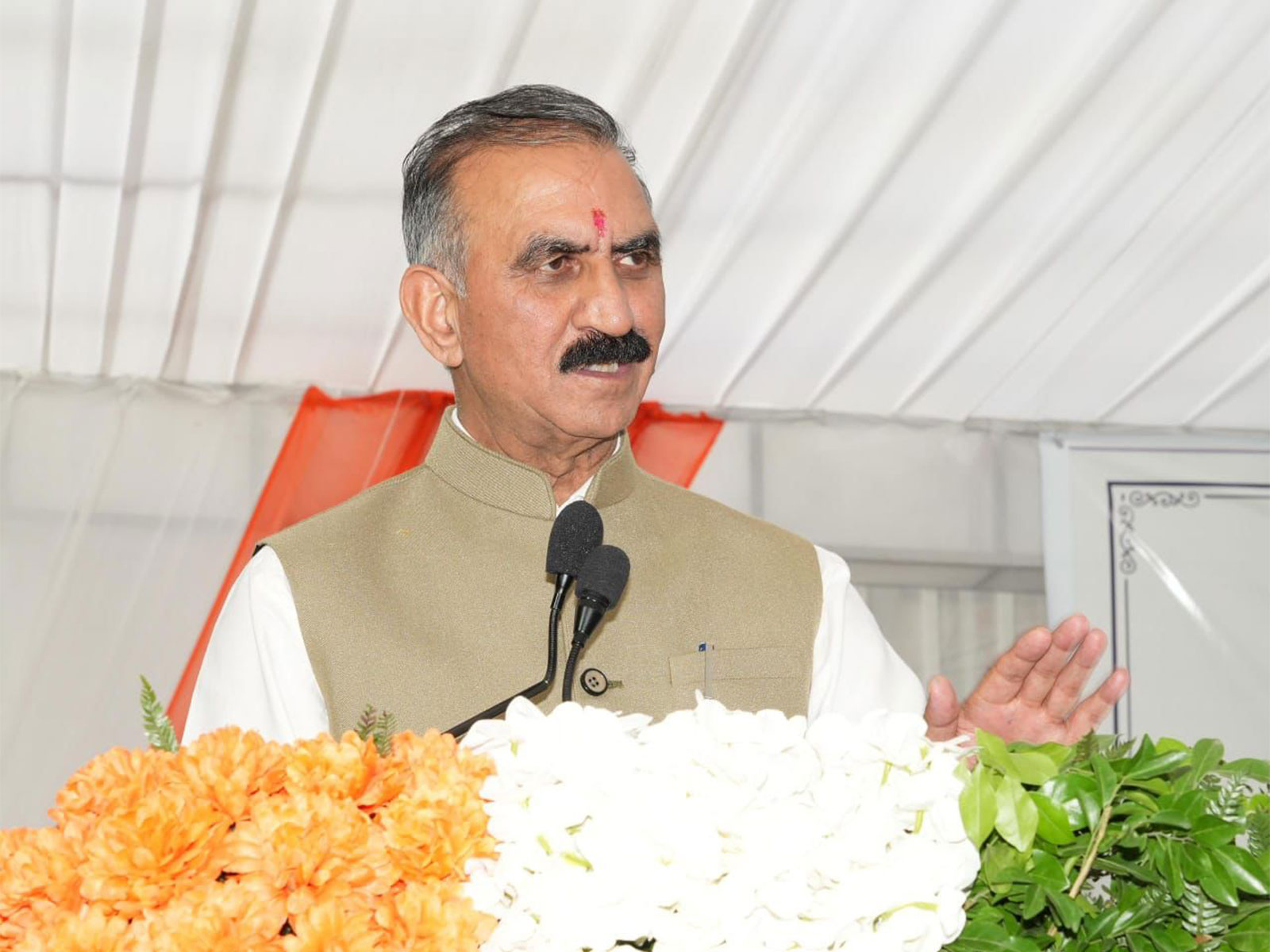
Leh (Ladakh) [India], October 20 : Ladakh Lieutenant Governor Vinai Kumar Saxena on Tuesday notified the Ladakh Autonomous Hill Development Councils (LAHDC) (Amendment) Regulation, 2026, paving the way for the establishment of Hill Councils in all eight districts of the Union Territory, including the newly created Sankoo district.
Saxena said the regulation came into effect on October 19, following its promulgation by President Droupadi Murmu on October 16. The Union Cabinet had approved the amendments on October 14, and the regulation was notified within six days of the approval.
In a post on X, the Lieutenant Governor announced the notification of the amended regulation and its effective date.
"I am pleased to announce that upon the promulgation of the Ladakh Autonomous Hill Development Councils (Amendment) Regulation, 2026, by the Hon’ble President of India, I have notified the regulation with effect from 19 October 2026. The historic regulation, implemented in a record time of just six days, now paves the way for creation of LAHDC in all 8 districts of Ladakh, including the newly created Sankoo district. The Union Cabinet had approved the amendments on 14 October, followed by its promulgation by the Hon’ble President on 16th October," he said.
https://x.com/lg_ladakh/status/2112397291210568171?s=20
The amendment also revises the composition of the councils by reducing the permitted number of constituencies.
"The amended regulation rationalises the number of constituencies – from the earlier 26 seats in each Council, to a minimum of 7 seats and a maximum 24 seats now. It also provides for nomination of four members from “women” and “unrepresented communities” for greater people’s participation in the local governance," Saxena said
"My sincere thanks and gratitude to Hon’ble Prime Minister, Shri @narendramodi ji and Hon’ble Home Minister Shri @AmitShah ji, for this landmark regulation, that will strengthen the grassroots democracy, enhance local representation and promote inclusivity," he added.
Earlier in July, Ladakh's Chief Secretary Ashish Kundra adressing a press conference in Leh, described it as a major step towards democratic decentralisation and grassroots governance.
Section 3(1) of the Ladakh Autonomous Hill Development Council (LAHDC) Act already provides for a Council for every district, to be constituted from a date the government notifies in the gazette. Only amendments to the Act were required, and a delimitation of constituencies remains.
Ladakh moved from two districts to eight, when Sham, Nubra, Changthang, Zanskar, Drass and Sankoo were notified. Elected representation until now has stayed with the two existing Councils in Leh and Kargil.
With this announcement, each council will carry the full powers set out in the LAHDC Act. The new districts get the same authority that Leh has held since 1995 and Kargil since 2003, not a reduced version of it.
Hill Councils have authority over land ownership and land allotment within the district. Councils regulate recruitment and promotion for district cadre posts. Employment decisions in the new districts will rest with an elected body inside the district.
Councils hold a dedicated Council Fund and can levy taxes and fees. Each new district will have a revenue base of its own. Councils formulate their own development plans. Each district will set its own priorities rather than receive them from Leh or Kargil.