Former Canadian Spy Chief warns Chinese EVs could enable Beijing to collect Canadians’ personal data
Oct 20, 2026
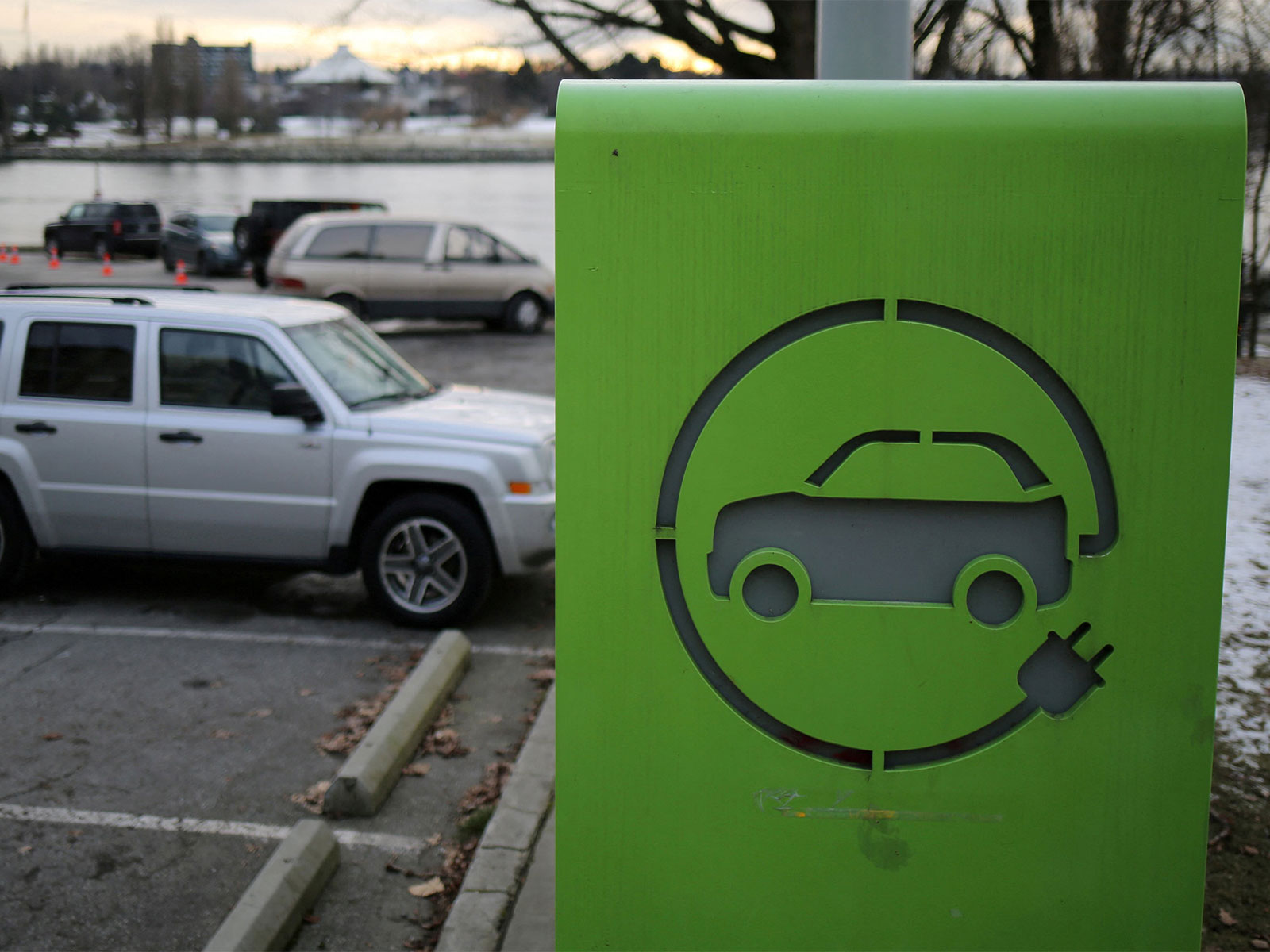
Beijing [China] October 20 : Canada’s former intelligence chief David Vigneault has warned that Chinese-made electric vehicles (EVs) could enable Beijing to collect extensive personal information on Canadians, raising concerns over surveillance and national security as Ottawa prepares to allow more Chinese vehicles into the country, according to a report by The Epoch Times (TET).
Vigneault, who headed the Canadian Security Intelligence Service (CSIS) from June 2017 to July 2024, made the remarks during an appearance on the BBC podcast The Interview, which aired on September 16.
“There is the reality that all of your data, what you say, where you go, with whom you are, who you associate with, everything you do around your car, will be acquired by China,” Vigneault said, as cited by TET.
Now serving as chief intelligence officer at US-based Strider Technologies, Vigneault said he had no doubt that Beijing could use Chinese-made EVs for espionage. He warned that China sought to acquire vast amounts of data that could potentially be weaponised.
According to TET, other Canadian intelligence officials and China experts have also raised concerns about the vehicles’ surveillance capabilities and potential access to critical infrastructure.
In April, former CSIS officer Neil Bisson told a House of Commons committee that Chinese-manufactured EVs could serve as “potential eyes and ears” for Beijing and create risks for Canada’s electric grid. China expert Margaret McCuaig-Johnston separately warned that integrated software could collect camera, microphone and GPS data and transmit it to China. She also said vehicles could access information from connected phones even when switched off.
Former Canadian diplomat Michael Kovrig described Prime Minister Mark Carney’s trade agreement with China as a “tactical gamble” that risked deeper entanglement with an increasingly authoritarian one-party state, TET reported.
China expert Charles Burton also warned that Chinese corporations were legally obligated to support the country’s intelligence apparatus. He raised concerns that remotely controlled vehicles could potentially disrupt transportation networks.
The concerns follow Carney’s January visit to Beijing, during which Canada agreed to ease tariffs on Chinese EV imports in exchange for China reducing or removing tariffs on certain Canadian agricultural and seafood products. Under the agreement, tariffs on an initial quota of 49,000 Chinese EVs were reduced from 100 per cent to 6.1 per cent, with the quota expected to rise to approximately 70,000 vehicles after five years.
Ottawa has defended the agreement as part of efforts to diversify trade amid US protectionism and expand access to affordable EVs. However, Vigneault argued that engaging with Beijing with “eyes wide open” would not, by itself, address the risks.
Industry Minister Mélanie Joly has outlined four conditions for Chinese automakers establishing production facilities in Canada: majority Canadian ownership of joint ventures, comparable labour standards, local supply chains, and safeguards for software and data security.
The warnings have intensified parliamentary scrutiny of the agreement, as Canadian lawmakers examine its potential implications for national security, privacy and critical infrastructure, according to TET.