"Light at the end of the tunnel": Encouraging signs emerge in indirect US-Iran peace talks, reports Pak media
Apr 27, 2026
Islamabad [Pakistan], April 27 : As regional mediation efforts intensify to resolve the West Asian conflict, reports have emerged indicating a significant breakthrough in the diplomatic stalemate between Washington and Tehran. The progress follows the facilitation of indirect communication between the two nations to secure a lasting ceasefire.
In a post on X, Kamran Khan, chairman of the media outlet ARY News, highlighted the burgeoning optimism surrounding the negotiations. "Informed sources: Encouraging signs are emerging around the indirect peace talks between the United States and Iran, with diplomatic momentum steadily building. 'Now we are at a stage where we can see light at the end of the tunnel,' mused a source," he stated.
https://x.com/AajKamranKhan/status/2048596042166514118?s=20
This newfound optimism in Islamabad coincides with a significant diplomatic manoeuvre aimed at de-escalating regional tensions, as Tehran has reportedly submitted a fresh proposal to the United States through Pakistani intermediaries.
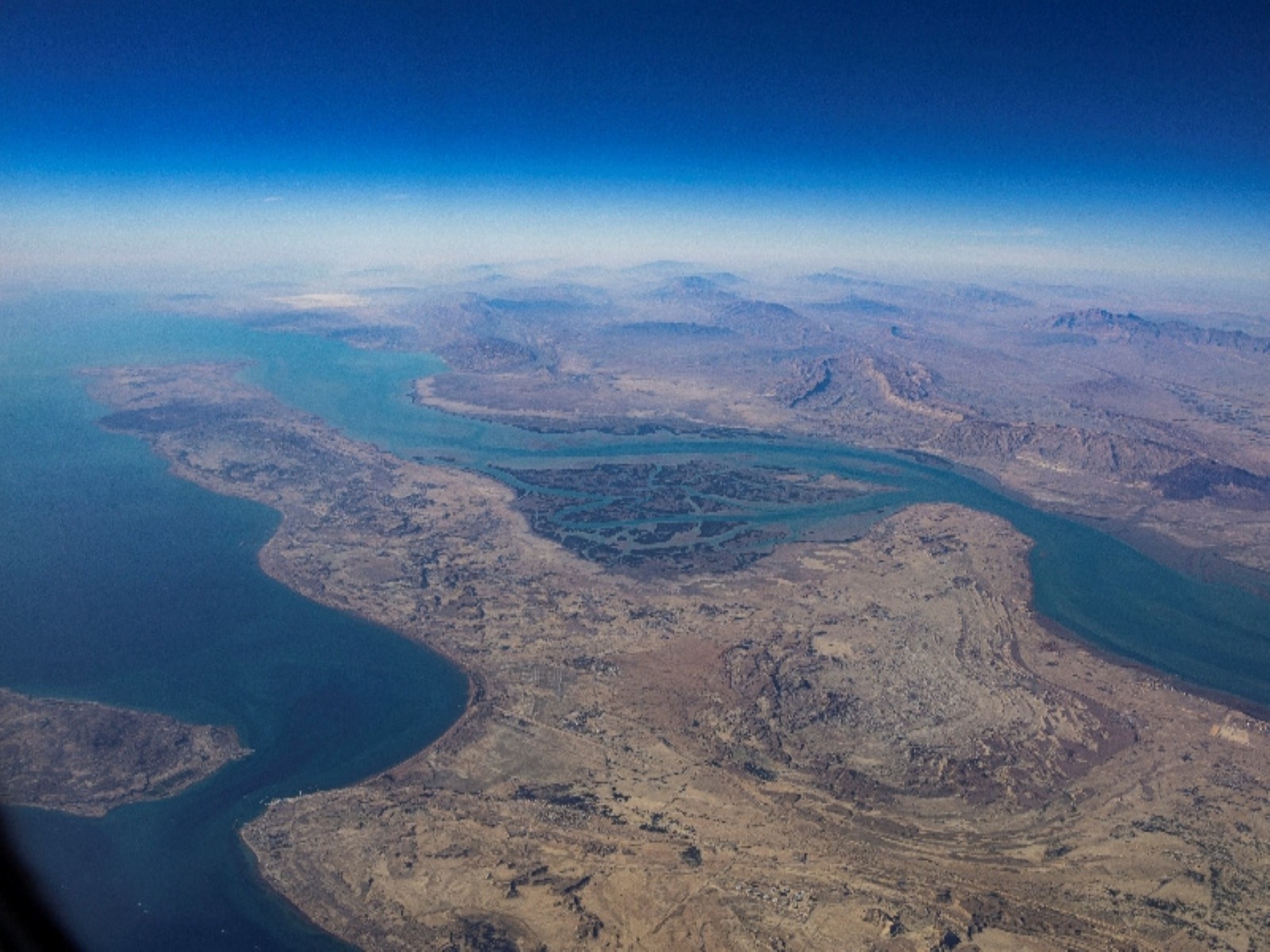
According to news outlet Axios, the framework is specifically designed to facilitate "reopening the Strait of Hormuz and ending the conflict," while strategically "postponing talks over Tehran's nuclear programme until a later stage." This reported offer surfaces shortly after US President Donald Trump indicated that Iran could contact Washington to negotiate an end to the hostilities, which were ignited on February 28 following joint Israeli and US military strikes.
Maintaining his signature approach to diplomacy, the US President addressed the possibility of renewed engagement during an interview. Speaking to Fox News' The Sunday Briefing, Trump remarked, "If they want to talk, they can come to us, or they can call us. There is a telephone. We have nice, secure lines." He further expressed optimism that the conflict could conclude "very soon" and observed that while some Iranian representatives were being reasonable, others were not.
The depth of this indirect communication was further detailed by Iran's Fars News Agency, which reported that during a recent diplomatic mission by Foreign Minister Abbas Araghchi, Tehran dispatched written messages to Washington via Pakistan. These communications reportedly outlined the regional situation and defined Iran's "red lines," with a specific focus on "nuclear issues and the Strait of Hormuz."
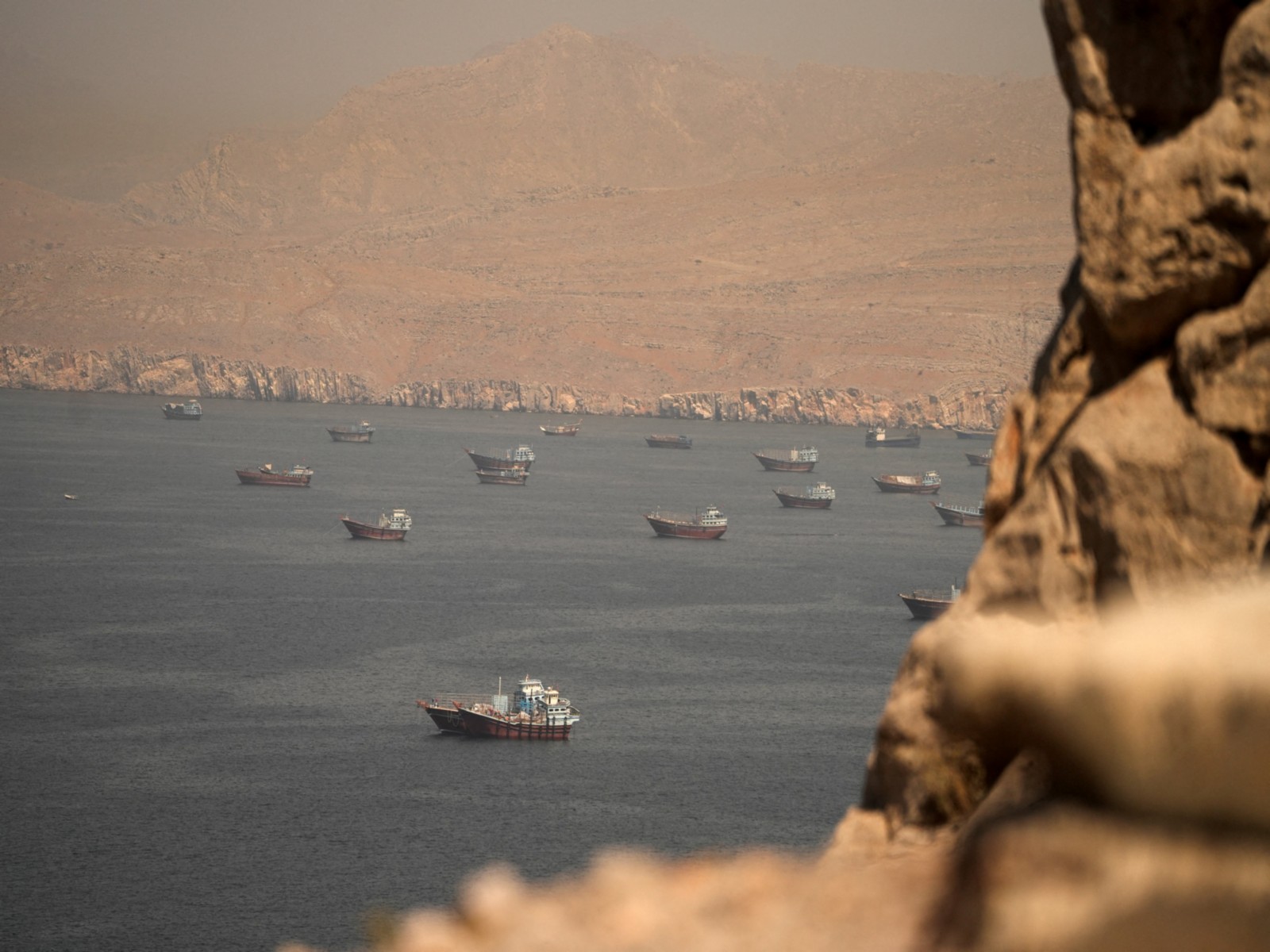
News outlet Axios clarified that the heart of the current proposal focuses on mitigating tensions surrounding the strategic waterway and the ongoing US naval blockade. According to the reported framework, the proposal includes provisions for reopening the Strait of Hormuz to alleviate the global energy crisis and ending the war through either an "extended ceasefire" or a "permanent halt to hostilities."
Crucially, the plan seeks to delay nuclear negotiations until the strategic passage is cleared and the US naval blockade on Iranian ports is removed. While news outlet Axios reports that the White House has officially received the document, it remains uncertain whether the Trump administration will entertain the offer.
Addressing the leak, White House spokesperson Olivia Wales informed news outlet Axios that the administration would not engage in discussions regarding such "sensitive diplomatic" matters via the media.
She reiterated the administration's firm stance, stating, "As the president has said, the United States holds the cards and will only make a deal that puts the American people first, never allowing Iran to have a nuclear weapon."
These latest developments follow a period of friction where previous talks appeared to have stalled. The new initiative comes after President Trump recently aborted a scheduled visit to Pakistan by special envoys Steve Witkoff and Jared Kushner.
Reports suggest the mission was cancelled following Araghchi's departure from Islamabad, with Trump noting he saw no point in deploying officials on an "18-hour flight" under the prevailing circumstances, remarking that too much time had been lost to travel.