"Love can be understood through Krishna": Hardik Gajjar on 'Krishnavataram' selection at IFFI 2026
Nov 25, 2026
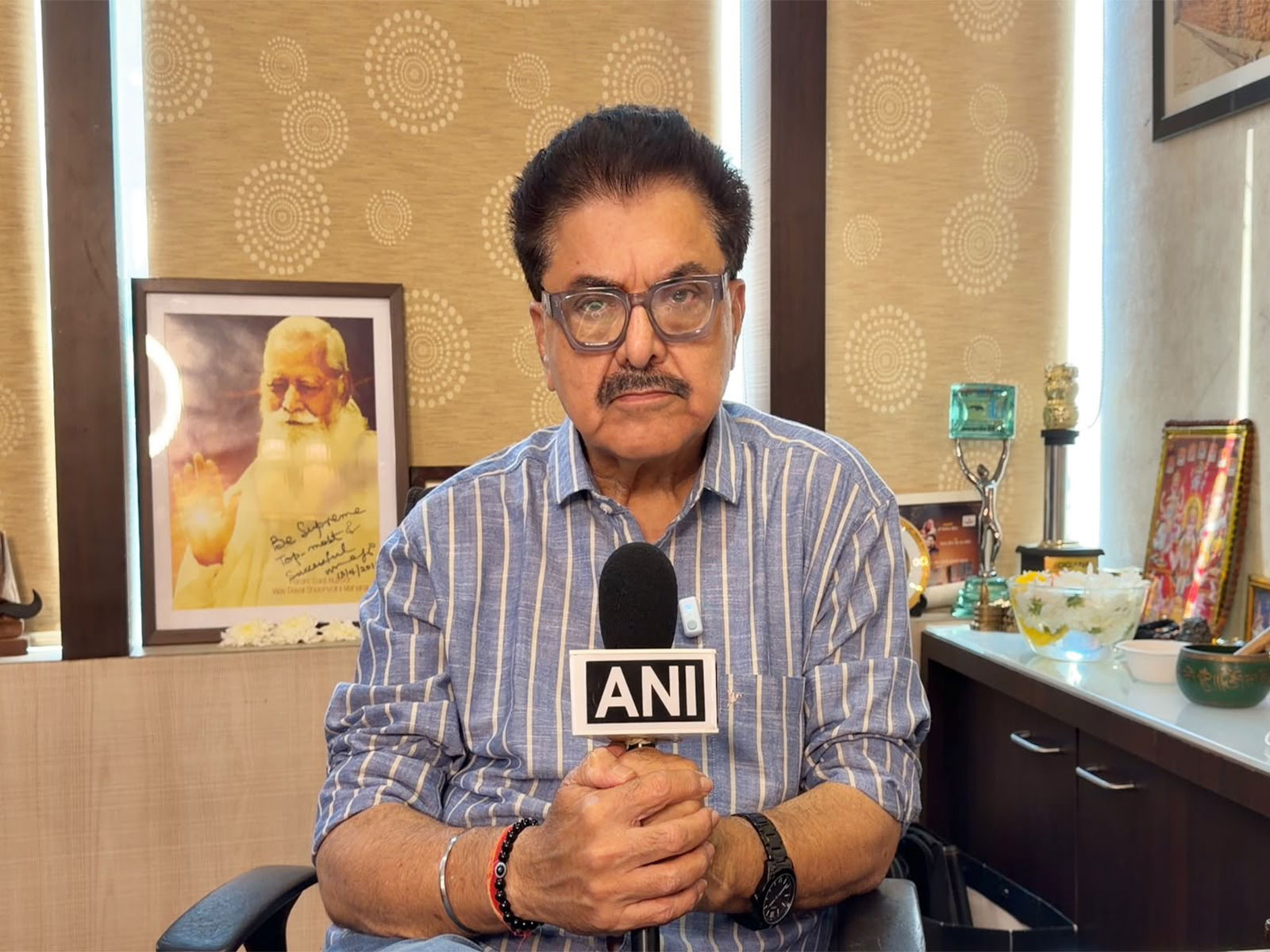
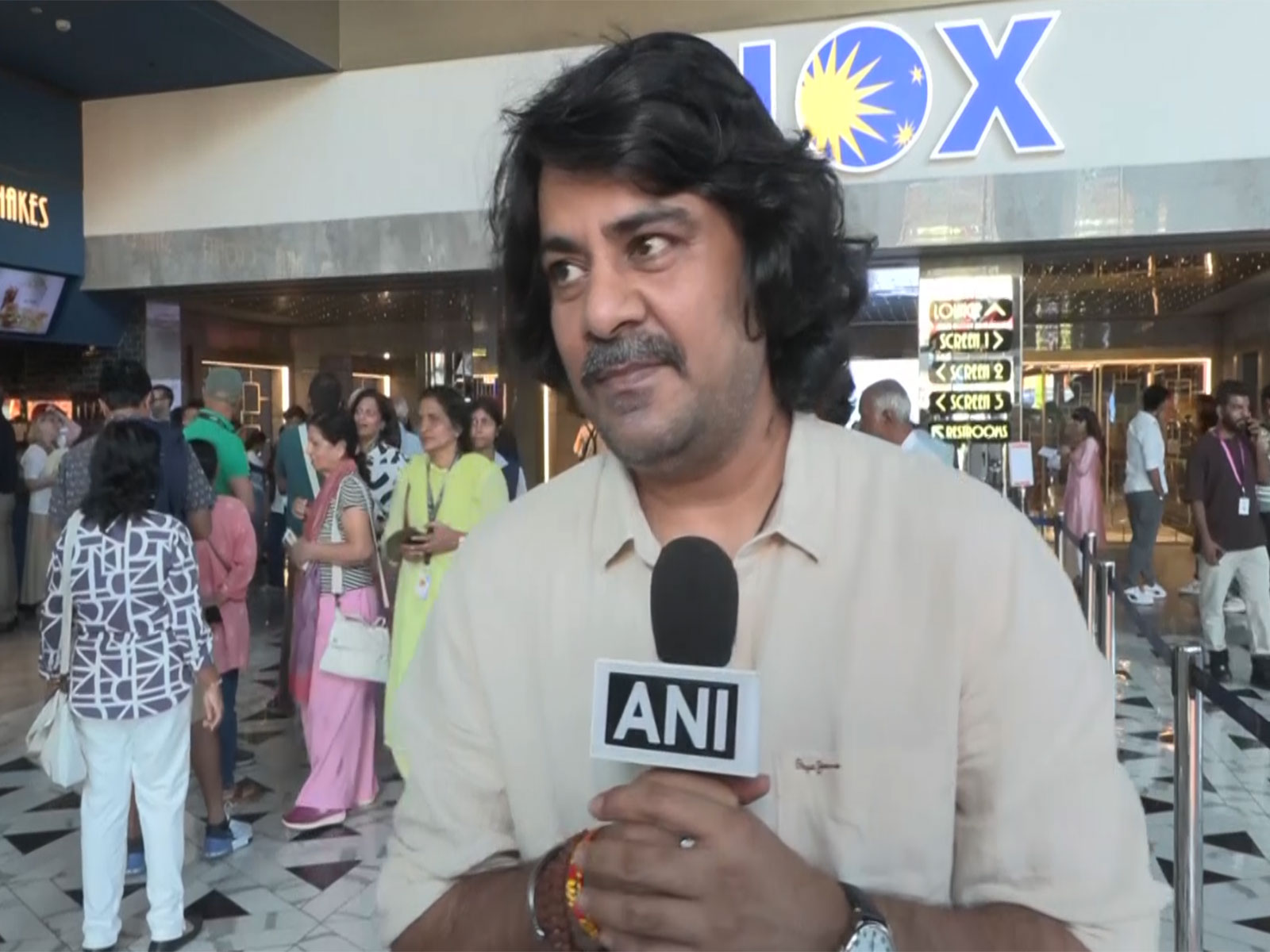
Panaji (Goa) [India], November 25 : Filmmaker Hardik Gajjar has described the selection of his film ‘Krishnavataram Part 1: The Heart (Hridayam)’ in the Indian Panorama section of the 57th International Film Festival of India (IFFI) 2026 as an opportunity to take Indian cultural stories to an international audience, saying that the platform gives domestic filmmakers exposure beyond the country.
Speaking about the film's selection, Gajjar said IFFI provides Indian filmmakers with an international platform to present stories rooted in the country's culture and heritage.
"IFFI is a platform that provides domestic filmmakers like us with an international platform, and that is good for us because we can take stories of our Indian culture to the international level," he said.
Discussing the renewed interest in Indian historical and mythological storytelling, the filmmaker said such films could offer audiences a sense of peace and relief at a time when people across the world were dealing with uncertainty and personal challenges following the Covid-19 pandemic.
Explaining what inspired him to bring the story of Lord Krishna to the big screen through ‘Krishnavataram’, the director said understanding Krishna was essential to understanding love. He also highlighted the film's narrative approach, which explores the different emotional dimensions of Krishna through the perspective of Satyabhama.
"If you want to understand love, you must first understand Lord Krishna. Nobody can explain love better than Krishna. When we talk about 'Krishnavataram', the story is filled with the Navras. We explore the nine rasas of Krishna in this film, and we present the entire story from Satyabhama's perspective, which is a new and fresh perspective in itself," he said.
Asked about the challenge of balancing creative interpretation, cinematic spectacle and the religious sentiments associated with a revered figure such as Krishna, Gajjar said the scriptures provide filmmakers with an understanding of the dignity and boundaries that need to be maintained while portraying deities.
He explained that depicting divine incarnations in human form also makes their stories easier for contemporary audiences to understand and relate to.
"When it comes to maintaining the dignity of our gods and goddesses, or when we talk about the Almighty, we have scriptures to guide us. Those scriptures explain the limitations and the things that need to be kept in mind," he said.
"As far as incarnations are concerned, they have taken birth in human form. So, when we look at these incarnations, it becomes a little easier to humanise them, and we are able to understand that God is also among us. In that way, we feel that telling the story becomes easier," Gajjar added.
The filmmaker also spoke about the scope of Indian cultural heritage as a source of storytelling, saying that the country's traditional tales, folklore and historical characters offer filmmakers numerous opportunities to explore different genres and narratives.
Referring to Panchatantra and the stories narrated by grandparents, he said Indian filmmakers could draw from these traditions to create fantasy films and bring lesser-explored characters to the screen.
"When we talk about the cultural heritage of India, we have a very rich culture, full of colours. We have Panchatantra. When we were growing up, we used to listen to stories from our grandparents. There are so many stories from which we can create fantasies," he said.
"Our history and fantasy have so many characters that we can take different characters and tell different stories," he added.
Gajjar also revealed his next directorial project, announcing that he is working on a film based on Abhimanyu and expects to bring it to audiences in 2028.
"Next, I am working on Abhimanyu, and my next film will most likely be with you in 2028," he said.
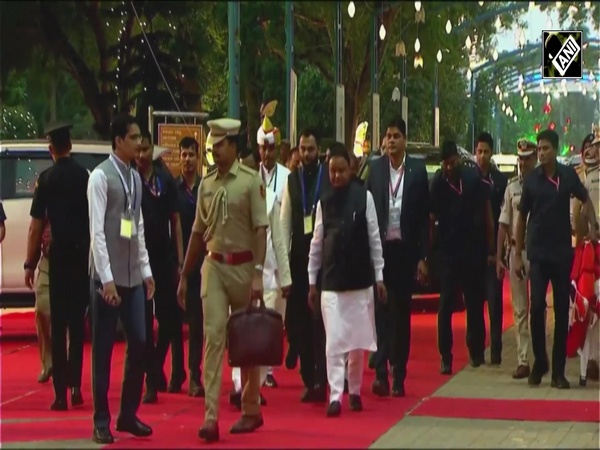
Meanwhile, the red carpet of the 57th IFFI also witnessed the presence of filmmakers, producers and actors associated with several Indian Panorama selections, including ‘Save the God’ and ‘Bhai Band’.