"Made political blunder": Ramesh Chennithala questions DMK’s backing for BJP on delimitation ahead of Monday Parliament showdown
Nov 28, 2026
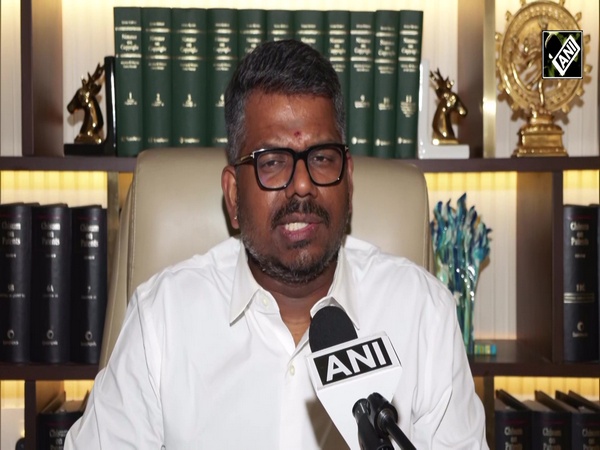
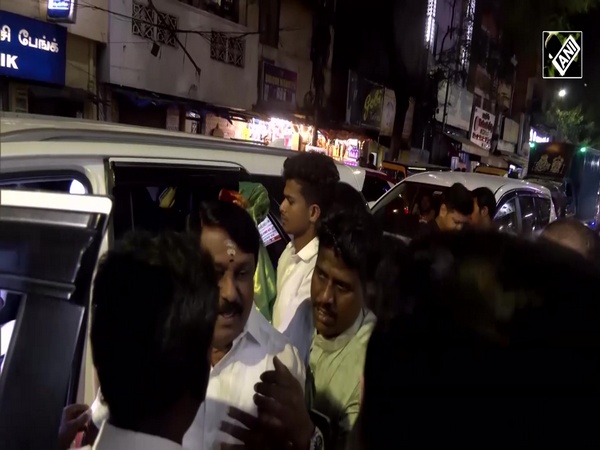
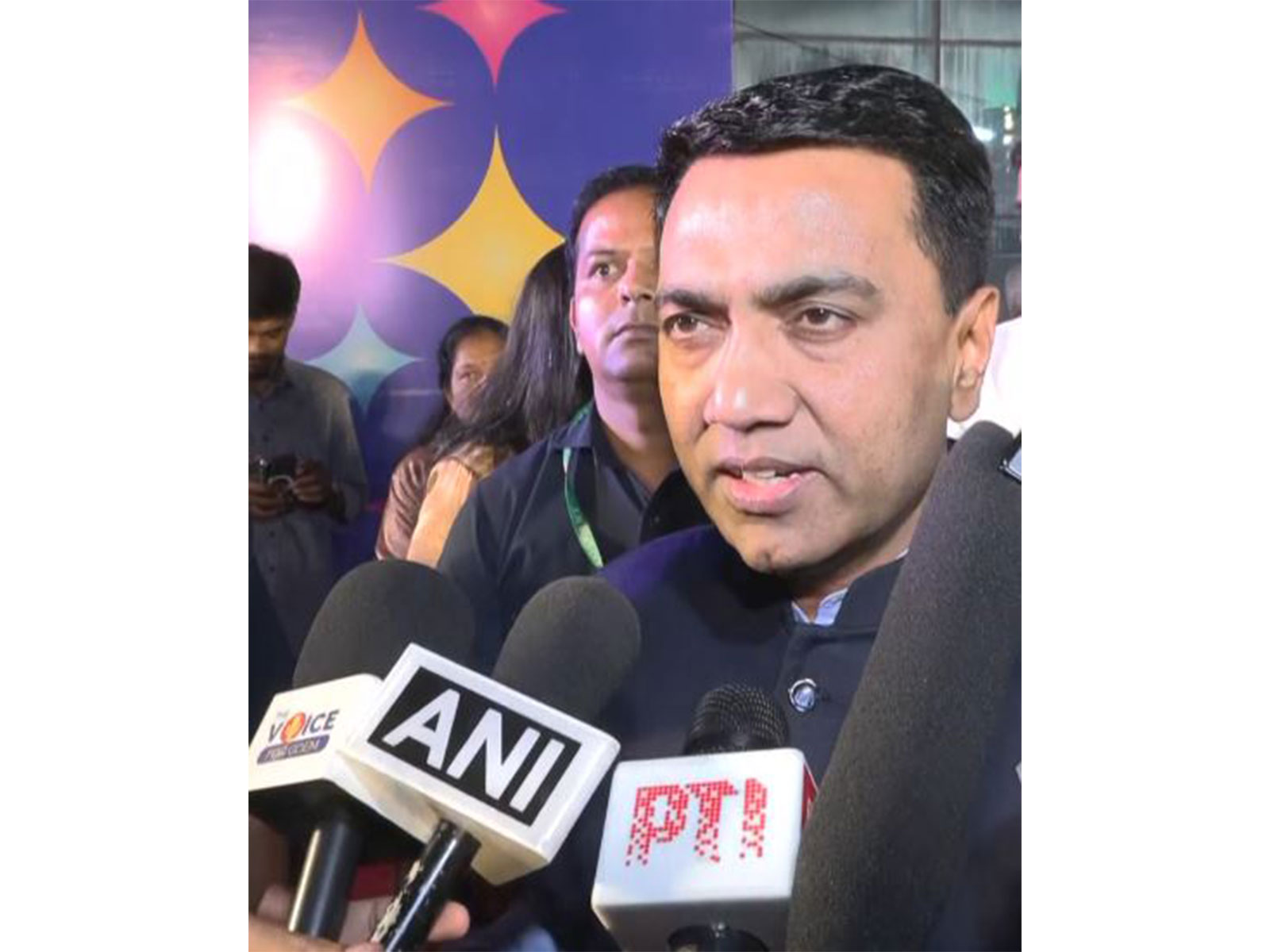
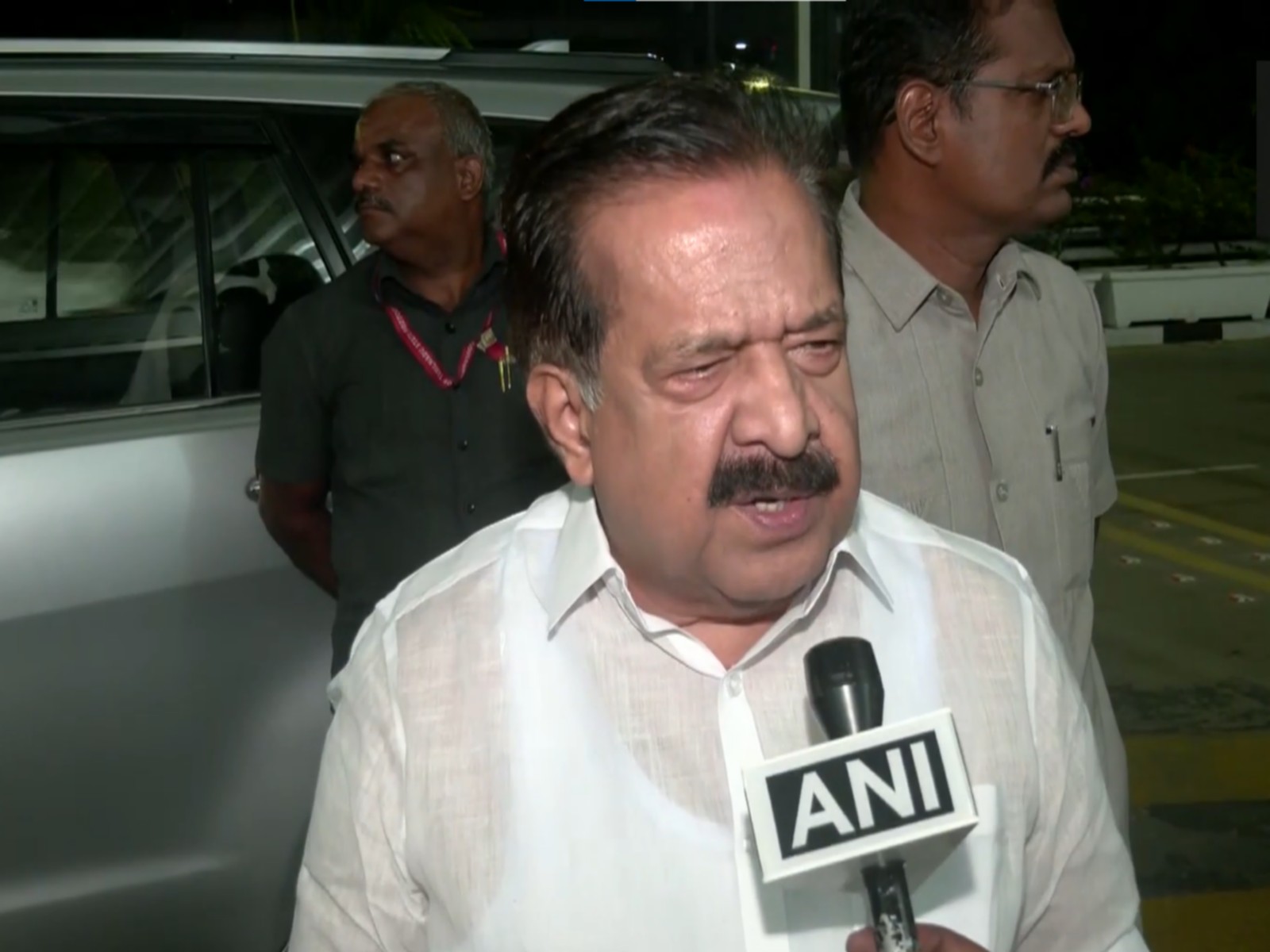
Chennai (Tamil Nadu) [India], November 28 : Keralam Home Minister Ramesh Chennithala on Saturday sharpened his attack on the Dravida Munnetra Kazhagam (DMK) for backing the Centre’s proposed Delimitation Bill, calling the move a "political blunder" and "foolishness" that breaks with Tamil Nadu’s Dravidian political tradition while threatening southern states’ influence ahead of Parliament’s special sitting beginning Monday, November 30.
Speaking in Chennai, Chennithala expressed disbelief at the DMK’s alignment with the Bharatiya Janata Party (BJP) on the legislation, arguing that the two parties’ ideologies are incompatible and warning of electoral consequences in Tamil Nadu.
"I don't understand why DMK is supporting BJP. Never in the history of Tamil Nadu has the DMK supported the BJP because the BJP's ideology and DMK ideology will not go together. The future of the country is involved in it. People of Tamil Nadu will not accept this. I'm very sure that the BJP will not have any influence in Tamil Nadu. Dravidian party cannot go with the BJP. This is foolishness which they have done. They will suffer because of that. They have made a political blunder by supporting the BJP."
Chennithala praised the Tamilaga Vettri Kazhagam (TVK) government in Tamil Nadu for standing firm against the Bill and accused the Bharatiya Janata Party (BJP) of pushing a measure that could erode southern political influence despite southern states’ gains in healthcare, education, and population control.
"The TVK government has taken a very strong decision to oppose the Delimitation Bill. Only two state governments, Kerala and Tamil Nadu, have passed resolutions against delimitation in their respective Assemblies. This is a nefarious design by the BJP to impose its ideology. The southern states will be affected because they have made significant progress in healthcare, education and population control. As a result of this delimitation, our bargaining power and political influence will decline. In the future, this delimitation will hamper the prospects of the southern states. This is completely unacceptable, and the federal structure will be weakened," Chennithala said.
Targeting the DMK’s decision to support the revised legislative package, Chennithala warned of political fallout and predicted a broader electoral rejection of Prime Minister Narendra Modi. "By supporting this Bill, the DMK is digging its own grave. Rahul Gandhi has cautioned against it time and again. Even if delimitation takes place, the people of this country will reject PM Narendra Modi. People are disgusted with this government. Trump is gone, Netanyahu is gone, and PM Modi is on his way out."
Following the May 2026 Assembly polls—in which Vijay-led TVK came to power in Tamil Nadu and the DMK was unseated—political lines in the state have realigned. While TVK opposes the Bill, DMK chief MK Stalin announced on Saturday that his party would back the revised legislation after saying two core demands from Tamil Nadu’s 2024 Assembly resolution were addressed, and DMK MPs met Union Home Minister Amit Shah even as Lok Sabha seating was separated from the Congress.
By framing the DMK’s move as a historic break from Dravidian politics that will still fail to give the BJP traction in Tamil Nadu, Chennithala seeks to draw a sharp ideological line between the DMK and the broader anti-BJP opposition camp, including the Congress and TVK.
The Union Cabinet has cleared the Constitution (132nd Amendment) Bill, 2026, the Delimitation (Second) Bill, 2026, and a Union Territories laws amendment bill proposing a flat 50 per cent seat hike across states and UTs (raising the Lok Sabha’s maximum ceiling to 850) and freezing inter-state seat shares until 2051 alongside 33 per cent women’s reservation ahead of 2029. While supporters say the uniform hike and 2051 freeze protect existing inter-state shares, critics contend it weakens southern leverage and federalism.
As the Lok Sabha reconvenes Monday for its four-day sitting (with the Rajya Sabha reconvening December 2), DMK backing—alongside discussions around other regional players like the NCP–Sharadchandra Pawar and YSRCP—have reshaped calculations around the two-thirds special majority required for a constitutional amendment, making party whips, floor attendance, and realignments central to the showdown.
Dravida Munnetra Kazhagam (DMK) on Saturday announced its support for the Centre's proposed Delimitation and Women's Reservation Bills, changing the seating arrangements of 97 Members of Parliament (MPs) in the Lok Sabha.
DMK MP Kanimozhi said the party decided to support the Delimitation Bill after the Centre incorporated the demands it had raised earlier, including a 25-year freeze on parliamentary representation.
After DMK MPs met Union Home Minister Amit Shah to convey the party's decision, Kanimozhi said the announcement followed a meeting convened by DMK president and former Tamil Nadu Chief Minister MK Stalin.
She said the demands raised by the DMK in Parliament and through a resolution passed by the Tamil Nadu government in 2024 had been incorporated into the proposed legislation.
"This morning, our leader Mr MK Stalin had called for a DMK MPs' meeting, and we reached a decision about our stand on the Delimitation Bill, and a statement was issued that we are going to support it. So we came to tell the Home Minister and the government about our stand," she said.
"We have decided to support the Delimitation Bill because whatever the DMK had wanted in that bill, like last time when we spoke in Parliament, or even before that when the DMK government had passed a resolution in 2024, whatever we had asked for, today they have made it part of the bill. Whatever the DMK had insisted on is in the bill today. We had also insisted that there will be a freeze for the next 25 years. So all that is in the bill...Whatever we wanted, we've got," she said.
Kanimozhi said the party had sought an increase in seats based on the 1971 population figures, with a freeze on the arrangement for 25 years.
"When the government said that they will be increasing the number of seats, we wanted it to be done on the 1971 basis, and they have agreed to that, and a freeze on that for 25 years has also been accepted. So today, Tamil Nadu's number of MPs will be going up from 39 to 59... After this bill is passed, the Women's Reservation Bill will be implemented," she said.
Earlier in the day, Stalin said the party had succeeded in protecting the state's parliamentary representation for the next 25 years after extending support to the proposed Delimitation Bill, likely to be introduced in the upcoming Parliament session.