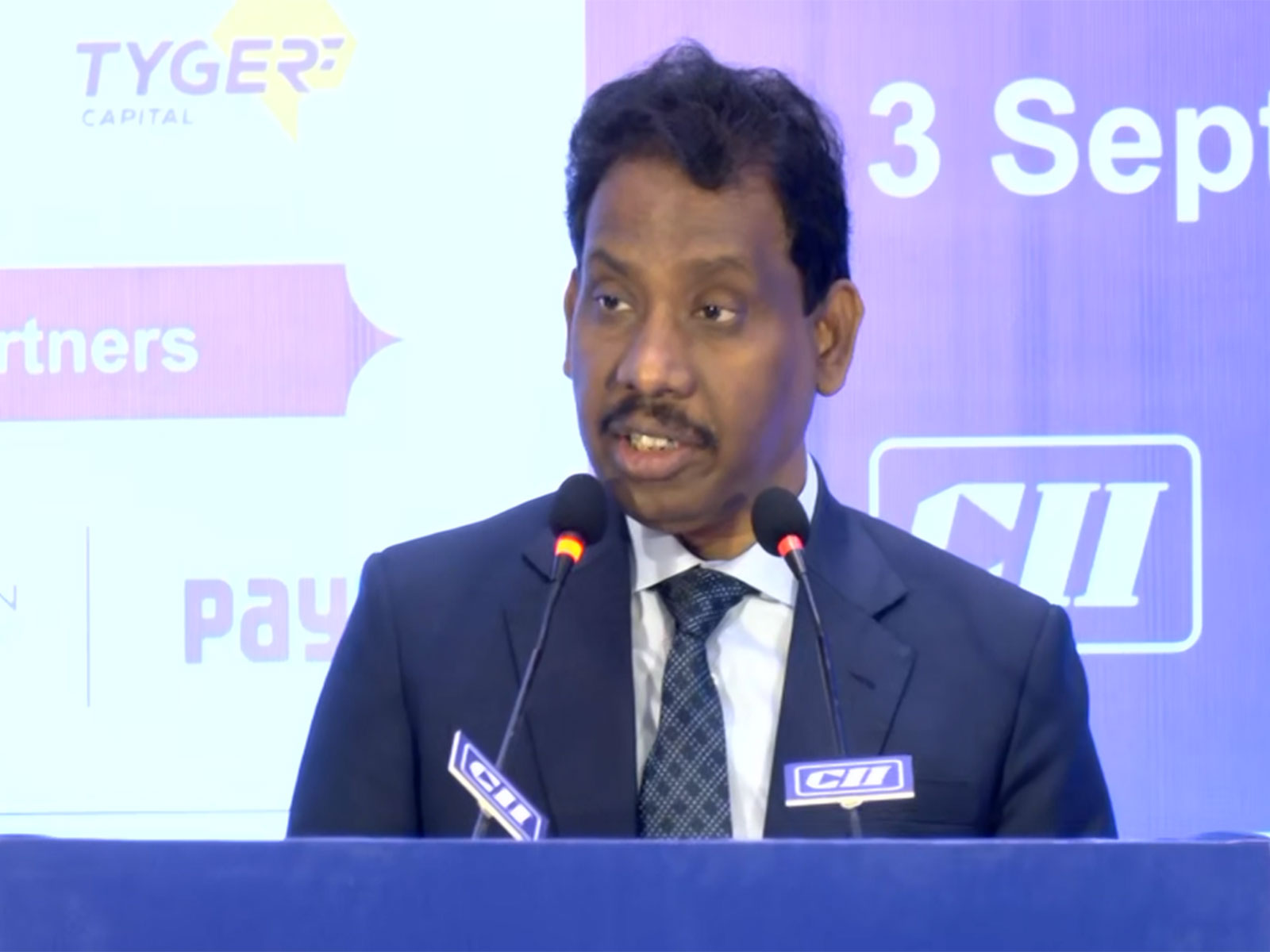
MDR fears groundless, AI accountability lies with boards: RBI Dy Governor SC Murmu
Sep 18, 2026
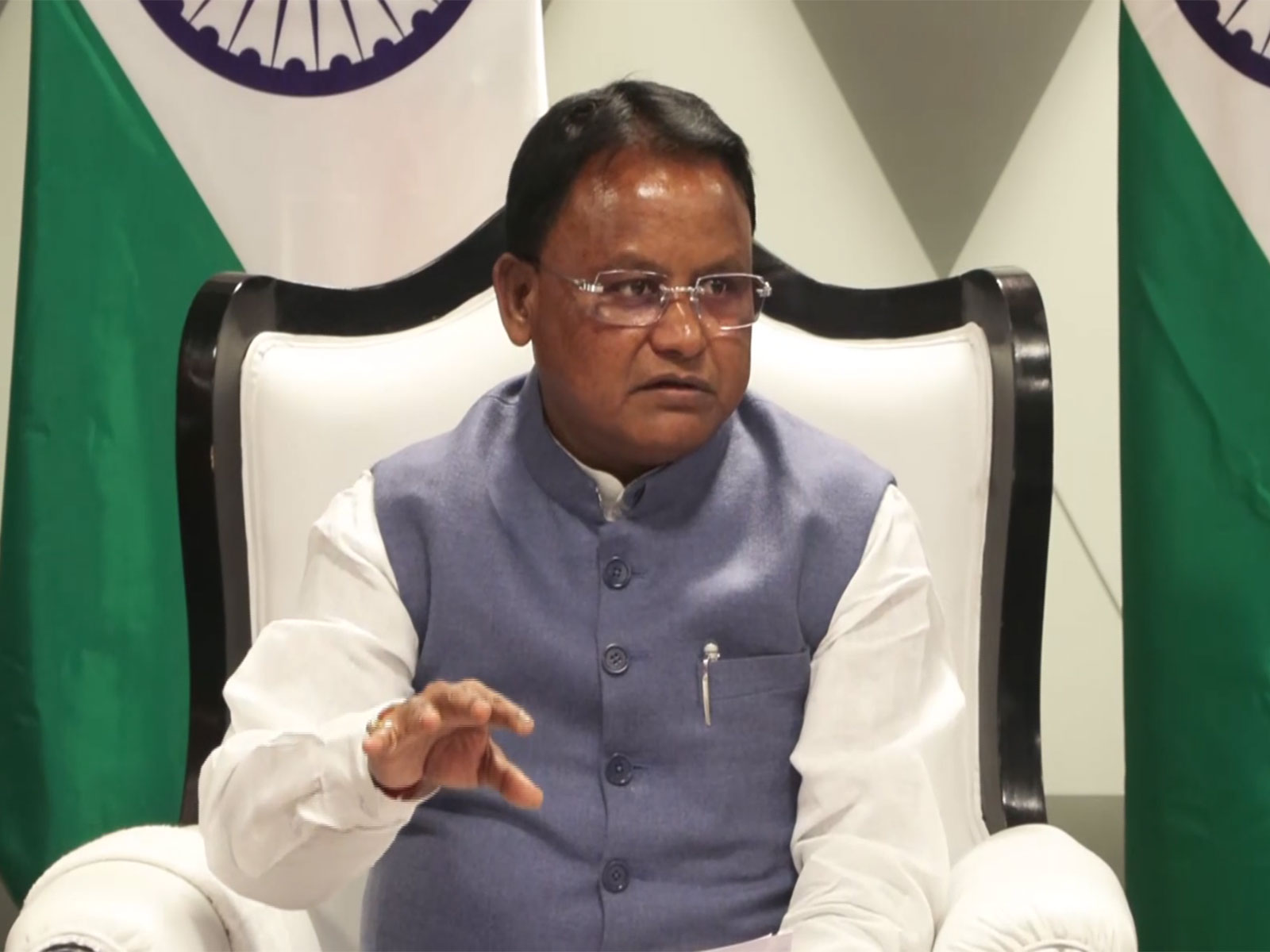
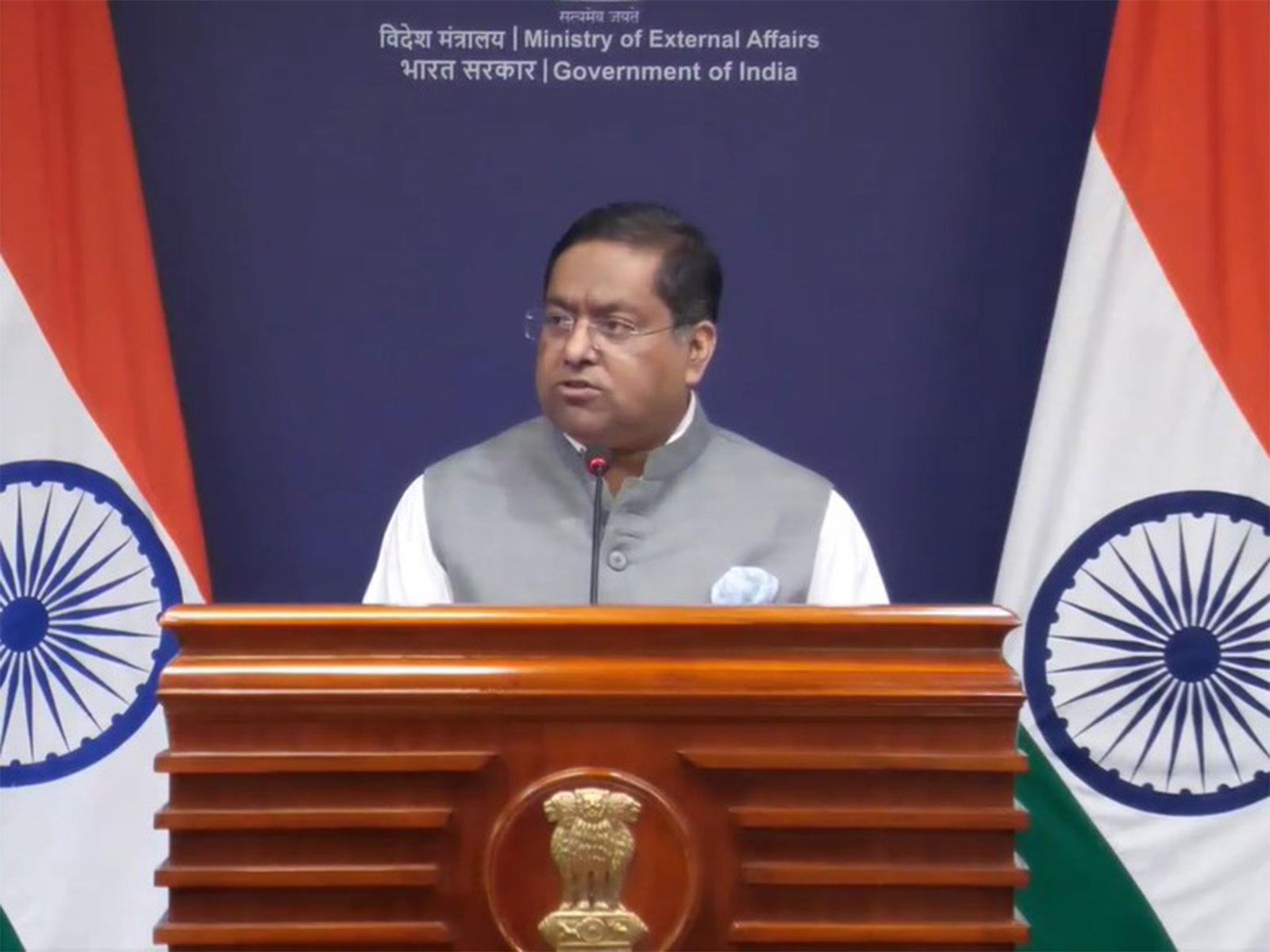
Mumbai (Maharashtra) [India], September 18 : Tackling industry anxieties head-on at the Bengal Chamber of Commerce & Industry’s (BCC&I) Financial Market Conclave in Mumbai, Reserve Bank of India (RBI) Deputy Governor SC Murmu on Friday addressed lingering concerns over Merchant Discount Rate (MDR) costs and the potential impact of fee recovery on digital payment adoption.
Answering questions from media and market participants, Murmu dismissed fears that evolving MDR structures would derail India's digital momentum, while delivering decisive clarity on high cash circulation, central bank regulatory speed, fintech safety, and corporate board accountability in an increasingly automated landscape.
Addressing fears around MDR and potentially rising digital transaction costs, Murmu dismissed apprehensions that higher recovery costs would push consumers back to physical currency.
“I don’t think that apprehension will come true,” he noted. “It will be just initial apprehension because it is a major shift in terms of how you recover the cost.”
On the persistent "cash paradox"—where notes in circulation continue to grow despite soaring UPI adoption—the Deputy Governor clarified that the dynamic is not contradictory. He emphasised that cash serves dual roles in an economy, acting as both a transaction vehicle and a store of value.
“Cash is a means of transaction, and that is getting replaced with digital,” Murmu explained. “But cash is also a store of value, and that has seen no significant decline... directionally, we are very hopeful; digital is picking up very well, and because the population is growing, we need to look at per capita cash. So it's not a paradox.”
Responding to queries about the fast pace of central bank circulars, Murmu explained that issuing over 600 circulars and amendments in a year was part of a structured regulatory streamlining effort rather than aggressive deregulation.
“Don't get intimidated by that number,” he said. “What we have done is reclassify all regulated entities into about 11 categories... We have shifted that burden onto ourselves. If you are a Small Finance Bank, you now know exactly which guidelines apply to you.”
He added that “when things change fast on the ground, we have to match that speed.”
Turning to ecosystem security, Murmu highlighted that financial frauds and mule accounts must be treated as collective network risks rather than isolated IT glitches.
“Tackling network-wide fraud cannot be done by a single entity; it is a collective responsibility,” he stated, revealing that the RBI is building a centralised Digital Payments Intelligence Platform.
He further reiterated that the “same activity, same risk, same regulation” framework enforces standardised activity-based security for payment systems without burdening fintechs with bank-level capital or CRR mandates.
Finally, on governance amid rapid technological adoption, Murmu issued a clear message on accountability in artificial intelligence deployment.
“Irrespective of whether machines supplement or replace humans, accountability rests with the board,” he asserted, stressing that boards must educate themselves quickly to keep pace.