Microsoft’s new India cloud region to use effectively “zero water” for cooling: Microsoft India President
Sep 21, 2026
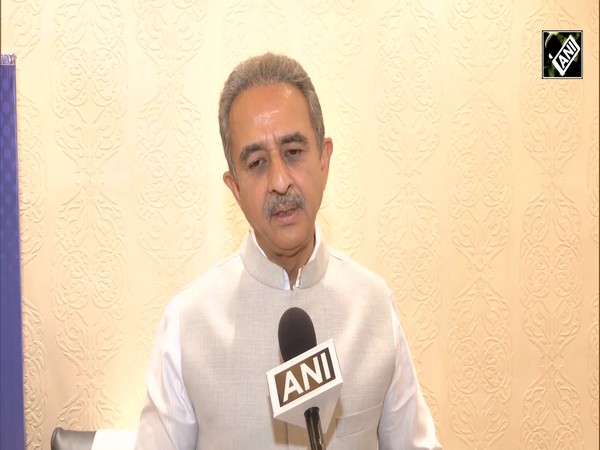
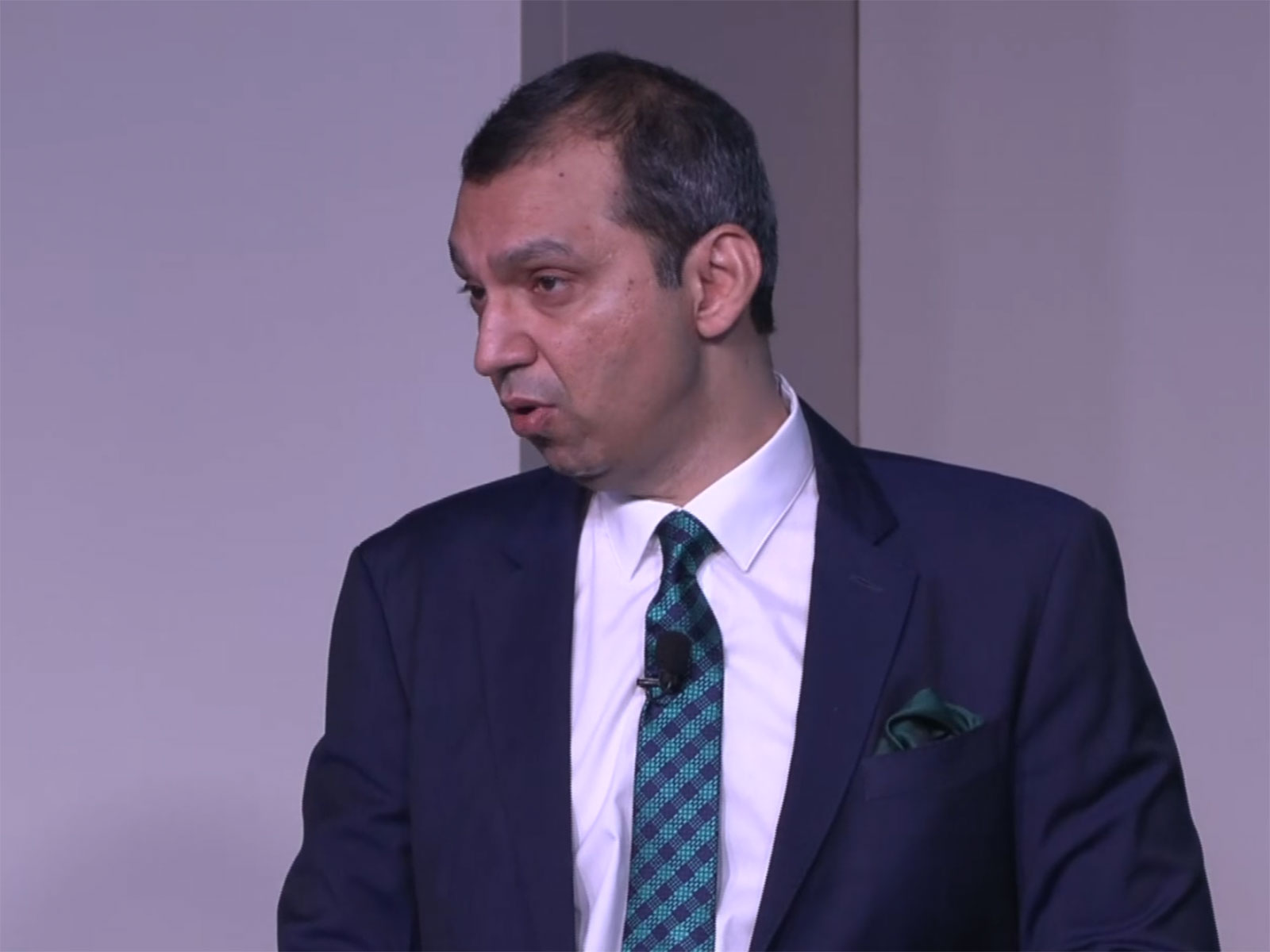
New Delhi [India], September 21 : Microsoft’s new India South Central cloud region will use effectively zero water for cooling and is being built to handle AI workloads from day one, said Puneet Chandok, President, Microsoft India and South Asia, adding the tech giant is “putting water back into the ground.”
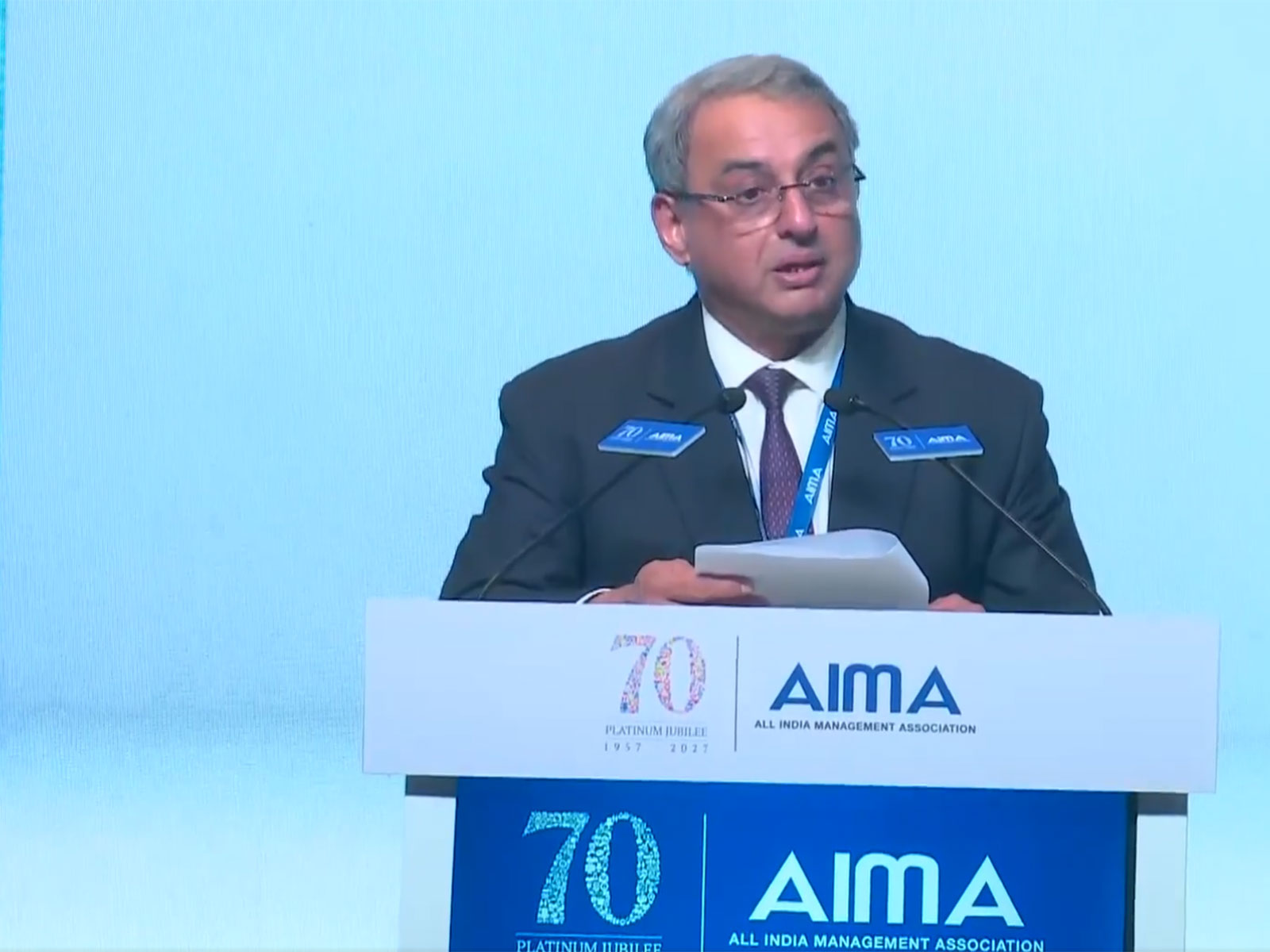
Addressing the Microsoft AI Infrastructure Summit India, Chandok announced the company’s fourth cloud region in India — India South Central — which will be established in Hyderabad, adding to its existing cloud regions in Pune, Chennai and Mumbai. Also, the latest centre has been designated a strategic hub for Asia and the Global South.
“It's our fourth cloud region in India. We have Pune, Chennai, and Mumbai, and now we have Hyderabad. The largest hyperscale cloud footprint in India. The largest hyperscale cloud footprint in our country,” he said.
Chandok said the Hyderabad facility will be Microsoft’s strategic hub in India and one of its largest investments in the country in terms of compute capacity. The region will have three availability zones and will be built to support AI workloads from the outset.
Highlighting the focus on sustainability, Chandok said questions around water consumption and the source of electricity are central to the development of data centres globally.
“Every data centre that we build anywhere in the world gets two questions. Two questions. How much water are you using and whose power? How much water and whose power? Fair questions; let me give you the answers to both,” he said.
On water consumption, Chandok said the India South Central region has been designed to require effectively no water for cooling. “Effectively zero water for cooling in India South Central. We're not needing water in the first place by design.”
Stressing “compute is the new canal,” he said, “We're putting water back into the ground...”
“5 million litres of ground capacity being built.1 gigawatt of renewable energy already contracted in India. 630 megawatts is already flowing. 630 megawatts is already flowing. And this ladder is up to our commitment of 2030,” he said. Also, the tech giant's Elikatta groundwater-recharge program has added ~5 million litres of recharge capacity by June 2026, the company said in a release.
“We want to be completely carbon negative, water positive and zero waste and we're committed to that. This is what sustainable infrastructure looks like.”
Highlighting the scale of infrastructure required, Chandok said India currently has around 2 gigawatts (GW) of data centre capacity, which could expand six to seven times by 2035.
“...going back to my 20% and 3% number, we roughly have 2 gigawatts of data centre capacity in our country, 2 gigawatts. By 2035, we will build 6 to 7x of that,” he said.