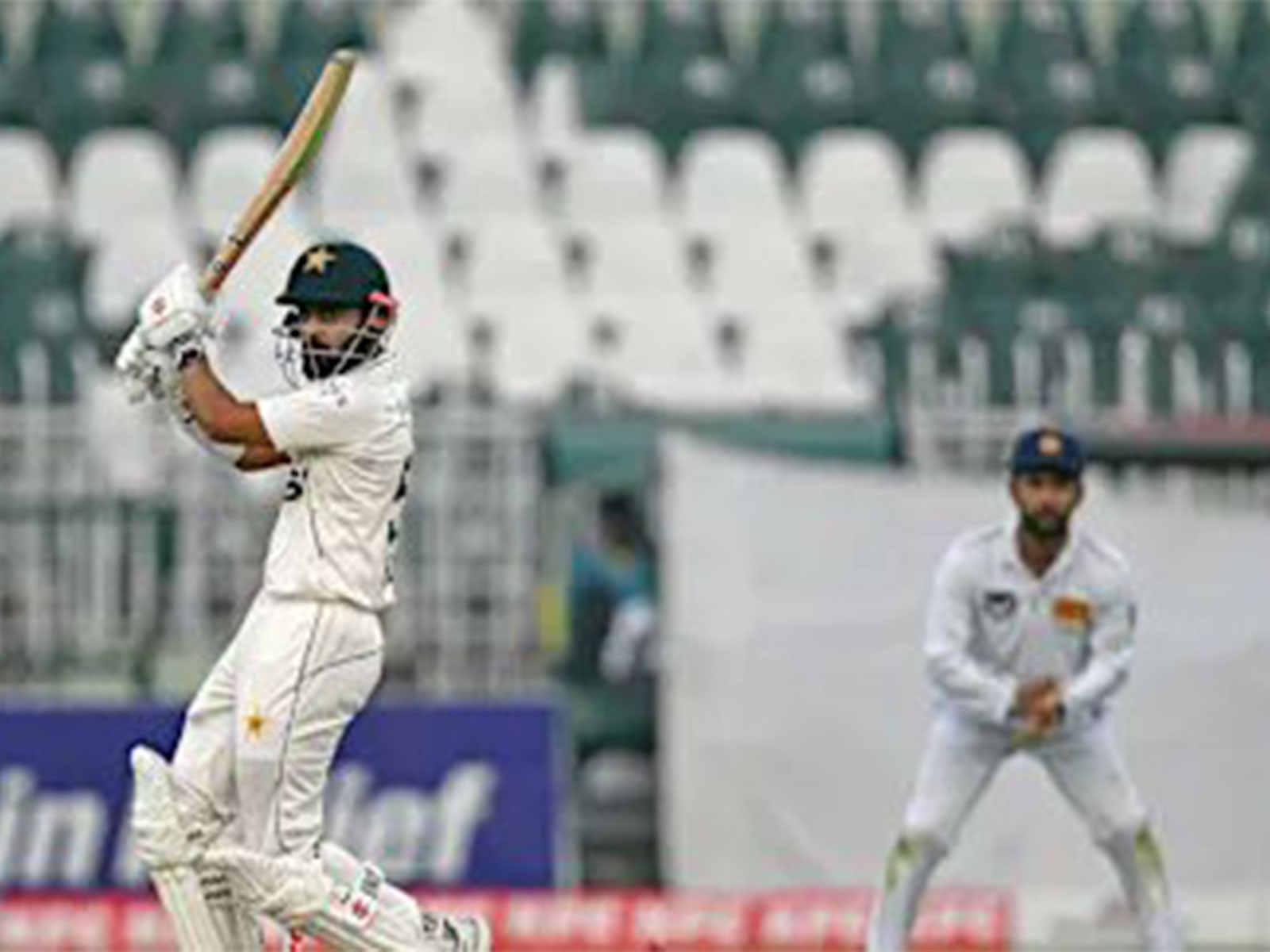
Mike Hesson backs pink-ball option for second Pakistan Test after Rawalpindi weather washout
Nov 13, 2026
Rawalpindi [Pakistan], November 13 : Pakistan head coach Mike Hesson believes the use of the pink ball in day-night Test matches at home "seriously needs to be considered" after rain and poor light severely disrupted the opening Test against Sri Lanka, which ended in a draw with almost 141 overs lost.
Hesson, along with Pakistan captain Babar Azam, expressed openness to the possibility of switching to the pink ball for future home Test series, with weather conditions making it increasingly difficult to complete scheduled playing hours during the winter months, according to Cricinfo.
"It is certainly something that needs to be talked about for the future series," Hesson told the host broadcaster after the match, as per Cricinfo. "It is going to be a challenge to play Test matches in this time of the year regardless of where in Pakistan. As the ICC have now allowed that to be an option, this is something that seriously needs to be considered before the series."
The International Cricket Council (ICC), following its last quarterly meeting, approved the use of pink balls in day Tests as an option to address the issue of overs lost due to bad light.
The first Test in Rawalpindi highlighted the need for an alternative, with only three innings of cricket possible across five days. Almost 141 overs were lost as fading light forced repeated interruptions, while rain washed out a significant portion of the fourth day's play.
Pakistan had already fallen behind the game when play resumed on the final day, holding a lead of just 45 runs with one wicket down. The hosts batted throughout the day before the umpires called off play at 4:18 pm, nearly two hours before the scheduled close, as Saud Shakeel was dismissed in the 90s for the second time in the match.
Babar also welcomed the pink ball as an alternative but stressed that teams would require sufficient preparation before making the switch.
"You will need to prepare for it as we usually play with the red ball," he said in the post-match presentation, as per Cricinfo. "A couple of days are not enough to prepare to play a Test with the pink ball. It is a good that we have it as an option, but the preparation for a pink ball Test demands more time."
The possibility of introducing the pink ball for the second and final Test against Sri Lanka was also discussed, but the two boards did not consider the switch after the match was relocated to Rawalpindi from Lahore because of hazardous levels of smog. With only three days between the two Tests, there was insufficient time for players to adapt to the different conditions and characteristics of the pink ball.
Weather-related disruptions have been a recurring problem for Pakistan's home Test cricket, particularly during November and December. Early sunsets, fading light, smog and dense fog have made venues such as Lahore and Multan difficult to use during this period.
The Pakistan Cricket Board had already advanced the start of the Rawalpindi Test to 9:30 am, half an hour earlier than the usual schedule, in an attempt to compensate for the expected loss of playing time in the evenings. However, early morning moisture and overnight dew made an even earlier start impractical.
The issue is not new for Rawalpindi, with Pakistan's 2019 Test against Sri Lanka and England's historic victory at the venue in 2022 also witnessing interruptions because of weather and poor light.
With Lahore and Multan often unsuitable during the winter months and Karachi's National Stadium still undergoing renovation, the PCB faces a scheduling challenge in organising its home Test season, which generally runs from October to March.
The ICC's approval of the pink ball for day Tests could therefore provide Pakistan with an alternative to minimise interruptions and ensure more playing time in future home series.