Nalanda University key to reviving ancient ties and deepening modern Southeast Asian engagement: MEA
Nov 12, 2026
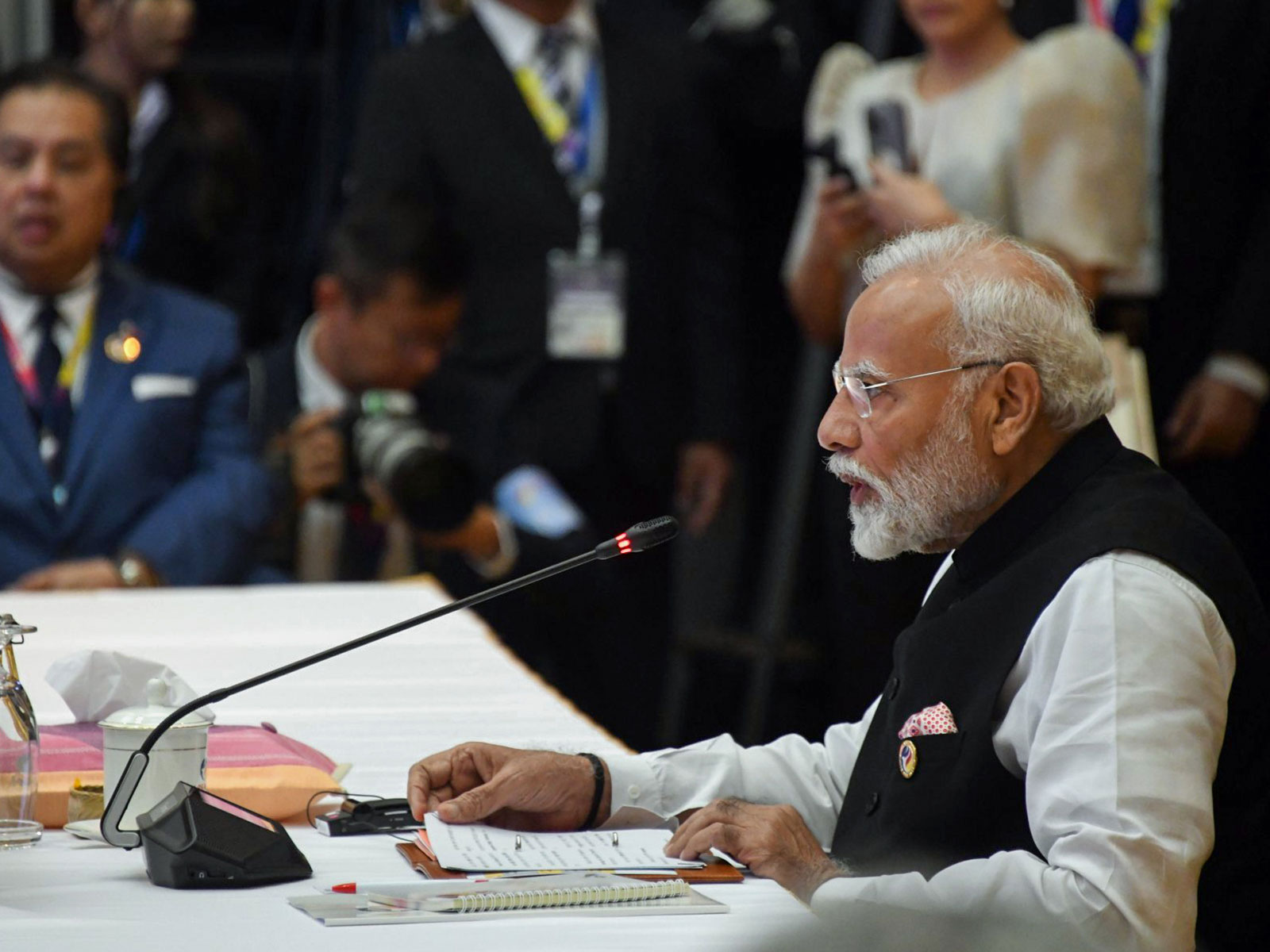
New Delhi [India], November 12 : Ahead of Prime Minister Narendra Modi’s upcoming visit to Manila for the ASEAN-India and East Asia Summits, the Ministry of External Affairs (MEA) has underscored the pivotal role of Nalanda University in bridging ancient civilisational links with contemporary academic and technological collaboration across Southeast Asia.
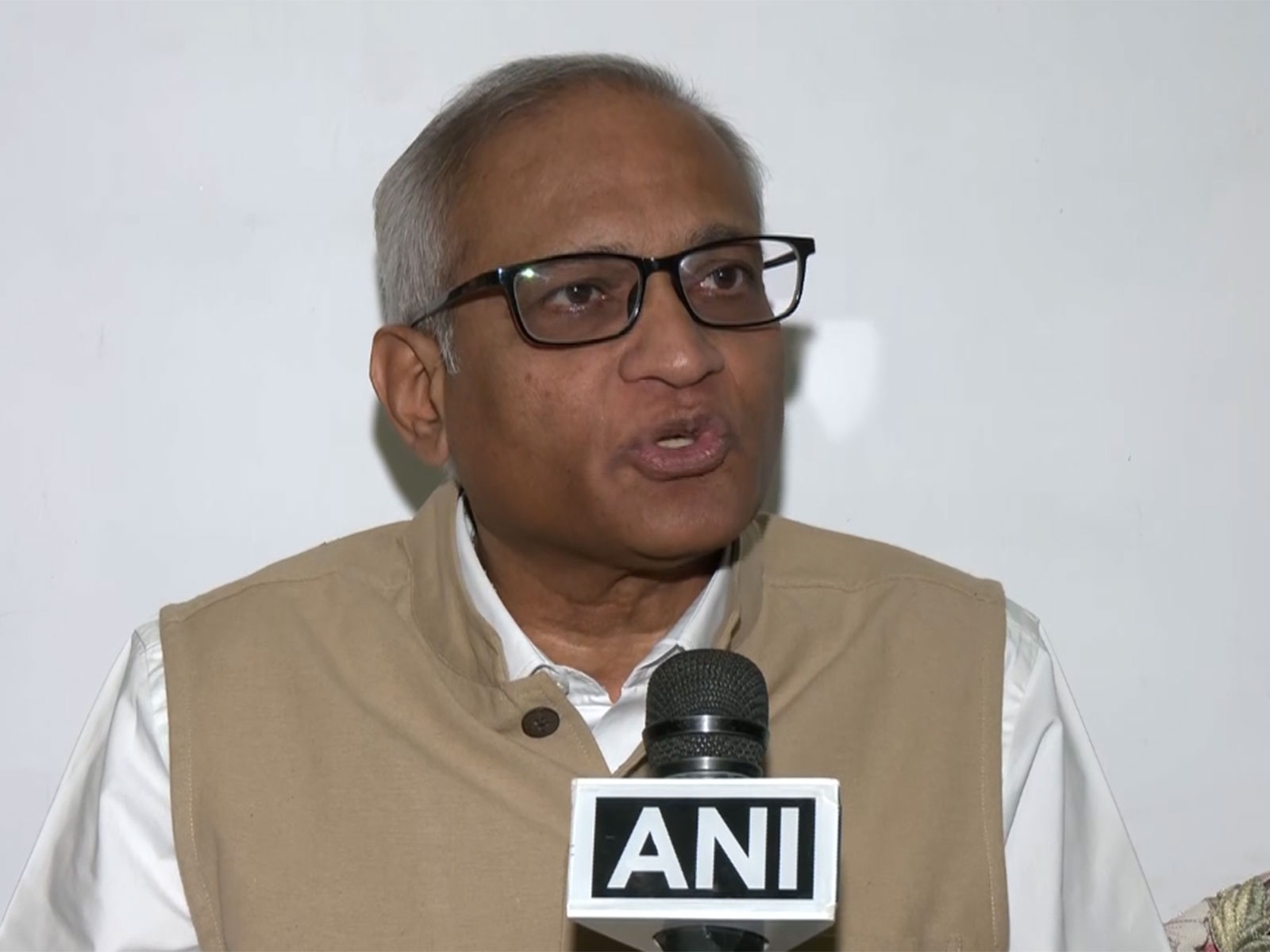
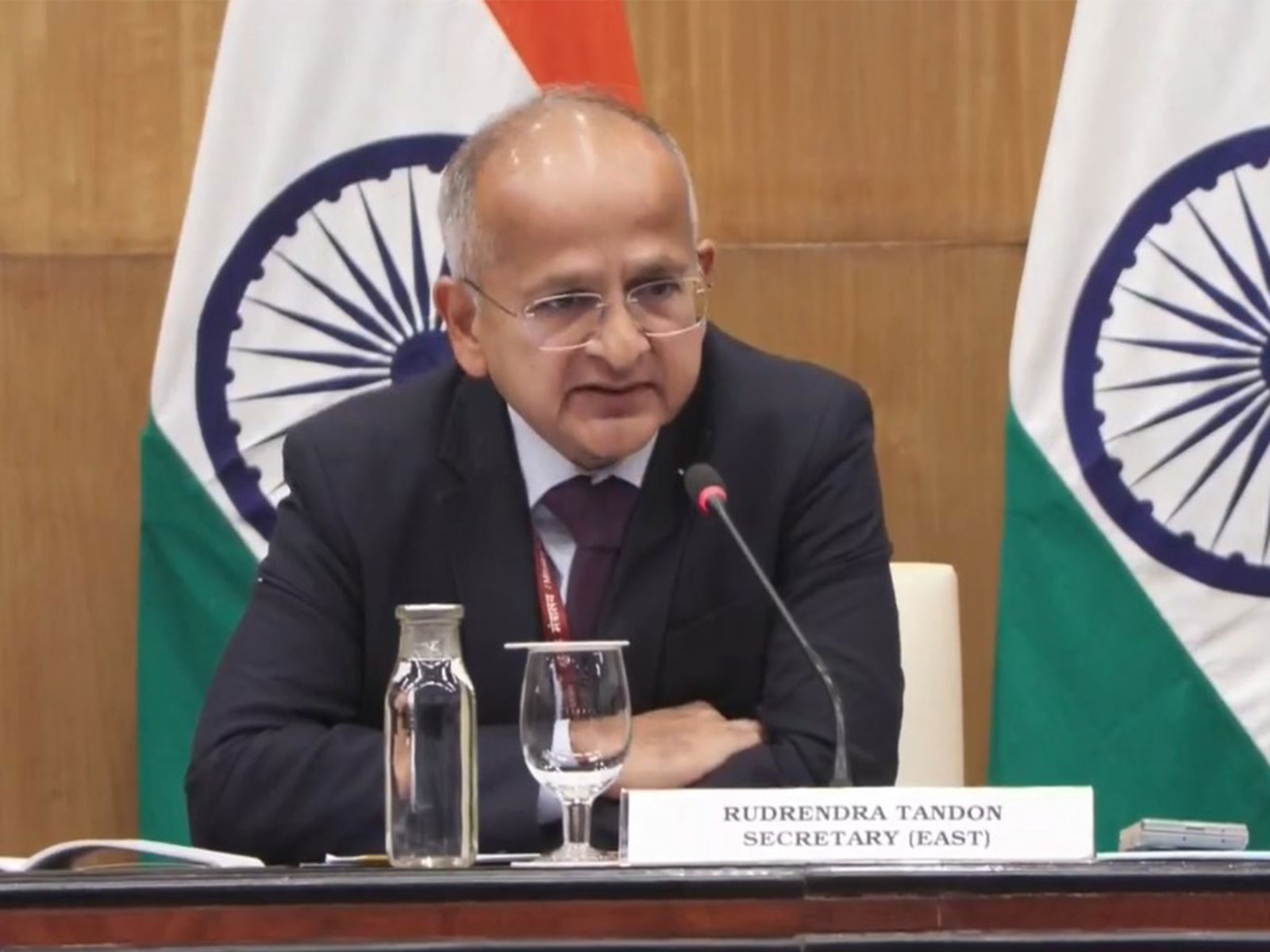
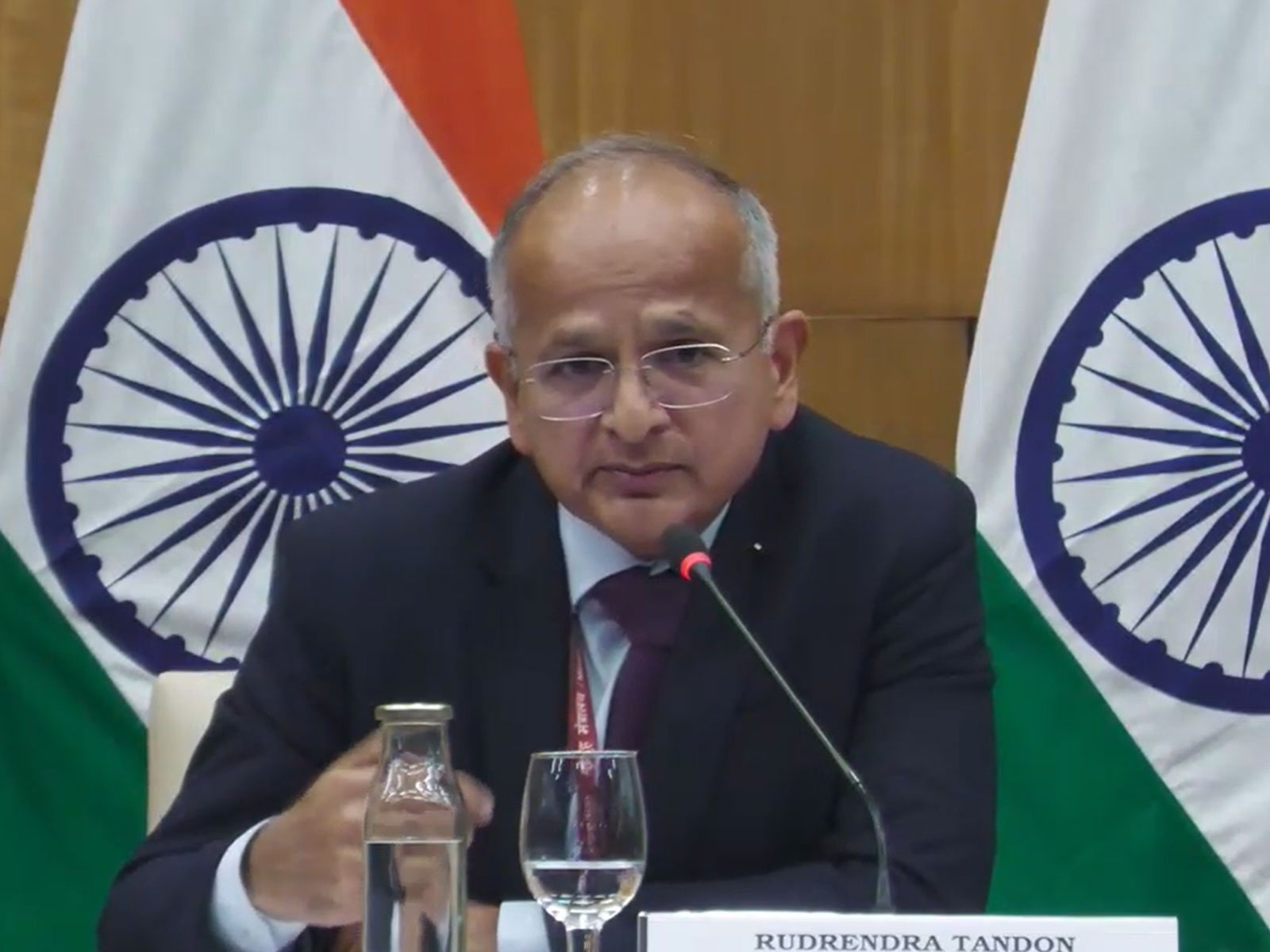
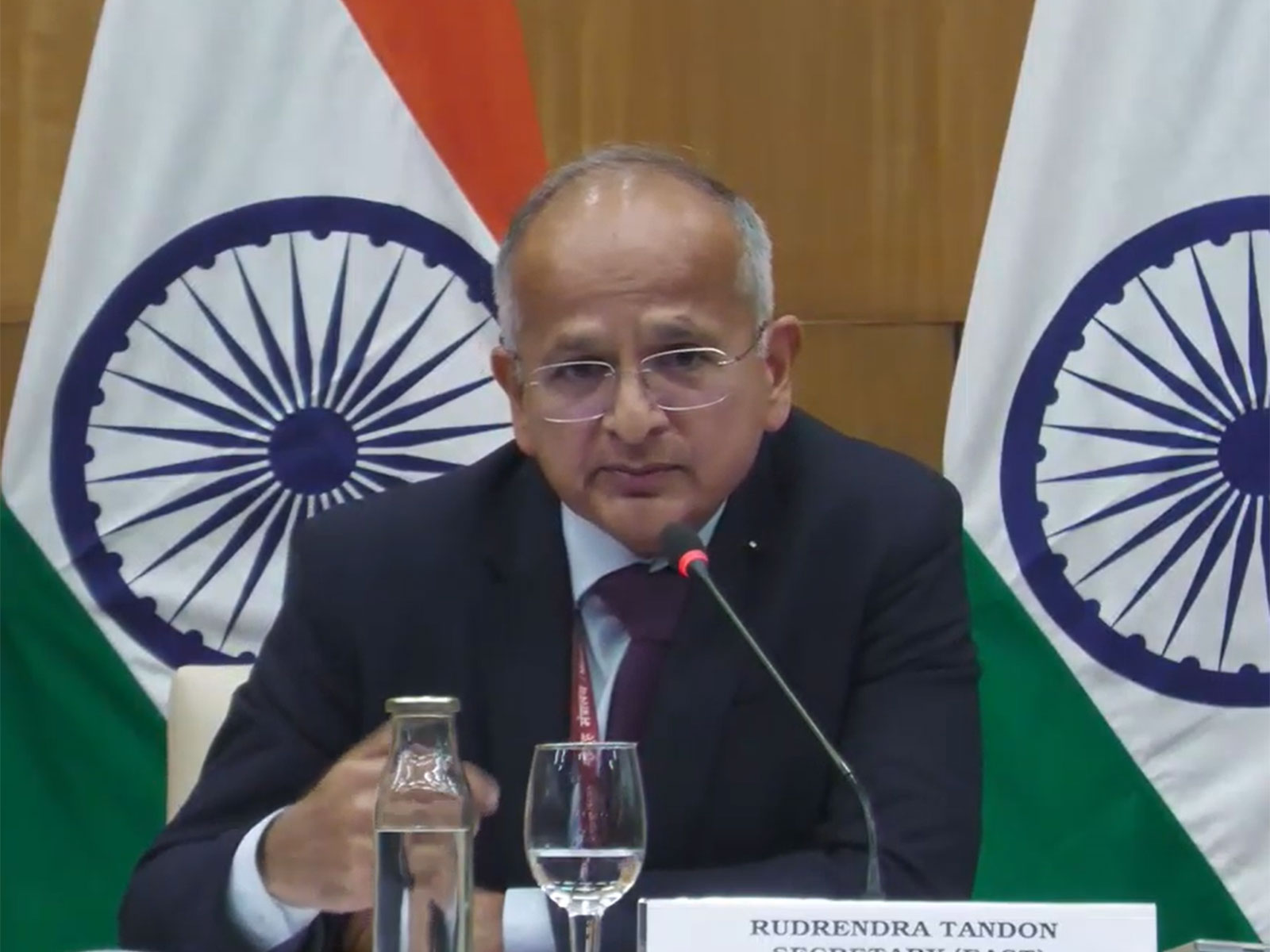
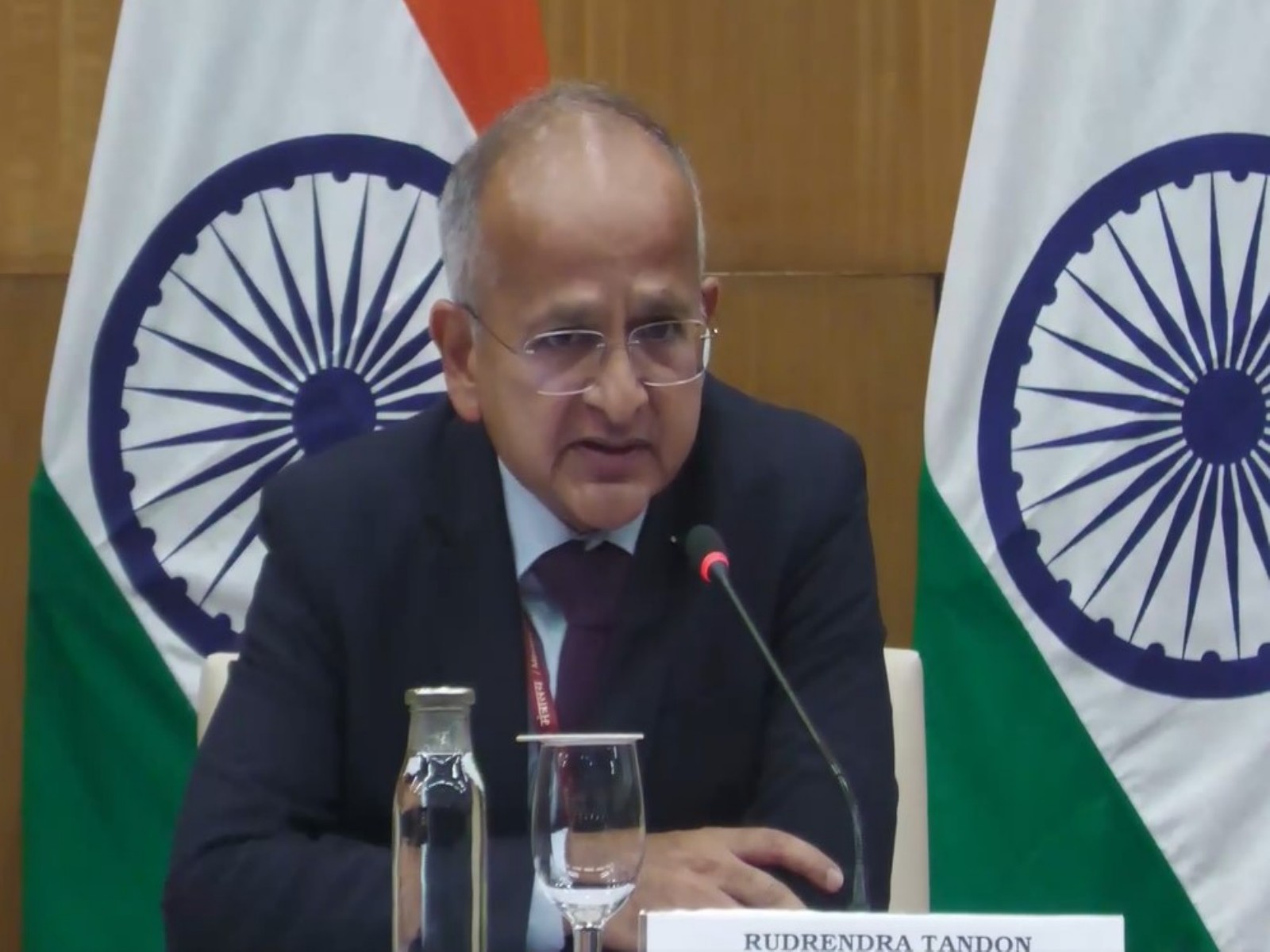
Briefing reporters on the Prime Minister's schedule and regional priorities, MEA Secretary (East) Rudrendra Tandon highlighted how the revived international institution in Bihar is evolving into a premier hub for both heritage studies and cutting-edge disciplines.
"On Nalanda University, well, the original idea of Nalanda University is to develop these sorts of connections that existed in ancient times and to revive these connections. It is, I wouldn't say, being used, but it is already becoming a major centre for studies, not just Buddhism, but also modern subjects like artificial intelligence and mathematics, which are part and parcel of this university. It is a very unique international body that has been established in India, but can be used extensively for engagement with countries in the Southeast Asian region," Tandon said.
Located in Rajgir near the ruins of the ancient monastic centre of learning, modern Nalanda University was established by an Act of the Indian Parliament under the aegis of the MEA following a joint initiative endorsed at the East Asia Summit (EAS). Over the years, 17 EAS participating countries, including ASEAN member states, have signed Memoranda of Understanding to support the institution's development as a pan-Asian centre of excellence.
Operating as a flagship educational pillar of India’s Act East Policy, the university actively fosters academic diplomacy and people-to-people ties across the Indo-Pacific. In recent years, it has expanded its footprint beyond historical, ecological, and Buddhist studies to integrate contemporary fields, hosting the inaugural East Asia Summit Conclave of Higher Education Leaders and welcoming international cohorts from across Asia and beyond to its Net Zero campus in Bihar.
Earlier in April, the Centre for Southeast Asian Studies at Nalanda University in Rajgir, Bihar, was inaugurated by the then Secretary (East) in the Ministry of External Affairs (MEA), P Kumaran, according to an official press release issued by MEA.
The event on Tuesday was attended by Ambassadors, High Commissioners, representatives of Nalanda University's partner countries, Vice Chancellors of various universities, and faculty members of Nalanda University, according to an official release.
The initiative traces its origins to an announcement by Prime Minister Narendra Modi during the 22nd ASEAN-India Summit held in Kuala Lumpur in October 2025.
According to the MEA, the centre is structured around ten interdisciplinary research clusters ranging from climate and maritime studies to trade, heritage, public health, migration, digital cooperation and international relations.
The Centre is expected to serve as a knowledge partner to the ASEAN-India Comprehensive Strategic Partnership Plan of Action for 2026-2030.
It will also function as a bridge between India and Southeast Asia by strengthening academic research, supporting policy engagement, and deepening cultural and civilisational ties, the MEA said.
Previously, President Droupadi Murmu addressed the Nalanda University convocation ceremony. The President said that the convocation ceremony is a reaffirmation of a civilizational promise - a promise that knowledge shall endure, that dialogue shall prevail, and that learning shall continue to serve humanity.
She noted that over half of the graduating cohort today comprises international students from more than 30 countries.
The President said that the ancient Nalanda University stood as a renowned centre of learning for nearly eight centuries. The decline of Nalanda constituted a monumental loss--not only for India but for the entire world. Nevertheless, the concept of Nalanda remained alive.