“Nanavati Commission, Supreme Court-appointed SIT established that Godhra fire was deliberate”: Ex-CBI Special Director Rakesh Asthana
Nov 14, 2026
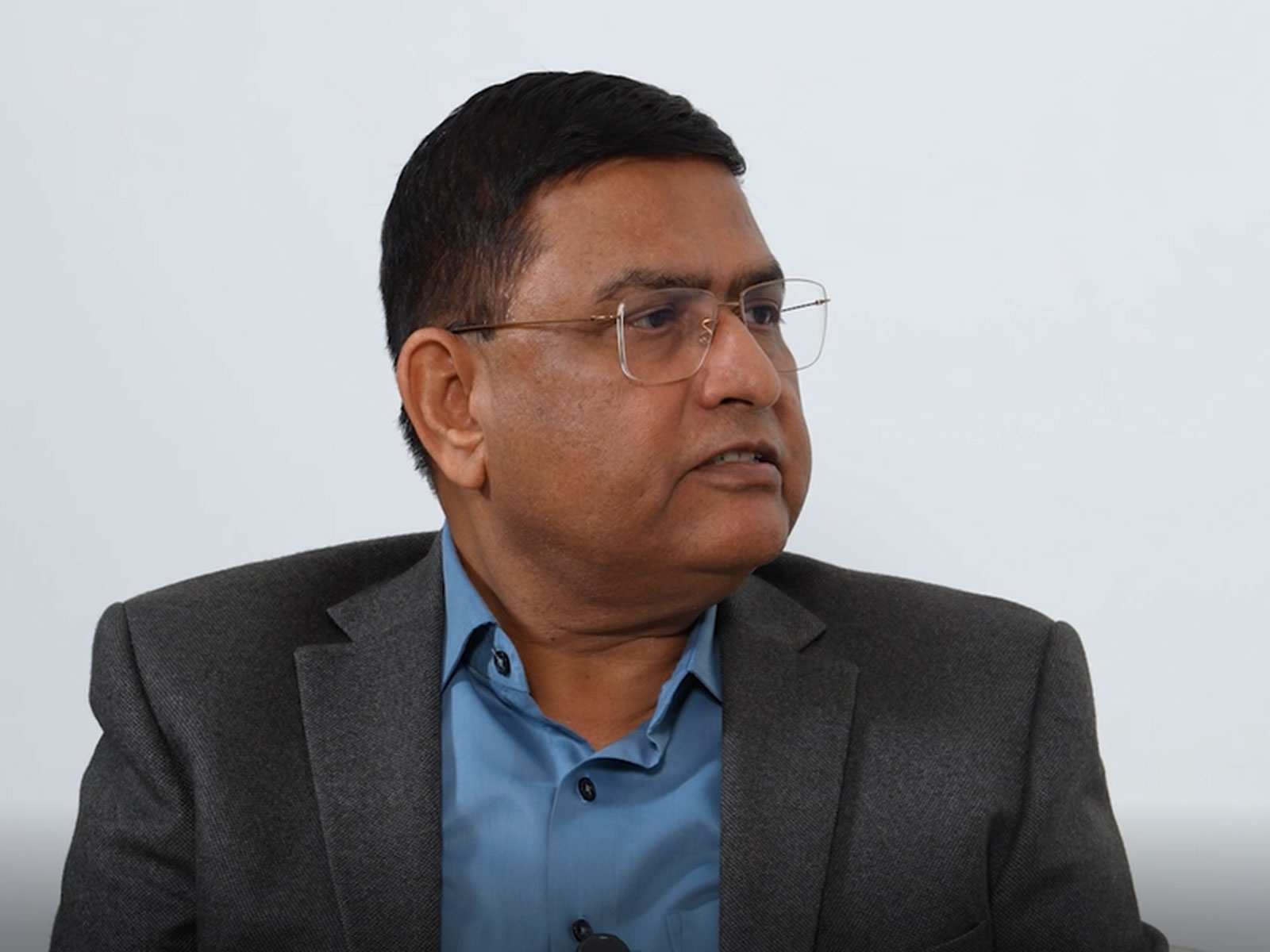
New Delhi [India], November 14 : The Nanavati Commission and a Supreme Court-appointed Special Investigation Team (SIT) both upheld the investigation into the 2002 Godhra train burning incident, former CBI Special Director Rakesh Asthana said, asserting that the findings of the inquiries supported the conclusion that the fire was deliberately set as part of a pre-planned conspiracy.
On February 27, 2002, coach S-6 of the Sabarmati Express caught fire near Godhra railway station in Gujarat, killing 59 people, including karsevaks returning from Ayodhya. The incident was followed by communal violence in several parts of the state.
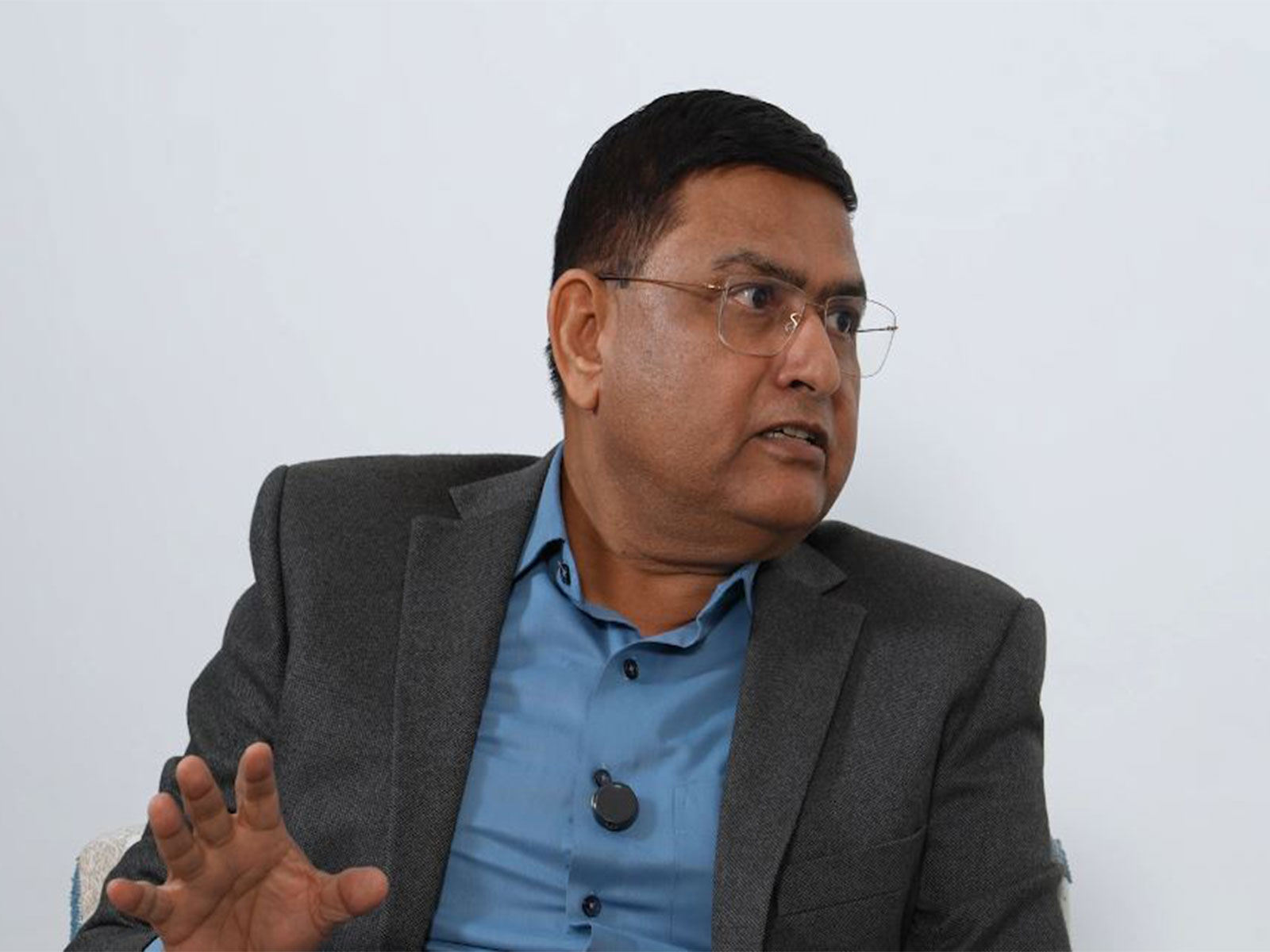
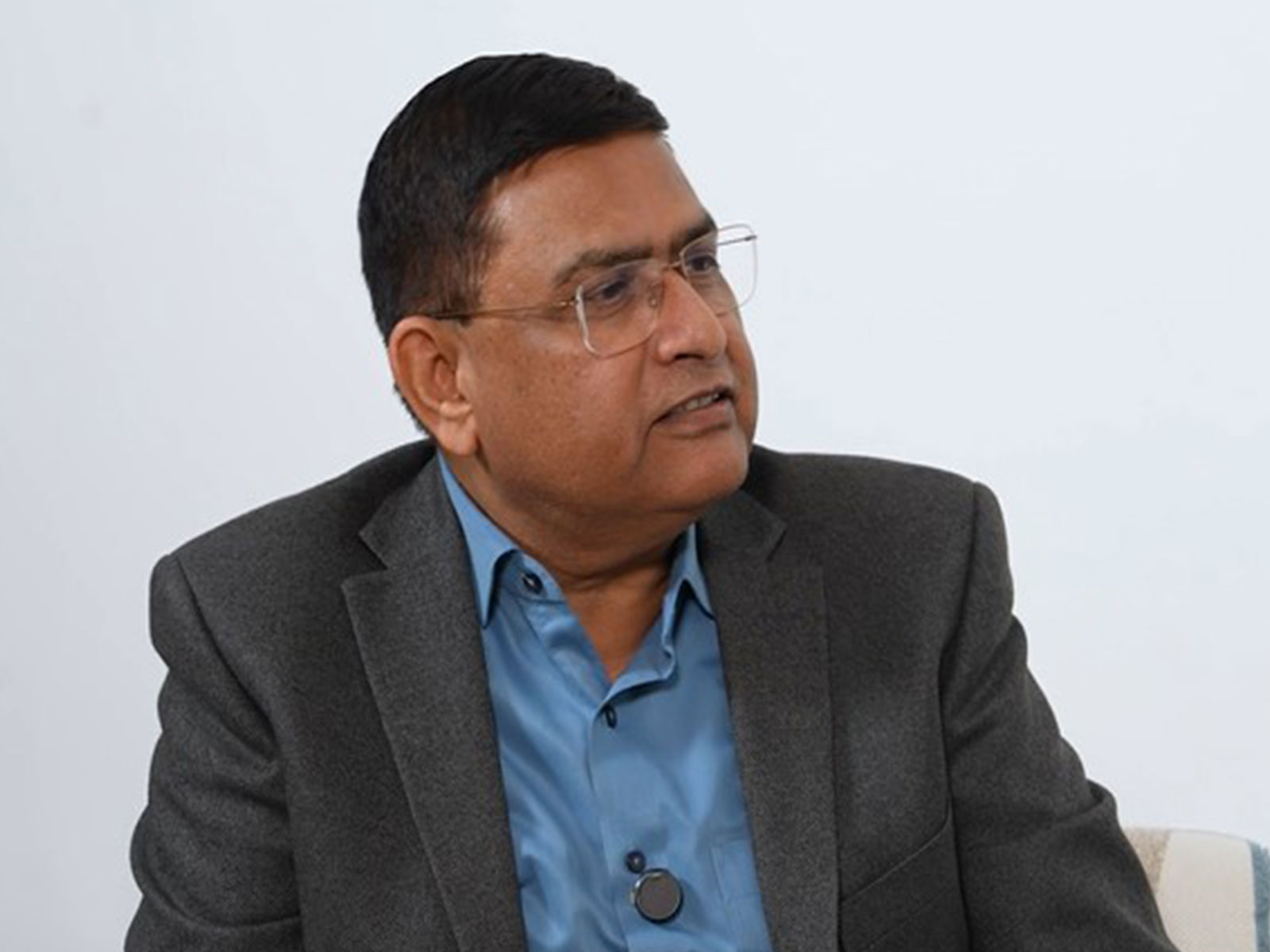
Asthana, who headed the Gujarat Police SIT probing the train burning incident, said the investigation considered different theories and possibilities before collecting evidence that connected the accused to the crime.
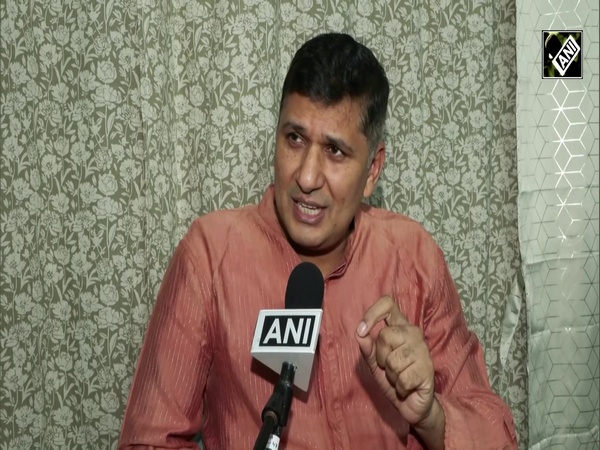
"At that time too, different theories and different possibilities were taken into consideration. Whatever evidence was collected and whatever we were able to prove was presented in the chargesheet and proved in court. So, it is not that we left any possibility unexplored. We ruled out several theories and collected evidence that connected these people with the crime. One was the Nanavati Commission, and the other was the Banerjee Commission," Asthana told ANI in an interview.
Explaining how the Supreme Court-appointed SIT examined the Gujarat Police investigation, Asthana said the state police's probe was reviewed in detail by a team led by then CBI Director RK Raghavan.
"CID Crime, Gujarat, started the investigation, which continued until 2008. I was heading that SIT. In 2008, the Supreme Court constituted an SIT under the leadership of Dr R K Raghavan, the then Director of the CBI, and Dr C B Satpathy, who had earlier served as Director General of Police, Uttar Pradesh. In Dr Raghavan's absence, Dr Satpathy headed the SIT," he said.
Asthana said the Supreme Court-appointed team re-examined the entire investigation, including questioning the officers who had conducted the original probe.
"They examined the entire investigation again. In fact, they examined us as well. We explained to them what investigation we had carried out. They visited the site and examined everything. They then concluded that they could not find any flaw in the investigation conducted by the Gujarat Police. Dr Raghavan and Dr Satpathy submitted this report before the Supreme Court after completing the re-examination of the entire investigation, and the Supreme Court accepted that report," he said.
Asthana added the trial proceeded on the basis of the investigation and the report, and convictions followed in 2011.
Referring to the Nanavati Commission, Asthana said it had also examined the Godhra incident in detail and reached the conclusion that the fire was deliberate.
"When this incident happened on February 27, 2002, the Gujarat government constituted the KG Shah Commission in March 2002 to look into the incident and subsequent developments. Later, Justice Nanavati was appointed as the head of the commission in May," he said.
"The commission examined everything very intensively. There were two parts to its inquiry: one concerned the Godhra incident and the other the riots that followed. The report on the Godhra incident was submitted in 2008, most probably in September or November. In that report, the commission again concluded that it was the result of a pre-planned conspiracy and that the fire had been deliberately set," Asthana said.
"At least 44,000 affidavits were filed before the commission, and more than 1,000 witnesses were examined. After that, the commission reached this conclusion," he said.
On the contrary of the finding of the Justice U C Banerjee Committee, which had described the fire as accidental, Asthana said it was constituted by the then Railway Minister Lalu Prasad Yadav after the change of government at the Centre in 2004.
"Justice Banerjee formed a committee, not a commission. When the government changed in 2004, Railway Minister Lalu Yadav constituted a committee headed by Justice U C Banerjee to look into the same issue that the commission was examining. The committee conducted its own inquiry and came out with a report stating that the fire was accidental. It suggested that a stove being carried in the karsevak coach had caused the fire," he said.
Asthana said the committee's report was challenged before the Gujarat High Court in 2005 or 2006, and the court held that the committee was illegal, as the matter was already being examined under the Commission of Inquiry Act.
"The Gujarat High Court discouraged the petition and said that the committee was illegal because the Railway Ministry could not constitute it when a commission had already been appointed under the Commission of Inquiry Act. The Railway Act also provides for the Commissioner of Railway Safety, who independently examines railway accidents under the Civil Aviation Ministry. The committee itself was held to be void and illegal, and its report was set aside," he added.
Concluding his remarks, Asthana said the findings of the Nanavati Commission, the Supreme Court-appointed SIT and the court proceedings supported the conclusion that the fire was deliberate.
"The fact is that the investigation established that the fire was deliberate. The commission established it, the Supreme Court-appointed SIT established it, and the courts convicted the accused on the basis of the same evidence," he mentioned.
The Nanavati Commission was constituted by the Gujarat government in 2002 to investigate the Godhra train burning incident and the subsequent communal riots. The Banerjee Committee was formed by then Railway Minister Lalu Prasad Yadav in 2004 to examine the cause of the fire.
The Supreme Court-appointed SIT, headed by former CBI Director RK Raghavan, was formed in 2008 to re-examine the Gujarat Police investigation into the Godhra incident.