National conference on ‘Coastal Ecology, Security and Sustainability’ concludes at Gujarat University in presence of CM Bhupendra Patel
Sep 12, 2026
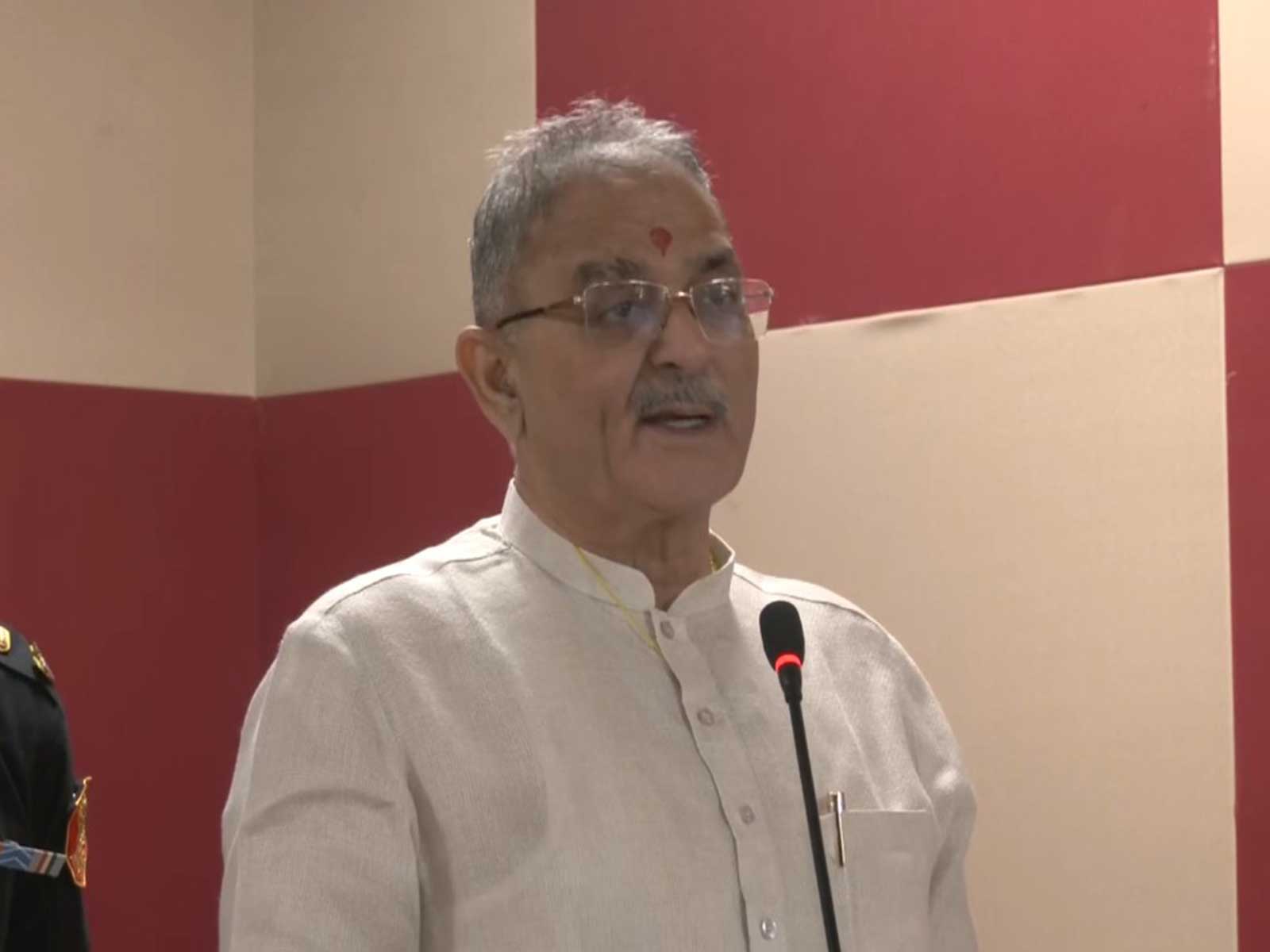
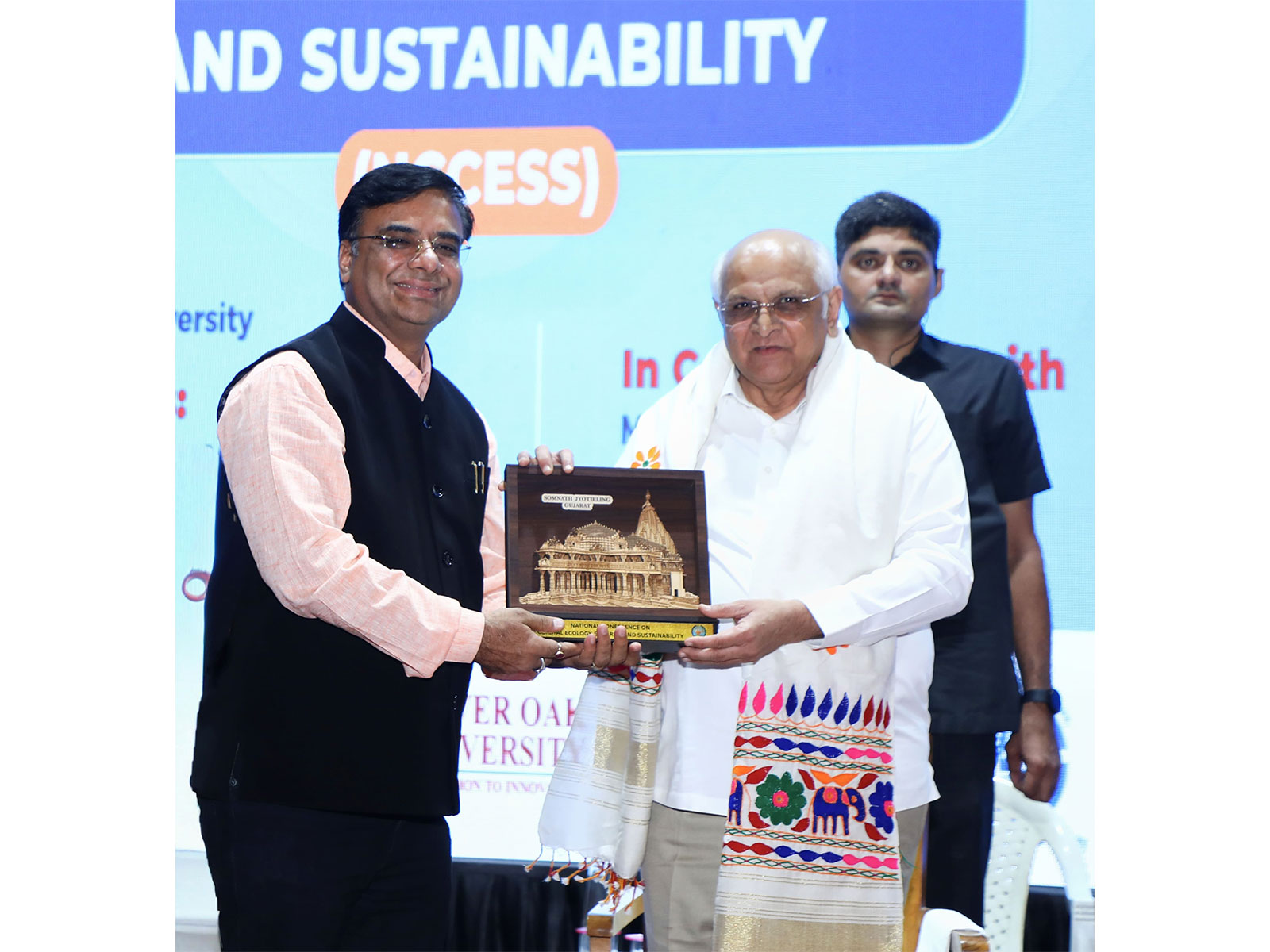
Gandhinagar (Gujarat) [India], September 12 : Gujarat Chief Minister Bhupendra Patel graced the valedictory ceremony of the National Conference on ‘Coastal Ecology, Security and Sustainability’ was held at Gujarat University, Ahmedabad.
On this occasion, the CM highlighted the importance of environmental conservation, national security, and the holistic development of coastal areas along with marine development.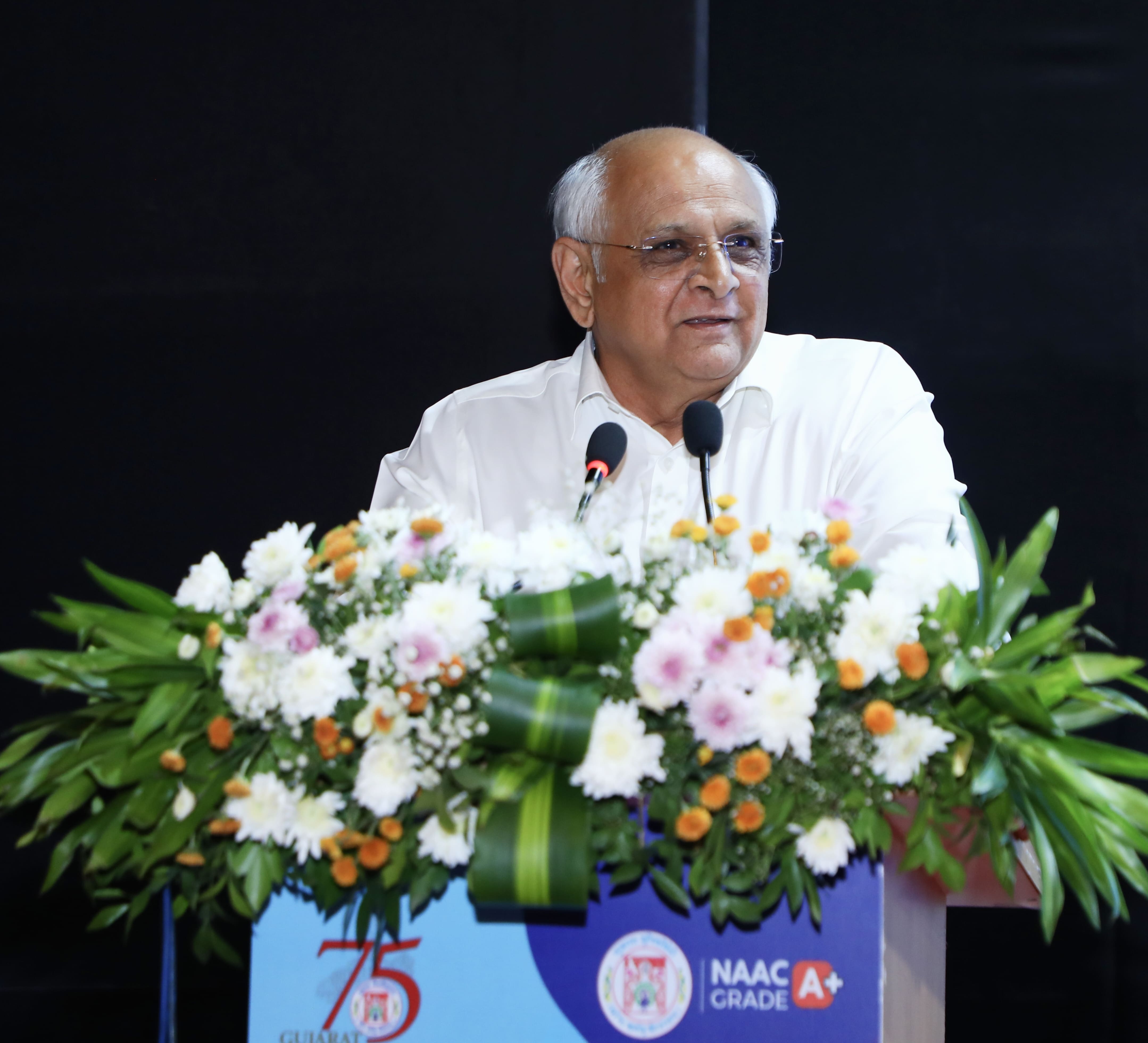
CM stated that the collective efforts of every section and sector of society are essential to realise Prime Minister Narendra Modi’s guiding principle of ‘Sauno Saath, Sauno Vikas, Sauno Vishwas and Sauno Prayas’.
He said that under the Prime Minister’s leadership, India is moving towards regaining its position of pride in the world as ‘a strong and prosperous nation with a leading position in the world '.
He emphasised the need to bring together every small but meaningful effort and ensure everyone’s participation in nation-building.
He further stated that Gujarat’s coastline is not merely a geographical boundary, but a pathway to development, a gateway to maritime trade, a cultural heritage and a source of livelihood for lakhs of people. Thousands of years ago, traders from Gujarat connected with the world through the port of Lothal. Today, ports such as Mundra and Kandla have placed Gujarat in a leading position on the global trade map.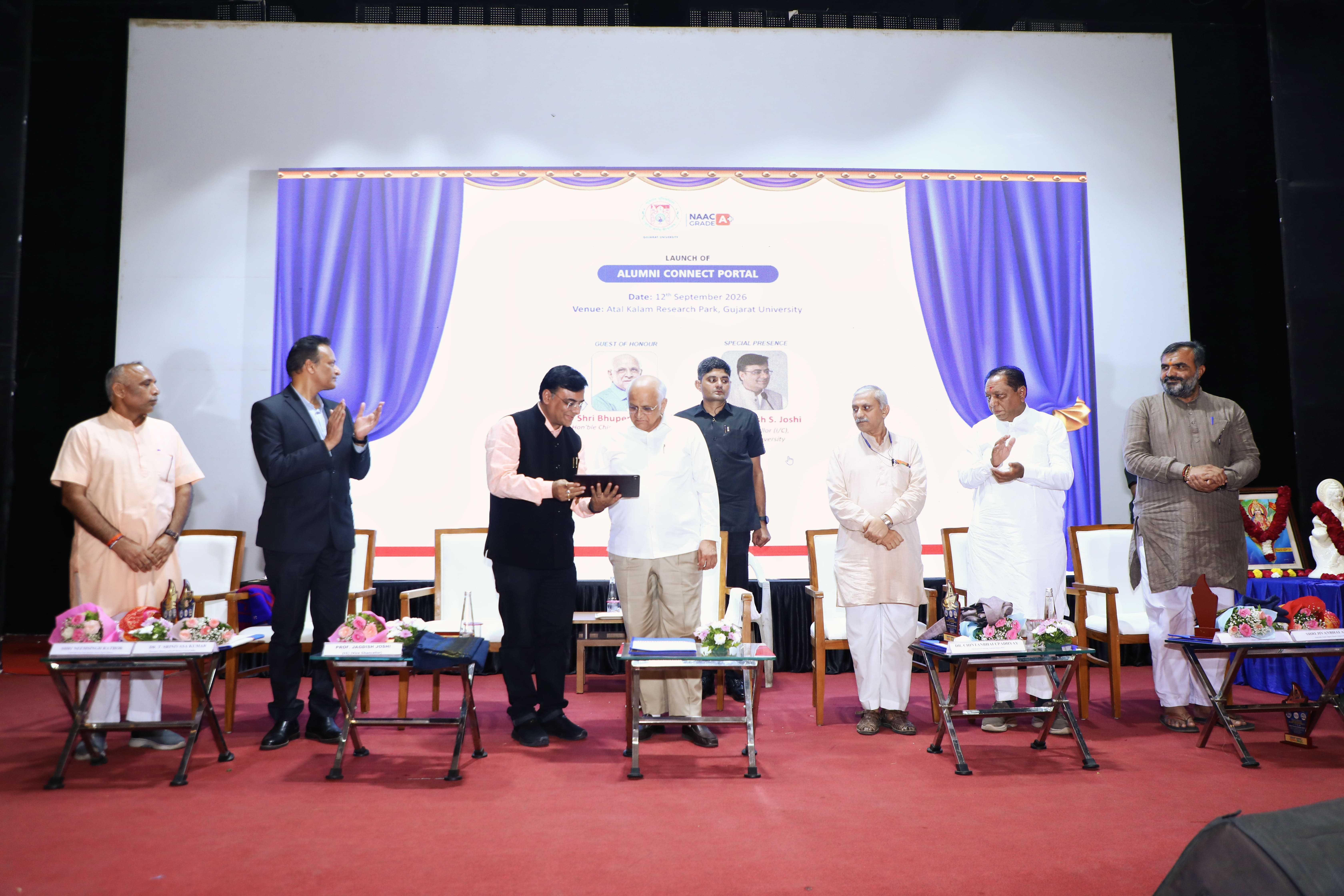
CM said that Prime Minister Narendra Modi, recognising the potential of the coastline, has envisioned it as a gateway for the overall development of ports, trade, industry, energy, fisheries, tourism and the environment. This vision is reflected in the country’s Blue Economy policy, which also has an important place in the Prime Minister’s vision of ‘Saptadhara’.
He said that the National Conference, organised around the themes of Coastal Bharat, Saptadhara and Viksit Bharat-2047, is timely and significant. Gujarat has always been at the forefront of realising the Prime Minister’s vision and is also ready to lead in developing new strategies for the maritime economy, environmental conservation, security and sustainability.
CM highlighted that climate change, rising sea levels, coastal erosion, marine pollution and plastic waste have become serious global concerns. He said development must ensure that progress goes hand in hand with nature conservation, industry with environmental protection, and employment with the conservation of marine biodiversity. He described this as true sustainability.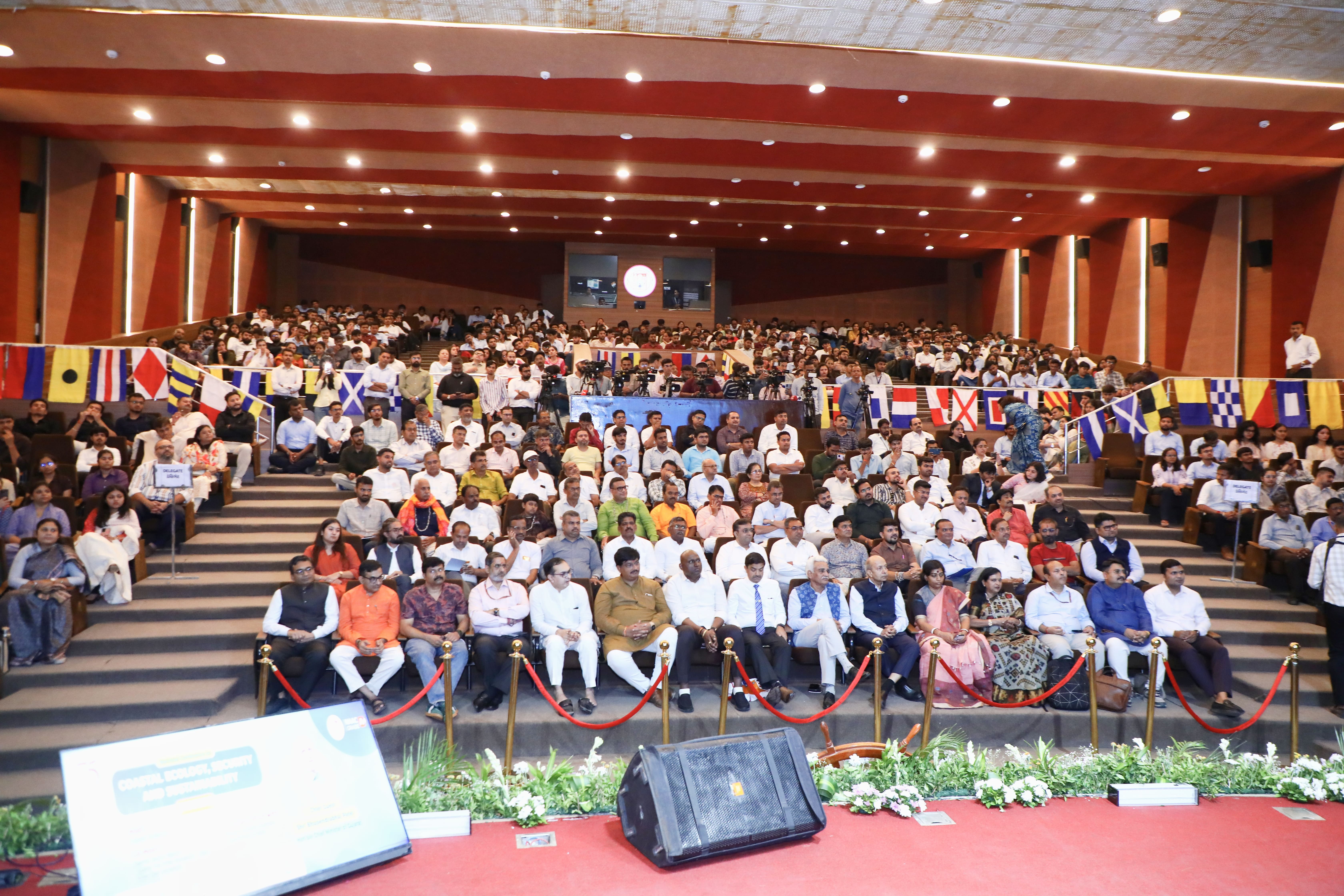
He said that the tradition of living in harmony with nature has been an integral part of Indian culture since ancient times. He noted that Indian culture sees divinity in plants and nature. Mangroves act as a natural protective barrier for coastal villages, support the livelihoods of fishermen, and provide a habitat for many aquatic species. During cyclones and storms, mangroves serve as a natural shield, protecting coastal areas.
He said that while the government’s efforts towards mangrove conservation and plantation are important, protecting nature is not the responsibility of the government alone. Conservation of coastal ecology is a shared responsibility of both the government and society.
CM further added that Sagar Khedus (traditional marine fishing communities) are also guardians of the sea. He said that efforts are being made to improve their quality of life through initiatives such as the Sagarkhedu Sarvangi Vikas Yojana. Their livelihoods and safety are being strengthened through modern boats, diesel subsidies, safety equipment, and satellite-based navigation facilities.
He added that maritime security in the 21st century is increasingly technology-driven. Technologies such as satellite monitoring, artificial intelligence, remote sensing, drones and smart boats can help us better understand, monitor and secure the sea. Gujarat has set an example of achieving zero casualties during cyclones through the effective coordination of technology, administration and human sensitivity.
He said this demonstrates that while disasters cannot be prevented, loss of human life can be minimised through strong disaster preparedness.
CM stated that Gujarat can develop a new model of growth through green ports, sustainable shipping, coastal connectivity, sustainable fisheries and responsible coastal tourism. He said that the economy and environment are not in conflict but can grow together. This approach will form the foundation for a developed and prosperous Gujarat contributing to Viksit Bharat.
He expressed hope that the conference would go beyond paper presentations and discussions, with the ideas emerging from it providing new direction to government policies.
CM expressed the resolve that, under the visionary leadership of the Prime Minister, everyone should work together to build a Gujarat where the sea becomes a driver of development, mangroves symbolise the protection of nature, fishermen enjoy greater prosperity, and strong national security safeguards the maritime boundaries.
On the occasion, the CM launched the digital platform for Gujarat University alumni and inaugurated the university’s historical digital repository.
At the beginning of the programme, Officiating Vice-Chancellor of Gujarat University Dr. Jagdish Joshi delivered the welcome address.
RSS Pranth Pracharak Chintan Upadhyay, Mayor Hitesh Barot, MLA Amit Thaker, Kaushik Jain, prominent leader Prerak Shah, Akhil Bharatiya Sah-Sanyojak of Seema Jagran Manch Nimsinh Rathod, Gujarat Coordinator Jivan Ahir, Secretary of the Ministry of Earth Sciences Srinivas Kumar, along with other dignitaries, scientists and students, were present at the ceremony.