Nepal seeks progress on hydropower, connectivity, EPG report during Balen Shah’s India visit: Former Nepal PM advisor
Nov 22, 2026
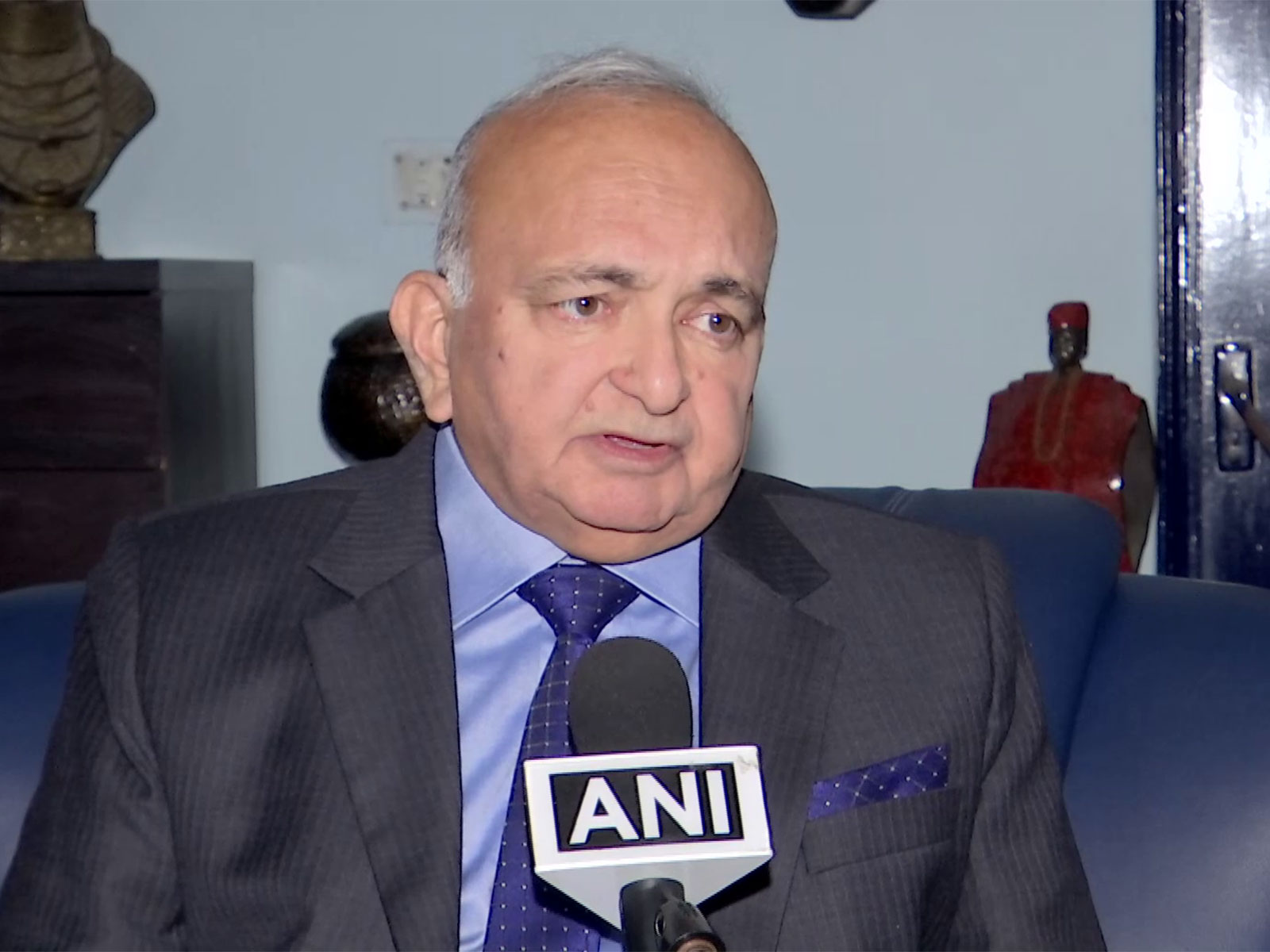
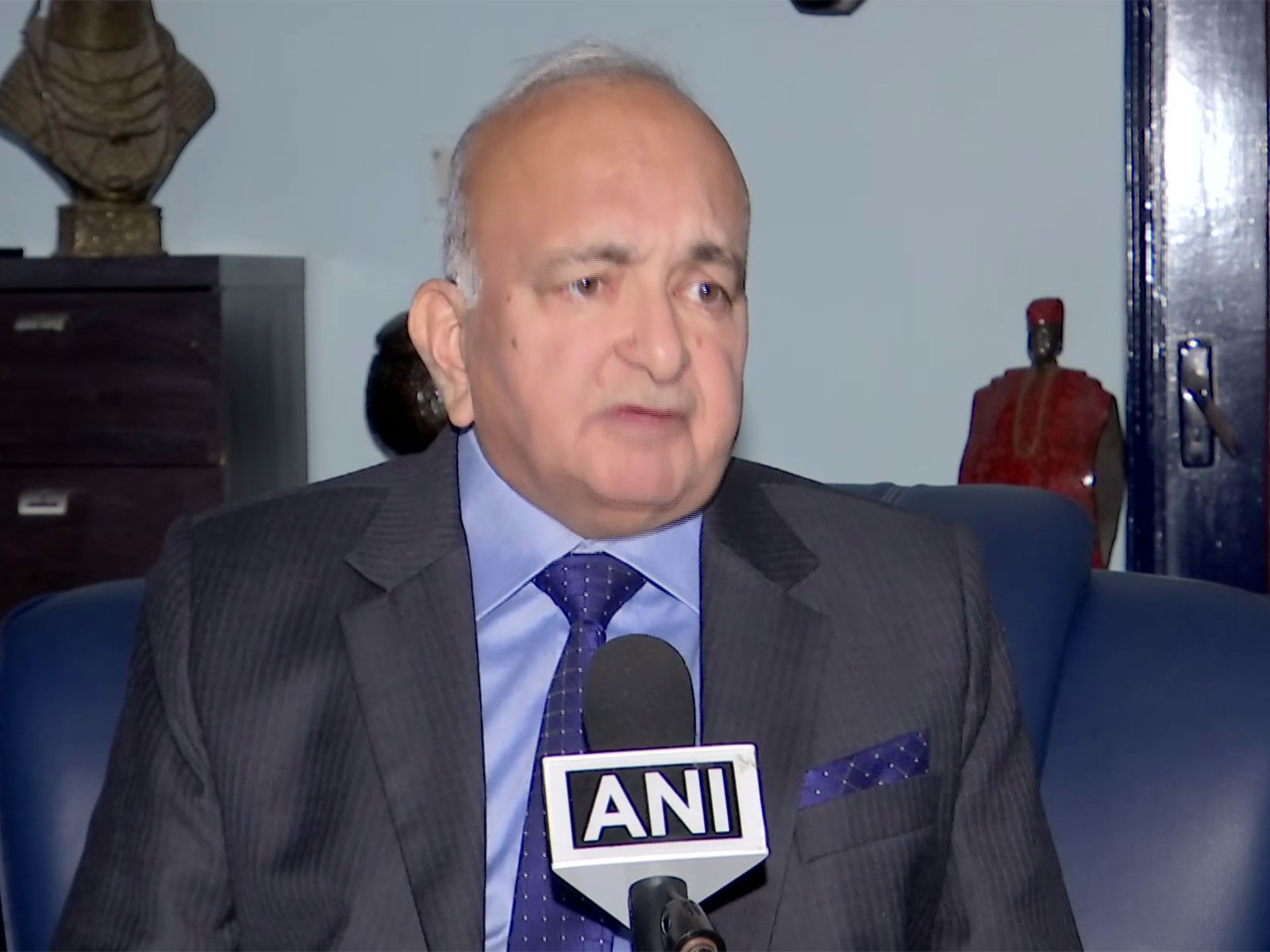
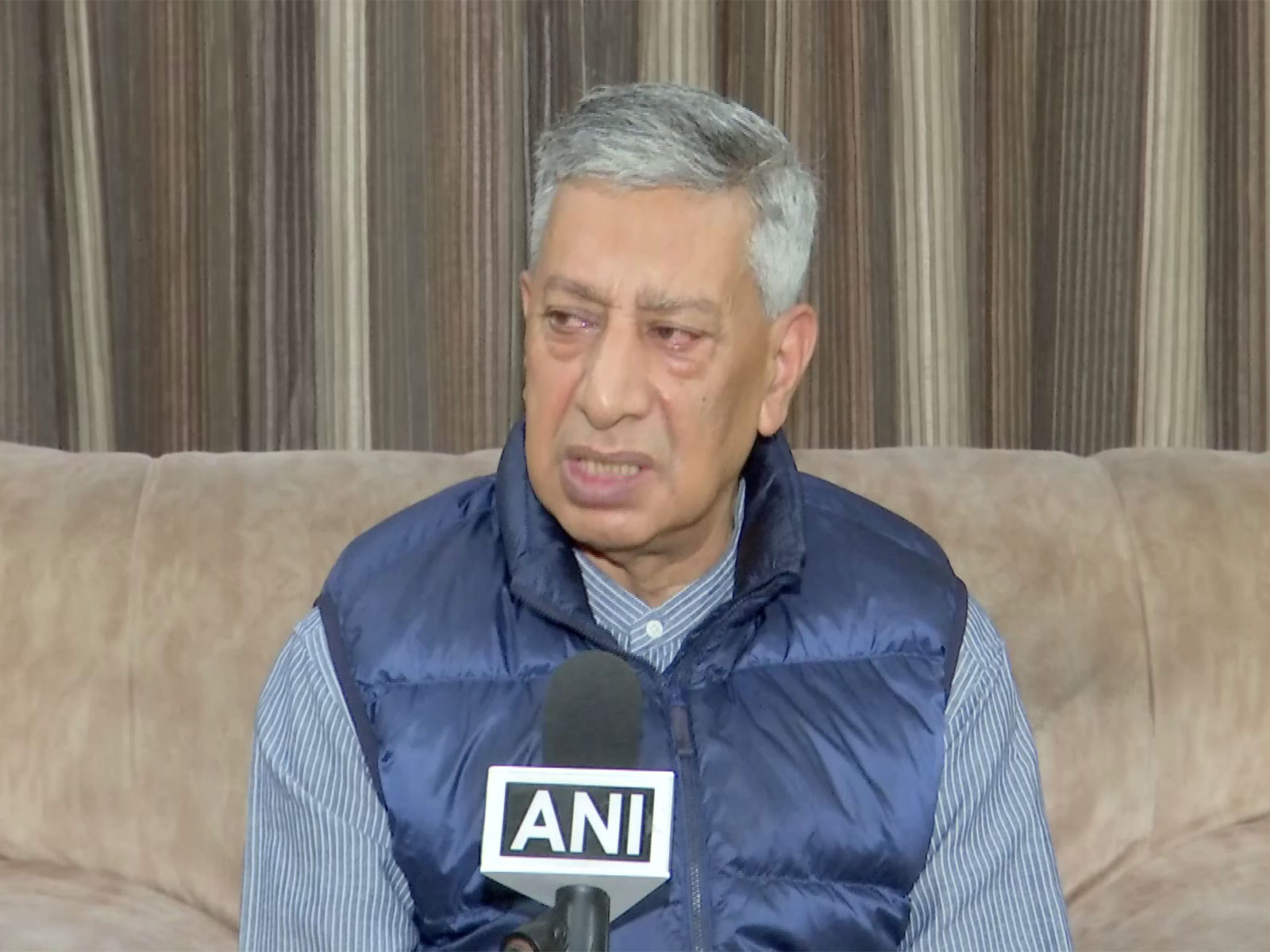
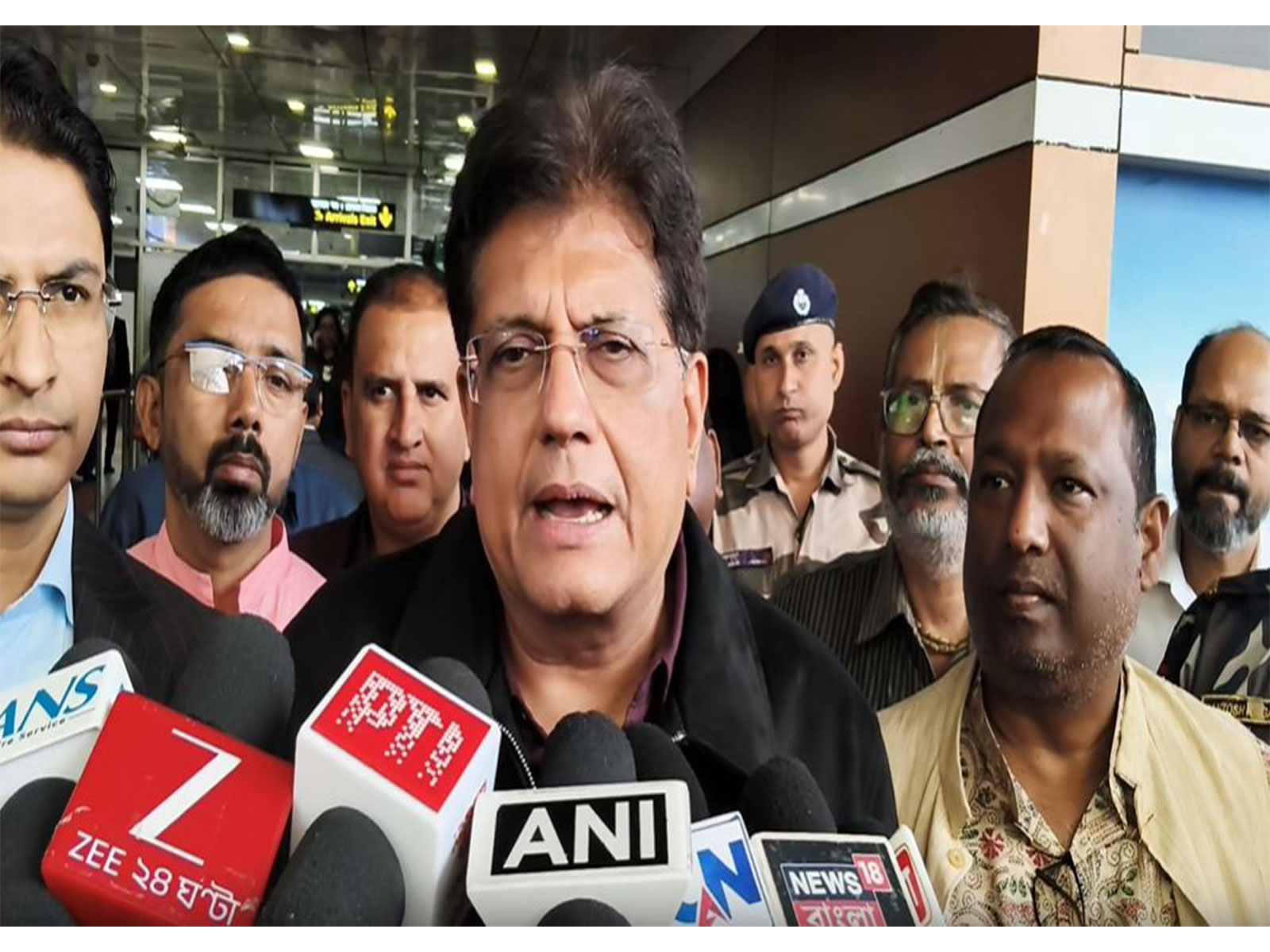
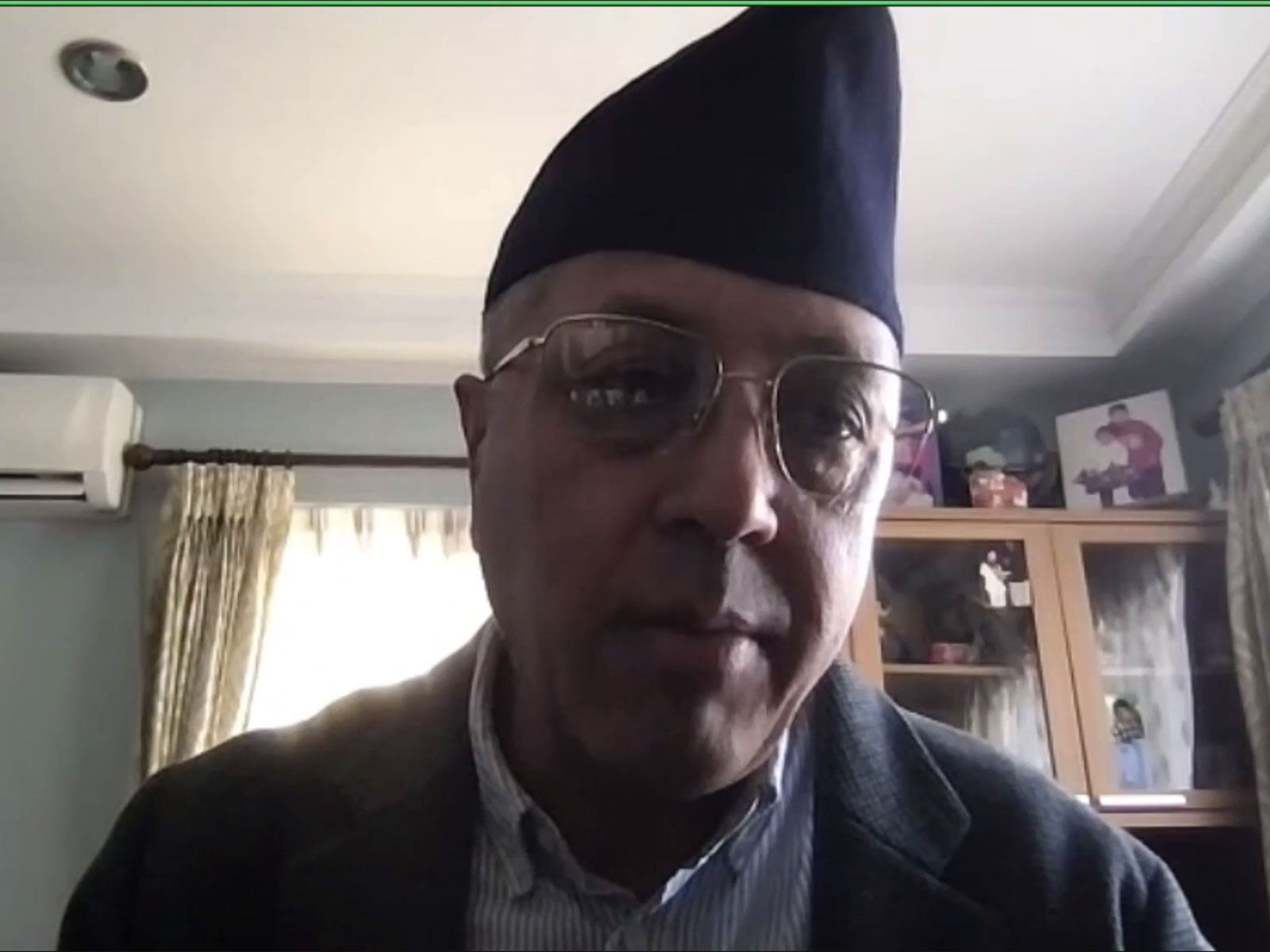
New Delhi [India], November 22 : Nepal is seeking progress on hydropower cooperation, cross-border connectivity and the long-pending Eminent Persons Group (EPG) report during Prime Minister Balendra Shah's first official visit to India, former advisor to the Nepal Prime Minister Rajan Bhattarai said on Sunday.
Bhattarai expressed hope that the engagement would provide fresh momentum to bilateral relations and help address longstanding issues between the two neighbouring countries.
Speaking to ANI ahead of Shah's November 22-23 visit, Bhattarai said the two countries should prioritise implementing previously agreed projects while exploring new areas of cooperation, including climate change, artificial intelligence, energy and infrastructure development.
"We have some of the past issues that have not been resolved altogether. There are also some issues which, if we look towards the future, are becoming increasingly important. Many countries are discussing climate change and the use of AI, and how we can maximise our development efforts through high-tech areas. These are also areas where we can make progress," he said.
Highlighting the importance of connectivity, Bhattarai said road and air links, new petroleum pipelines and the possibility of gas pipeline connectivity could feature in discussions between the two governments.
"Connectivity enhancement, road connectivity, air connectivity, maybe a new pipeline, petroleum pipeline or gas pipeline. These are the areas where I think, though the government has not come up with very concrete issues and agendas, we assume that these are the issues they are going to discuss," he said.
Bhattarai also highlighted the potential for cooperation in cricket infrastructure, particularly given the growing popularity of the sport among Nepal's younger population.
On climate change, he said Nepal and India needed to develop a common understanding of the environmental challenges affecting the Himalayan region and jointly raise the issue at international forums.
"The Himalayan region is becoming very unstable, which is going to affect not only Nepal but the entire South Asia, not only South Asia but beyond South Asia also. That is a very serious issue, and we have to come up with a common understanding on it and also raise this issue jointly in the international forum," he said.
Referring to recent disasters, Bhattarai cited the 2022 Melamchi floods and subsequent incidents involving the Bhotekoshi, Gandaki and Kali Gandaki rivers, saying the two countries needed greater coordination to address the growing challenges.
He also called for cooperation in artificial intelligence and advanced technologies, suggesting that India and Nepal could develop common perspectives on their applications and implications.
On energy cooperation, Bhattarai said Nepal's hydropower potential could help address its significant trade imbalance with India through increased electricity exports. However, he expressed concern over restrictions concerning the companies involved in producing and supplying electricity.
"This selectivity that India started to raise, regarding which company produces the electricity and which construction company is involved, has created a lot of obstacles and an insecure environment in Nepal, and also among regional investors in the hydropower sector," he said.
He urged India to address these concerns, stressing that hydropower exports remained an important avenue for Nepal to strengthen its economy.
Bhattarai also highlighted the proposed trilateral electricity trade arrangement involving Nepal, India and Bangladesh, saying the agreement had yet to progress according to expectations.
"Bangladesh is seeking a high amount of electricity from Nepal. They want to import, and we do not have a direct land border with Bangladesh, so we have to supply it via India. There was a trilateral agreement on that, which is very good, but that has not materialised in line with our expectations," he said.
Turning to longstanding bilateral issues, Bhattarai particularly emphasised the pending EPG report, which was established jointly by India and Nepal to review their overall relationship and recommend measures to strengthen cooperation.
He said the report had been prepared through consensus between representatives of both countries but had remained pending for nearly eight years.
"We came up with a consensus report, and that report is still pending. It was initiated by both sides and agreed at the highest level. We also agreed upon its terms of reference. It has been eight years, and we were supposed to submit it to the Indian Prime Minister," he said.
Bhattarai recalled that the understanding to submit the report was reached during discussions between Nepal's then Foreign Minister Pradeep Gyawali and India's then External Affairs Minister Sushma Swaraj on the sidelines of the United Nations General Assembly in New York in 2018.
He said the report contained recommendations on border management, disputed territories and the open border between the two countries. He also raised concerns over recurring floods in Nepal's southern border regions during the monsoon season, alleging that certain constructions undertaken by India in border areas had contributed to the problem.
"I don't see all the issues can be resolved in one visit and one meeting, but at least we can have a positive indication that we are going to deal with those issues and resolve these issues in the future," he said.
Bhattarai also expressed optimism about the proposed railway service connecting Janakpur in Nepal with Ayodhya in India, describing it as a historic link rooted in the cultural ties between the two countries.
"Now they are ready to operationalise it. That is something we always look forward to," he said, recalling the understanding reached during Prime Minister Narendra Modi's visit to Janakpur when KP Sharma Oli was Nepal's Prime Minister.
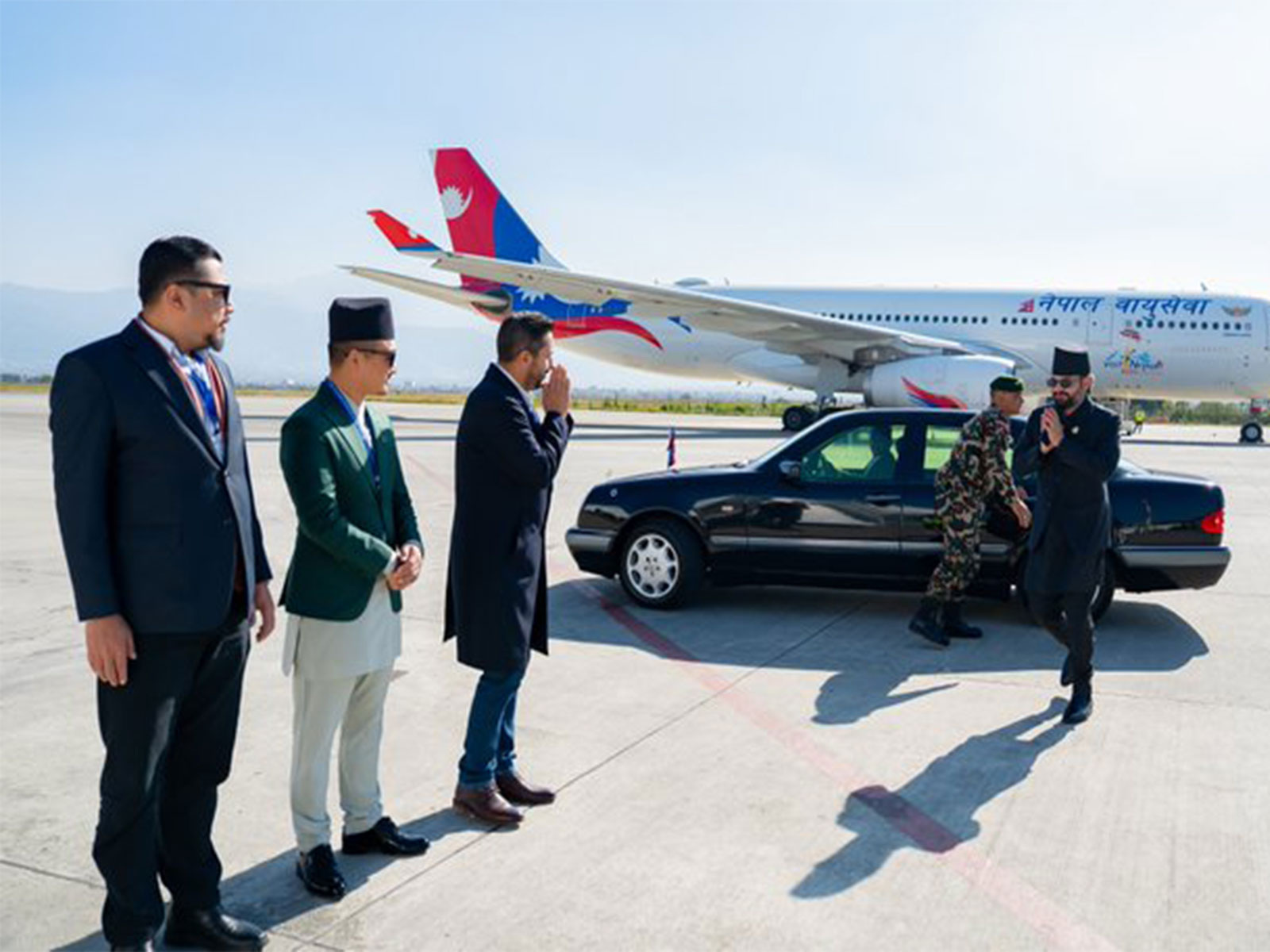
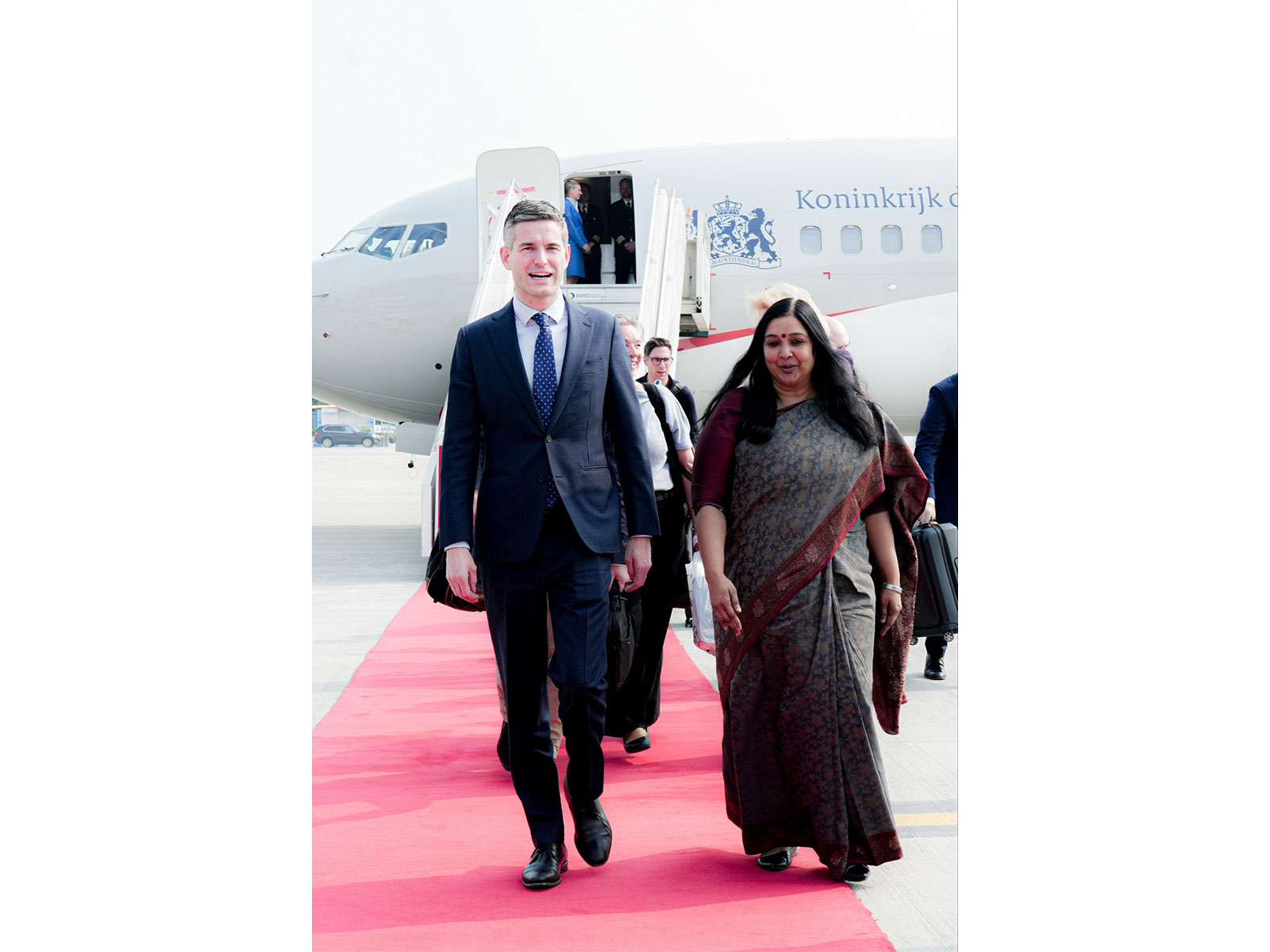
Shah's November 22-23 visit marks his first trip to India since assuming office in March 2026 and his first bilateral foreign visit as Prime Minister. During his stay, he is scheduled to meet President Droupadi Murmu and hold bilateral discussions with Prime Minister Narendra Modi on November 23.
Emphasising Nepal's interest in maintaining strong relations with New Delhi, Bhattarai said, "We need India. Nepal needs very good relations, and that is what we expect."
He added that progress on pending agreements and an assurance to address outstanding issues through continued dialogue would send a positive message to Nepal.