Netanyahu breaks silence after Trump truce, vows strikes on Beirut if Hezbollah attacks persist
Jun 01, 2026
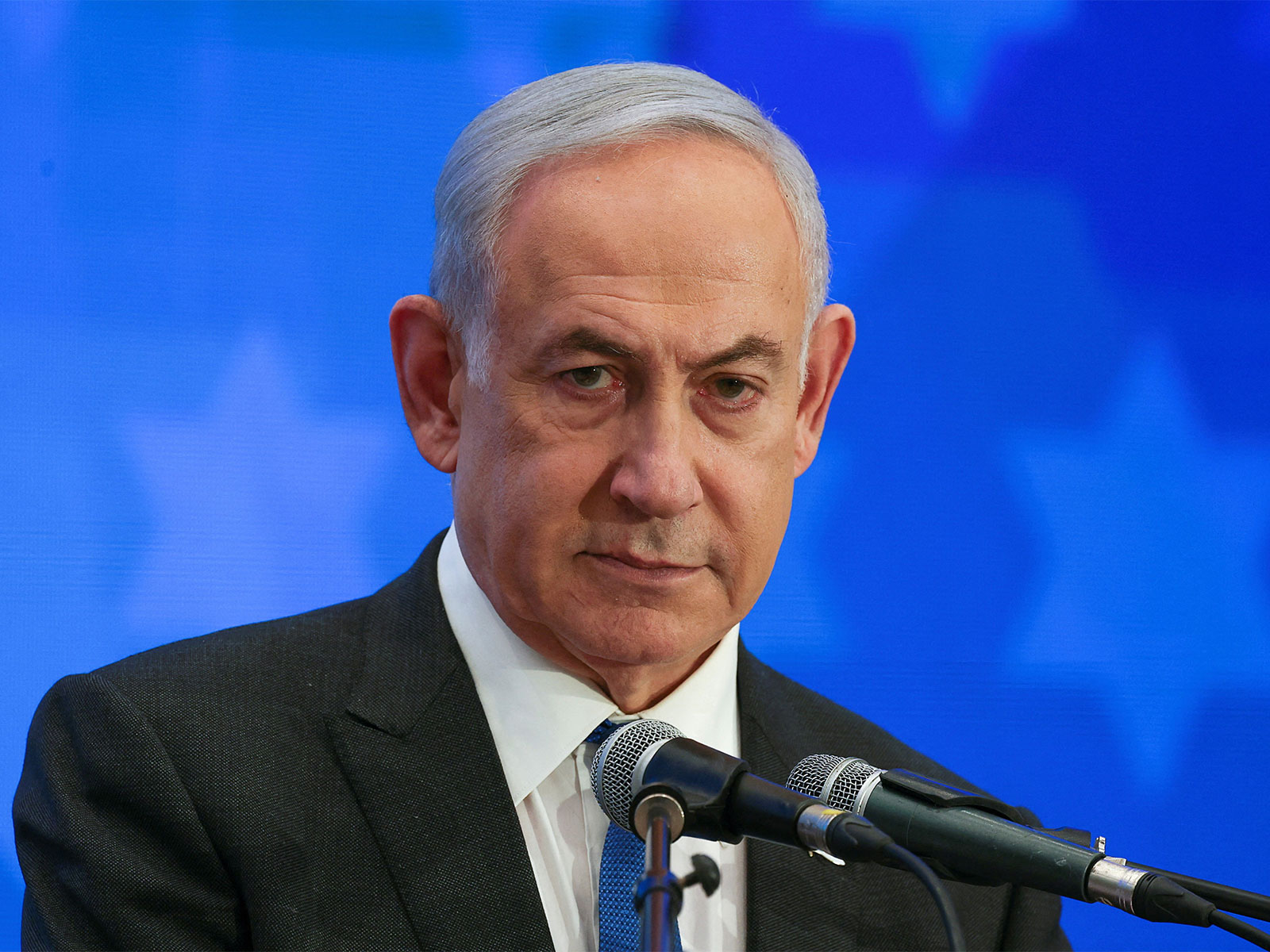
Tel Aviv [Israel], June 2 : Israeli Prime Minister Benjamin Netanyahu has asserted that his country intends to execute its prior operational strategies to target Beirut should Hezbollah fail to cease its offensive operations against northern Israel.
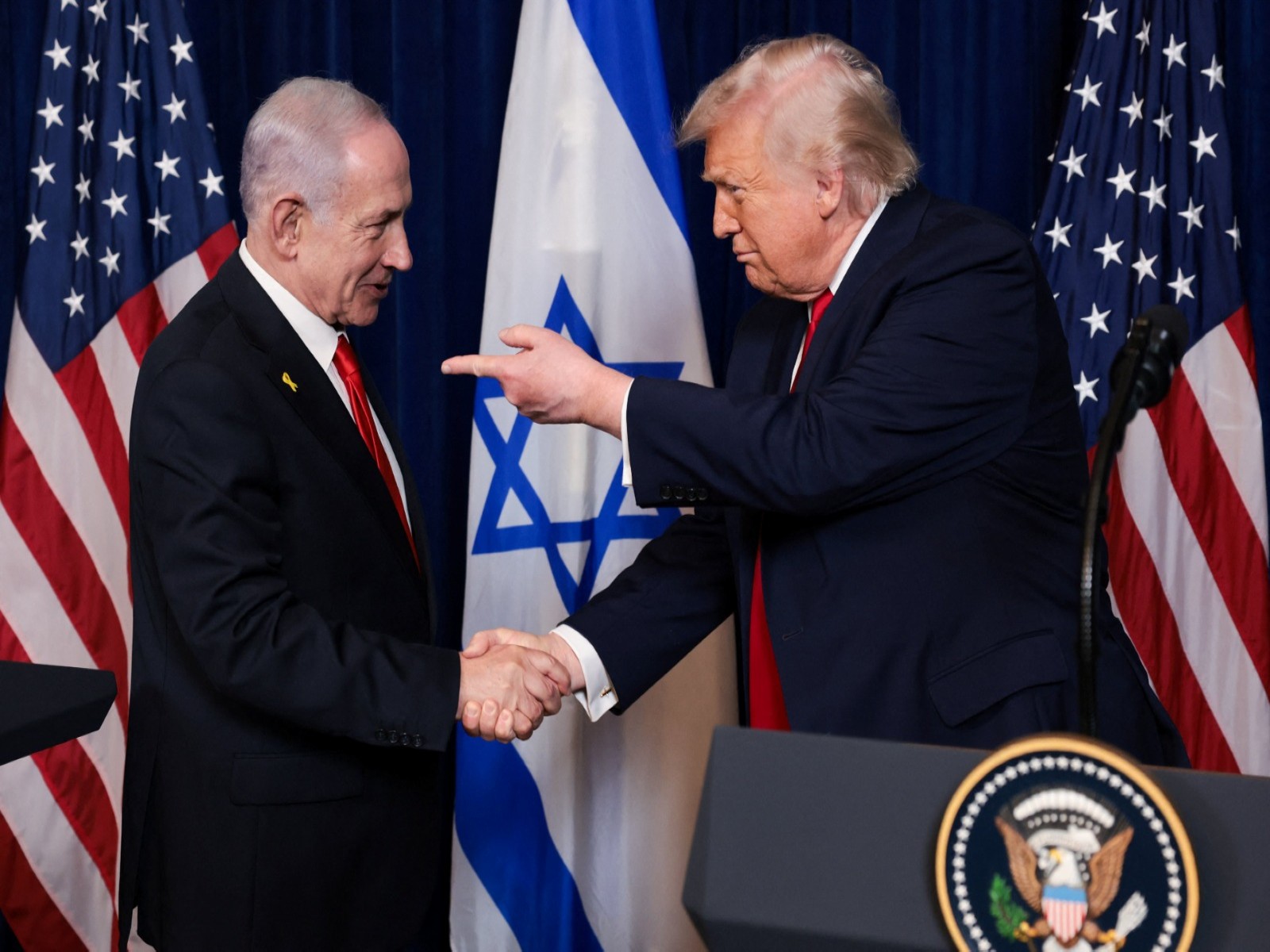
The warning follows declarations made by US President Donald Trump earlier in the evening, who stated that the Israel Defense Forces (IDF) would not enter the Lebanese capital and that both sides would abstain from mutual hostilities, indicating that both factions had committed to a temporary cessation of active combat.
Defending the state's military posture, Netanyahu clarified the stance in a Hebrew-language statement, noting, "I spoke this evening with President Trump and told him that if Hezbollah does not stop attacking our cities and civilians, Israel will strike terrorist targets in Beirut. This position remains unchanged."
https://x.com/netanyahu/status/2061531248573460655?s=20
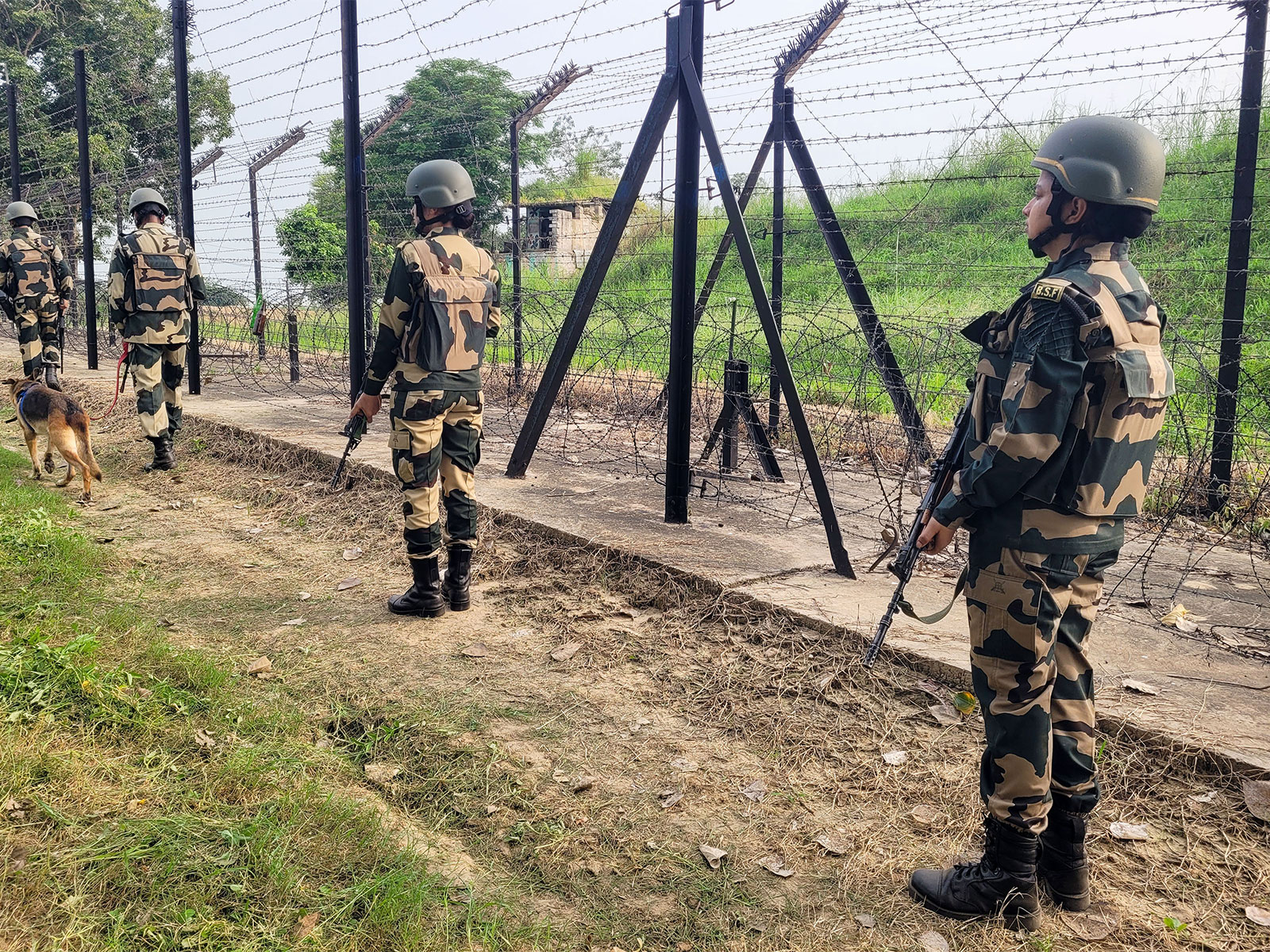
The Israeli leader emphasised that diplomatic discussions would not stall ongoing frontline maneuvers, adding, "At the same time, the IDF will continue operating in southern Lebanon as planned."
The precise parameters of the tentative truce publicised by Trump continue to be shrouded in ambiguity, driven by contrasting signals emerging from Washington, Jerusalem, Hezbollah, and Beirut.
Netanyahu's official response was issued approximately two hours after Trump publicly detailed the ceasefire framework, intensifying widespread assessments that the diplomatic arrangement was heavily pressured onto Jerusalem by the Washington administration.
This dramatic public friction unfolded shortly after the Israeli leadership mandated military actions targeting the southern quarters of Beirut, alongside a vow to intensify the campaign against Hezbollah.
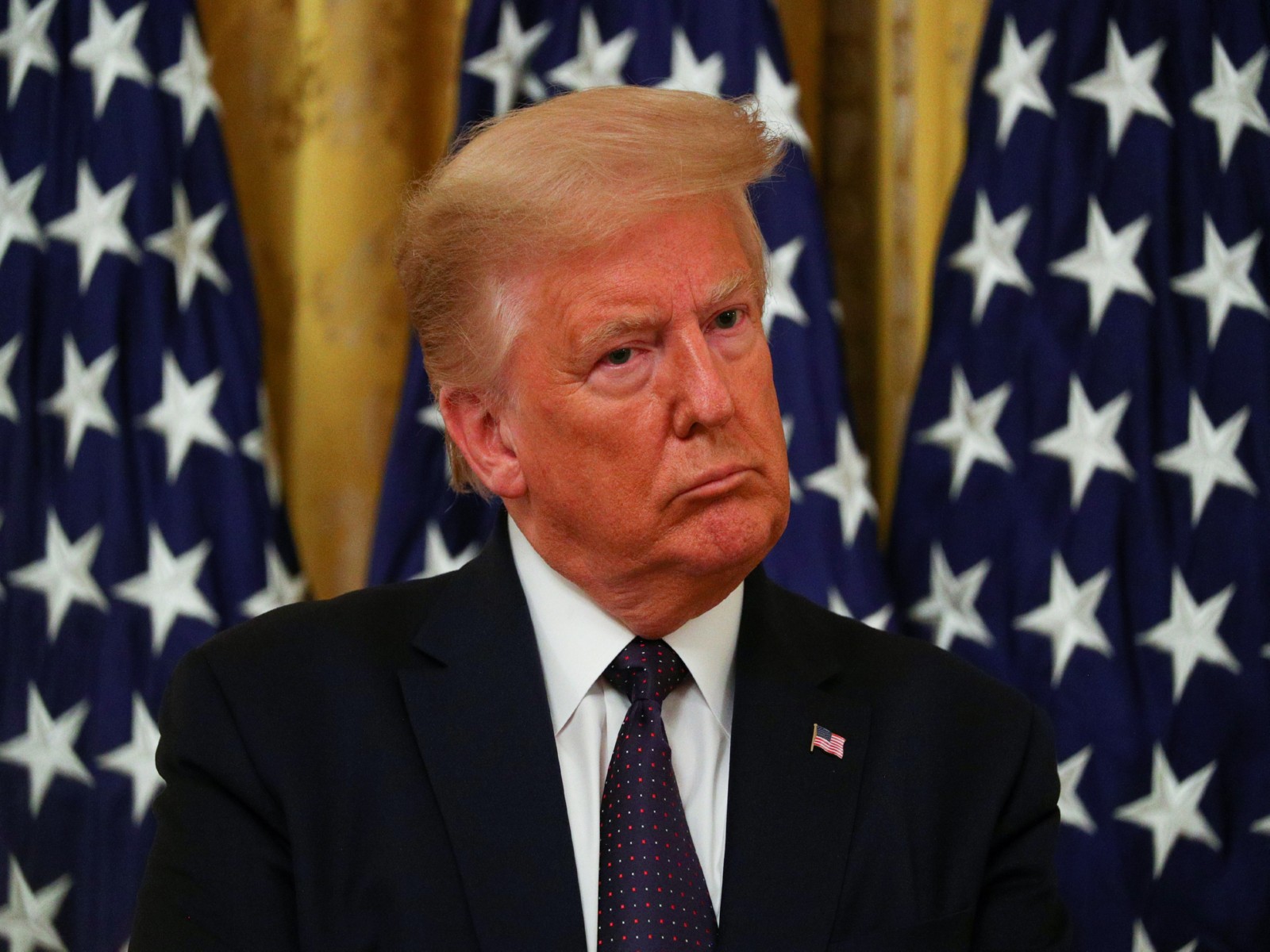
Detailing the sudden diplomatic shift that followed, Donald Trump stated on his social platform, "I had a very productive call with Prime Minister Bibi Netanyahu of Israel, and there will be no troops going to Beirut," adding that military units advancing towards Lebanon's capital city had been ordered to retreat.
The American leader further asserted that Hezbollah had consented to a cessation of hostilities via alternative diplomatic channels.
"Likewise -- through highly placed representatives -- I had a very good call with Hezbollah, and they agreed that all shooting will stop -- that Israel will not attack them, and they will not attack Israel," he noted.
The long-term sustainability of this truce, however, remains deeply uncertain given the deep-rooted nature of the conflict.
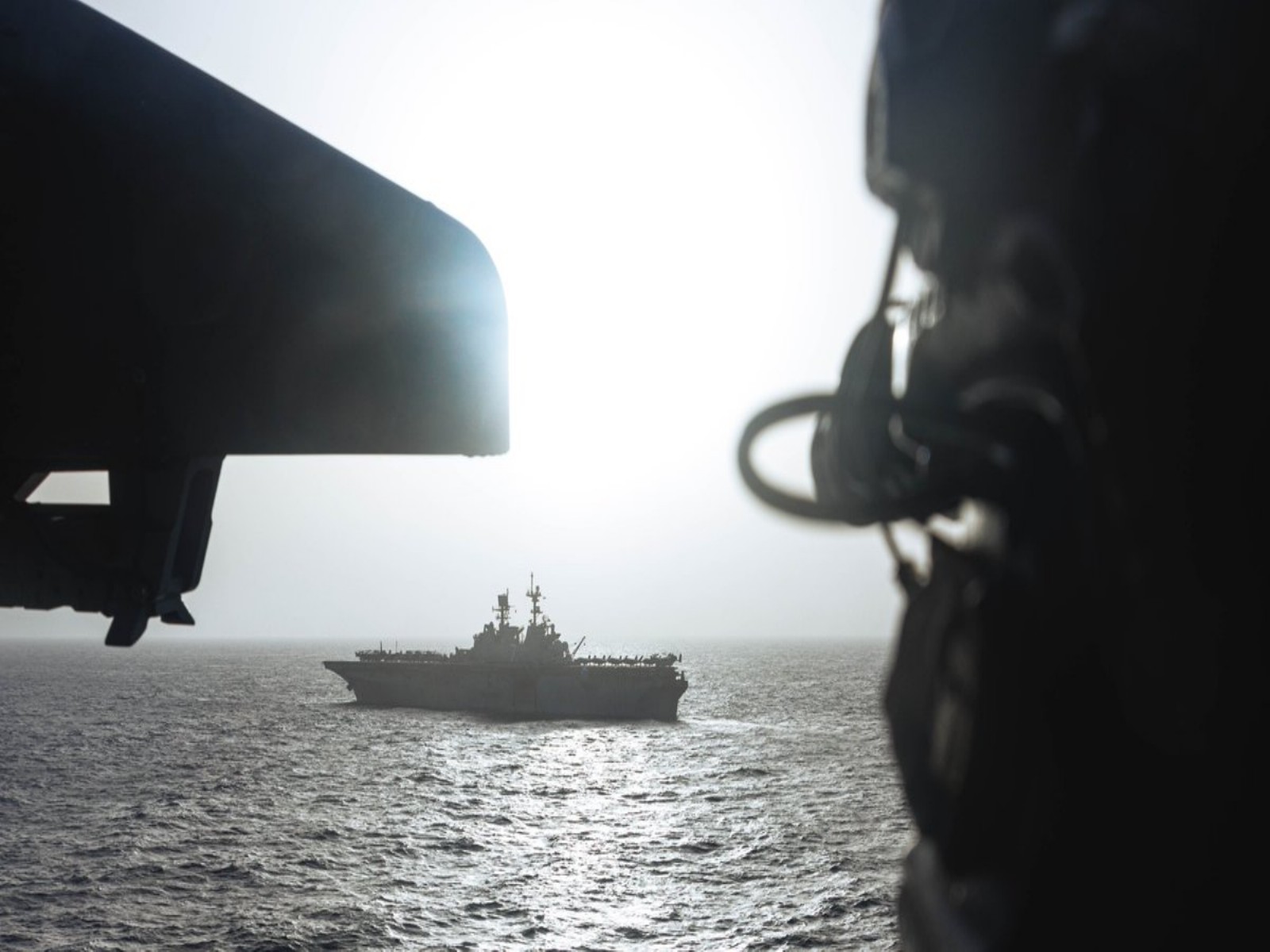
For an extended duration, the Lebanese nation has remained caught in the crossfire of geopolitical rivalries, which initially erupted following a joint American-Israeli military strike directed at Iranian targets.
Since then, the southern regions of Lebanon have faced escalating volatility, forcing thousands of households residing in Beirut's southern fringes to abandon their homes in response to Israeli displacement advisories.
Given these treacherous circumstances, the diplomatic manoeuvre by the US President carried immense weight in real-time military planning.
According to Israeli press accounts, intended bombardments across Beirut were deferred following direct appeals from Washington.
Media reports from the region suggested that the United States implored Israel to pause its operations to allow a diplomatic truce framework to progress, despite previous indications that Israel's strategic military roadmap had been aligned with American officials.
Yet, this temporary halt to the fighting leaves the core ideological and territorial disputes entirely unresolved.
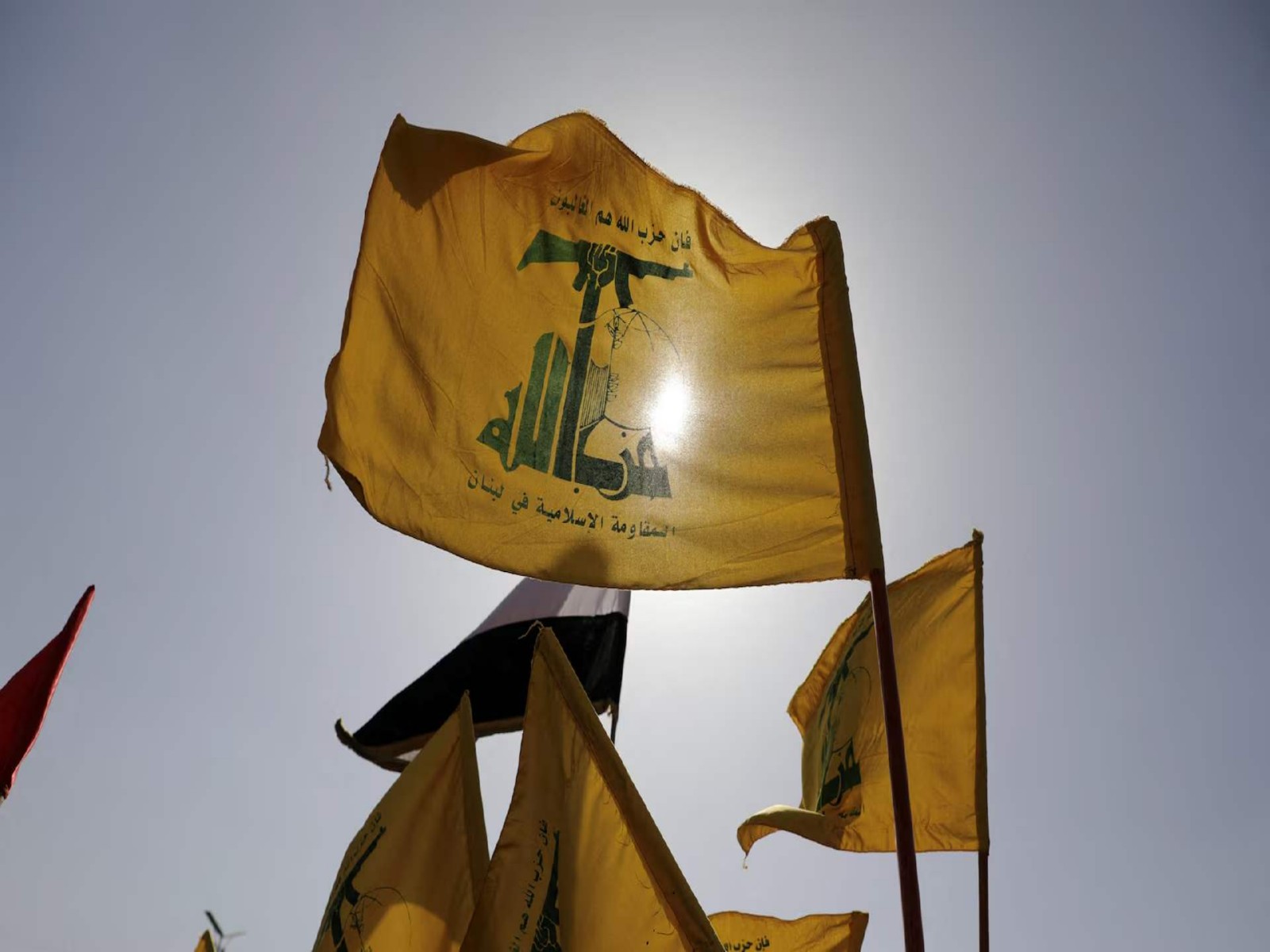
The current Israeli administration maintains that allowing Hezbollah's military presence near the northern frontier is entirely intolerable, whilst conversely, the Lebanese faction continues to position itself as a core component of an Iranian-supported regional network.
This escalating regional friction has simultaneously disrupted direct diplomatic channels between Washington and Tehran.
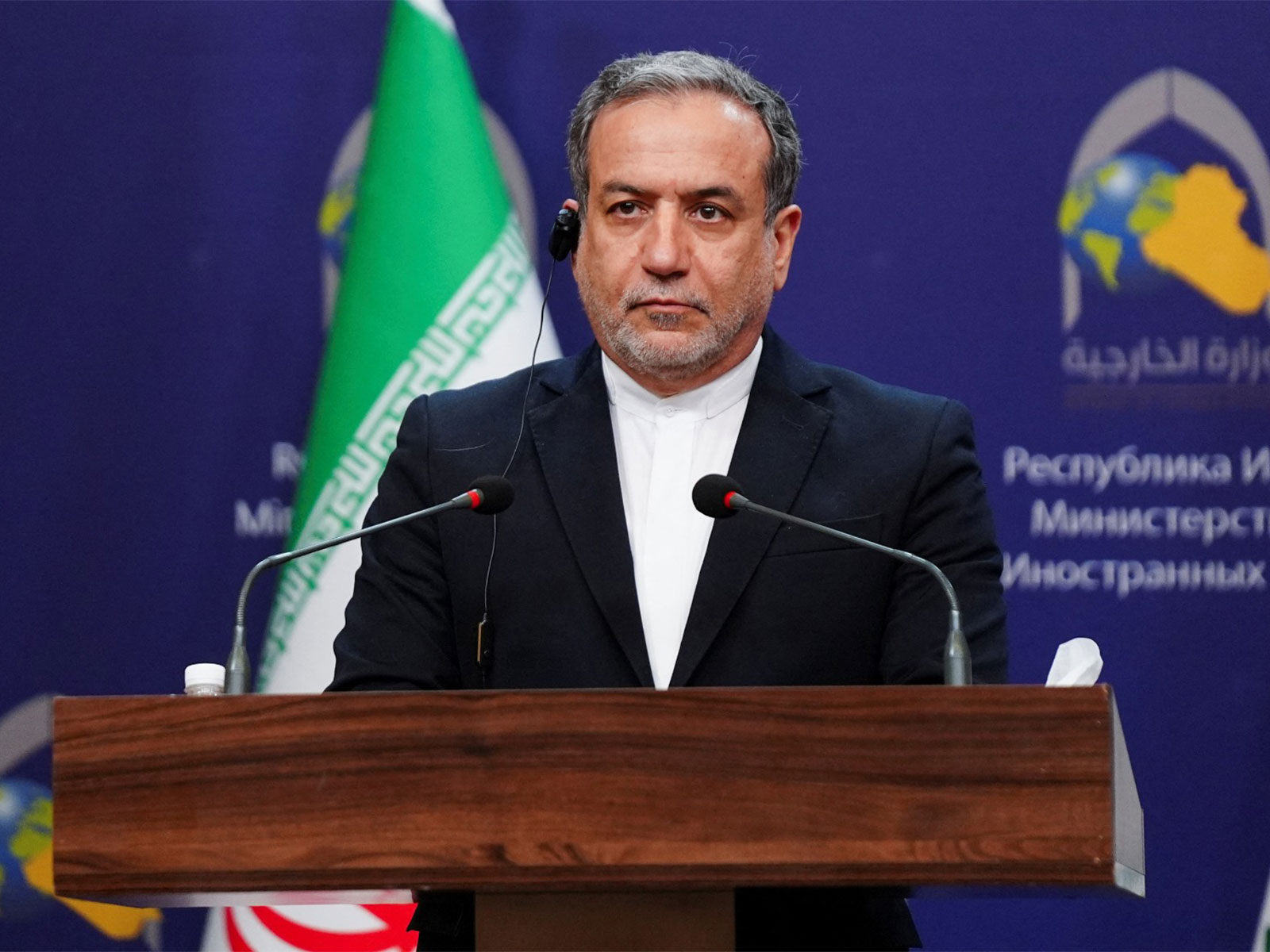
Outlets in Iran disclosed that their administration chose to freeze active diplomatic engagements with the United States as a direct reaction to the military campaign in Lebanon, asserting that the incursions directly undermined the existing armistice.
Concurrently, the American President has offered contrasting viewpoints regarding the exact status of the diplomatic track with Tehran.
Moments before revealing the breakthrough between Israel and Lebanon, he mentioned that he had received no prior notification regarding the diplomatic stance adopted by Iran.
The Republican leader further conveyed a lack of concern regarding a potential breakdown in negotiations with the Iranian government, noting that he would be perfectly content to bide his time.
However, minutes later, he changed his stance again, injecting further complexity into the fast-moving diplomatic landscape by sharing in a Truth Social post, "Talks are continuing, at a rapid pace, with the Islamic Republic of Iran."