No direct military threat, but mild negative impact on Indian workers: Former diplomat Mahesh Sachdeva on Qatar-Turkiye defence pact
Nov 14, 2026
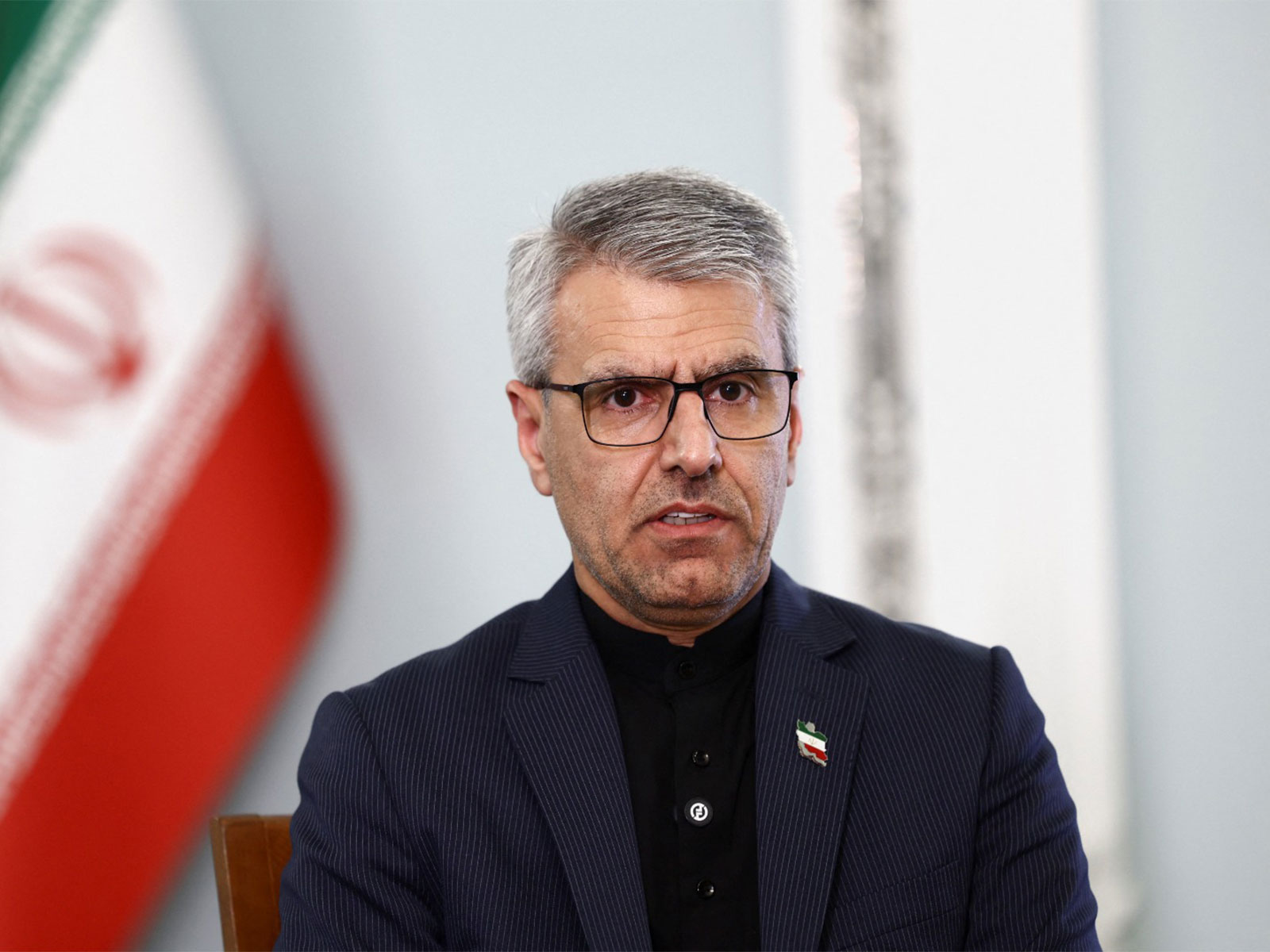
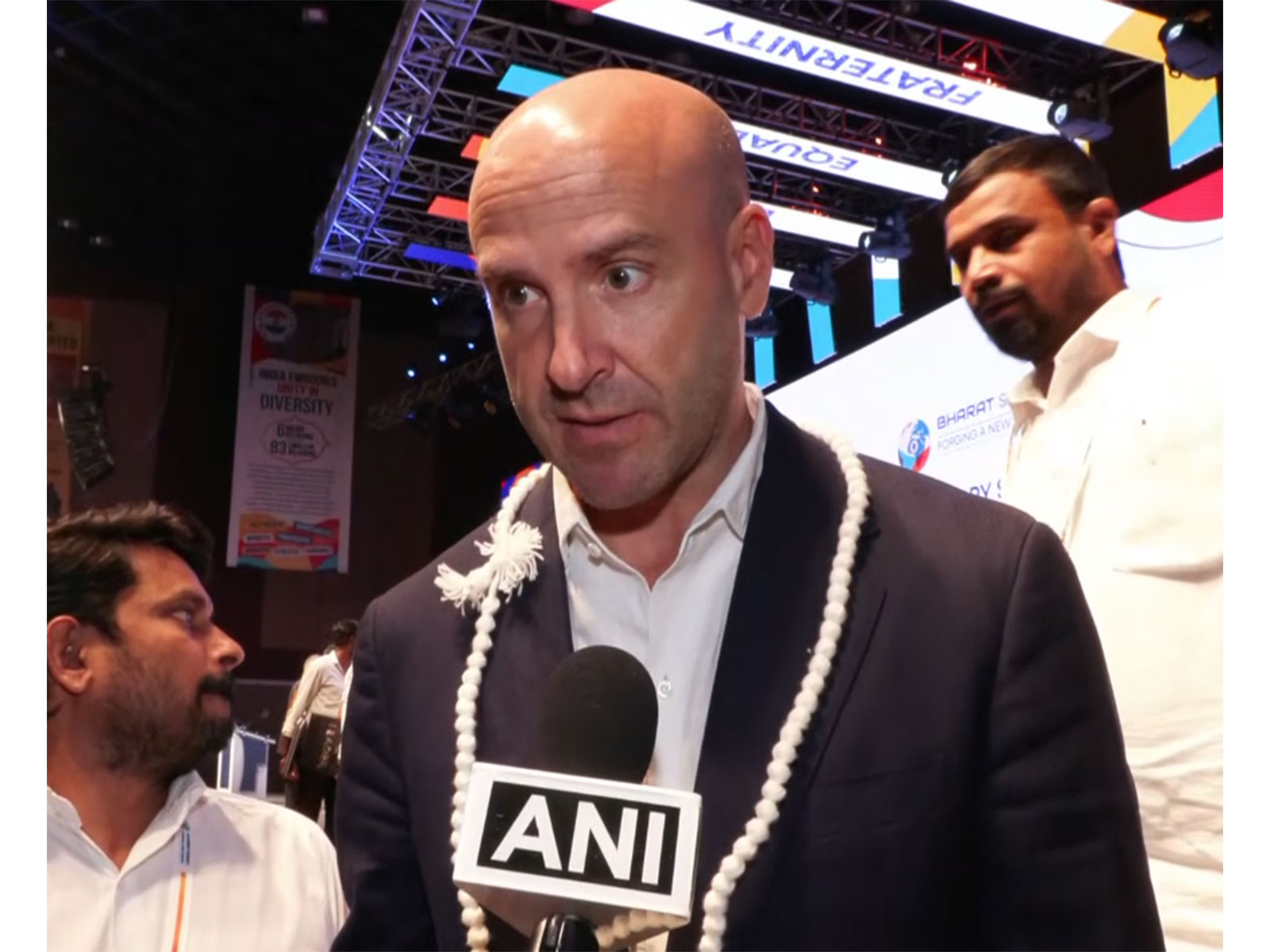
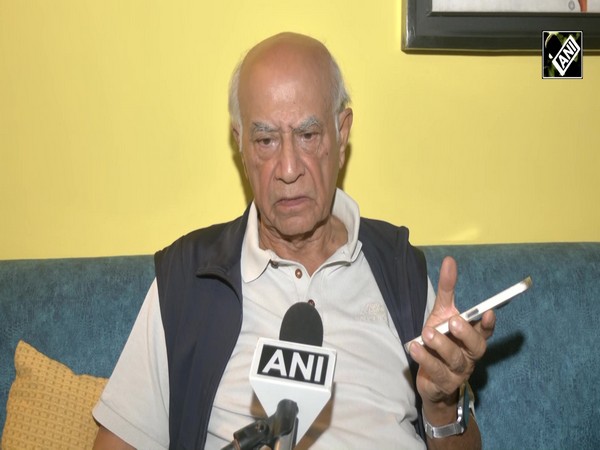
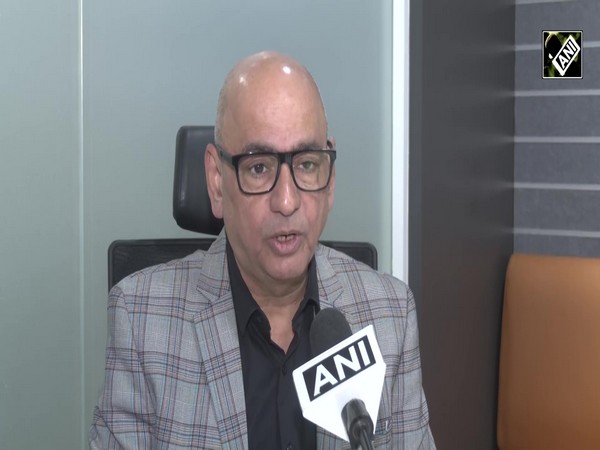
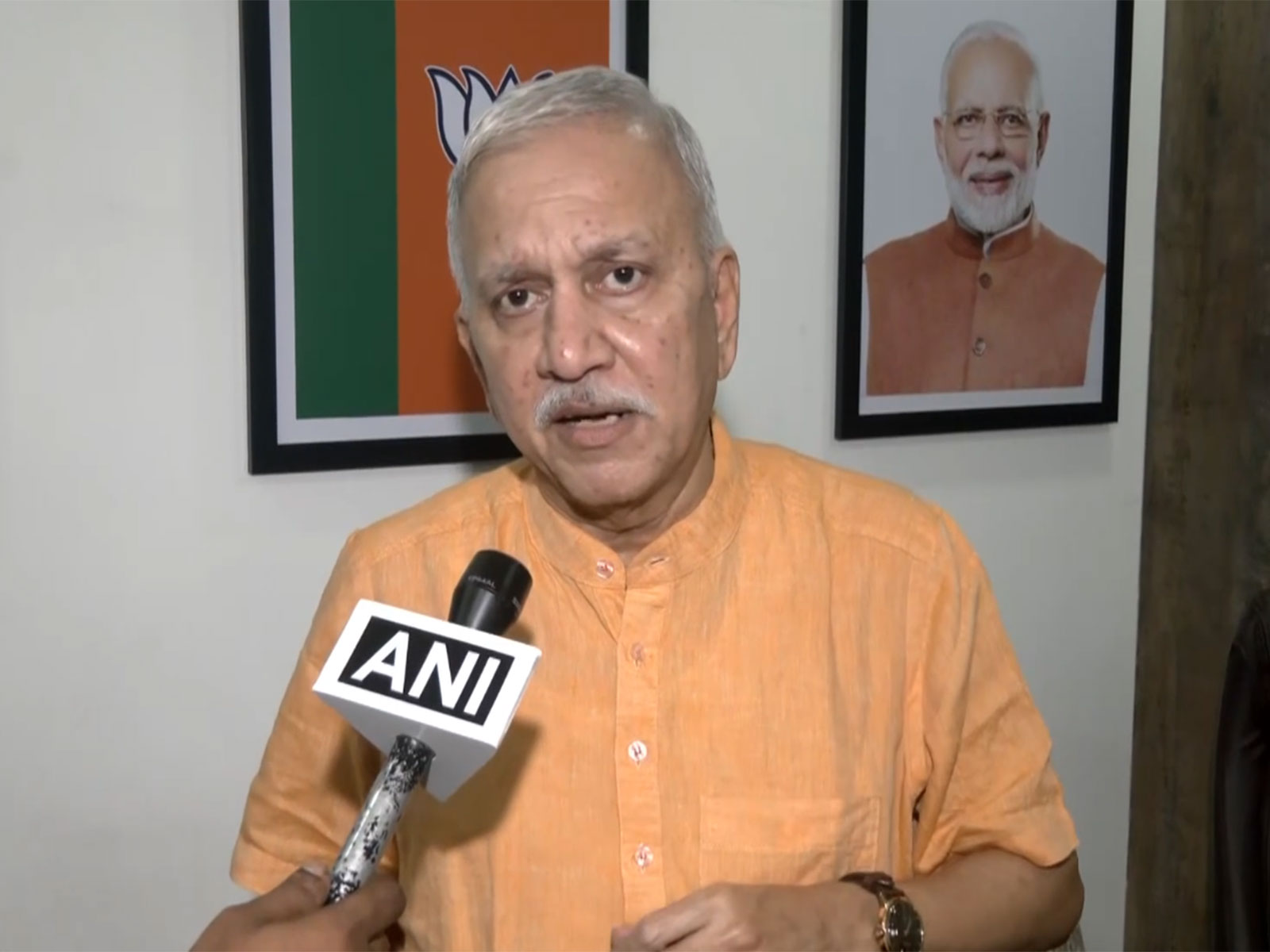
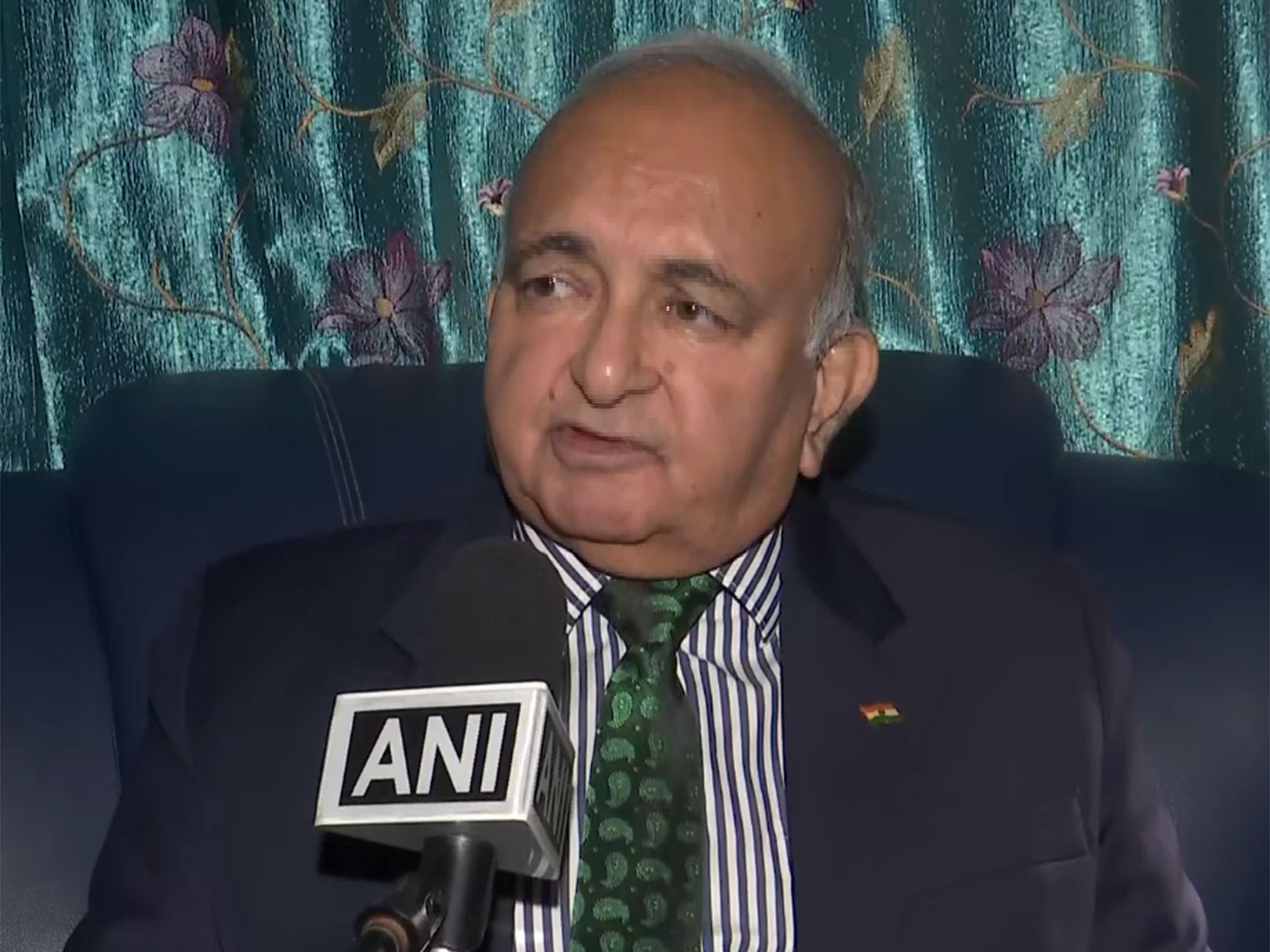
New Delhi [India], November 14 : Former Indian diplomat Mahesh Sachdeva on Saturday assessed that the newly signed mutual defence agreement between Qatar and Turkiye poses no direct military threat to India, though it could have a "mildly negative impact" on Indian expatriate workers and create heightened competition in the energy and infrastructure sectors.
Speaking to ANI, Sachdeva noted that while Qatar is not a major source of foreign direct investment into India, New Delhi has massive stakes in Doha through its expatriate workforce, the largest segment of foreign manpower in the Gulf nation, as well as energy security.
"Turkey may compete for capital and investments from Qatar. Qatar has not been a major investor in India anyway, but in terms of manpower, India has the largest segment of expatriate manpower in Qatar," Sachdeva said. "And a fallout of the defence agreement could be that Turkish companies get more contracts for construction and manufacturing in Qatar, and they are being supported by their own workers most of the time, so that may displace the Indian workforce at various levels in Qatar. So overall, it'll be a mildly negative impact from that agreement being signed yesterday."
His remarks come a day after Qatari Amir Sheikh Tamim bin Hamad Al Thani and Turkish President Recep Tayyip Erdogan formalised a Mutual Defence Agreement, alongside several bilateral pacts covering trade and liquefied natural gas (LNG) collaboration, during the 12th session of the Supreme Strategic Committee meeting in Istanbul on Friday.
Under the accord, the two nations pledged a unified stance against external armed attacks while discussing regional efforts to prevent renewed hostilities in the Gulf and promote diplomatic peace.
Evaluating the broader strategic and economic ramifications for New Delhi, the former ambassador ruled out any immediate security danger while flagging potential commercial competition in natural gas supplies.
"As far as India's interests in Qatar are concerned, I believe that there is no military threat that this alliance between Qatar and Turkey poses directly to India. At the same time, we do have considerable stakes in Qatar, which in normal times is the major—perhaps the biggest—LNG supplier to India," he said. Referring to parallel energy pacts inked alongside the defence deal, Sachdeva added, "So there would be perhaps greater competition as Qatari supplies are ramped up after they were attacked by Iran earlier in the war."
Tracing the geopolitical evolution of the Doha-Ankara partnership, Sachdeva recalled that their active military ties date back to 2014—and deepened during the subsequent diplomatic blockade by four Arab nations over Qatar's alleged backing of Islamist movements.
"Turkey stood by Qatar at that time and even sent a troop contingent to Qatar to defend it. That gesture was reciprocated handsomely by Qatar, which made something like USD 15 billion in investments and bank deposits to shore up the Turkish economy. And the ties have never looked back since, even though the embargo imposed by the four countries on Qatar was lifted later," he explained.
Pointing to ideological and strategic alignments binding the two nations, Sachdeva observed, "They are both Sunni Muslim-majority countries and have been supportive of Islamic tendencies in the world, particularly in the Arab world, such as the Muslim Brotherhood and Hamas of Gaza, and that has brought them together." He also noted Qatar’s promotion of the Al Jazeera media network, which receives Turkish backing, adding, "So, all that put together, the two countries have commonalities; they have anti-Israel postures, and they are supported by the United States."
However, Sachdeva emphasised that the limitations of Washington's security umbrella during recent regional hostilities compelled Doha to seek alternative military guarantees.
"But then US support for Qatar has not come in as insurance against Iranian acts. Qatar hosts the largest American military base in the Middle East, in Al Udeid, but the Al Udeid base came in for Iranian attacks during the war launched on February 28. Therefore, Qatar has had to diversify its military and security options, and that is where Qatar and Turkey's ties and agreement lie right now," he said.
Situating the pact within a wider West Asian security realignment, the former diplomat pointed to the separate joint defence agreement signed in August between Turkiye, Pakistan, and Saudi Arabia, under which the three nations committed to mutual military assistance in the event of an external attack. "A similar agreement has been signed between Turkey and Pakistan with Saudi Arabia, and that goes to show that Qatar is not alone in such a diversification of military and security options drive," Sachdeva noted.
Sachdeva highlighted a historical nuance distinguishing Qatar from several of its neighbours regarding Ankara's regional military footprint. "There are traditionalists in the Arab world who consider Turks to be their former colonisers, the Ottomans, and they disapprove of Turkish military deployment on Arab soil, although Qatar seems to be an outlier in this manner," he added.