No need to offer namaz on public land, respect court order: Iqbal Ansari on Allahabad HC ruling
May 02, 2026
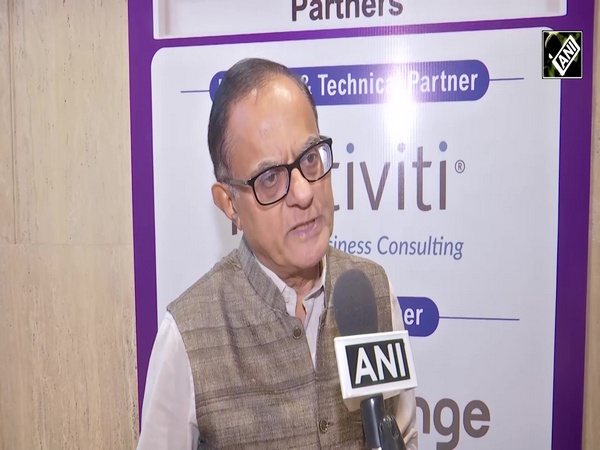
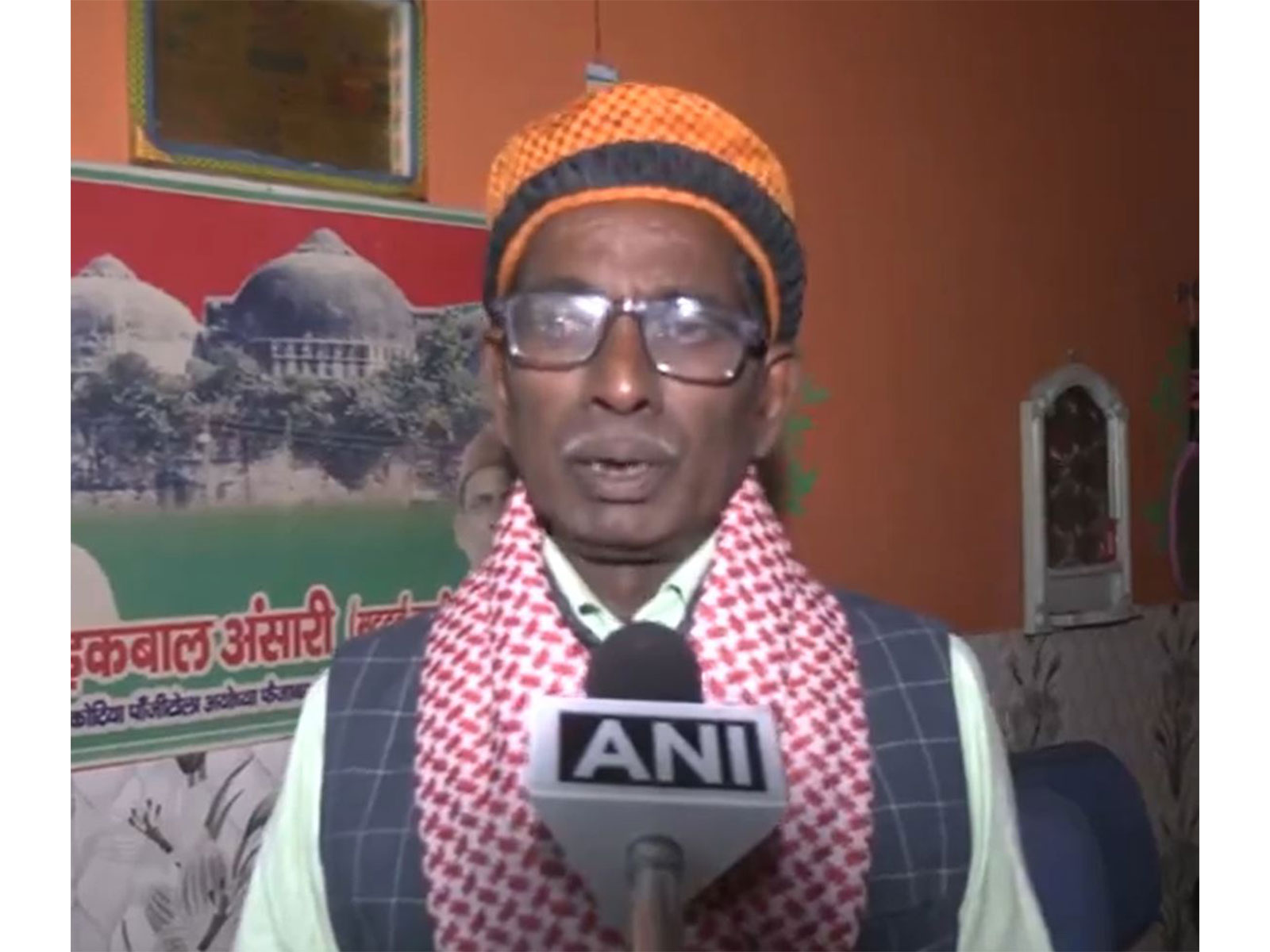
Ayodhya (Uttar Pradesh) [India], May 2 : Former plaintiff in the Babri Masjid-Ram Janmabhoomi case Iqbal Ansari on Saturday reacted to the Allahabad High Court's observation that offering namaz on public land is subject to state regulation.
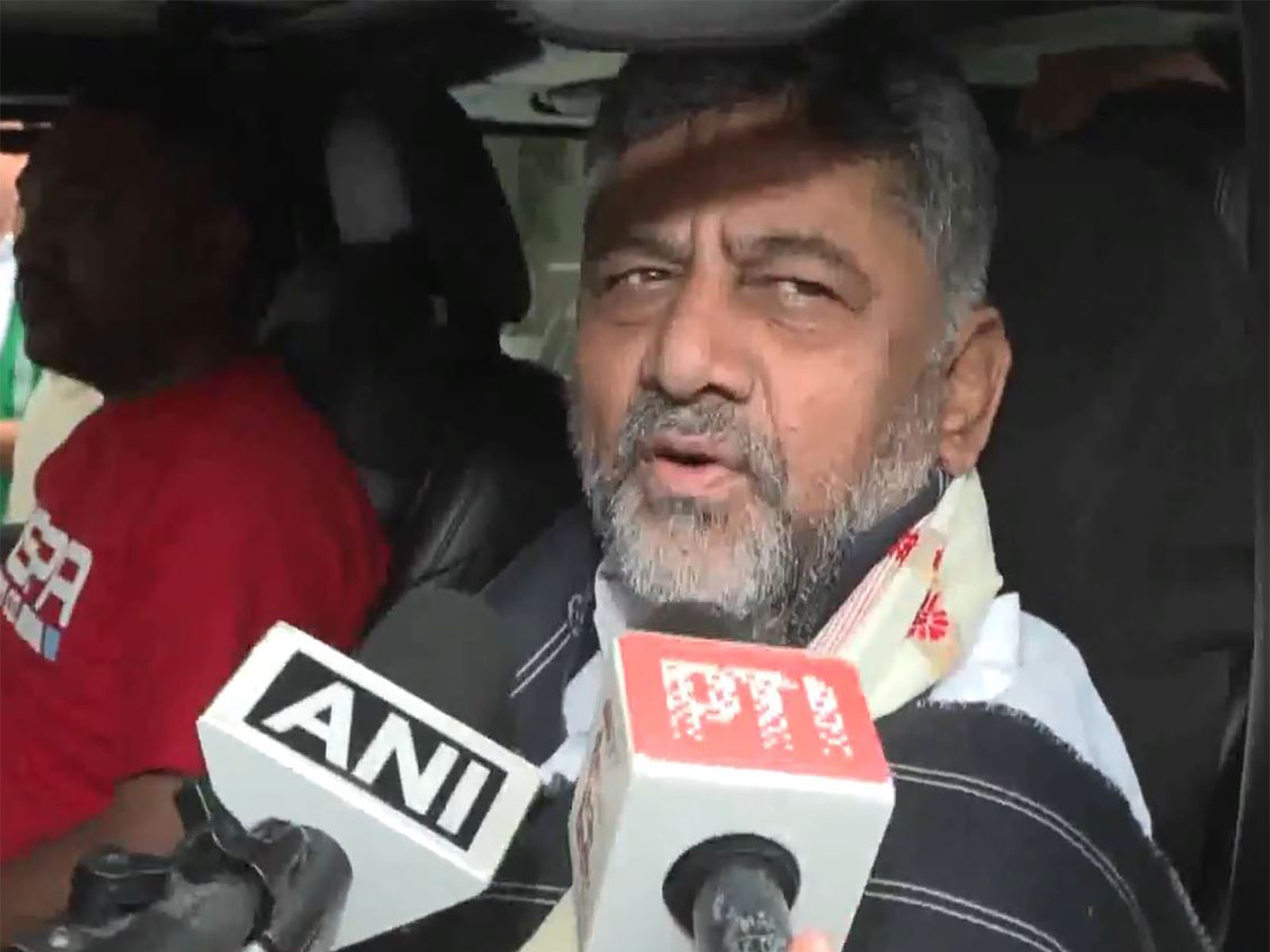
Speaking to ANI in Ayodhya, Ansari said that religious practices should be carried out in designated places of worship and that public spaces should not be used for such purposes.
"Mosques are built specifically for prayers, so there is no need to use public land for offering Namaz... People must follow the law. If the court has made a ruling, then that decision should be respected," he said.
His remarks come in the backdrop of the High Court's ruling stating that offering namaz on public land falls under the purview of state regulation.
On Allahabad HC's ruling that offering namaz on public land is subject to State regulation, the president of All India Muslim Jamaat, Maulana Shahabuddin Razvi Bareilvi, said, "This decision is entirely correct. This is because, in light of Islamic Sharia, it is explicitly clear that prayers should not be offered in any place where a dispute or conflict might arise, or where anyone holds an objection or reservation. One should refrain from offering prayers in such locations."
Earlier, the Allahabad High Court had observed that public land cannot be used exclusively by any individual or group for religious activities, including offering Namaz, and said that such use is subject to public order and the rights of others.
A Division Bench comprising Justice Saral Srivastava and Justice Garima Prasad made the observations while dismissing a petition filed by Asin, a resident of Ikauna under Gunnaur Tehsil in Sambhal district, who had sought relief in connection with the use of land for offering Namaz.
The Court clarified that "public land cannot be unilaterally used by any single party for religious purposes," adding that all individuals have equal rights over such property and its exclusive use is not legally permissible.
Referring to earlier rulings, including the Munazir Khan vs. State of Uttar Pradesh and Others case, the High Court noted that while bona fide religious practices within private premises are protected and cannot be subjected to arbitrary interference, such protection does not amount to "absolute carte blanche" for organised or regular collective religious activities.
The Court further observed that when such activities extend beyond private boundaries and begin impacting the public domain, regulatory intervention by the State becomes permissible.
"It cannot be interpreted that there is an unrestricted right to convert private premises into unregulated collective spaces for regular gatherings," the bench added.
In its order, the Court also observed that if public land is illegally transferred and subsequently used to demand organised Namaz gatherings, such a sale deed would be considered illegal and not sustainable in law.