No new H1N1 strain identified; what we're seeing is seasonal influenza uptick: Former WHO Chief Scientist
Aug 24, 2026
By Shalini Bhardwaj
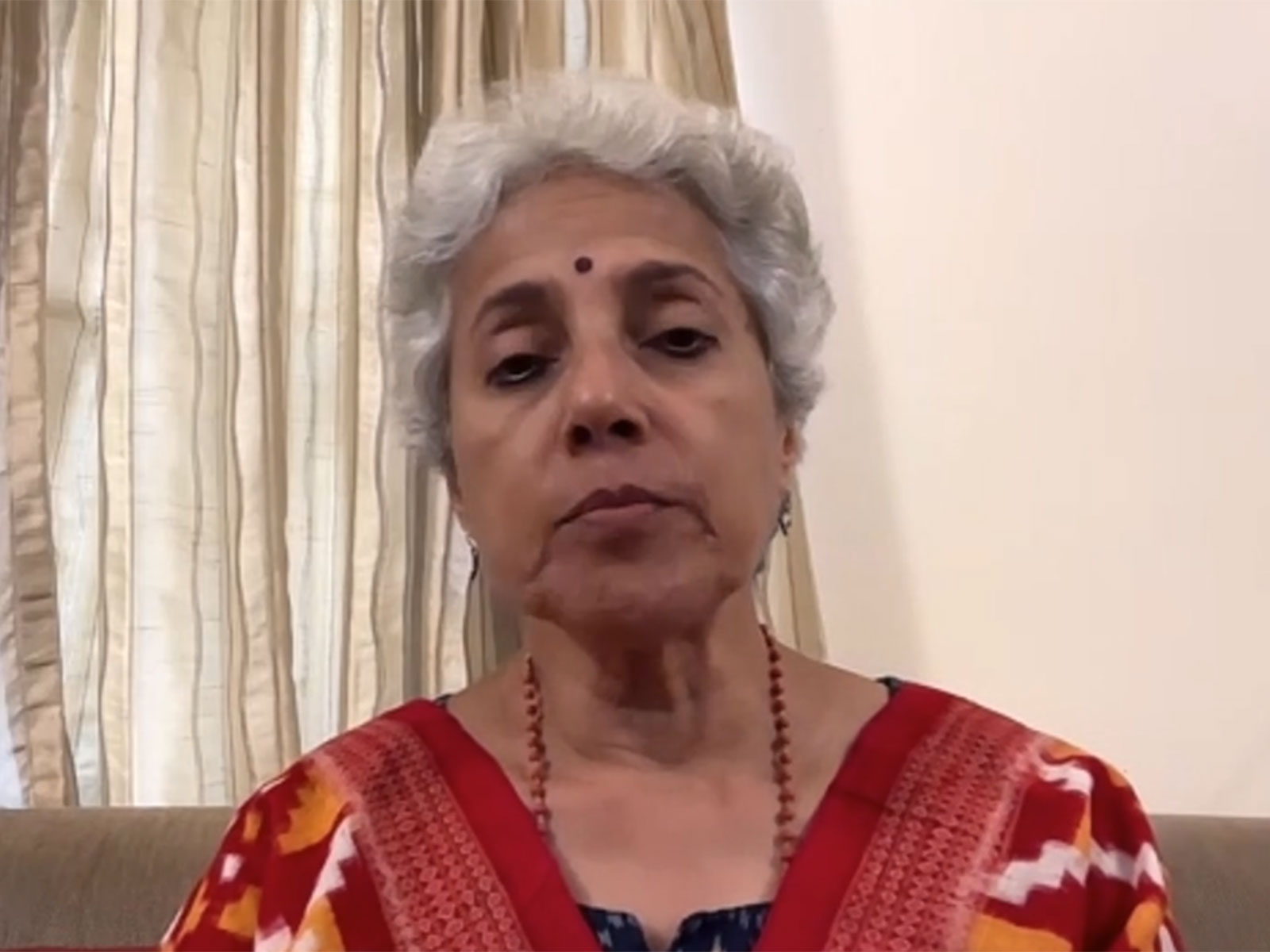
Chennai (Tamil Nadu) [India], August 24 : Amid concerns over the rising number of H1N1 influenza cases in several cities, former World Health Organisation (WHO) Chief Scientist Dr Soumya Swaminathan has informed that the current increase in H1N1 cases is a seasonal influenza uptick and there is no cause for panic, as no new strain has been detected.
In an exclusive interview with ANI on Sunday on the ICMR report of no new virus circulating, Dr Swaminathan said that influenza cases usually increase during the monsoon season in India and continue into winter, adding that improved surveillance systems have helped in identifying circulating viruses more effectively.
"I think what we're seeing is a seasonal influenza uptick. We see this every year. The doctors feel that this year it has started a little earlier, but normally in India, we do have a monsoon seasonal increase in influenza cases, and then it continues into winter," she said.
"Thanks to better surveillance through the government ICMR viral laboratories throughout the year, we actually now know which viruses are circulating, which are predominant, and we can also correlate with clinical presentation, with severity, and with hospital admissions. This is a very good resource," she added.
Dr Swaminathan said the present rise in cases is linked to the H1N1 Michigan strain, which has been circulating since the 2009 pandemic, and not due to the emergence of any new variant.
"The current increase in cases is because of H1N1, a Michigan strain. It's an influenza A virus, and it's the same strain that has been circulating since the pandemic in 2009, very similar to what was last year. I think we need to reassure people that this is not a new strain. It is not more transmissible or more virulent," she added.
She further said that increased awareness, testing and diagnostic facilities have resulted in more reported cases from cities including Delhi and Bengaluru.
"I think there's a lot more awareness, more testing, more diagnostics being performed, and therefore more cases are being reported from many hospitals in Delhi, Bengaluru, and other cities. People might tend to panic, thinking that, you know, there are suddenly thousands of cases. It's just better testing, but also an increase in the number of people who are down with H1N1 at this particular time," Dr Swaminathan said.
"Really nothing to worry about, except for those who are at very high risk of complications," she added.
Talking about symptoms of H1N1 and influenza, Dr Swaminathan said patients usually experience fever, body ache, sore throat, headache and fatigue, with most recovering within a week.
"The symptoms of H1N1 or any other influenza or flu as we call it are fever, body ache, sore throat, headache, fatigue and the symptoms usually last for 4-5 days, maybe up to a week at the most. Most people tend to recover with just rest, paracetamol, and plenty of hot fluids," she added.
Dr Swaminathan also highlighted that certain groups remain at higher risk of developing severe complications, particularly pneumonia.
"The people who are at risk of going in for more severe complications, particularly pneumonia, are those who are above the age of 65, children under the age of 5, pregnant women, and also those whose immune system is not working that well," she said.
She explained that people with weakened immune systems, including those undergoing cancer chemotherapy, suffering from autoimmune diseases or taking corticosteroids for a long period, need to be more cautious.
"These are also people who've had cancer chemotherapy, for example, or have autoimmune disease, or have been on corticosteroids for a long time, and because the immune system is a little bit weak in these people, it could flare up and become pneumonia," Dr Swaminathan said.
Meanwhile, Scientists at the Indian Council of Medical Research (ICMR) have clarified that no new strain of Influenza A (H1N1) has been identified in the country and said there is no cause for panic over the seasonal influenza virus currently in circulation.
A senior ICMR scientist said on Sunday, "The influenza A (H1N1) pdm09 viruses currently circulating in India are similar to the A/Missouri/11/2025 (H1N1) pdm09-like virus strain. These viruses belong to clade 6B.1A.5a2a and subclade D.3.1.1 and have been in circulation since 2025."
As per the ICMR, the scientists also clarified that the influenza strains currently circulating are well matched with the vaccine strains recommended for the Northern Hemisphere.
Seasonal influenza, including H1N1, is "mostly self-limiting". Common symptoms include fever, cough, headache and body aches, and most people recover with appropriate care and adequate rest, the ICMR added in their statement.