"Not meant to fire Opposition’s guns": Ex-SC Judge Sanjay Kishan Kaul cautions courts against political matters amid SIR petition
Oct 28, 2026
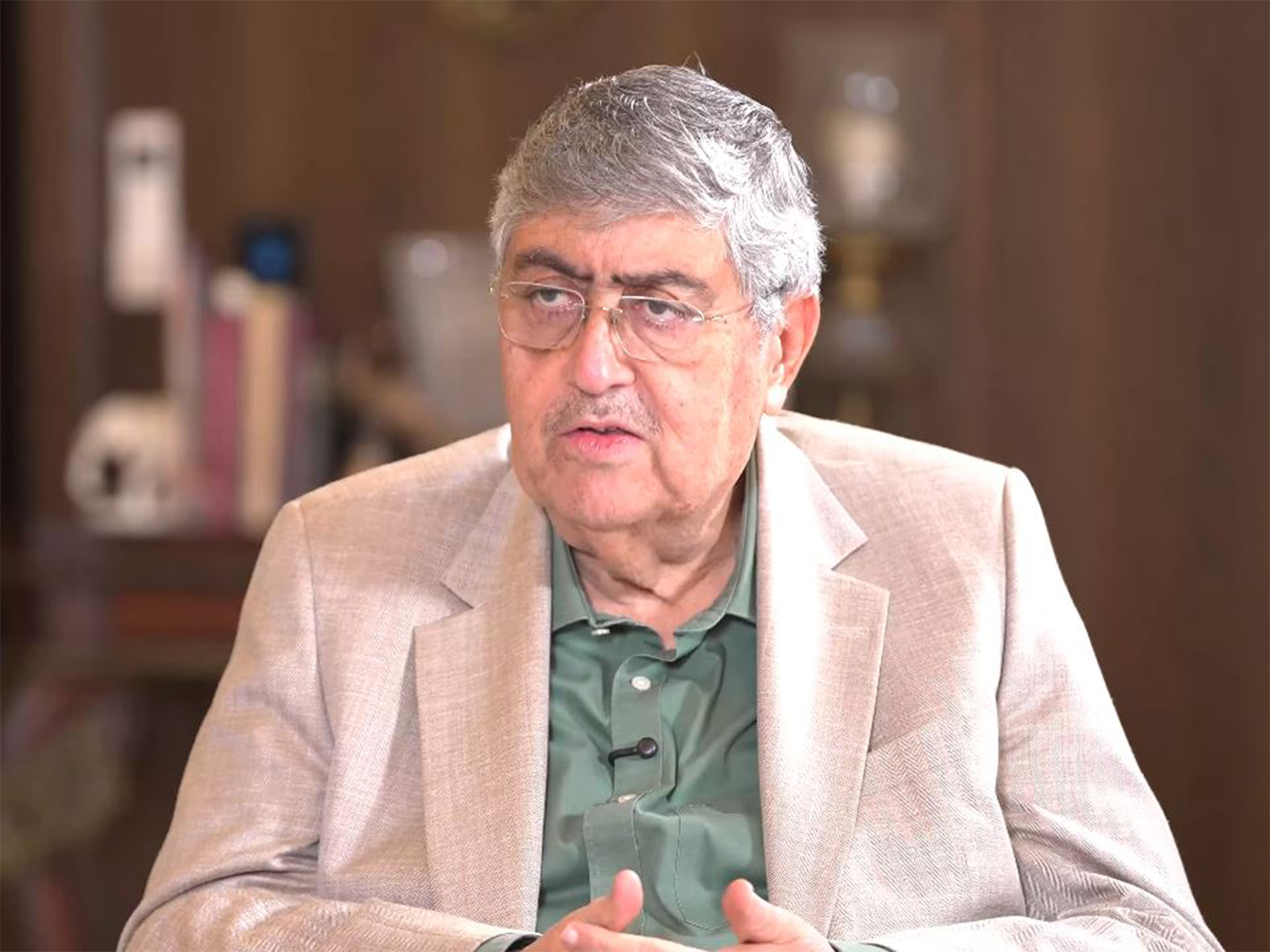
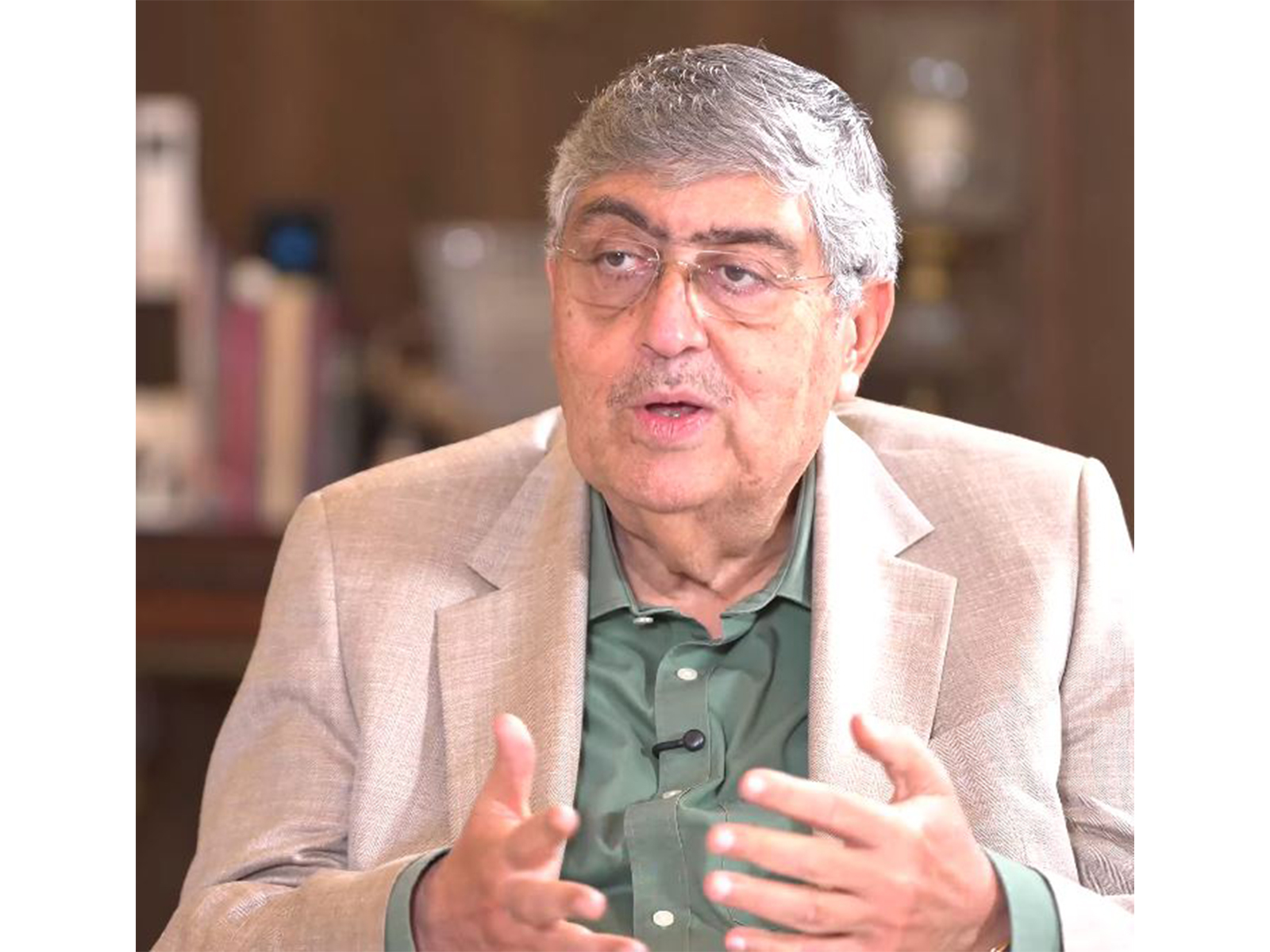
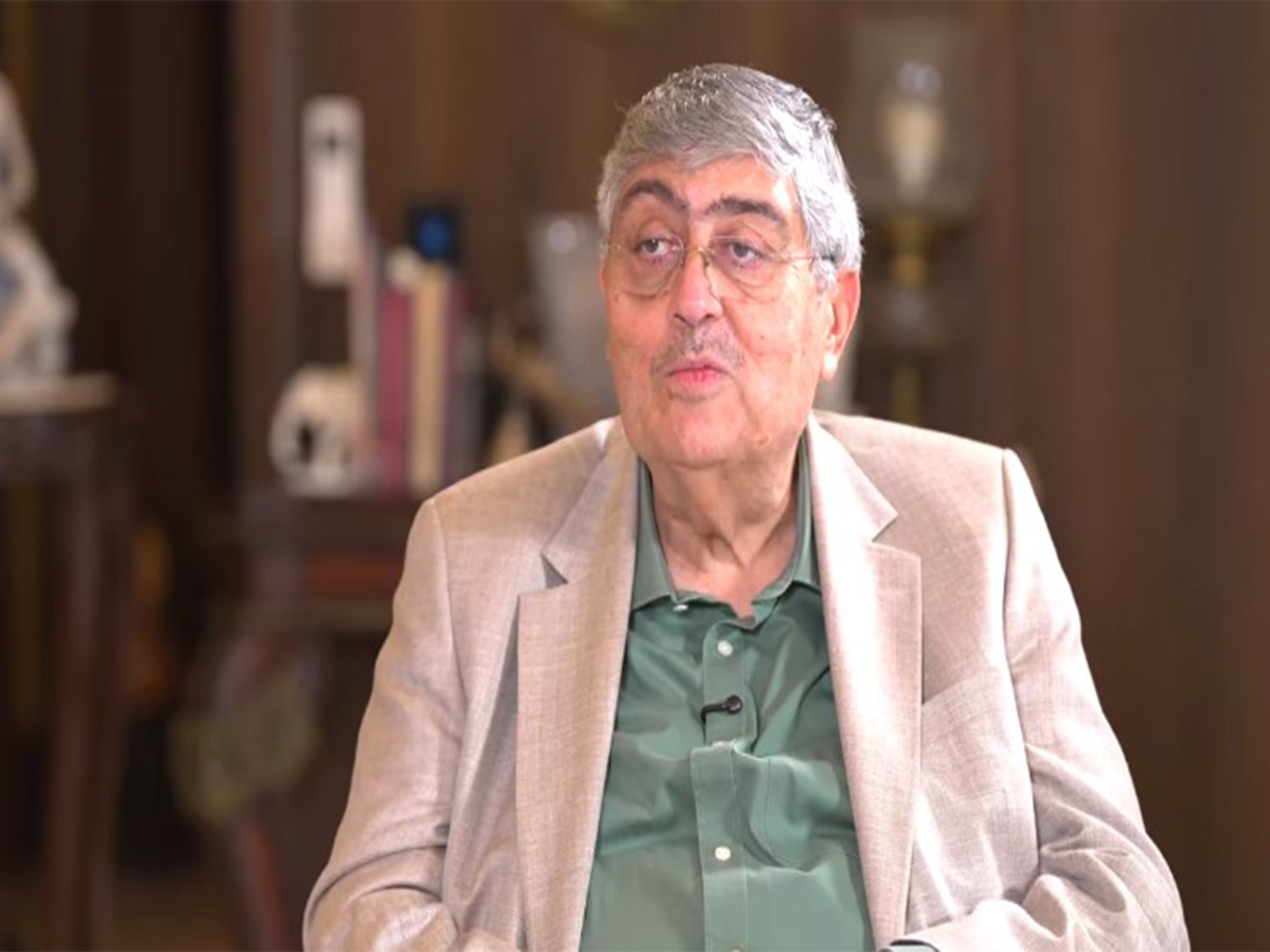
New Delhi [India] October 28 : Former Supreme Court judge Justice Sanjay Kishan Kaul emphasised that the judiciary should not be used as a political platform to "fire the guns of the opposition towards the ruling entity."
Speaking with ANI, Justice Kaul noted that court intervention is subjective and should be restricted to strictly legal matters. He recalled advising litigants in past matters to take political issues outside courtrooms. Courts act as constitutional checks and balances rather than tools for political sparring.
Responding to the Opposition using the judiciary as a primary recourse against constitutional bodies, Justice Kaul emphasised that courts must maintain faith in themselves and other constitutional bodies like the ECI, while noting that public faith in the judiciary remains vital.
"I've even seen in Chennai and elsewhere, there were many matters which were put. I said, don't get them to court. This is a political issue. Please take this outside the court; do it on a different platform. If it raises a legal issue, then the court will deal with it. That's how it must work...The position that the constitution makers treated the court as a check and balance, so you have to have a government check and balance. Yet it is also not something where it is meant to fire the guns of the opposition towards the ruling entity. That's not the function of the court. As I said, the issue is we are a very divided society at the moment," he said.
His comments came in the backdrop of an INDIA bloc petition and protest march to the Supreme Court against the Election Commission of India's (ECI) Special Intensive Revision (SIR) exercise.
Justice Kaul cautioned that heightened public glare and extreme political polarisation ("bhakt" vs "hater" mentalities) create a restrictive environment for judges. The intense glare can make judges hesitant on sensitive issues and alter courtroom dynamics, making informal dialogue or lighter moments difficult. Polarised viewpoints prevent people from recognising that a court ruling against or for the government is part of its functional duty, not political bias.
"There have been past instances where we have been a divided society. So you can't have a scenario where a middle path is something that must be abandoned. You can't say "I am a bhakt" or "I am a hater." See, in that process, what happens is you get so closely identified with one or the other side that you are not willing to consider and see that there are some things which may be good that the government does, and there are some things which a court may not agree with the government, which is happening. This is not a bias of the court. It is the job of the court to do this," added Justice Kaul.
The former judge's remarks coincided with heightened legal and political friction surrounding the Election Commission's Special Intensive Revision (SIR) process.
Leaders of the INDIA bloc, including Rahul Gandhi, filed a joint petition in the Supreme Court following an October 12 protest march. The plea sought a judicial audit of the SIR process, disclosure of deleted voters' data, and suspension of the exercise across states.
Controversy escalated after media reports cited internal dissent, alleging Commissioners Sukhbir Singh Sandhu and Vivek Joshi objected multiple times to decisions made without full consensus.
Responding to the Supreme Court, the ECI rejected allegations of unilateral action, declaring that all three SIR orders passed across 2025 and 2026 were unanimous decisions by the full Commission. The ECI further clarified that Form 6 underwent no modifications.